Author: chris eilers
Xiaomi Mi Note Review: a smash-hit in the price war of high-end smartphone
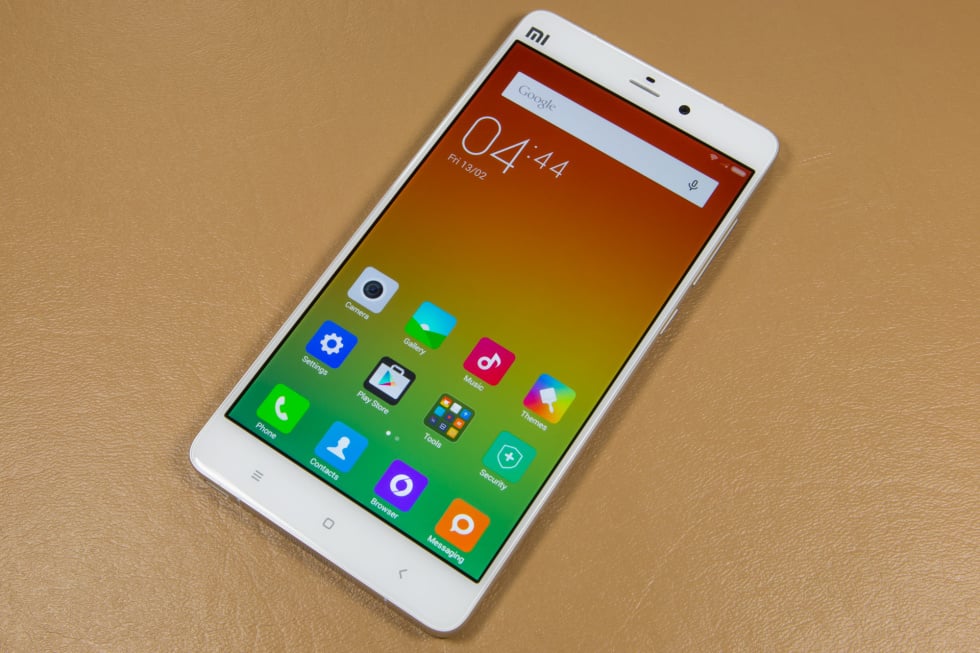
Xiaomi is certainly the fastest growing company in the smartphone industry worldwide to date. The upstart OEM stay on the top leader in their local market where it earns 5 spots out of 8 world’s largest smartphone manufacturers. Last year, the revenue of the company increased by 227% despite the fact that it only entered only 6 countries. Lately, it’s been struggling for the third largest smartphone producer in the world beside Apple and Samsung.
In fact, Xiaomi’s flagship Mi 4 was unveiled last year, a super affordable clone model on high-end Iphone, which had drawn all our attention. Though being criticized a lot, the device made us all surprised by the built quality inside. That was in smartphone segmentation. But now, in high-end phablet segmentation, Xiaomi is targeting directly on Apple Iphones Pluses and Samsung Galaxy Notes with its Mi Note.
Like Mi 4, the Mi Note is another bang from Xiaomi. With just $370, you will get 5.7-inch, 1080p LCD screen, a 2.3GHz Snapdragon 801 with 3GB of RAM – nearly top of the line specs – smartphone.
In its press material, Xiaomi means to compare the Mi Note to the Iphone 6 Plus, where it has the most resemblance. Though having a bigger screen (57 inches versus 5.5 inches of Iphone 6 Plus), the Mi Note struggles to have a thinner, lighter body (155.1mm × 77.6mm × 6.95mm versus 158.1mm × 77.8mm × 7.1mm and 161g versus 172g). While you are expecting for a competitive device in the same segmentation with similar price, Xiaomi is this for half of the price. A 16GB iPhone 6 Plus costs you $749, so do similar Android phones from Samsung or Motorola cost.
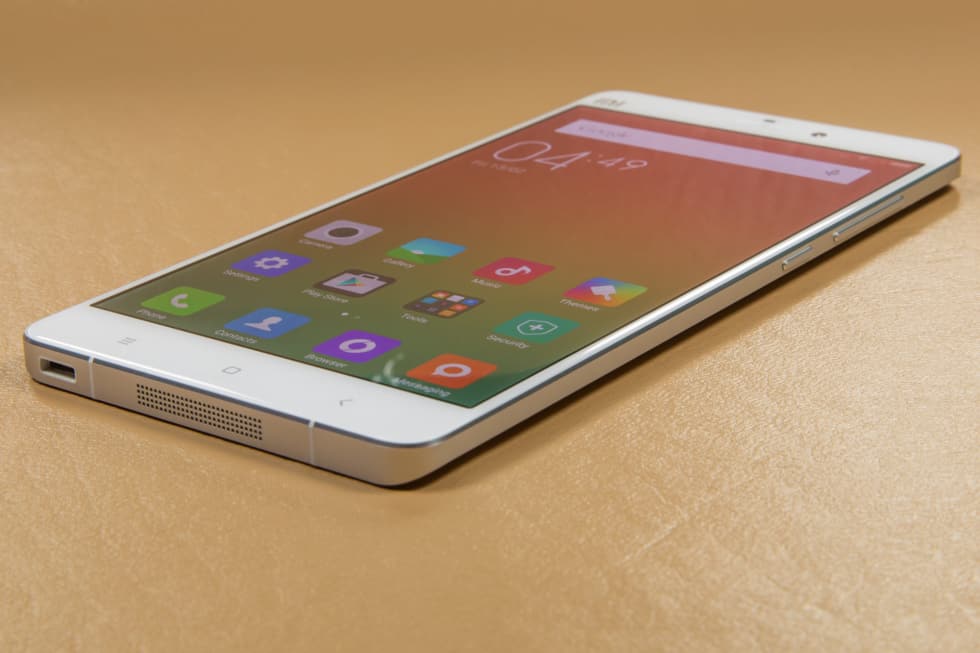
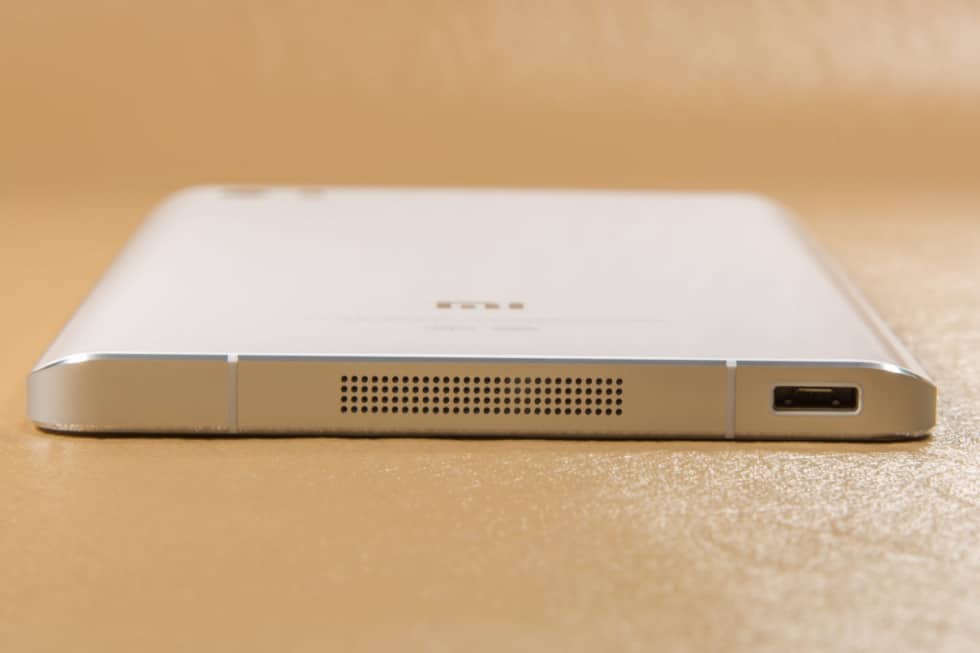
What makes us all surprised about Xiaomi is its ability to produce higher-quality products for less money. The Mi Note is irreproachably well made with premium materials and constructions all around. The aluminum alloy frame with polished chamfered edges and matching aluminum buttons makes it look gorgeous. The front and the back are covered with Corning Gorilla Glass 3, which means -apart from some tiny strips for insulation- there is not a single plastic part on the exterior on a $370 device.
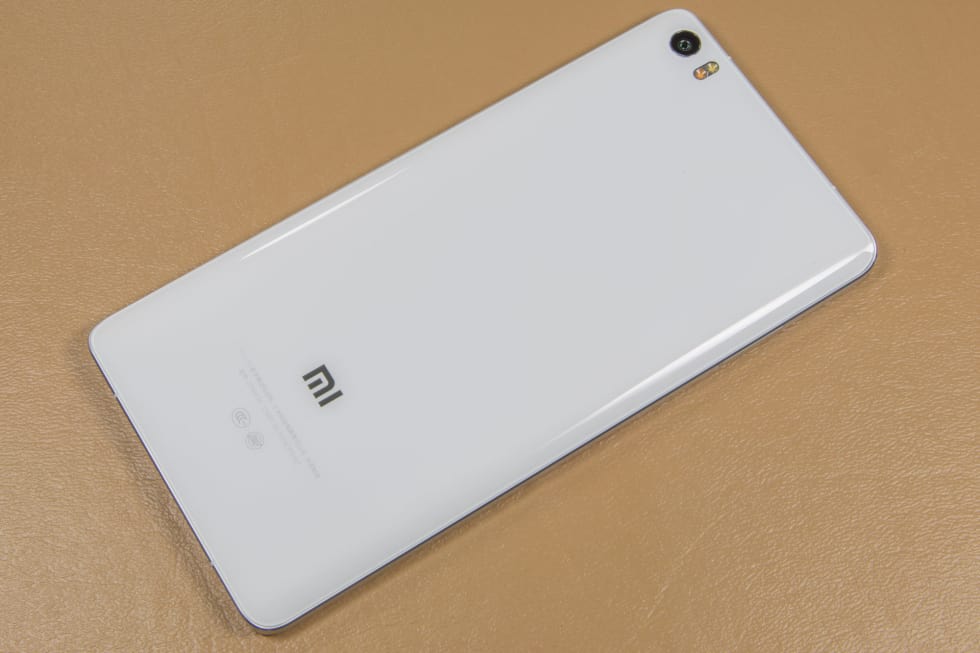
With the thickness of just under 7mm with no bulges of any kind, the Mi Note really gets us think of its own vulnerability (though no smartphone is built to be dropped). We would have preferred a thicker device with more battery, to be honest. However, with all-glass cover, aluminum frame and high quality, Xiaomi does sells it as a premium device. The glass back of the Mi Note is a low-friction surface as it slowly slips off on a table.


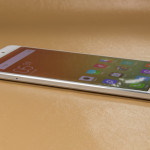


However, the Mi Note is not flawless at all. Users most complain the hardware buttons, which are really an annoyance. Normally, the order is Back, Home and Recent Apps. As for the Xiaomi Mi Note, this order is a bit different: Menu, Home and Back. And the Menu button will open the Menu if you long-press it or else it is defaulted to open the Recent Apps, despite looking like one.
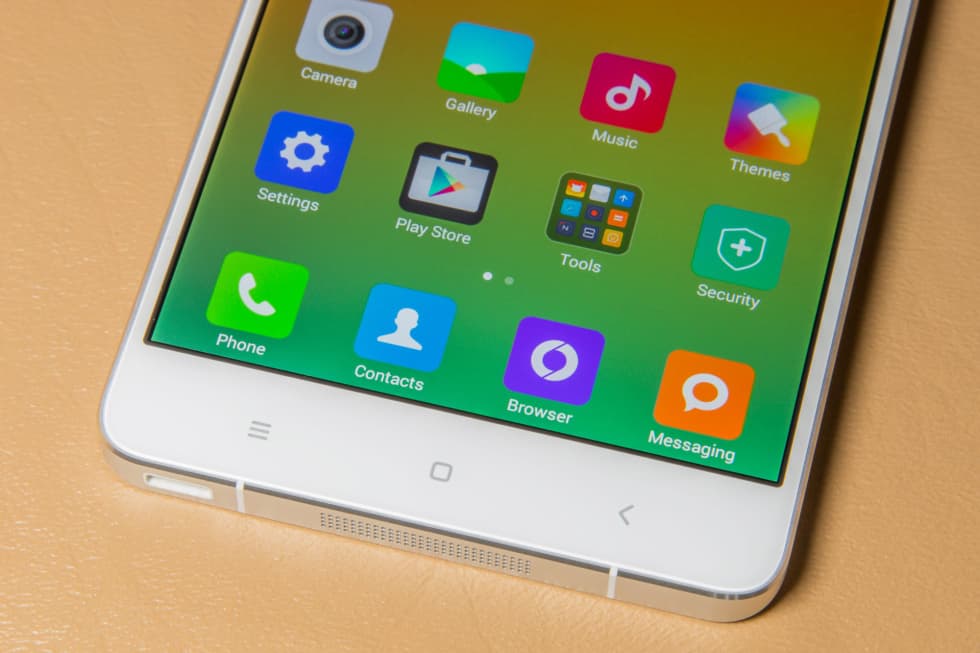
Almost none of the apps on this phone have a menu. Google ejected it from Android ecosystem years ago. Xiaomi’s own Android ROM, has stopped counting on the menu button in the latest version. That’s unnecessary now. It’s somehow like the hardware and the software do not get in sync. The hardware gets a button that the software hardly use it. Practically, it still runs well. It’s just a mislabeled Recent Apps button. The question here is why?
Xiaomi’s rapid development
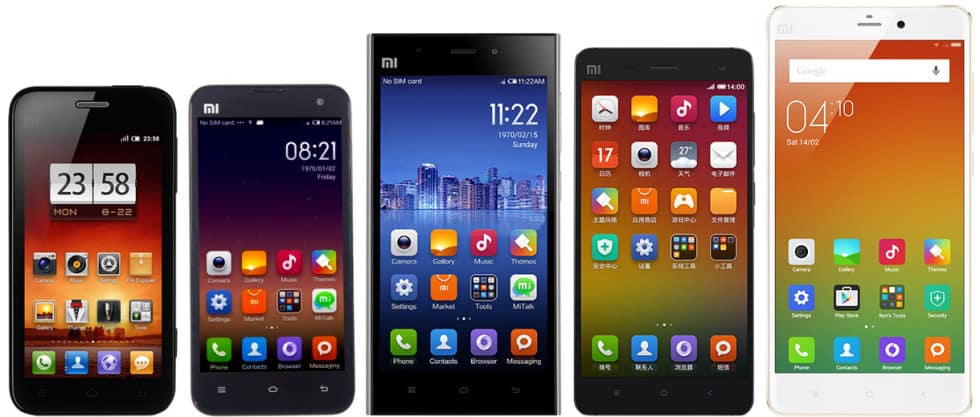
The ability that Xiaomi listens to customer feedback and use them to upgrade its next products is the most impressive aspect compared to how Samsung works. It’s been 4 years since Samsung Galaxy S2 was released but we can see similar complaints on Galaxy S5, such as: cheap-feeling plastic back panel, boring Touchwiz and ton of gimmicks.
On the other hand, Xiaomi is developing surprisingly. In the Mi 4, the back panel is plastic, still brings cheap-feeling, so for the next season of Xiaomi’s smartphone, the Mi Note, it is replaced by Corning Gorilla Glass. The company’s custom Android ROM, MIUI 5, relied on a lot of skeuomorphic elements, but MIUI 6 has a more modern, flat design. Hiding options behind the menu button is a dated, confusing interface feature. Therefore, the Mi Note still has a menu button but the company default it as a Recent Apps button.
The appearance of the Xiaomi Mi Note is also improved. When Mi 4 was released, people said it looked like Iphone on the front and Samsung on the back. But, circumstances alter cases. The Mi Note gets unique design touches that can tell it apart from others.
Visually, there is still a metal band around the outside, but it tapers along the sides of the phone, giving it a more distinct look. The curved-along-the-sides glass back not only give it an odd and unique design, but also makes it easier to hold. The most interesting point is that these are all the improvements from the Mi 4, which was released just 5 months ago.
Recently, Xiaomi announced that it was slowly approaching the US market by launching a version of its e-commerce site, Mi.com. Though being criticized for copying Apple’s design, the company itself proves to be a strong one in the Amazon mold. It want to makes money on building a good system of service.
For now, Xiaomi says selling smartphones in the US is not planned yet but it will start selling accessories like headphones and external batteries instead. Still, it is hard for us to imagine that a company opens store in the US but not to sell its mainstream.
The reason for Xiaomi not to sell smartphone in the US is mainly that, with the current lineup, Xiaomi will be vulnerable to trade dress and patent lawsuits from such companies like Apple and Samsung. The company will play intellectual property game, though. The company hopes to double the number of this patent as this figure was 2000 last year. If Xiaomi does want to spread out to countries with strong IP laws like the US, it will need to innovate its software and alter any feature that could be intruding. If Xiaomi starts selling smartphones in the West, lawsuits for it is certain since, in an IP landscape, every smartphone company seems to suit the others.
MIUI 6—Flat, but a little too overwhelming
MIUI (pronounced “Me-You-I”) has changed a lot since we last saw it on the Mi 4 – the whole new version has been released. When MIUI 5 was skeuoumorphic and could do crazy things like making voice recorder a cassette tape, the MIUI 6 has gone totally different direction. The OS now is really flat with no shadow or bevel to be found. Backgrounds are usually a flat color, with some popups having an iOS 7-style hint of the blurred colors underneath.
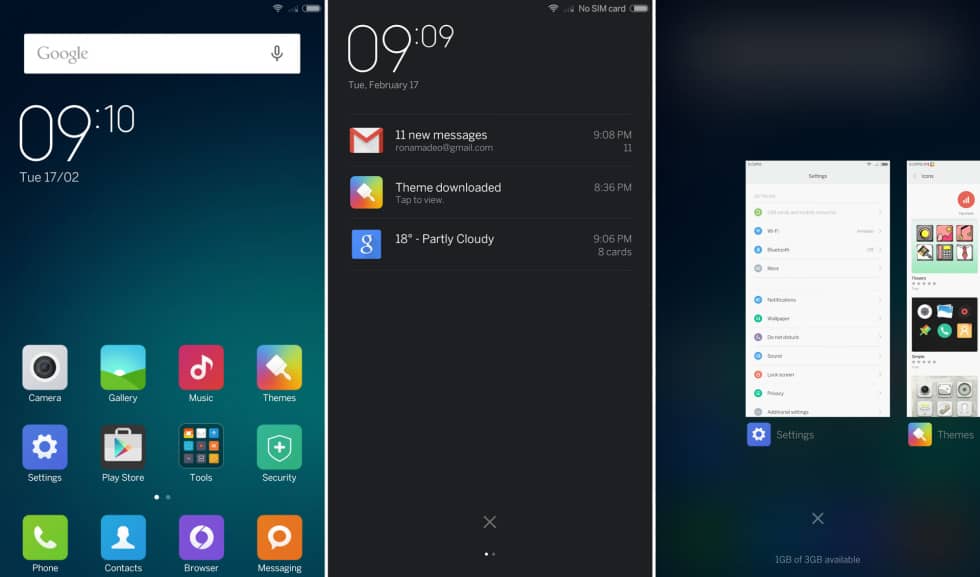
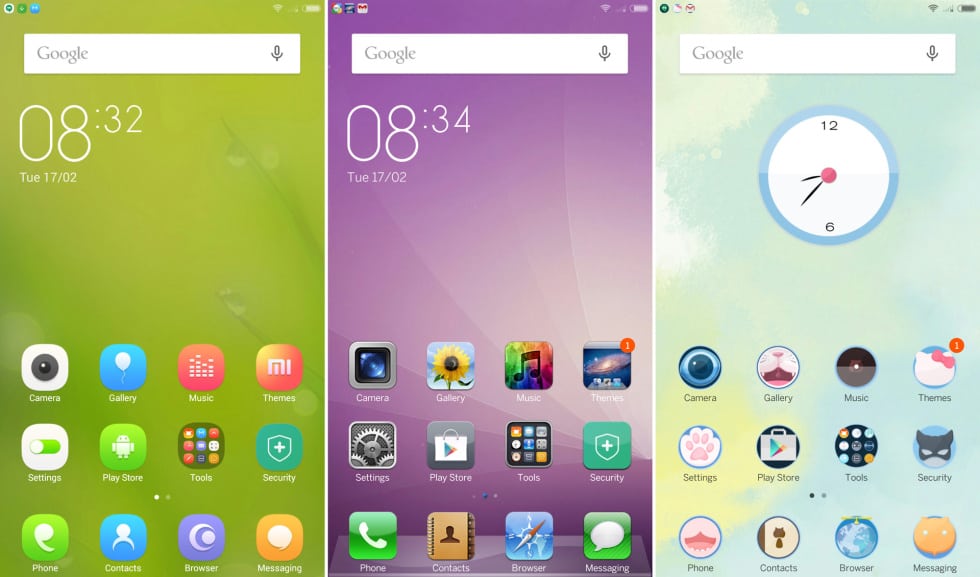
The ‘getting thing done” area of an app is usually white with gray header, and sometimes you can’t choose other colors. Some may say it follows minimalism but, the others says it dull plain. The good news is you can change the theme whenever you get bored with the screen. Right on the home screen can you find an icon for theme shop, where you can change the icons, wallpapers, fonts, sound… and the look of many included app.
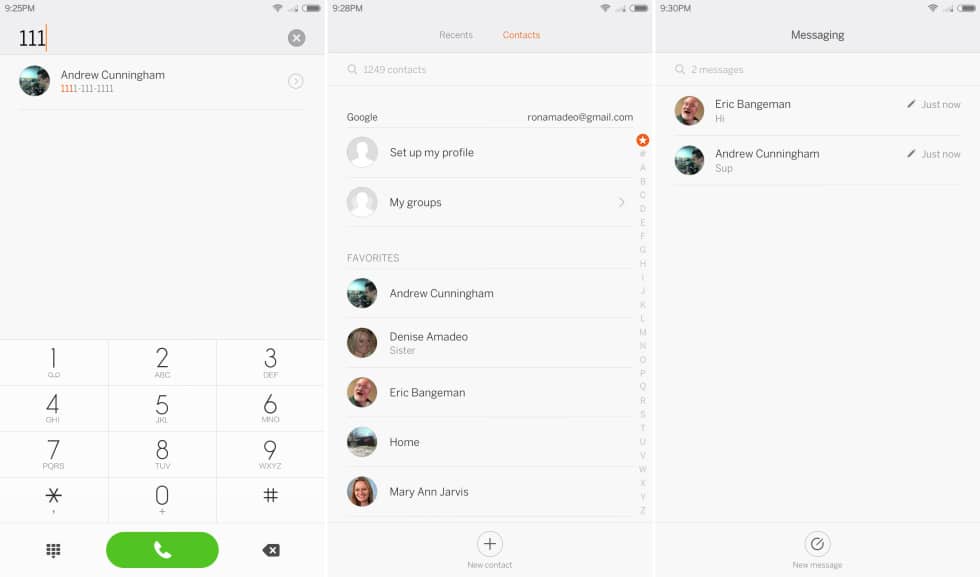
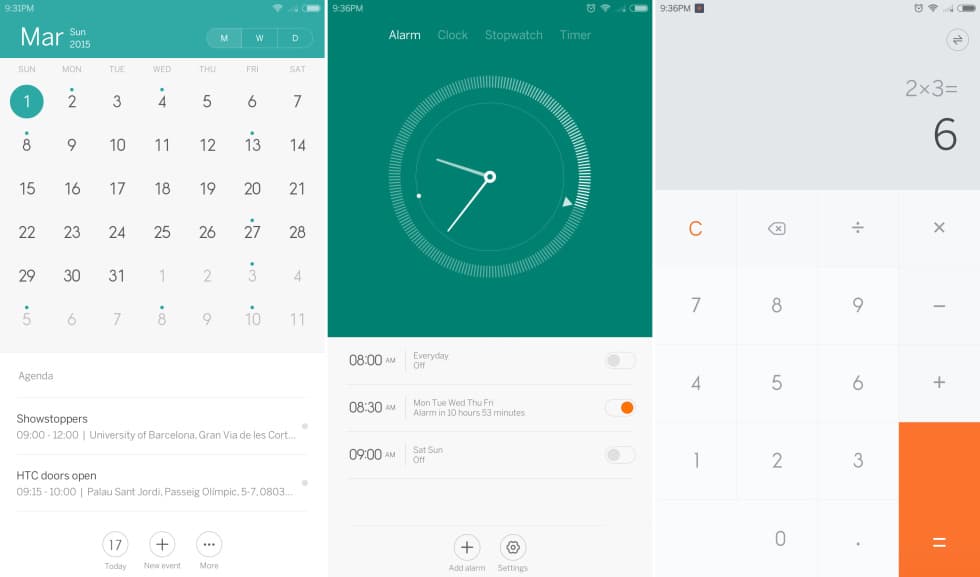
There is a microcosm of the OS. That you can customize MIUI is the best part of it. The setting panel contain all the changes you want such as the font and icon size, the display of battery as a percentage, the display of your connection speed in the status bar and the notification light color. Also, you can add long-press shortcuts to the hardware buttons, configure in-line headphone buttons, and lots more. If you like to tweak your phone, MIUI has got everything you can think of.
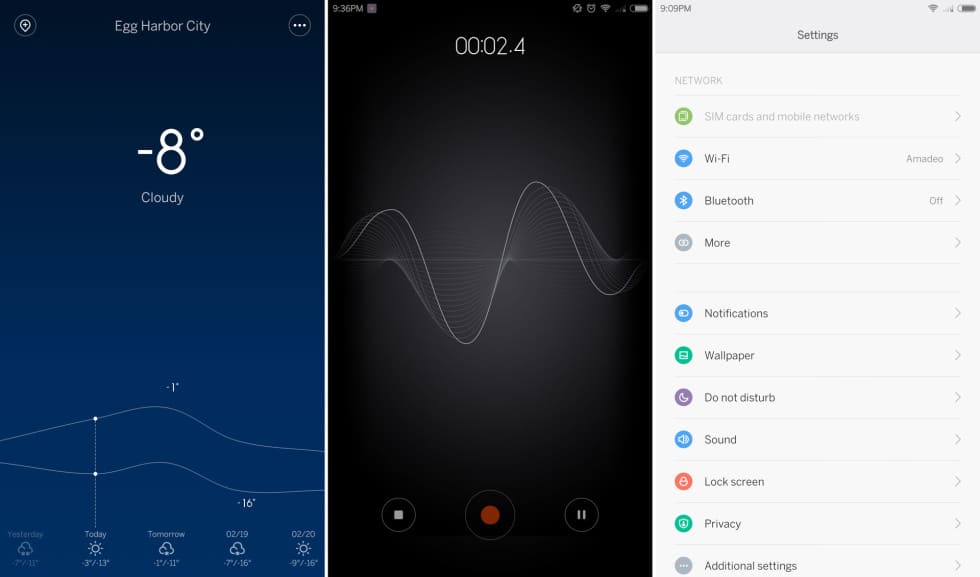
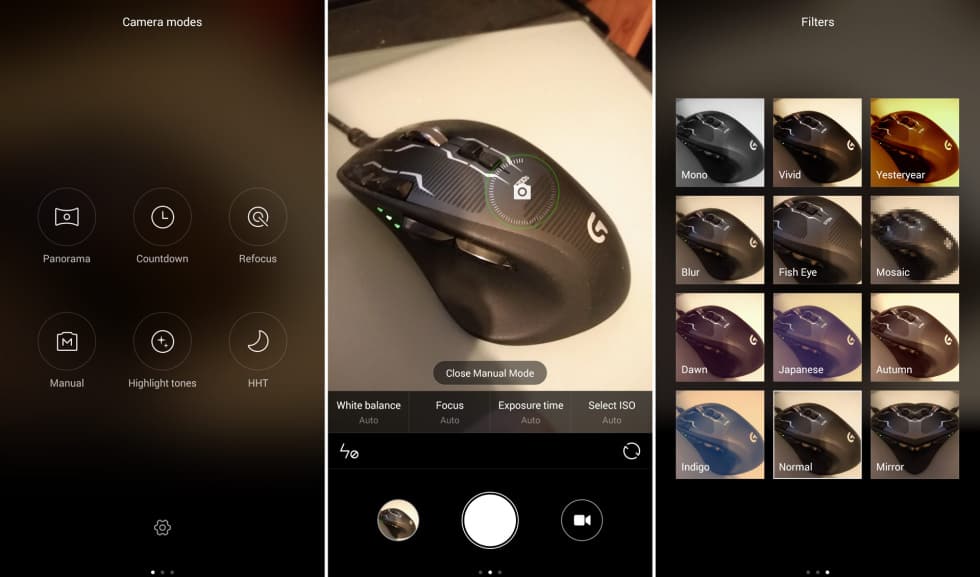
As for the functionality, it will take you some time to get used to MIUI as it is an iOS/Android mix. MIUI 6 is based on Android 4.4 KitKat, but the heavy customization makes it hard to realize. There’s no app drawer – icons all sit on the home screen iOS-style. The notification panel can be opened by a horizontal swipe, not a vertical swipe as usual. Recent Apps now uses horizontally scrolling full-screen thumbnails just like iOS (and WebOS).
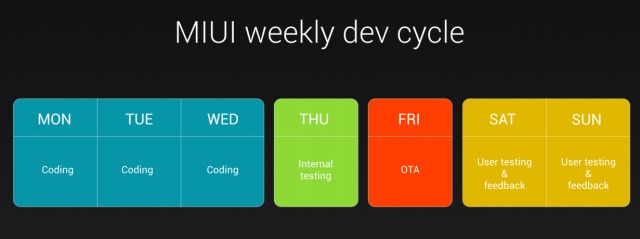
Unlike the customized Android built from many other vendors, Xiaomi has started making its own Android ROMs even before it shipped a phone. The company takes its software very seriously. Above is the released MIUI schedule. It gets weekly OTAs while many other smartphones are so lucky to get an OTA once or twice a year. Though the weekly updates on MIUI are not as big as bi-annual changes on others, bugs get fixed particularly quickly. Small features are also added through time.
The incredible speed of MIUI makes it better than other Android version as it runs so quickly and smoothly. While many OEM skins seem to slow down and add bloat, MIUI feels faster than “stock” Android.
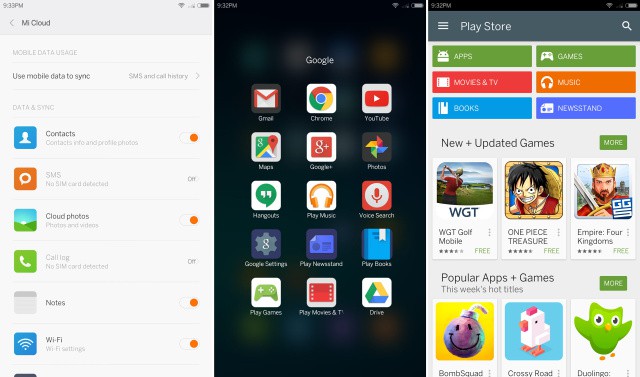
According to the Mi Note preview units, provided to the US press by Xiaomi, the phone fits full suite of Google Play app. You got the Play Store, Gmail, Google Play Services, YouTube, Google Now, Google Keyboard, and everything you would expect. This is a full upgrade from the Mi 4 as the Mi 4, imported from China, did not come with Google Play and had to use Xiaomi’s app store. Google has not entered China yet, so Xiaomi is not forced to ship Google Play on China-bound devices.
At the beginning, the Mi Note asks you to pick location from the list containing only countried where Xiaomi sells phones. Oddly, when choosing the location, you are picking Xiaomi’s ecosystem model for your phone. If you choose the place where Xiaomi has just entered the market, like Singapore, you will only get Google Play for an app and that’s all. Nevertheless, wipe it out then pick Hong Kong instead, you will immediately get Google Play and Xiaomi’s app store. The app loadout changes depending on the country you pick.
Weirdly, China, where Xiaomi has the biggest ecosystem, wasn’t on the list of countries. There the company sells games, apps and themes. Among the wide range of apps we tried, the most we could get from Xiaomi app store was free apps and themes. The e-commerce ecosystem is apparently an important part of Xiaomi’s business model, so it’s interesting to see the company dispatch Google Play and sell apps and themes in most territoties.
Performance
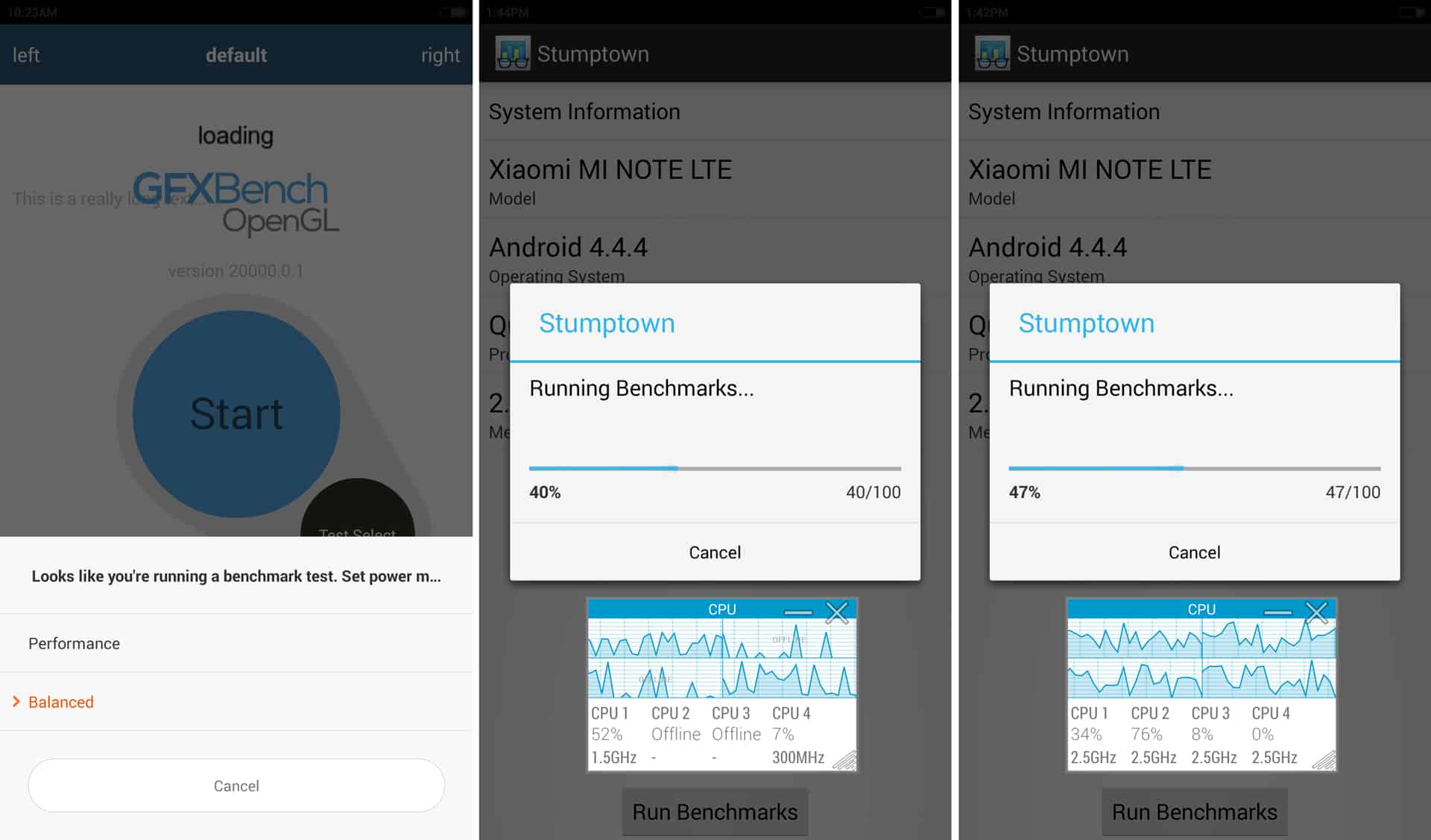
Xiaomi has given the Mi Note two performance modes: “Balanced” and “Performance”. The “Balanced” mode is default. Performance of this mode is normal and unlimited that most phones use. “Balanced” violently infringes the CPU, and if all four cores are running, it seems to reach the limit of the max of 1.7 GHz. Generally, benchmark shows it was about 22% down in CPU performance. This does affect the GPU or storage speed.
We doubt that consumers will never dig through the Setting to find “Performance” mode, so for most of the time, they will be running “Balanced” mode. The interface design expects users to be mostly in “Balanced” mode. Enabling “Performance” mode initiates an unremovable battery usage warning in the notification panel. We were encouraged to switch to “Performance” mode when starting a benchmark but never for a game.
In the OS, the “Balanced” mode does not tend to slow the phone down. Everything runs at an acceptable pace, properly owing to how smooth MIUI is. CPUs are powerful enough to handle loading and scrolling 2D app. We also played some games, like Minecraft, and it ran well. But the “Performance” is always available if you want.
Apart from being a funky power-saving mode, it’s standard Snapdragon 801, which is normally good.
Here are some comparisons between 2 modes of Xiaomi Mi Note and other popular smartphones.

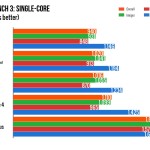


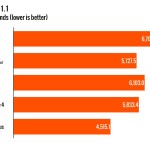


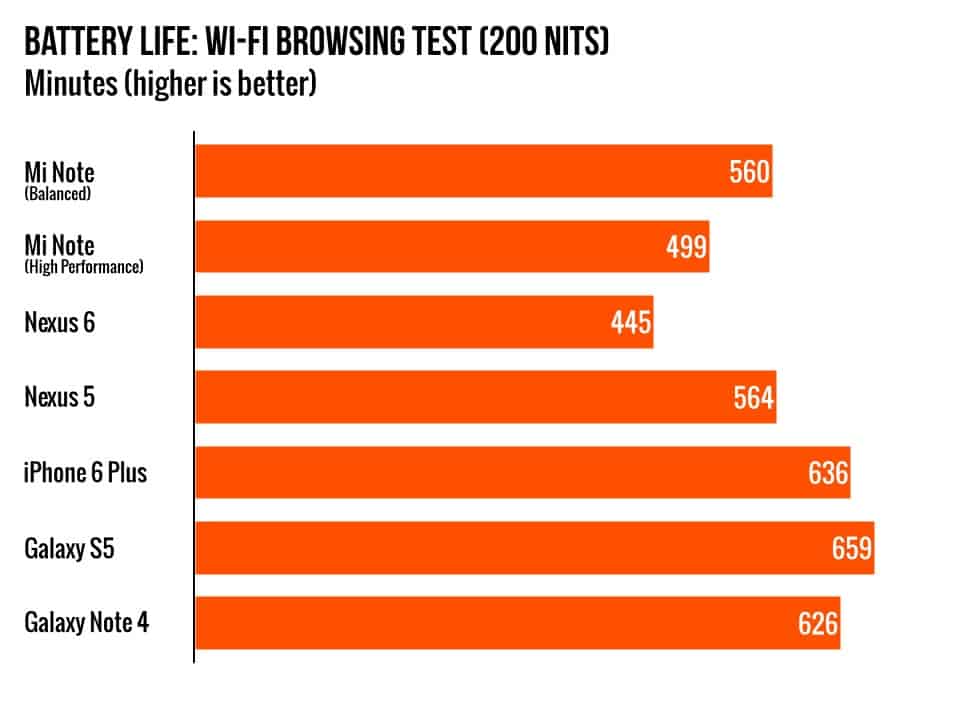
Battery life of the Mi Note is acceptable. The “Balanced” mode gave the phone an extra hour to runtime, this makes sense. The SoC will use less power but a blazing 5.7 inches LCD will definitely draw more power.
At 5.7-inch-sized screen, we can have expected a bigger battery capacity than 3,000 mAh. The similarly sized Note 4 got a battery of 3,220 mAh and the 5-inch-sized Mi 4 itself got 3,000 mAh. Sometimes, pursuing thinness is not necessary. We want more battery.
There are still many complaints about this but it’s hard to complain about a $370 device.
Camera
There is no doubt that the camera department of the phone is great. Xiaomi Mi Note’s 13Mp camera (with OSI) gives wonderful pictures, sometimes better than the Note 4, which is twice as more expensive. You also get lots of options, like manual exposure time—up to 32 seconds—selectable ISOs, and a torch mode for the flash.














Xiaomi is probably the best Android OEM
Though Xiaomi’s criticized designs create many jokes in the US, this company should be taken seriously. Both phones from Xiaomi to be tested prove to be fantastic devices.
Beside prices, both bring customers with premium feelings that can compare to the best of Apple and Samsung. But when the prices are under consideration, it is obviously an unfair fight. $749 iPhone 6 Plus and $700 Note 4 versus $370 Mi Note. We can only compare the pros and cons of each product to that of the others. Why do you have to pay twice for a device that has got everything similar to the Mi Note?
There will be some aspects that Iphone and Note are certainly win. The Note did get Samsung’s S Pen or multi-window functionality to use with big screen. It also has a few more pixel and GHz. However, the Mi Note is not done with the spec sheet war. The Mi Note Pro is as Xiaomi announces that is has a Snapdragon 810, 4GB of RAM, and a 1440p display for—somehow—$528. As for the Apple Iphone, it has its own ecosystem, so that it is more resistant to competitor (in Q1 of 2015, the sale of Iphone increases considerably by 70% in China) but it’s no wonder Samsung is reeling.
Honestly, we don’t know how the company does it. There doesn’t seem to be any corner that Xiaomi had cut to create such an incredible device. There is no light bleed from the display, and either the camera or the speaker is really good. It makes all wonder how come we should spend $600 for a high-tech toy with similar spec.
Xiaomi proves itself a disturbing agent in the smartphone industry. The company listens to customers’ feedback and immediately improves. Weekly software updates are also offered to users for better experience. It can make a high-end device for half of price compared to similar ones of other players in the competition. One thing that makes us feel disappointed in this phone is the country availability, for which is mostly China now. If you can buy it in the US, it will be the best phone with just $370.
Good
- It will only costs you $370 for something that other OEMs sell for $600-700.
- It’s one of the best-designed Android smartphone with all glass and aluminum cover.
- The performance is really fast.
- Weekly software updates.
- The camera has lots of control and different choices of mode.
Bad
- The Menu button opens to Recent Apps rather than the Menu.
- The glass back is nice but it slips off when being put on an imperfectly flat surface. It’s almost frictionless.
- The glass exterior causes fragile feeling to users. Don’t drop it.
Ugly
- Almost available in China only.
You May Like
-
 Nokia Maze Xtreme 2026 Specs: 200MP Cameras, 12000mAh Battery!
-
Nokia XS Max 2026 Specs: 200MP Cameras, 10600mAh Battery!
-
 Nokia P1 Lite 2026 Specs: 200MP Cameras, 11000mAh Battery!
-
Nokia Flash 2026 Specs: 16GB RAM, 200MP Cameras!
-
Sony Xperia Ultra Max Pro Specs: 200MP Cameras, 19100mAh Battery!
-
Nokia A2 Pro Specs: 18GB RAM, 12000mAh Battery!
-
Nokia Royale Max Ultra 2026 Specs: 24GB RAM, 18700mAh Battery!
-
 Nokia Play 2 Max 2026 Specs: 24GB RAM, 12000mAh Battery!
-
مواصفات Sony Ericsson Satio 2026: ذاكرة RAM بسعة 16 جيجابايت، وكاميرات بدقة 250 ميجابكسل!
OnePlus Power Bank to go on sale tomorrow
According to the unveiling last December of OnePlus, the official Power Bank which boasts 10,000 mAh of capacity, will go on sell tomorrow for just $15. You will be able to get this Power Bank with colors that match your One smartphone from OnePlus online store.
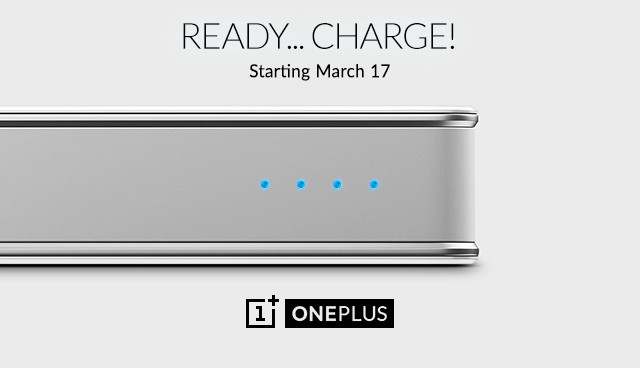
“Ready…Charge!”. The teaser image that OnePlus tweeted last Friday had confirmed the launch day of this Power Bank. It is on March 17th. The device is expected to be sold in all markets that OnePlus currently does business, including the US and Europe.
The OnePlus Power Bank is a 10,000 mAh battery featuring two USB 5V / 2A output, which is approximately 5.5 hours of charging. It also offers built-in protection from overcharging, overheating and short circuits, and 4 LEDs that show you how much battery power remains.
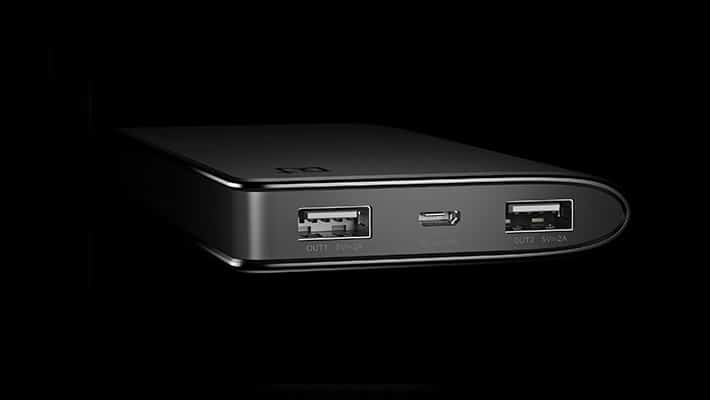
“Featuring world-class lithium-polymer technology, our Power Bank is surprisingly lightweight and easy to tote,” OnePlus boasts. “At the airport or in the great outdoors, never again worry about straying too far from an electrical outlet.”
“Sleek lines, gentle curves, and an emphasis on minimalism”, described by OnePlus, “create the ideal companion for your OnePlus One”. This design makes Power Bank much more attractive than any other external packs. Also, it will be sold in Silk White and Sandstone Black colors, which match the two colors of the OnePlus One smartphone.
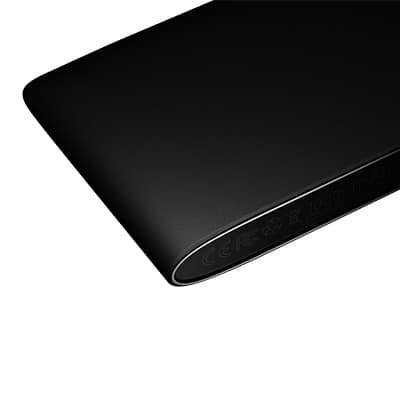
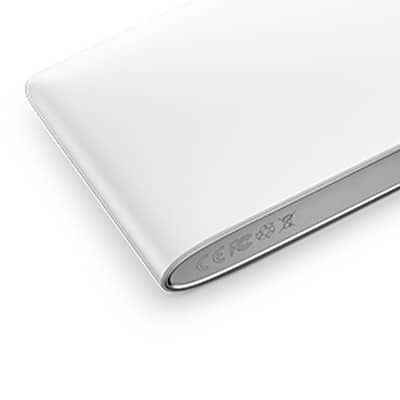
The Power Bank is really an ideal companion of your OnePlus One or other smartphones, tablets if your devices frequently run out of battery before the day ends and you can’t get find any electric outlet nearby.
You May Like
-
Nokia Maze Xtreme 2026 Specs: 200MP Cameras, 12000mAh Battery!
-
Nokia XS Max 2026 Specs: 200MP Cameras, 10600mAh Battery!
-
Nokia P1 Lite 2026 Specs: 200MP Cameras, 11000mAh Battery!
-
Nokia Flash 2026 Specs: 16GB RAM, 200MP Cameras!
-
Sony Xperia Ultra Max Pro Specs: 200MP Cameras, 19100mAh Battery!
-
Nokia A2 Pro Specs: 18GB RAM, 12000mAh Battery!
-
Nokia Royale Max Ultra 2026 Specs: 24GB RAM, 18700mAh Battery!
-
Nokia Play 2 Max 2026 Specs: 24GB RAM, 12000mAh Battery!
-
مواصفات Sony Ericsson Satio 2026: ذاكرة RAM بسعة 16 جيجابايت، وكاميرات بدقة 250 ميجابكسل!
Special deal from Gearbest: Xiaomi Yi Action Camera for just $95.99
Xiaomi is an OEM in China. By launching a couple of new products last January, the company has made its own way to the leading company of the industry. Now, Gearbest conducts this special promotion for all of its customers.
In the last few years, the sport/action camera industry seems to be dominated by GoPro. Sony has also entered the race with its Action Cam, which is considered the direct opponent of GoPro. Now, the Chinese company Xiaomi decides not to stay out of the race anymore and start making action camera as it is their new path of innovation. Besides the Mi Note and Mi Note Pro, Xiaomi did release a new product, Xiaomi Yi Action Camera.
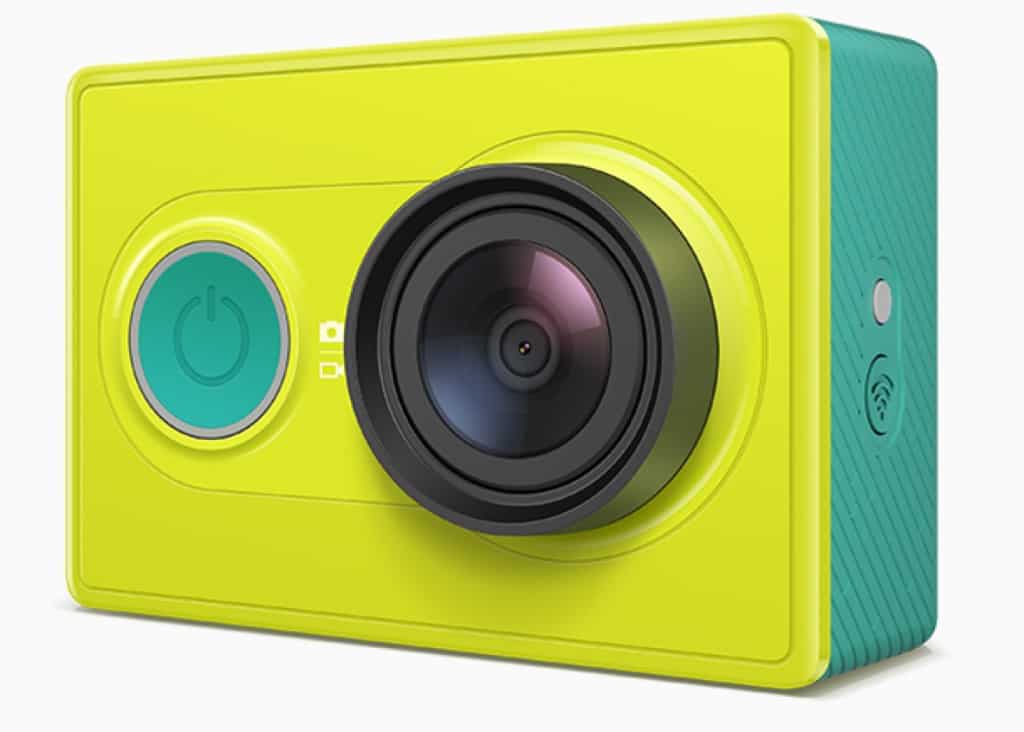
The Yi Action Camera, as is the official name of Xiaomi’s first camera, can record 1080p videos with a 16MP Camera with Sony’s high quality Exmor R BSI CMOS image sensor. That is even better than the Go Pro Camera which comes with a 5MP Camera and 30fp in Full HD or 60fp in HD.
The Yi Action Camera is able to beat other action cameras as well in the internal memory department. The Yi Action Camera comes with 64GB (double of the Go Pro) and just weights 72g, compared to the 111gramm of the Go Pro. As well it has a larger battery. With the Yi Action Camera you can go underwater up to 40 meters, which might be one of the most important features for many of you, bringing it to your holidays.
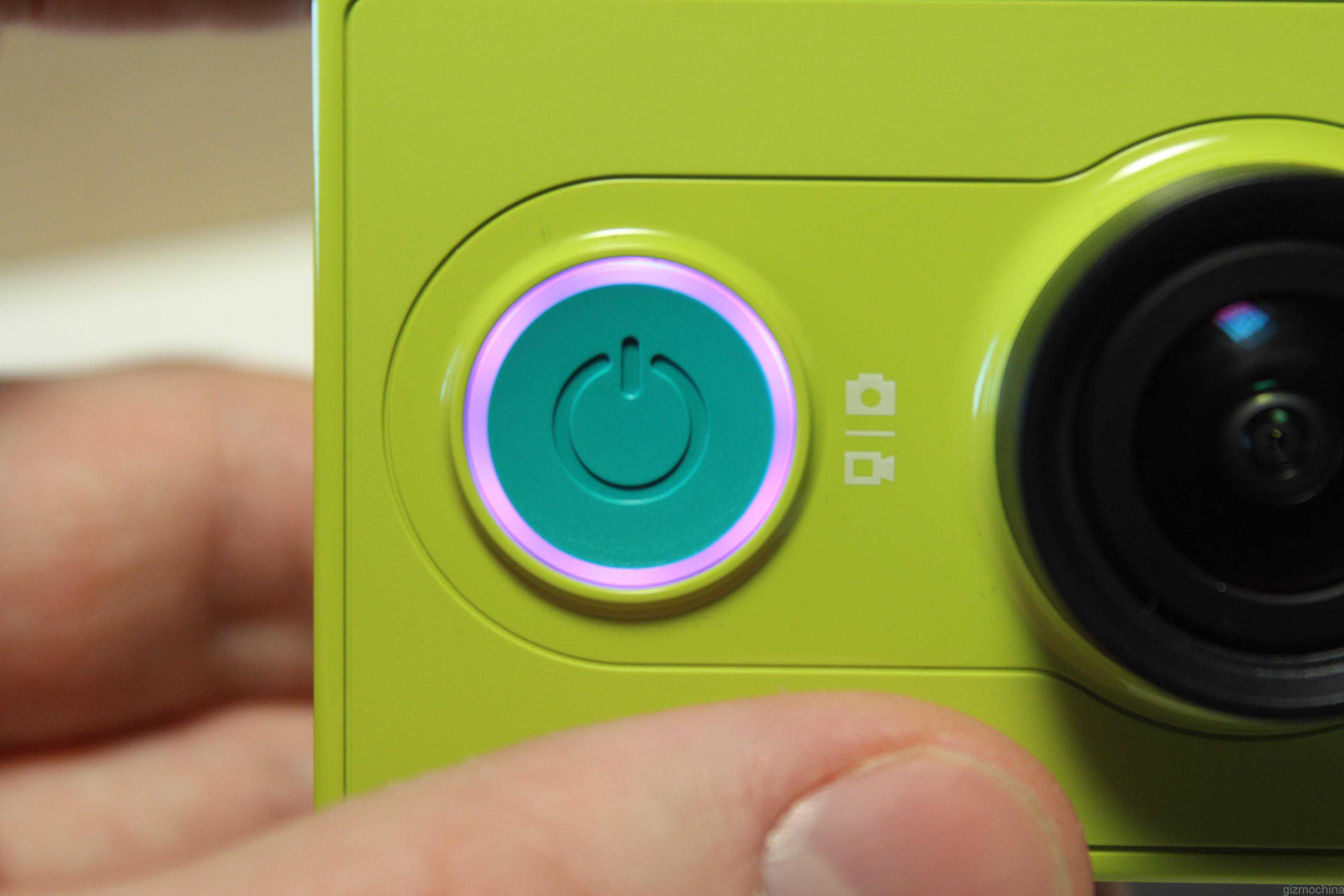
The Design of Yi Action Camera is worth counting as well. Beside its vivid colors, the Yi Action Camera is also well built, weighs only 72g. The producer has brought comforts and convenience for the consumers as the power button is designed to be on the front, which also acts as a camera or video recorder switcher. Other function-buttons are placed wisely to help users get the best experience with the device.
The Yi Action Camera does stick to everything, literally, even to a cat. You can use it with your motorbike, snowboard, surfboard… and enjoy the coolest moment of your trip.

This camera can be controlled via a Xiaomi’s Android app, similar to the Air Purifier and other Xiaomi products.

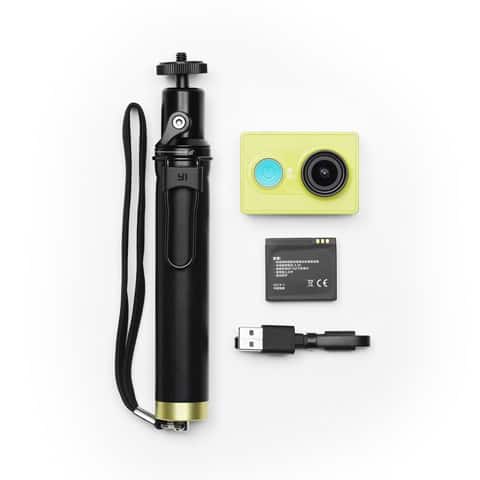
There are 2 editions for you to choose: Travel Edition and Basic Edition. Beside the camera, Travel Edition will come with a Selfie Stick, which is very popular in Asia these days.
Now buy this wonderful camera Xiaomi Yi action Camera for just $95.99 at GearBest. Please use our Special Coupon Code to get to this price. Coupon code: XMXYCAM
You May Like
-
Nokia Maze Xtreme 2026 Specs: 200MP Cameras, 12000mAh Battery!
-
Nokia XS Max 2026 Specs: 200MP Cameras, 10600mAh Battery!
-
Nokia P1 Lite 2026 Specs: 200MP Cameras, 11000mAh Battery!
-
Nokia Flash 2026 Specs: 16GB RAM, 200MP Cameras!
-
Sony Xperia Ultra Max Pro Specs: 200MP Cameras, 19100mAh Battery!
-
Nokia A2 Pro Specs: 18GB RAM, 12000mAh Battery!
-
Nokia Royale Max Ultra 2026 Specs: 24GB RAM, 18700mAh Battery!
-
Nokia Play 2 Max 2026 Specs: 24GB RAM, 12000mAh Battery!
-
مواصفات Sony Ericsson Satio 2026: ذاكرة RAM بسعة 16 جيجابايت، وكاميرات بدقة 250 ميجابكسل!
Meizu Users get Android 5.0 Update this week with Flyme 5.0
We have more good news for Meizu phone users like the Meizu MX4 and MX4 Pro. Meizu Users will get the Android 5.0 Lollipop Update for Meizu with Flyme 5.0 this week.

Meizu’s Flyme Chief Architect Yang Yan said Meizu will release their newest Version of Flyme based on Android 5.0 this week.
Additionally the Microblogging Team “UbuntuUsers” already showed us a screenshot of the Meizu MX4 running on Android 5.0 with Flyme. As you can see in the screenshot the next Flyme Version will be called Flyme 5.0, running on Android 5.02.
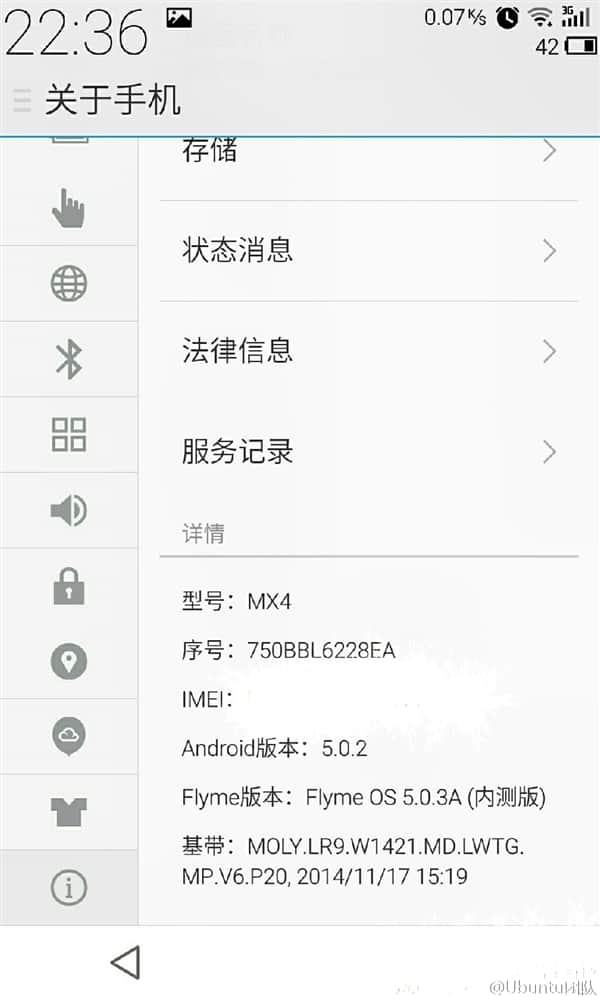
Probably Meizu’s Flagship Meizu MX4 and MX4 Pro will get the update first, later the M1 Note and M1 Mini. We actually like Meizu’s attitude to Operating Systems. At the MWC Meizu presented the Meizu MX4 with Ubuntu Touch Operating System for all Ubuntu fans.

We will definitely keep you updated with news about the Android 5.0 Launch for Meizu this week. In other news Meizu will launch their Meizu M1 Note phablet this week in malaysia officially. For a price of RM699 you get a 5.5″ Full HD display, Octa-Core 64Bit CPU, Dual Sim and 4G LTE.
You May Like
-
Nokia Maze Xtreme 2026 Specs: 200MP Cameras, 12000mAh Battery!
-
Nokia XS Max 2026 Specs: 200MP Cameras, 10600mAh Battery!
-
Nokia P1 Lite 2026 Specs: 200MP Cameras, 11000mAh Battery!
-
Nokia Flash 2026 Specs: 16GB RAM, 200MP Cameras!
-
Sony Xperia Ultra Max Pro Specs: 200MP Cameras, 19100mAh Battery!
-
Nokia A2 Pro Specs: 18GB RAM, 12000mAh Battery!
-
Nokia Royale Max Ultra 2026 Specs: 24GB RAM, 18700mAh Battery!
-
Nokia Play 2 Max 2026 Specs: 24GB RAM, 12000mAh Battery!
-
مواصفات Sony Ericsson Satio 2026: ذاكرة RAM بسعة 16 جيجابايت، وكاميرات بدقة 250 ميجابكسل!
Meizu M1 Note Malaysia Launch: 5.5″ Full HD, 64BIT CPU, 13MP Cam and Dual Sim for RM699
Good news for Malaysia fans. Meizu is officially launching their next phone, the Meizu M1 Note for Malaysia this week.
Anyone fancy, Full HD display, Dual Sim and 4G LTE for an affordable price? The Meizu M1 Note might be a good choice for you. At the moment the Price of the Meizu M1 Note with 16GB will lbe RM699. The Sales will start this week at Meizu’s official page, Lazada Malaysia and Direct D. You can also buy your Meizu Phone at offline at Pearl Point (Old Klang Road), Sungai Wang Plaza, Klang Parade and Direct D Subang.
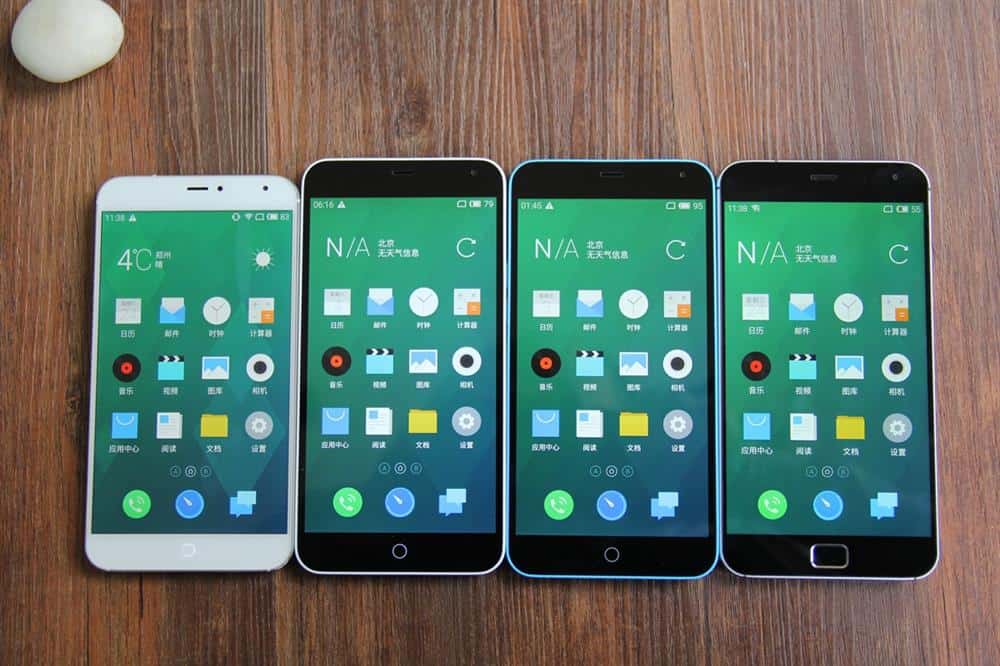
The Meizu M1 Note is directly targeted at Redmi Note fans, with the same display size of 5’5 but better specs in all other areas. It starts with a better Full HD 1920×1080 display and higher specs. The Meizu M1 Note is powered by a 64Bit MTK6752 clocked at 1.7Ghz, coupled with 2GB of RAM. Also the Note supports Dual Sim and 4G LTE, both FDD and TDD. No Micro SD Card is included though to extend the 16GB memory.
Comparison of Meizu M1 Note vs Xiaomi Redmi Note 4G
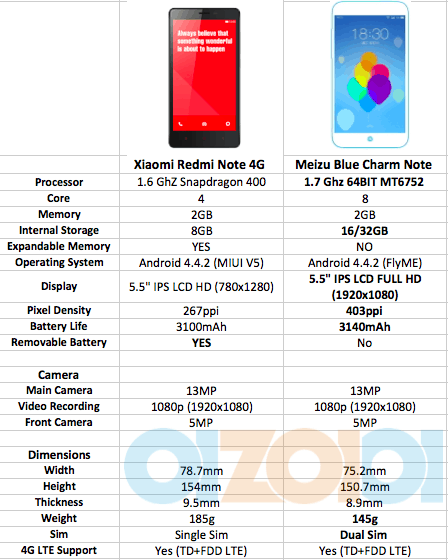
In the Camera department you get a 13MP Samsung Shooter with f2.2 a 5 part lens and a 5MP f2.0 Shooter. Also you have Dual Tone LED flash and a very generous 3140mAh battery. The Meizu Note sports FLyme 4.0, but very likely Meizu will launch Android 5.0 and Flyme 5.0 this week for their phones. The Back of the Note is removable and design wise it reminds pretty much of the iPhone 5c, which is definitely a Pro for us.
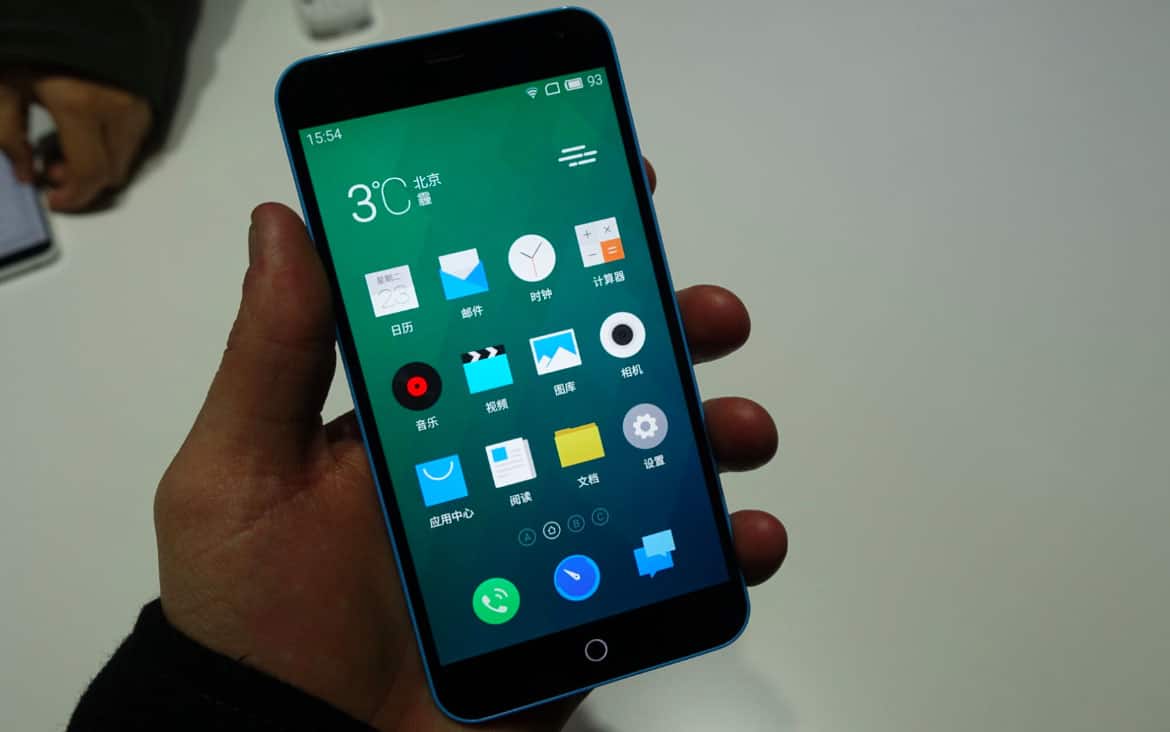
The Meizu M1 Note is definitely a good choice for people looking for an entry phablet with its large 5.5″ Full HD display and the Sub 200USD price tag. It will compete directly with Xiaomi’s Redmi Note 4G, although at this point you might be better advised to go with the Meizu M1 Note. Later on Meizu will also launch their M1 Note Mini, we dont have an official release date yet though.
Read more about the Meizu M1 Note here in our official Meizu M1 Note Launch Post.
You May Like
-
Nokia Maze Xtreme 2026 Specs: 200MP Cameras, 12000mAh Battery!
-
Nokia XS Max 2026 Specs: 200MP Cameras, 10600mAh Battery!
-
Nokia P1 Lite 2026 Specs: 200MP Cameras, 11000mAh Battery!
-
Nokia Flash 2026 Specs: 16GB RAM, 200MP Cameras!
-
Sony Xperia Ultra Max Pro Specs: 200MP Cameras, 19100mAh Battery!
-
Nokia A2 Pro Specs: 18GB RAM, 12000mAh Battery!
-
Nokia Royale Max Ultra 2026 Specs: 24GB RAM, 18700mAh Battery!
-
Nokia Play 2 Max 2026 Specs: 24GB RAM, 12000mAh Battery!
-
مواصفات Sony Ericsson Satio 2026: ذاكرة RAM بسعة 16 جيجابايت، وكاميرات بدقة 250 ميجابكسل!
Xiaomi Mi Note Pro vs Samsung Galaxy S6 Edge: First review
Recently, the Chinese smartphone OEM has unveiled not only a bunch of new technical gadgets but also a couple of new smartphones, Xiaomi Mi Note and Xiaomi Mi Note Pro, which is the flagship of the company. These two smartphones are expected to strengthen the company’s position in the smartphone market. However, it soon found itself in a fierce rivalry with curved-screen Samsung Galaxy S6 Edge. So lets check out our Initial Xiaomi Mi Note Pro vs Samsung Galaxy S6 Edge Review.
Design
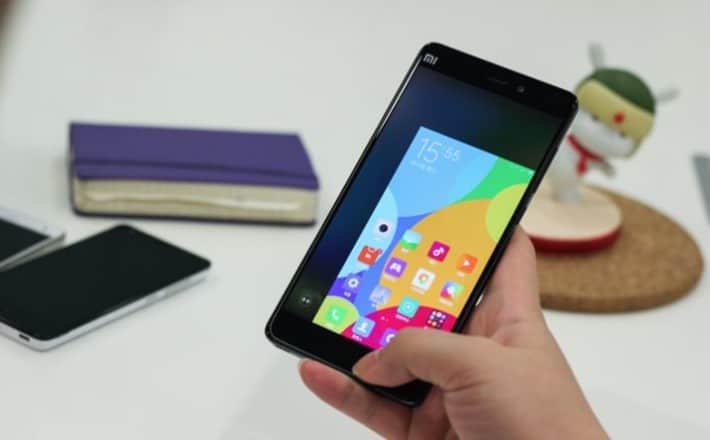
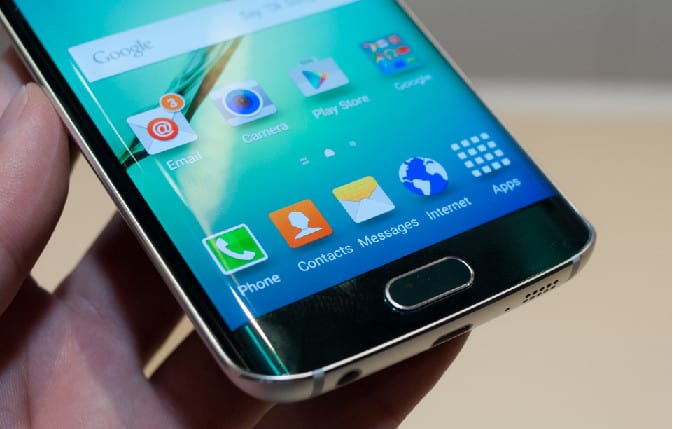
It can be clearly seen that design is where both these smartphones are almost alike. While the Mi Note Pro gets aluminum frame and Corning Gorilla Glass 3 on the front and the back, the Galaxy S6 Edge has a unique display with curved edges sweeping over both sides. It also has aluminum frame and Corning Gorilla Glass 4 on the back panel. Usually, the curved edges on the screen display notifications like new messages, calls, clock,…They even light up with a color assigned to a specific caller.
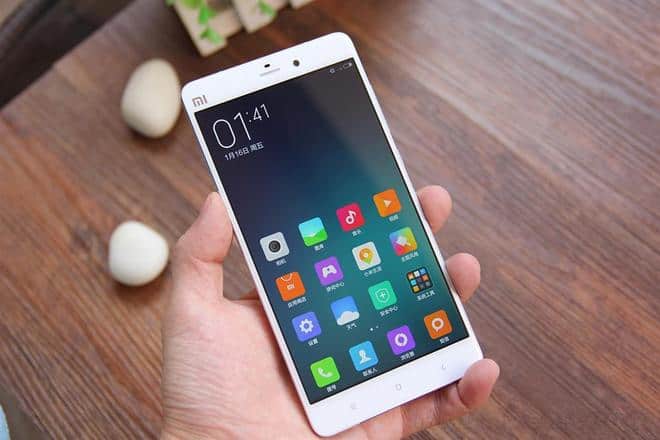
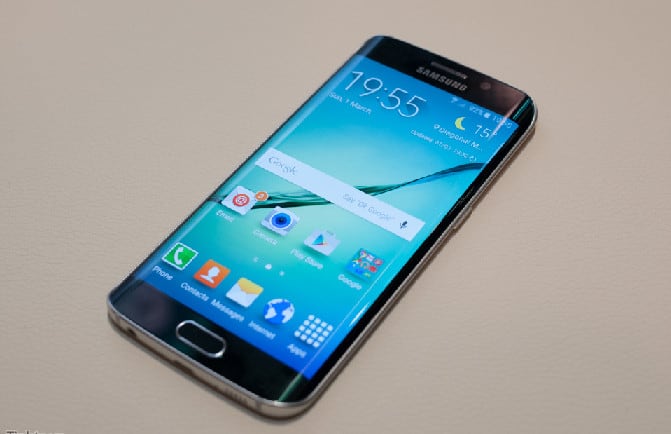
Xiaomi Mi Note Pro vs Samsung Galaxy S6 Edge Display
Xiaomi Mi Note Pro has a qHD IPS LCD measuring 5.7inches with a resolution of 1440×2560 pixels and a density of 515 ppi. This density is pretty high compared to another device in the same segmentation, HTC ONE M9 (441 ppi). Meanwhile, the Galaxy S6 Edge has a 5.1 inch high resolution Quad HD 2560×1440 pixel display with 577ppi. That’s not only the highest pixel count but also the highest pixels per inch (ppi) on any smartphone display.
Xiaomi Mi Note Pro vs Samsung Galaxy S6 Edge Specs
Performance shouldn’t really be a question here as we have Qualcomm’s latest 64-bit octa-core Snapdragon 810, with four cores clocked at 2.0GHz and the other four cores clocked at 1.5GHz and 4GB of RAM powering the Mi Note Pro. As for the Galaxy S6 Edge, Samsung is deploying its very latest in-house octa-core Exynos processors (one quad-core 2.1GHz and one 1.5GHz), the most interesting aspect of which is that they’ve been produced using a 14nm manufacturing process. (The RAM complement is 3GB, and storage runs to 32GB, 64Gb or 128GB).
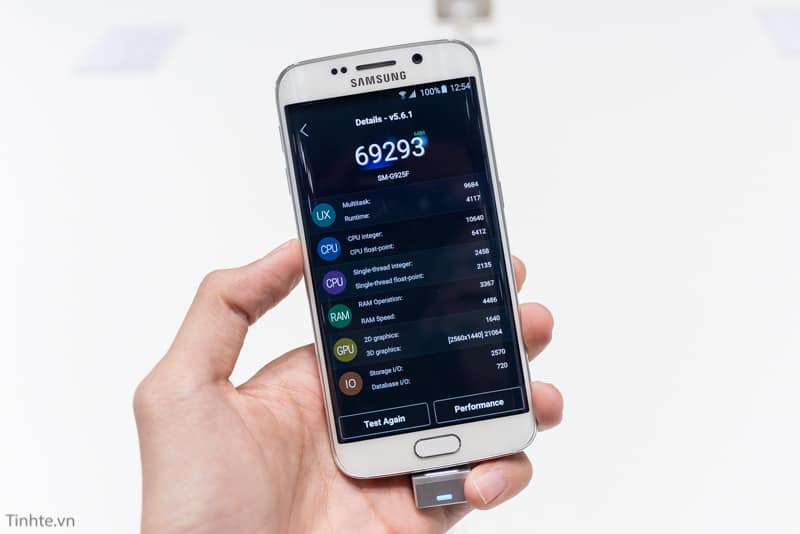
The S6 Edge is now the smartphone with highest Antutu score. Though the Mi Note Pro has not been officially sold in the market, with the score of 46,000 of the Mi Note, we can of hope the score of Mi Note Pro will be more than 52,000. However, the performance of Mi Note Pro is also worth counting.
Battery
The Xiaomi Mi Note Pro does have a hefty 3,000mAh battery inside, which should give you plenty of power. The debut for a 14nm processor in a smartphone should contribute to more efficient running and better battery lifein Galaxy S6 Edge. With Samsung reducing the size of the battery by 200mAh to 2,600mAh, however, we may see no improvement in stamina.
Camera
Follow the trend of high-end smartphones nowadays the Xiaomi Mi Note Pro has a 13MP rear camera along with optical image stabilization included, but the camera does not stick out like Iphone 6 and 6 Plus. The Galaxy S6 Edge has a rear camera with 16MP resolution. This device also has optical image stabilization, which should improve the sharpness of images shot in low light.


The Xiaomi Mi Note Pro and the Galaxy S6 Edge have front camera of 4MP and 5MP resolution, respectively.
Price
The 64 GB Mi Note Pro is priced at $530 without a contract, while the 32 GB Galaxy S6 Edge could be priced between $800 and $850 without a two-year contract.
Conclusion
The main purpose of this article is just a quick comparison between Xiaomi Mi Note Pro and Samsung Galaxy S6 Edge, two newly launched phablets. To whom may like odd and unique design in addition to high technology involved in their smartphone, Samsung Galaxy S6 Edge is a wise choice. Nevertheless, Xiaomi Mi Note Pro, with similar technique, is more suitable for those who have less budget.
Others images of Xiaomi Mi Note Pro










Other images of Samsung Galaxy S6 Edge









You May Like
-
Nokia Maze Xtreme 2026 Specs: 200MP Cameras, 12000mAh Battery!
-
Nokia XS Max 2026 Specs: 200MP Cameras, 10600mAh Battery!
-
Nokia P1 Lite 2026 Specs: 200MP Cameras, 11000mAh Battery!
-
Nokia Flash 2026 Specs: 16GB RAM, 200MP Cameras!
-
Sony Xperia Ultra Max Pro Specs: 200MP Cameras, 19100mAh Battery!
-
Nokia A2 Pro Specs: 18GB RAM, 12000mAh Battery!
-
Nokia Royale Max Ultra 2026 Specs: 24GB RAM, 18700mAh Battery!
-
Nokia Play 2 Max 2026 Specs: 24GB RAM, 12000mAh Battery!
-
مواصفات Sony Ericsson Satio 2026: ذاكرة RAM بسعة 16 جيجابايت، وكاميرات بدقة 250 ميجابكسل!
ASUS ZenFone 2 Video Released: Expected Launch next Month
If you have been following our News than you are likely as excited as we are about the new Asus Zenfone 2. The Zenfone 2 launched already in Taiwan with quite amazing prices and now Asus has launched a new Video to further boost the Asus Zenfone 2.
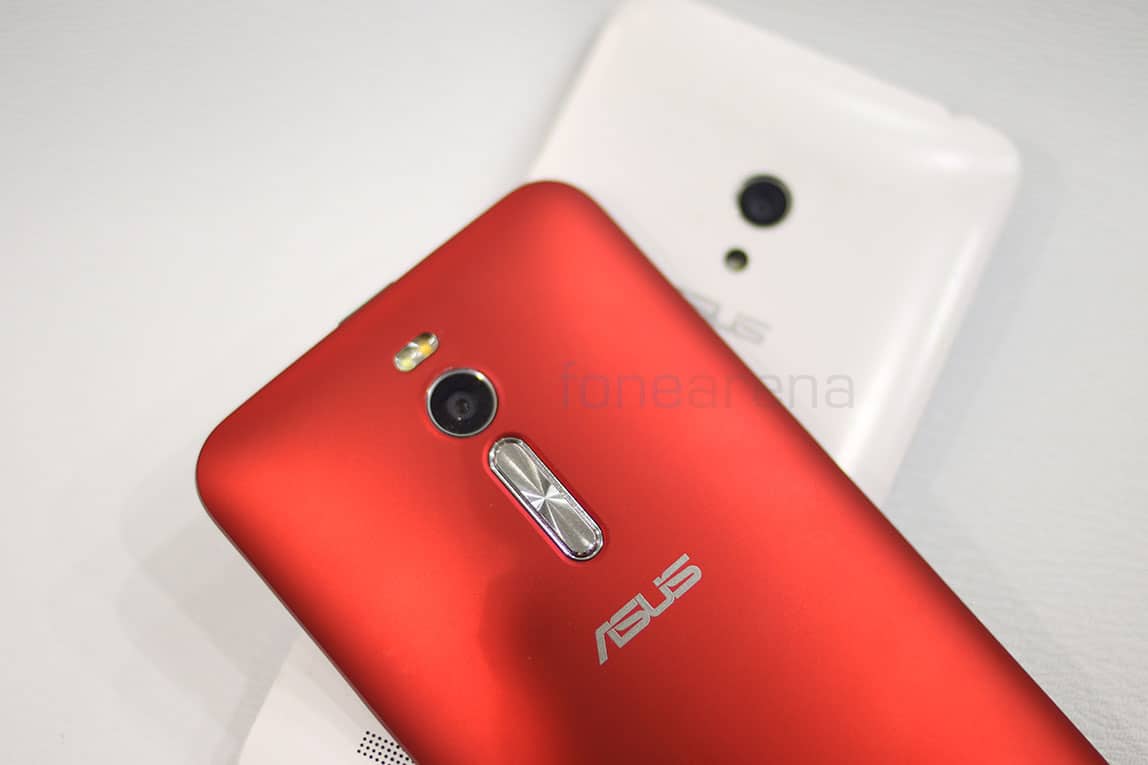
Asus has first introduced the Zenfone 2 with the Zenfone Zoom at the CES 2015 in January. Especially the Premium Version of the Zenfone 2 with 5.5″ Full HD, 64-bit Quad-Core processor, 4GB of RAM, 64GB internal Storage, 3000mAh battery and 13MP Shooter for under 300USD made us quite happy.
Especially because with specs like those of the Asus Zenfone 2, many expected the phone to have a more typical Flagship price in the 600-700USD range. But Asus has apparently done their homework and might have learned from brands like Xiaomi and Meizu. The premium version of the Zenfone 2 with 4GB RAM will take you just 285USD back. If you shoot for the 5″ Version with 2GB RAM and 8MP Shooter, you can get your Zenfone 2 for 185USD already.
Now Asus has relaesed the new Teaser Video and we really hope that the Zenfone 2 will release in as many markets as possible soon. We know already that in Malaysia the Zenfone 2 will come in April and in Philippines in May. Lets hope that other markets follow fast.
Wow – Asus Zenfone 2 right? We cant wait for the Launch here and get our Hands on the phone.
Asus Zenfone 2 Official Launch All Prices and Specs
Asus Zenfone 2 vs Galaxy Note 4
You May Like
-
Nokia Maze Xtreme 2026 Specs: 200MP Cameras, 12000mAh Battery!
-
Nokia XS Max 2026 Specs: 200MP Cameras, 10600mAh Battery!
-
Nokia P1 Lite 2026 Specs: 200MP Cameras, 11000mAh Battery!
-
Nokia Flash 2026 Specs: 16GB RAM, 200MP Cameras!
-
Sony Xperia Ultra Max Pro Specs: 200MP Cameras, 19100mAh Battery!
-
Nokia A2 Pro Specs: 18GB RAM, 12000mAh Battery!
-
Nokia Royale Max Ultra 2026 Specs: 24GB RAM, 18700mAh Battery!
-
Nokia Play 2 Max 2026 Specs: 24GB RAM, 12000mAh Battery!
-
مواصفات Sony Ericsson Satio 2026: ذاكرة RAM بسعة 16 جيجابايت، وكاميرات بدقة 250 ميجابكسل!
Ulefone Dare N1 Leak – IPhone 6 Design and 4GB RAM?
We have a new leaked picture, showing us what Ulefone’s new Flagship the Dare N1 will look like.
Ulefone just started out in China this year, with the Ulefone Be Pro. The Be Pro was clearly inspired by the OnePlus One but sold with a much cheaper price. This concept of “borrowing designs” but lowering prices, has served Ulefone very well and they hope to gain further market with their newest Ulefone Dare N1.
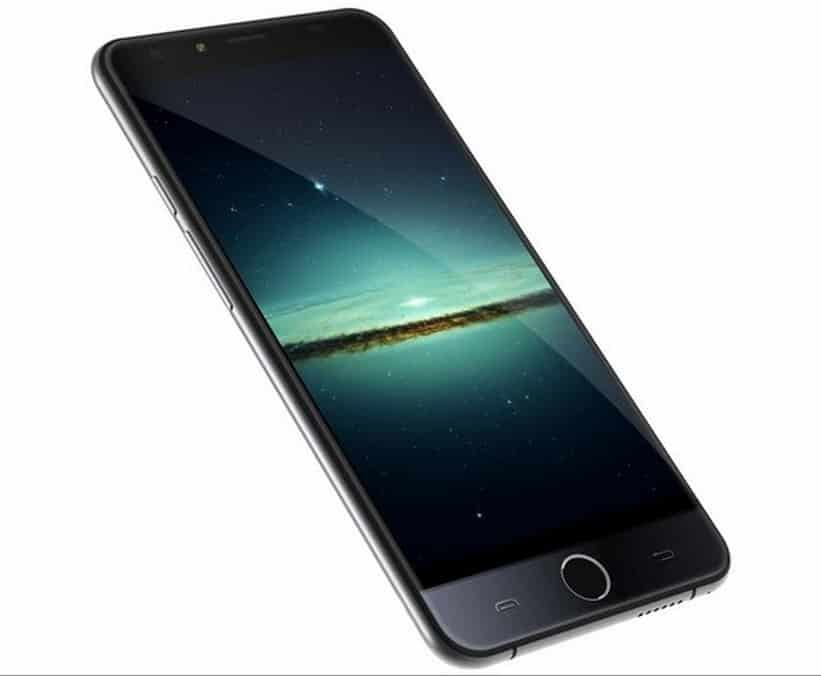
The image you can see above is a render of the new Ulefone Dare 1 from their marketing materials. As you can see the design is pretty close to the iPhone 6 with a very similar Alloy case and also home button. Additionally you get the Android Navigation and home buttons. Probably Ulefone will even include the fingerprint recognition, same with the iPhone.
Ulefone Be Pro Design, reminds pretty strongly of the OnePlus One
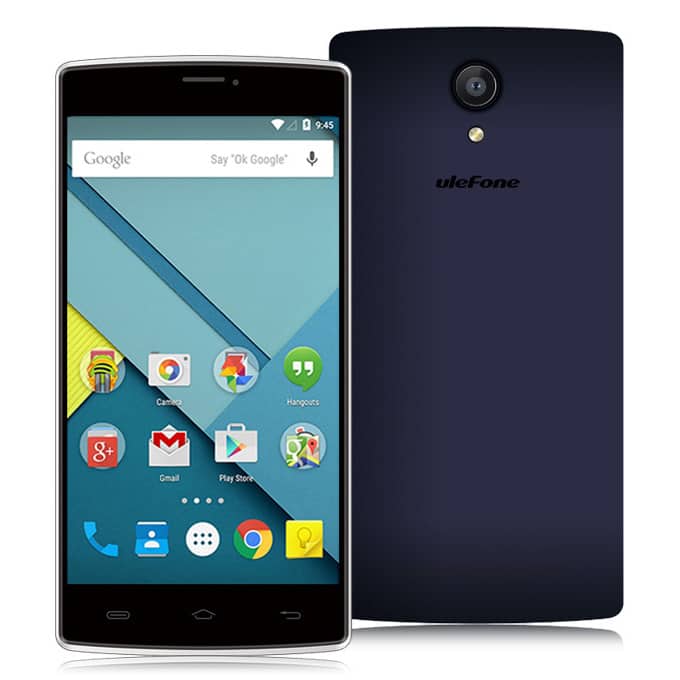
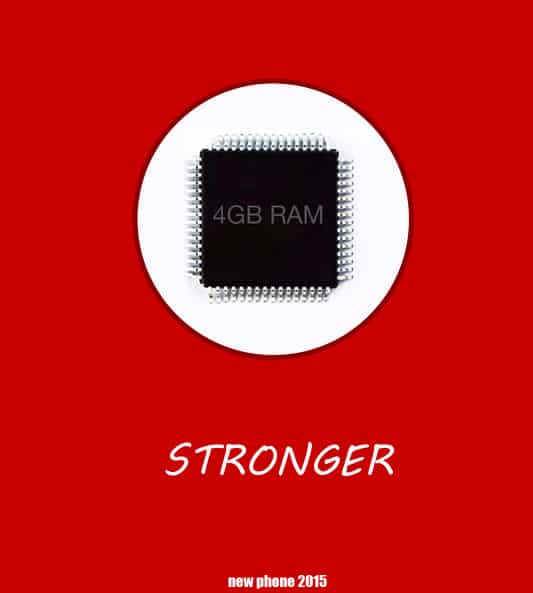
So far we dont have the official Ulefone Specs yet, but according to our sources the Ulefone Dare 1 will come with OctaCore CPU, 5.5″ HD Display and a 13MP Main Camera. Some reports are suggesting that Ulefone Dare N1 might have 4GB RAM as you can see on the teaser, to compete with the Asus Zenfone2. We are not sure yet, if the Ulefone Dare 1 will get 4GB RAM or another Ulefone device for 2015.
Ulefone’s 4GB RAM Teaser
Do you think Ulefone is bold enough to launch this iPhone 6 Clone, the Dare 1 very soon?
You May Like
-
Nokia Maze Xtreme 2026 Specs: 200MP Cameras, 12000mAh Battery!
-
Nokia XS Max 2026 Specs: 200MP Cameras, 10600mAh Battery!
-
Nokia P1 Lite 2026 Specs: 200MP Cameras, 11000mAh Battery!
-
Nokia Flash 2026 Specs: 16GB RAM, 200MP Cameras!
-
Sony Xperia Ultra Max Pro Specs: 200MP Cameras, 19100mAh Battery!
-
Nokia A2 Pro Specs: 18GB RAM, 12000mAh Battery!
-
Nokia Royale Max Ultra 2026 Specs: 24GB RAM, 18700mAh Battery!
-
Nokia Play 2 Max 2026 Specs: 24GB RAM, 12000mAh Battery!
-
مواصفات Sony Ericsson Satio 2026: ذاكرة RAM بسعة 16 جيجابايت، وكاميرات بدقة 250 ميجابكسل!
Cheaper HTC ONE E9 Launch: 5.5″ QHD, 64-Bit Octa-Core CPU, 3GB RAM and 20.7MP!
We have good news for all HTC ONE M9 fans who might not want to spend a fortune on their new phone. Today HTC’s new E9 phablet has passed certification in China – with nearly identical specs as the HTC ONE M9 but much cheaper price and larger 5’5″ display.
The HTC ONE E9 passed Certification by China’s TENAA and from this source we also have the HTC ONE E9’s specs for you. The phone comes with a 5.5″ 2K QHD display with 2560 × 1440 resolution. Instead of Snapdragon 810, the HTC ONE E9 comes with Mediatek’s new very strong Flagship MT6795 64BIT Octacore CPU, clocked at 2GHZ and coupled with 3GB of RAM. The HTC ONE E9 has 32GB of internal memory and supports up to 128GB of internal memory via micro sd.
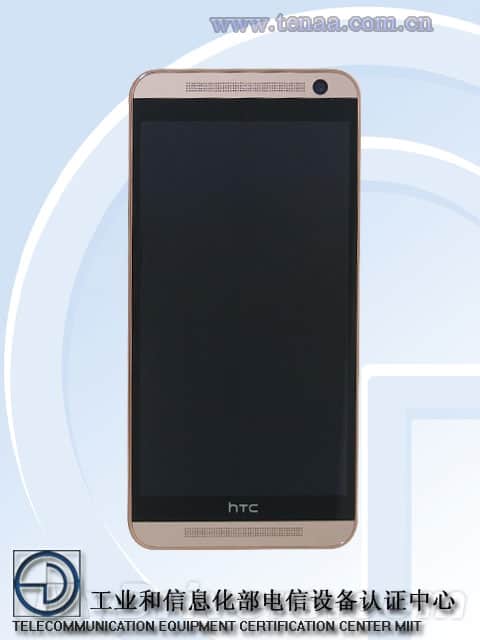
It looks like the cheaper HTC ONE E9 also gets the same camera set up as the premium HTC ONE M9. The Main Camera of HTC’s new phone is the 20.7MP Sensor and looks to be the same as one M9. For the Selfie Shooter the E9 boasts the 4MP Ultrapixel Camera we know from the M8 and M9. Of course the E9 phone will run on Android L with HTC’s Sense UI. At 156.5 × 76.5 × 7.54mm the phone is of course a bit bigger and thicker then HTC’s current One M9. The battery will be at 2800mAH.
HTC ONE E9 TENAA Certification Pics
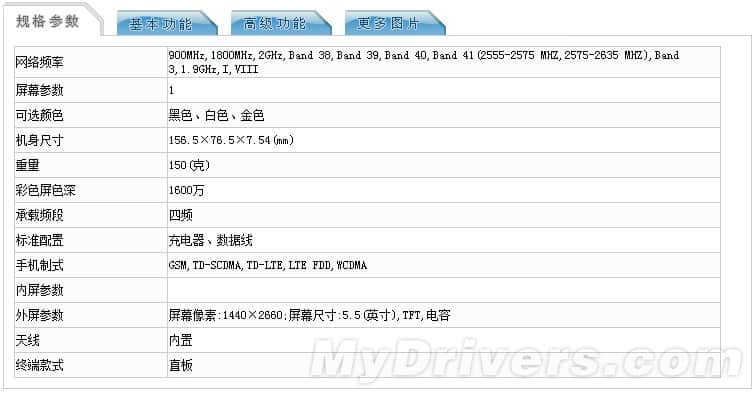
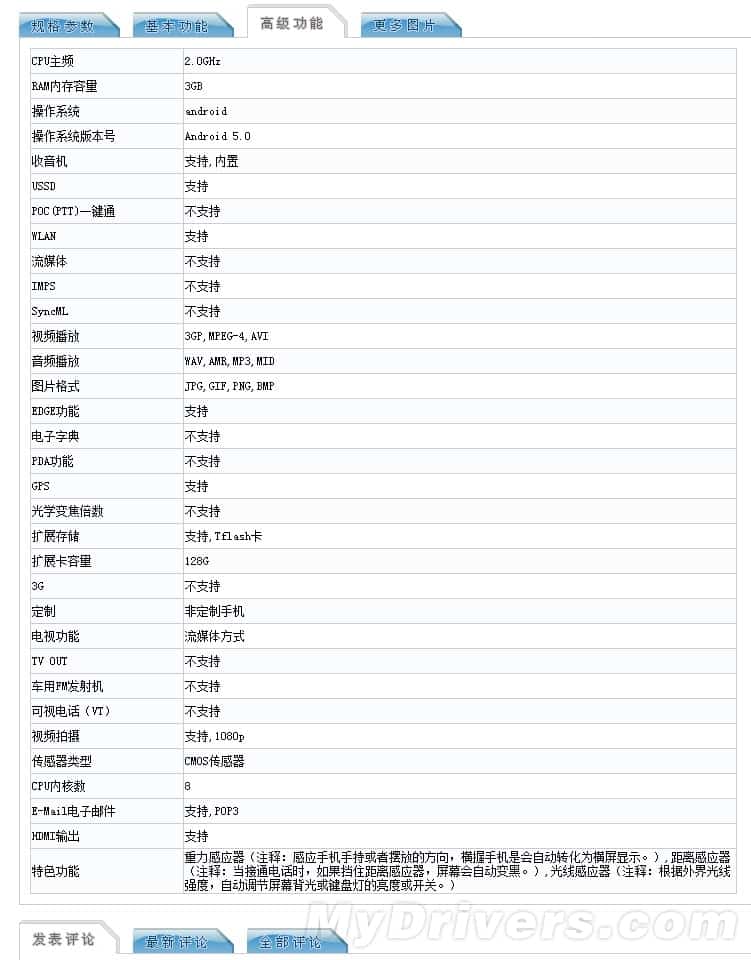
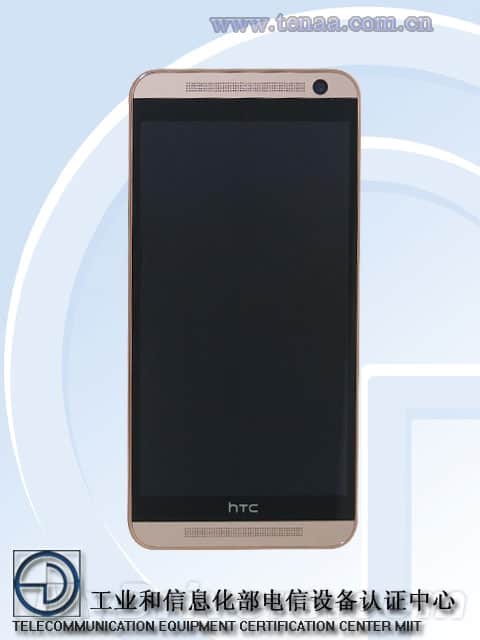
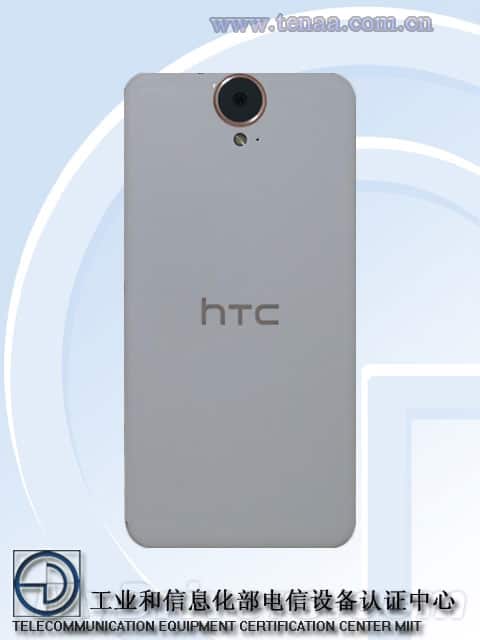
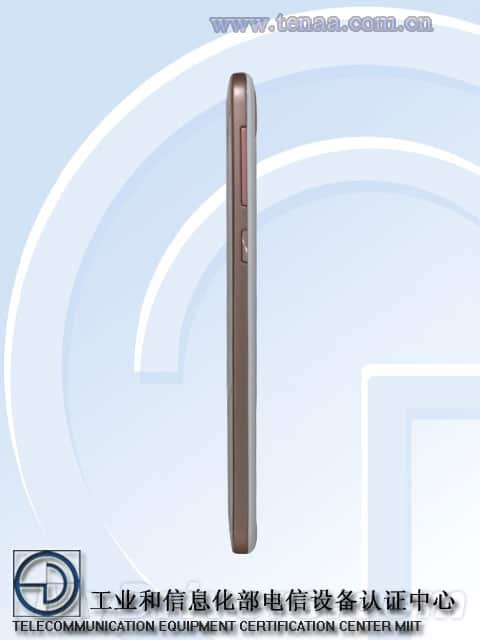
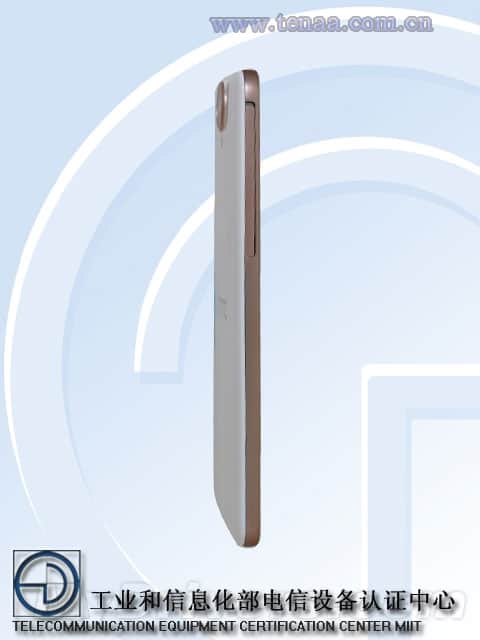
As you can see on the pictures from the TENAA Certification, the phone actually follows HTC’s style patterns. The metal of the One M8 and M9 series is replaced by polycarbonate though. Similar to the One M9 you can see the huge 20.7MP Camera on the back. In the white version the phone comes with golden borders, but will be available in Black as well.
HTC ONE E9 Launch Event Invitation
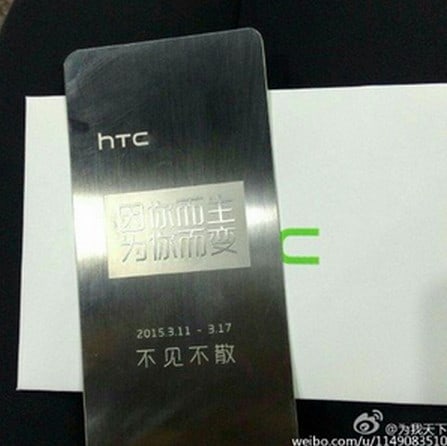
HTC is already sending out invitations for the HTC ONE E9 Release Event in China from 11-17th March this week, where they also might launch a larger HTC M9 Plus and new Version of HTC’s Sense UI. According to Phonearena the E9 will be sold as low as 320USD in CHINA, which would be a very good price for such a high speced phone.
You May Like
-
Nokia Maze Xtreme 2026 Specs: 200MP Cameras, 12000mAh Battery!
-
Nokia XS Max 2026 Specs: 200MP Cameras, 10600mAh Battery!
-
Nokia P1 Lite 2026 Specs: 200MP Cameras, 11000mAh Battery!
-
Nokia Flash 2026 Specs: 16GB RAM, 200MP Cameras!
-
Sony Xperia Ultra Max Pro Specs: 200MP Cameras, 19100mAh Battery!
-
Nokia A2 Pro Specs: 18GB RAM, 12000mAh Battery!
-
Nokia Royale Max Ultra 2026 Specs: 24GB RAM, 18700mAh Battery!
-
Nokia Play 2 Max 2026 Specs: 24GB RAM, 12000mAh Battery!
-
مواصفات Sony Ericsson Satio 2026: ذاكرة RAM بسعة 16 جيجابايت، وكاميرات بدقة 250 ميجابكسل!
New Details about 63USD Xiaomi phone with 4G LTE
We heard the first rumors about a ultra low cost Xiaomi Redmi back in December after Xiaomi invested in the chinese semiconductor CPU company leadcore. Now we get finally more details about this ultra low cost device that passed certification earlier this year already in China.
Originally the Xiaomi Redmi Series, with the new Redmi 2 is Xiaomi’s their low cost series. Since the Launch of the original Xiaomi Redmi though, there have been more and more competitors with equally well phones at similiar prices, eating away at the market share of the Redmi Series. The Launch of Redmi 2 in Singapore and Malaysia cant be compared to in popularity to other Xiaomi phone launches like the Redmi Note or a potential Mi Note Launch.
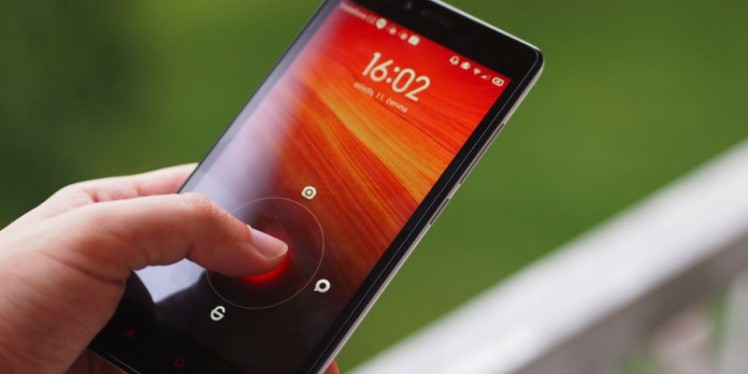
Xiaomi is not ready to give up on the low cost market though and are now rumoured to launch a device as low as 399 Yuan, which is 63USD or RM235. This would surely enter the Chinese Smartphone market in a new Era of Price Wars. At the moment the cheapest Redmi 2 sells for 699Yuan in China, so a new Xiaomi phone for just 399Yuan would really be a novelty, especially with the following specs.
The ultra affordable new Xiaomi Phone got approval in TENAA earlier this year
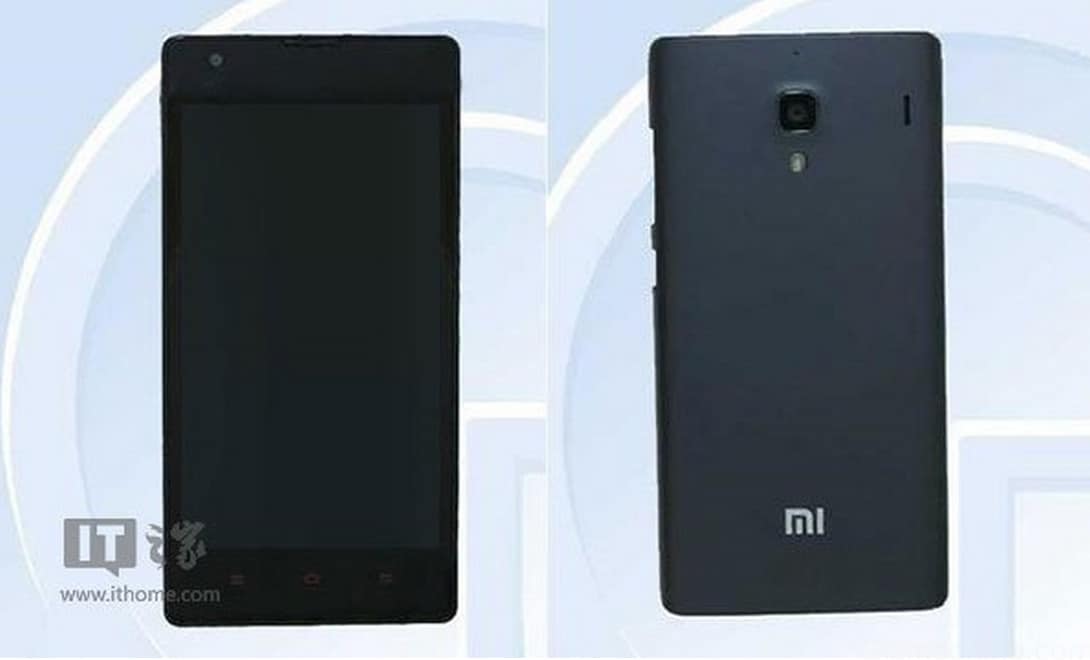
According to our reports the new phone will feature also a 4.7″ HD 720p display, 1GB of RAM and a quad-core Cortex A7 processor coupled with a dual-core Mali T628GPU. From our previous infos we know already the phone will have a design similiar to the Redmi 1S and comes with LTE. This makes this phone definitely a deal and a bargain. The CPU is very likely the Leadcore 1860, that can be theoretically be clocked up to 2Ghz Also the chip can support 1080p Full HD VIdeos and 2K displays, also not likely in a 65USD device.
Xiaomi Mi Note available to buy now Lazada.com.my
Conclusion: It looks like Xiaomi is preparing to rage a price war in China with their newest phone for just 399Yuan or 63USD. As mentioned earlier the phone got already TENAA Approval in China, so its just a matter of time till we see the launch. If Xiaomi really manages to produce a cheap device like this, we are that it will sell like hotcakes, especially in huge markets like India, but of course also in there home market China and SEA.
[socialpoll id=”2257534″]
You May Like
-
Nokia Maze Xtreme 2026 Specs: 200MP Cameras, 12000mAh Battery!
-
Nokia XS Max 2026 Specs: 200MP Cameras, 10600mAh Battery!
-
Nokia P1 Lite 2026 Specs: 200MP Cameras, 11000mAh Battery!
-
Nokia Flash 2026 Specs: 16GB RAM, 200MP Cameras!
-
Sony Xperia Ultra Max Pro Specs: 200MP Cameras, 19100mAh Battery!
-
Nokia A2 Pro Specs: 18GB RAM, 12000mAh Battery!
-
Nokia Royale Max Ultra 2026 Specs: 24GB RAM, 18700mAh Battery!
-
Nokia Play 2 Max 2026 Specs: 24GB RAM, 12000mAh Battery!
-
مواصفات Sony Ericsson Satio 2026: ذاكرة RAM بسعة 16 جيجابايت، وكاميرات بدقة 250 ميجابكسل!
Asus Zenfone 2 Official Launch: All Prices and Specs from the Launch Event in Taiwan
We have very good news for all Asus Zenfone 2 fans. Asus officially released the new Asus Flagship, the Zenfone 2 today in Taiwan in front of more then 1000 Zenfans in the National Taiwan University Sports Center in Taipei.
The Zenfone 2 just won the prestigious IF Design Award and now we finally know all specs. Especially the Zenfone 2 4GB RAM price was long awaited, and Asus does not disappoint!
Check our Asus Zenfone 2 Specs Comparison
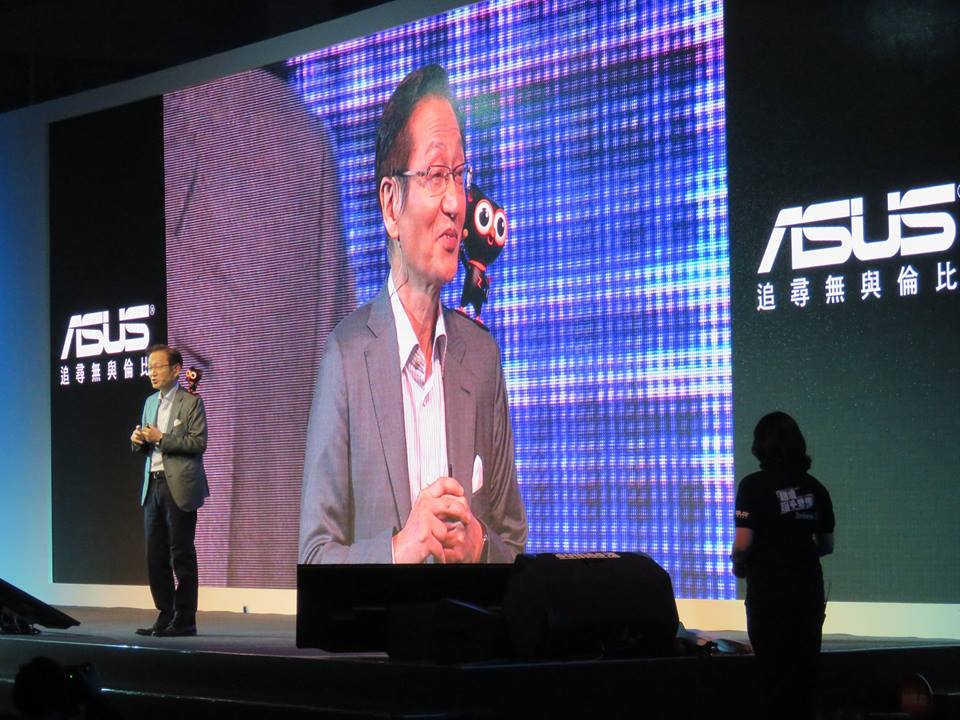
Asus’s Chairman Jonney Shih introduced the Zenfone together with Intel Vice President Kapan Robert Swinnen and Asus CEO Jerry Shen. Mr Shinh said about the Asus Zenfone 2 “The ZenFone 2 series will build on the resounding success of the ZenFone,”, further he said “ZenFone 2 embodies every aspect of the ASUS brand spirit—In Search Of Incredible—and we look forward to introducing this empowering luxury worldwide with upcoming launch events in China, Hong Kong, France, Russia, Japan, Indonesia, India, and the United States.” In Malaysia the Zenfone 2 is launching in April 2015, same as India and more countries.
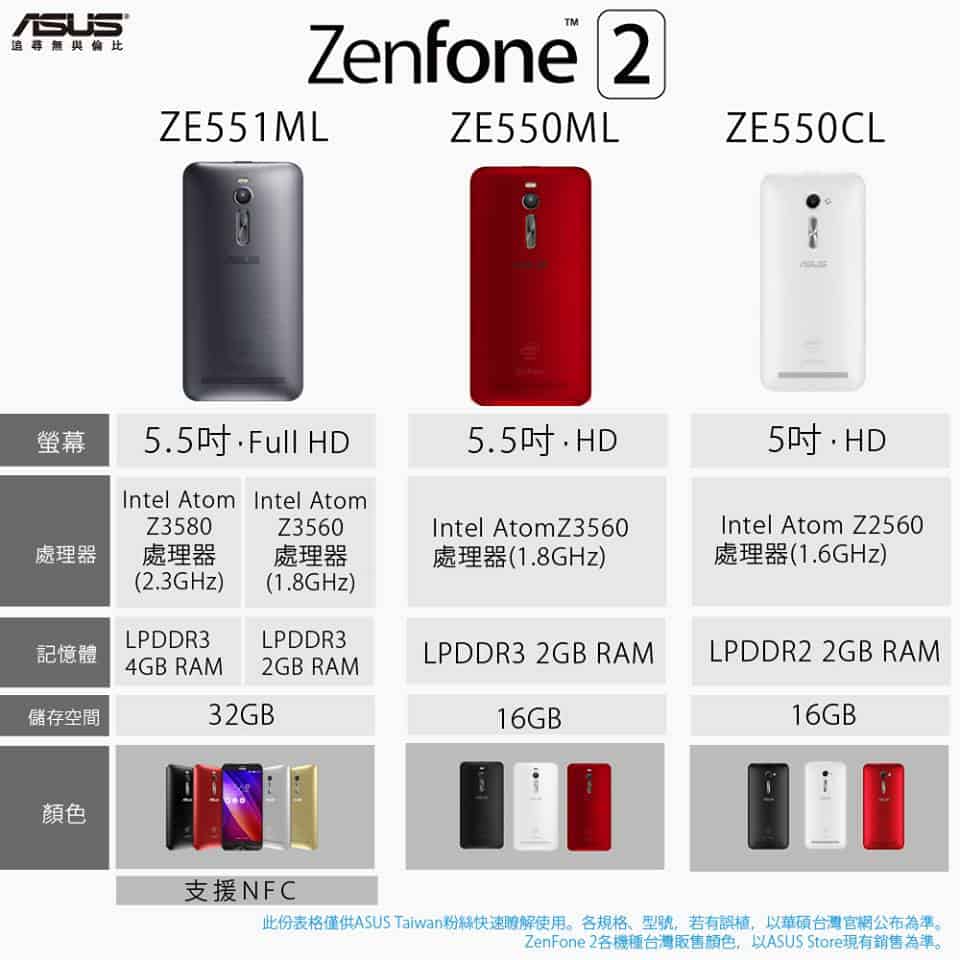
Everything about Asus Zenfone 2 you need to know
As we reported earlier Asus will release 3 versions of their new Asus Zenfone 2. The Standard Version Asus Zenfone 2 ZE550 ML will come with 5.5″ HD display, Intel Atom Z3560 clocked at 1.8Ghz and 2GB of RAM and 16GB of internal memory. Additionally Asus will launch their Premium Asus Zenfone 2 Version, the Asus Zenfone 2 ZE551ML. The Asus Zenfone 2 with 2GB RAM scores already more then 50.000 points on Antutu
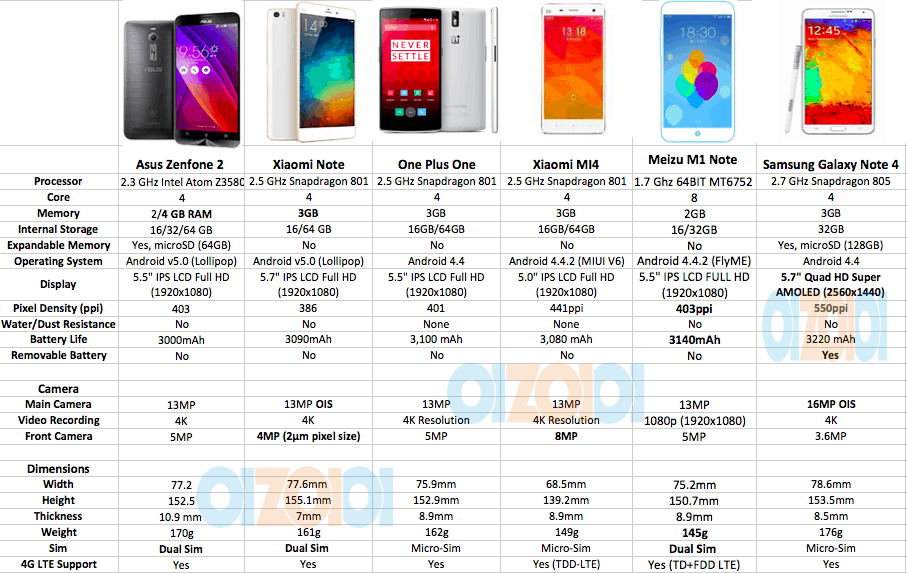
The Asus Zenfone 2 in its highest configuration comes with Intel Atom Z3580 clocked at 2.3GHZ, 4GB LDDR3 RAM and 32GB of internal memory.In our earlier reports we also mentioned that Asus will launch a smaller 5″ Asus Zenfone 2 Version and Asus officially confirmed this today. The cheaper Asus Zenfone 2 ZE550CL comes with 5″ HD display, Intel Atom Z2560 clocked at 1.6 Ghz, 2GB of LDD3 RAM and 16GB internal memory. The cheaper Zenfone Version will be priced at 4990 Taiwanese USD, that is 159USD or RM583.
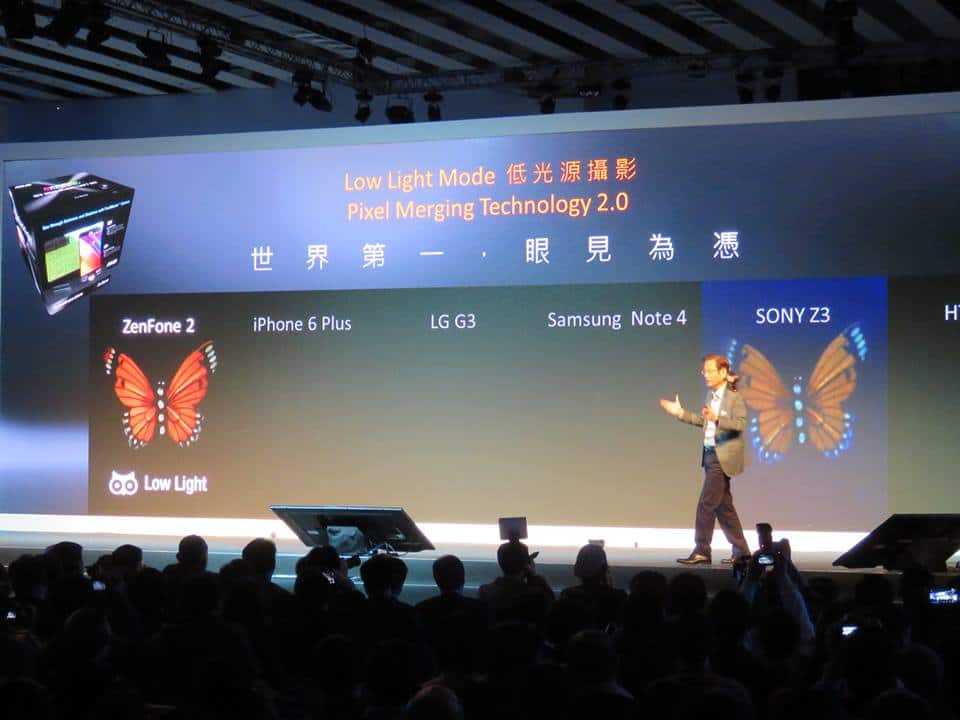
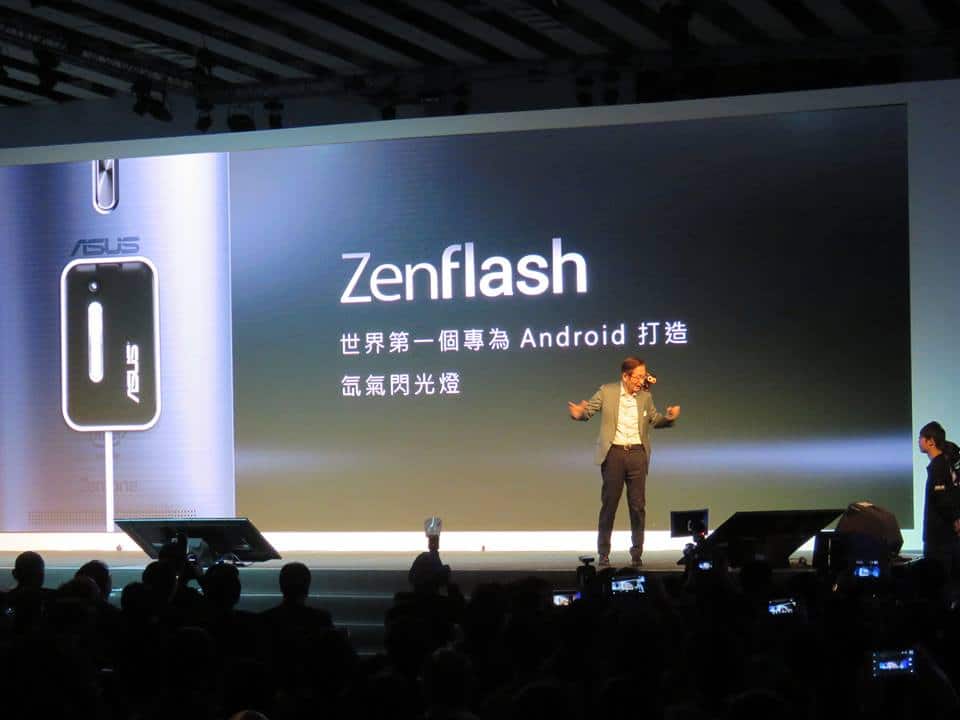
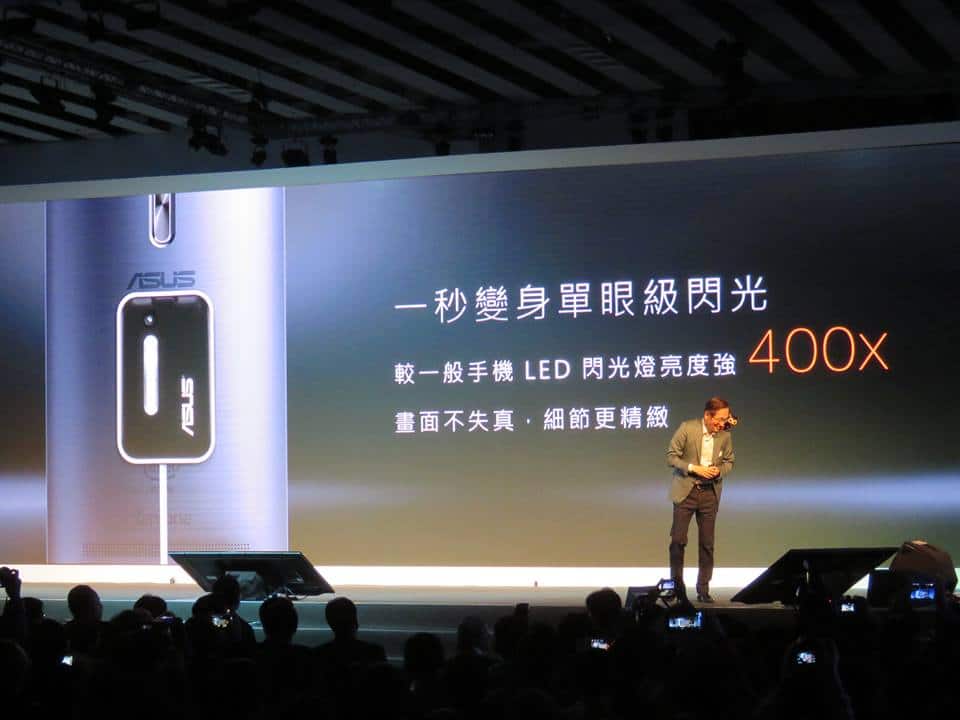
As you can see Asus especially mentioned the 13MP Shooter with Asus’s low light technology and the 5MP Front Shooter in their presentation. And according to our first Zenfone 2 Camera Samples especially in low light the Zenfone 2 Camera is really amazing.
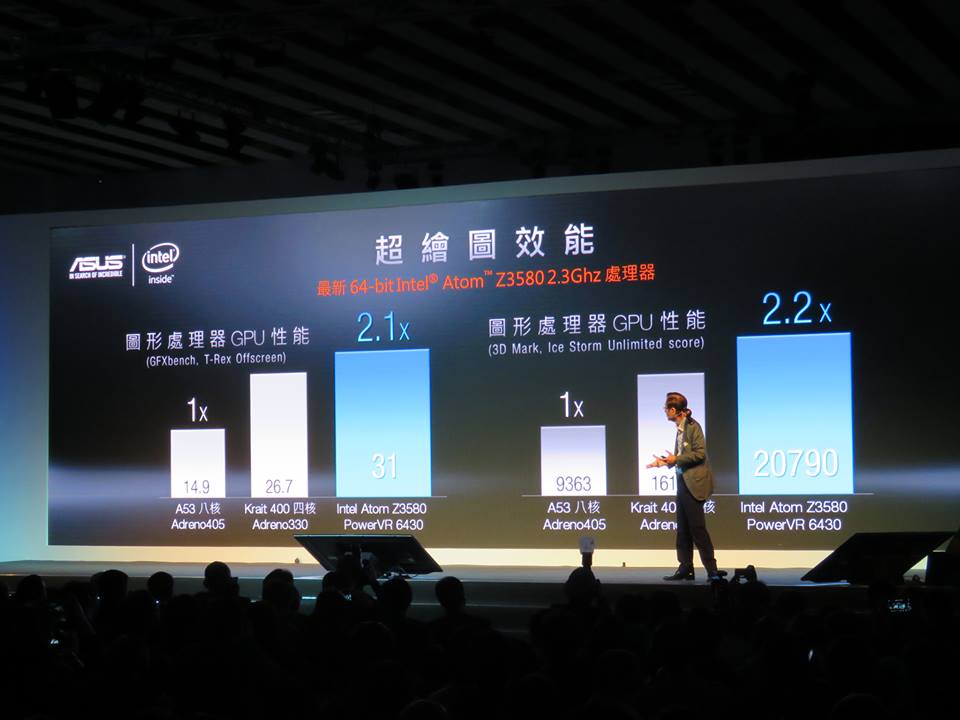
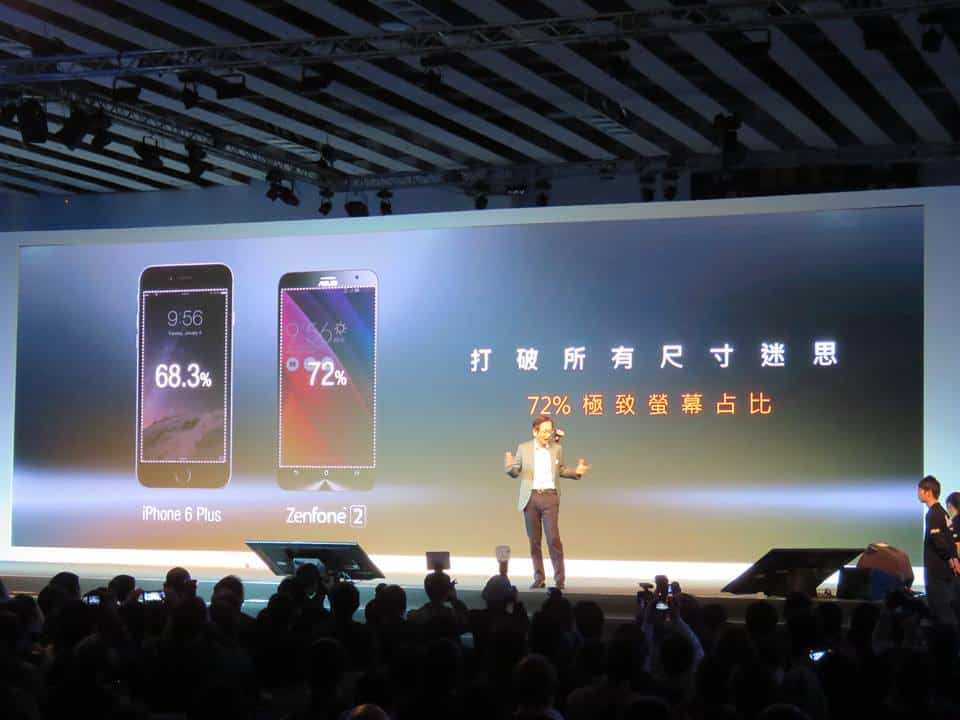
And of course Asus compared to the Zenfone 2 in other categories as the Intel CPU to the newest Snapdragon CPU’s. Also Asus showed that the Screen to Body Ratio on the Asus Zenfone 2 can actually beat the Apple iPhone 6 Plus.
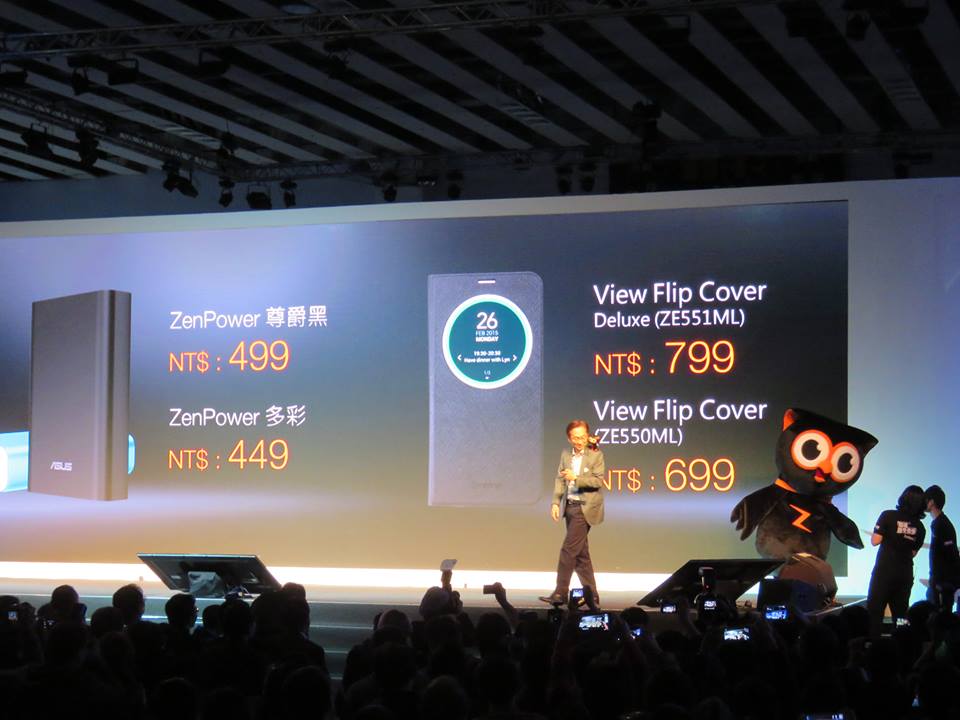
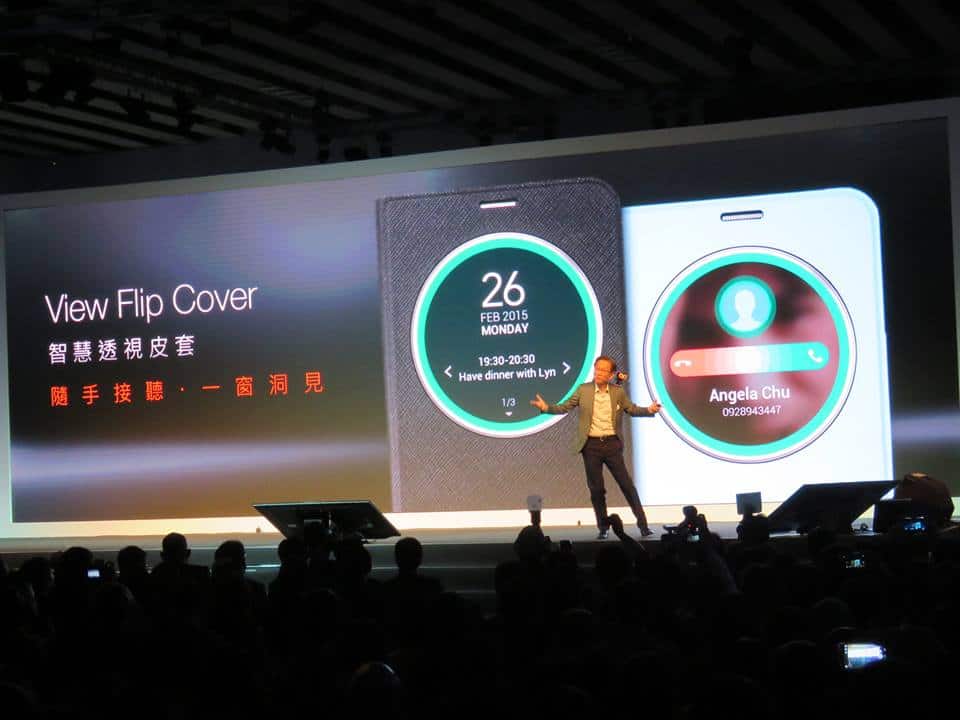
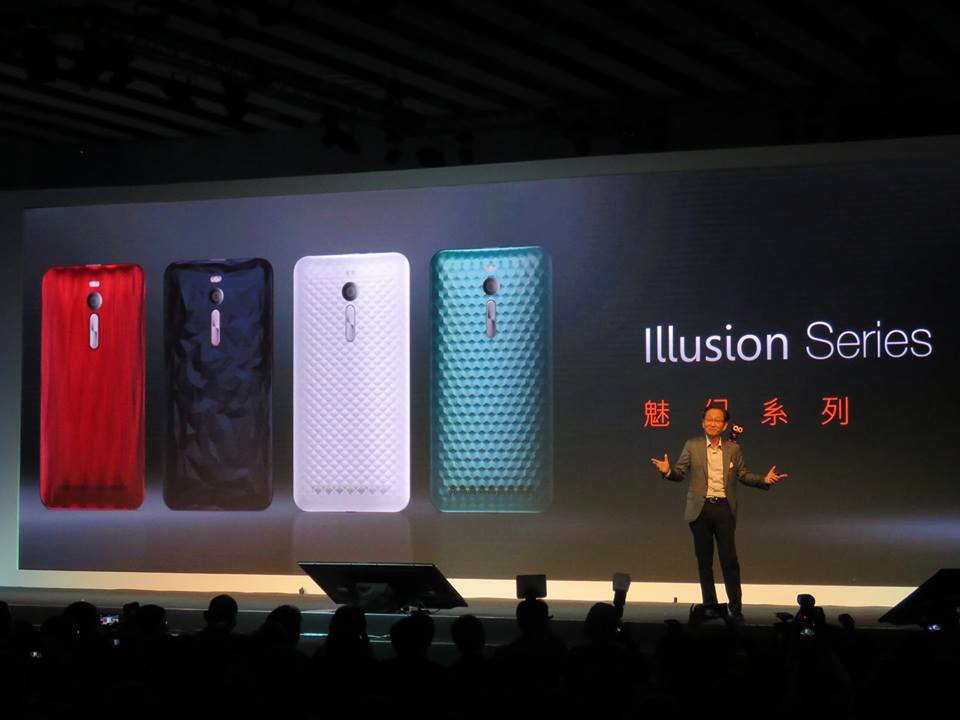
Also Asus will release additional colors for the Zenfone 2 in their Asus Zenfone 2 Illusion Series. And as we reported earlier they also have a Zenfone Powerbank and FlipCovers.
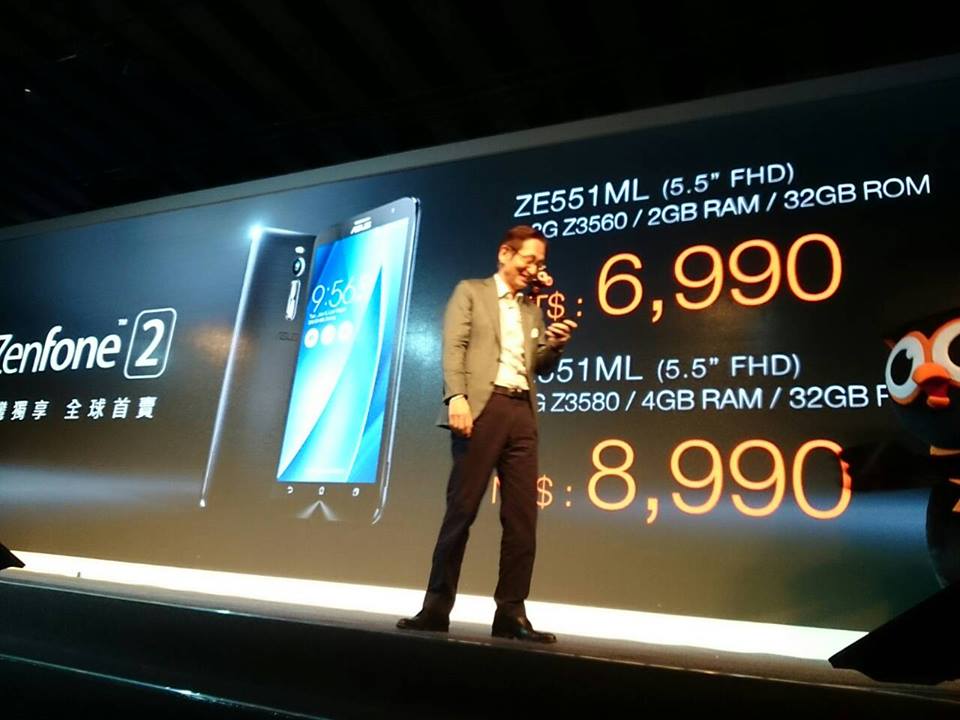
And now we have the news that you all have waited for – we think very good news for Asus Fans. The Zenfone 2 proofs that all other phones are too pricey. As we expected the Asus Zenfone 2 2GB RAM Price will be 6990 Taiwanese Dollar, which translates to 222USD or RM816. The Zenfone 2 4GB RAM Version Price is 8990 Taiwanese Dollar, that is 285USD or RM1050. The Asus Zenfone 2 will officially launch in more countries like Malaysia in April.
Also Read:
Asus Zenfone 2 versus Xiaomi Note Review – Which one to choose?
Asus Zenfone 2 versus Samsung Galaxy Note 4
5 Reasons why the Asus Zenfone 2 is the best phone under 250USD
You May Like
-
Nokia Maze Xtreme 2026 Specs: 200MP Cameras, 12000mAh Battery!
-
Nokia XS Max 2026 Specs: 200MP Cameras, 10600mAh Battery!
-
Nokia P1 Lite 2026 Specs: 200MP Cameras, 11000mAh Battery!
-
Nokia Flash 2026 Specs: 16GB RAM, 200MP Cameras!
-
Sony Xperia Ultra Max Pro Specs: 200MP Cameras, 19100mAh Battery!
-
Nokia A2 Pro Specs: 18GB RAM, 12000mAh Battery!
-
Nokia Royale Max Ultra 2026 Specs: 24GB RAM, 18700mAh Battery!
-
Nokia Play 2 Max 2026 Specs: 24GB RAM, 12000mAh Battery!
-
مواصفات Sony Ericsson Satio 2026: ذاكرة RAM بسعة 16 جيجابايت، وكاميرات بدقة 250 ميجابكسل!
Xiaomi Redmi 2 Launches in Malaysia and Singapore
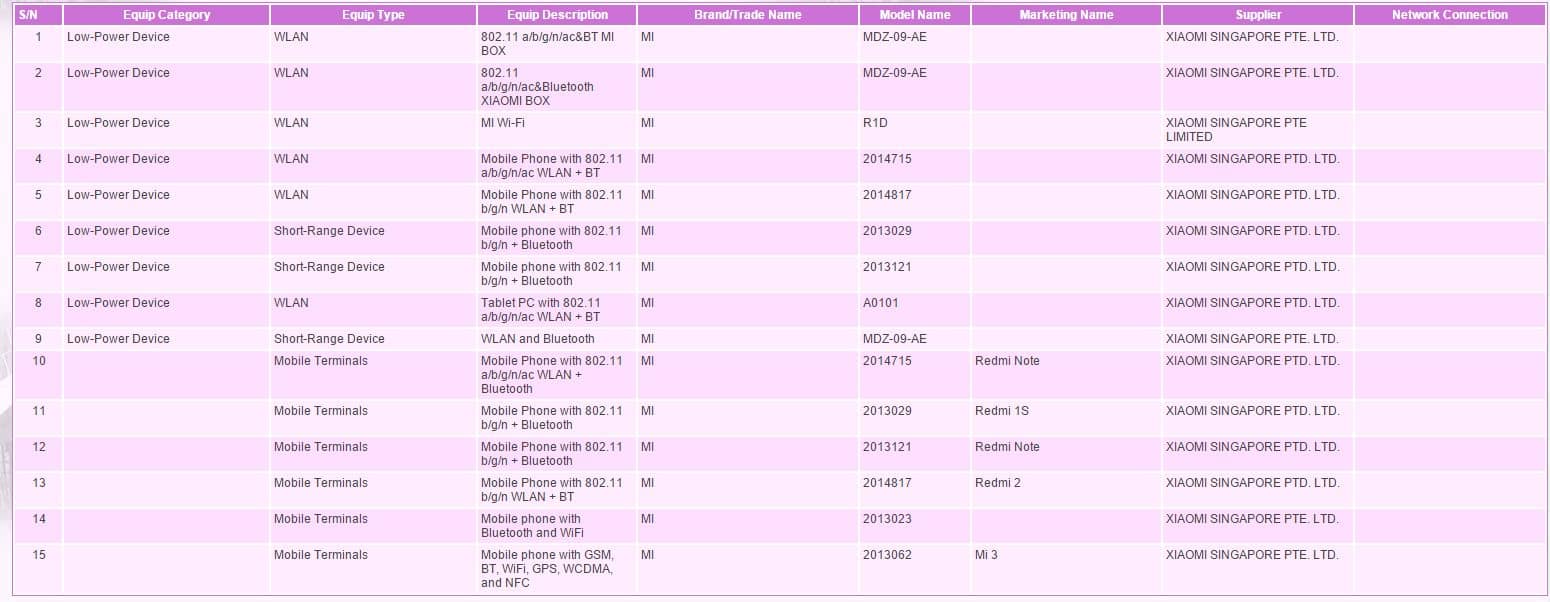
Xiaomi is launching a new product in Malaysia, on Wednesday 11th March. According to our Information and our local SIRIM Database this is going to be the Xiaomi Redmi 2. We just dont know yet if enhanced or basic version of the REDMI 2 device.
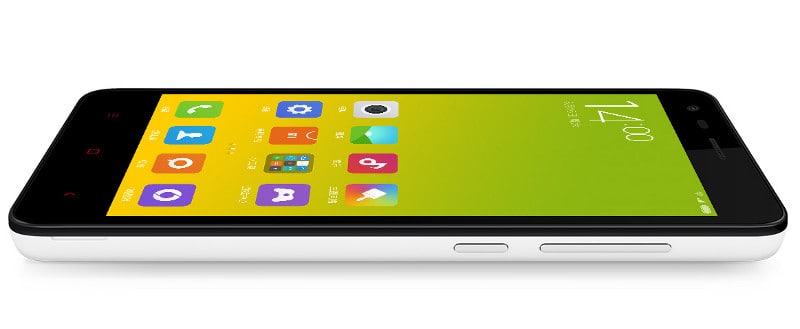
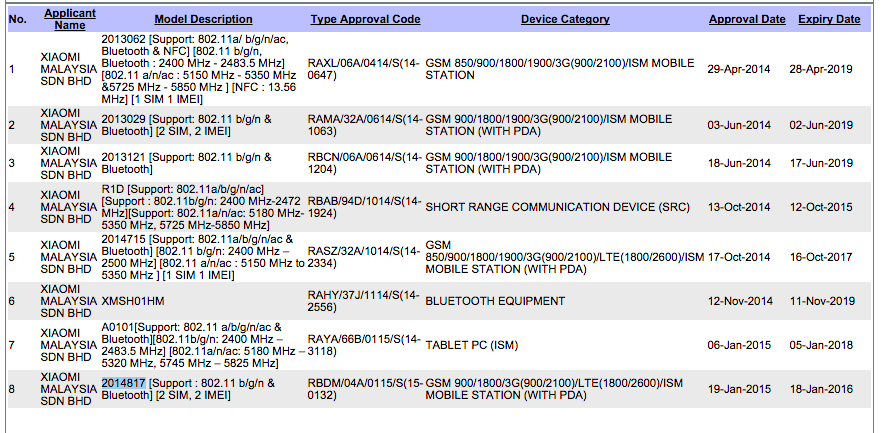
While Xiaomi has not yet officially announced that this is the Redmi 2, we have checked the local SIRIM Database for you and have spotted a new dual Sim phone with 4G LTE with the model number 2014817. In Singapore the same device has passed the certification, and is listed specifically as Xiaomi Redmi 2.
The Redmi 2 has been announced in January 2015 and is Xiaomi’s entry Level Smartphone. Compared to the Redmi 1S you get a better 64BIT Snapdragon 410 clocked at 1.2Ghz, Xiaomi says this is an 50% improvement over the Redmi 1S. The Basic Version of the Redmi 2 comes with 1GB of LDDR3 RAM and 8GB of internal memory. The Main Camera of the Redmi 2 is still a 8MP Shooter with a 5-element lens, while the Front Camera has been update to a 2 megapixel shooter, that is capable of taking HD 720 videos.
Xiaomi Redmi 2 versus Meizu M1 Mini
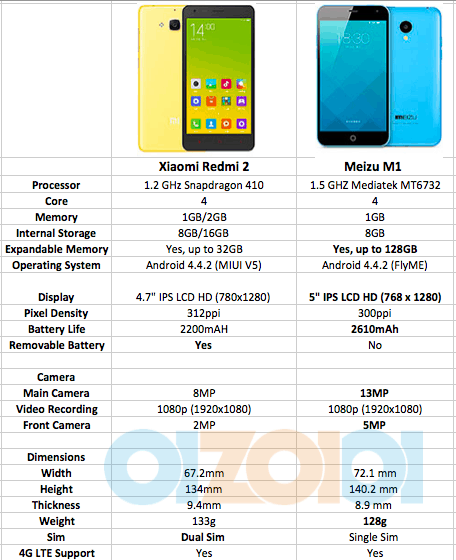
The Redmi 2 battery has been upgraded as well to a bigger 2200mAh battery by Samsung, supported with Quick Charge for faster charging. The Redmi 2 sports a 4.7″ 720p Display and supports local 4G LTE. Compared to the Redmi 1S the Redmi 2 is also more compact, thinner and lighter (9.4mm/133g vs 9.9mm/158g). The Redmi 2 will run on MIUI V6 with Android 4.4.
Xiaomi Redmi 2 Hands On
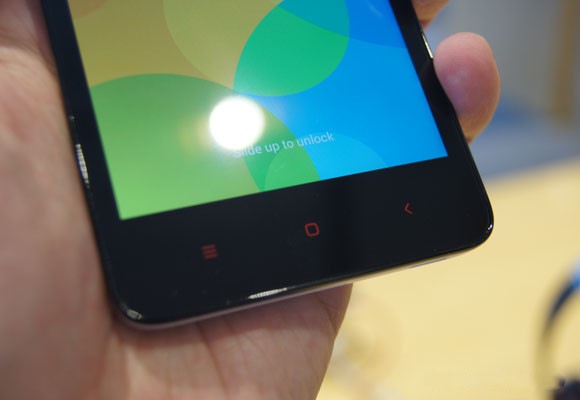
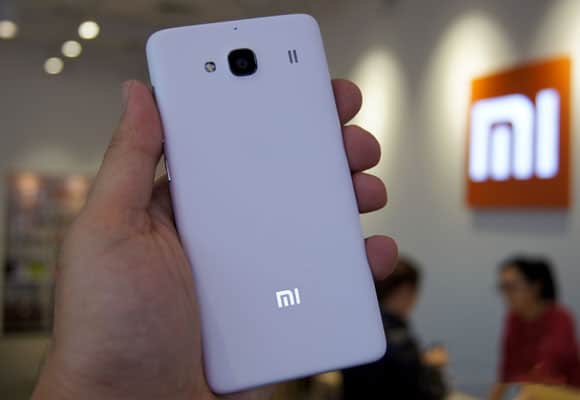
Now lets get back to the most interesting question. Because of the competition of the Meizu M1 Mini, Xiaomi decided quickly after the Redmi 2 Launch, to bring out an enhanced Redmi 2 Version. The Redmi 2 enhanced version comes with 2GB RAM and 16GB internal memory. 1GB RAM has been the biggest concern for many customers on the Redmi 1S, so 2GB RAM makes a lot of sense for the Redmi 2. Lets hope Xiaomi will bring the enhanced version of the Redmi 2 to Malaysia and Singapore.
The enhanced Redmi 2 Price is at 799 Yuan in China, that would be RM465 in Malaysia for 64BIT Snapdragon 410, 2GB RAM and 16GB ROM that is a good price. The Basic Redmi 2 Version Price is 699Yuan in China, which amounts to RM396 in Malaysia, this means the price would probably be the same as the current Redmi 1S at RM419. Xiaomi will release the Redmi 2 this Wednesday in Malaysia and tomorrow in Singapore. You can buy the Redmi 2 now for RM441 here if you dont want to wait. Use the Code LAZADAMOB88
You May Like
-
Nokia Maze Xtreme 2026 Specs: 200MP Cameras, 12000mAh Battery!
-
Nokia XS Max 2026 Specs: 200MP Cameras, 10600mAh Battery!
-
Nokia P1 Lite 2026 Specs: 200MP Cameras, 11000mAh Battery!
-
Nokia Flash 2026 Specs: 16GB RAM, 200MP Cameras!
-
Sony Xperia Ultra Max Pro Specs: 200MP Cameras, 19100mAh Battery!
-
Nokia A2 Pro Specs: 18GB RAM, 12000mAh Battery!
-
Nokia Royale Max Ultra 2026 Specs: 24GB RAM, 18700mAh Battery!
-
Nokia Play 2 Max 2026 Specs: 24GB RAM, 12000mAh Battery!
-
مواصفات Sony Ericsson Satio 2026: ذاكرة RAM بسعة 16 جيجابايت، وكاميرات بدقة 250 ميجابكسل!


