Author: chris eilers
Asus Zenfone 2 Malaysia prices: starting from RM 599 in 5 variants
As we have informed before, Asus Zenfone 2 Consumer Event in Malaysia is on May 9th, which means it’s by the end of this week, but the official price is yet known. According to some pictured leaked, which are looked like being taken at a closed door events for domestic dealers, the Asus Zenfone 2 price in Malaysia will range from RM 599 for the entry-level ZE500CL to RM 1299 for the highest ZE551ML 4GB RAM and 64GB onboard storage.
Asus Zenfone 2 Specs and Prices
Just like what we have expected, the company has brought all 3 models of the famous Asus Zenfone 2 to Malaysia market including the basic ZE500CL, the mid-range ZE550ML and the highest ZE551ML. Having 3 models, though, we are offered 4 variants to choose. The first is definitely the ZE500CL, which features 5” HD display, 1.6GHz Intel Atom Z2560 processor, 2GB RAM, and 8GB of internal storage. This variant will cost you RM 599.
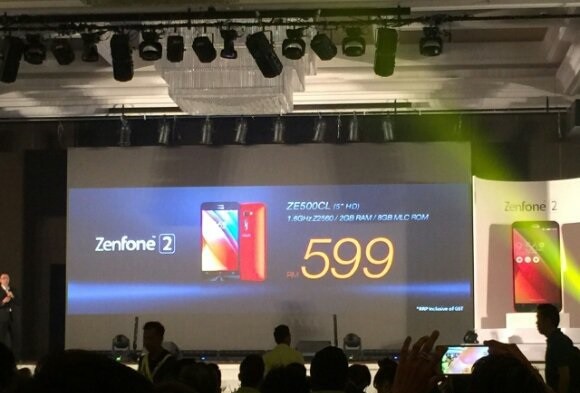
Secondly, the mid-range ZE550ML which is equipped with 5.5″ HD display, 1.8GHz Intel Atom Z3560, 2GB RAM and 16GB ROM is priced at RM 749.
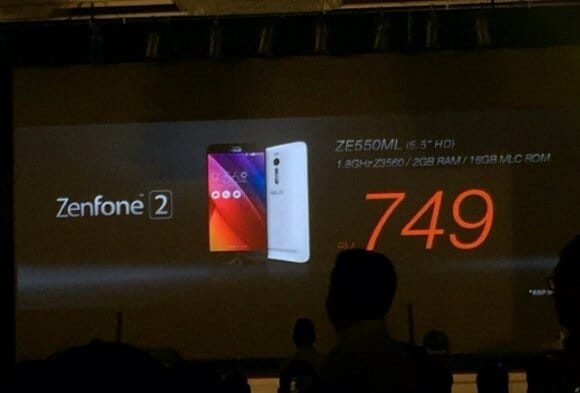
The third one is the ZE551ML with 5.5” fHD display, 1.8GHz Intel Atom Z3560 alongside 2GB of RAM, and 32GB internal storage. Retail price for this version is RM 899.
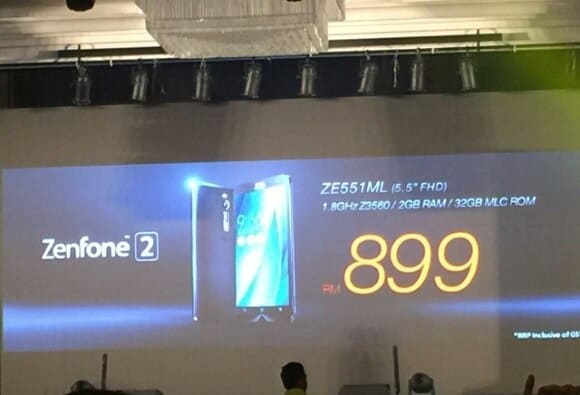
The last two ZE551ML versions sport the same 5.5” fHD display alongside with 2.3GHz Intel Atom Z3580, 4GB of RAM. Internal storage is where these two phones distinguish from each other. The Asus Zenfone 2 4GB RAM with 32GB on-board storage is priced at RM 1099, while the most premium Asus Zenfone 2 4GB RAM 64GB internal storage will cos RM 1299.
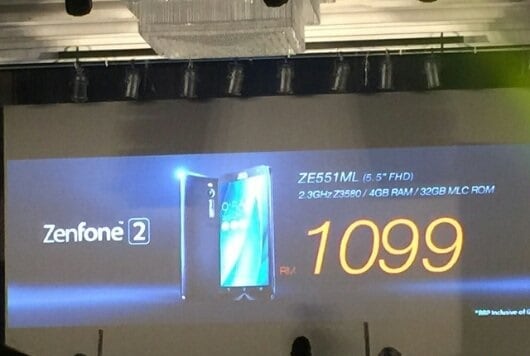
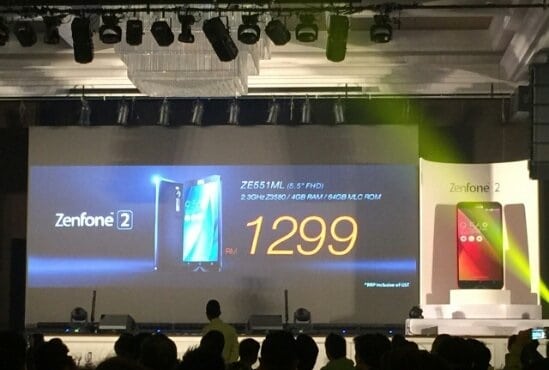
Overall, these prices are lower than the Asus Zenfone 2 prices in Singapore but Asus Zenfone 2 prices in Taiwan are obviously the lowest.
While you are still waiting for the event in Malaysia, come check out our Asus Zenfone 2 review here t know more about this anticipated phone or just click here to get the Asus Zenfone 2 4GB RAM 32GB right away.
You May Like
-
 Nokia Maze Xtreme 2026 Specs: 200MP Cameras, 12000mAh Battery!
-
Nokia XS Max 2026 Specs: 200MP Cameras, 10600mAh Battery!
-
 Nokia P1 Lite 2026 Specs: 200MP Cameras, 11000mAh Battery!
-
Nokia Flash 2026 Specs: 16GB RAM, 200MP Cameras!
-
Sony Xperia Ultra Max Pro Specs: 200MP Cameras, 19100mAh Battery!
-
Nokia A2 Pro Specs: 18GB RAM, 12000mAh Battery!
-
Nokia Royale Max Ultra 2026 Specs: 24GB RAM, 18700mAh Battery!
-
 Nokia Play 2 Max 2026 Specs: 24GB RAM, 12000mAh Battery!
-
مواصفات Sony Ericsson Satio 2026: ذاكرة RAM بسعة 16 جيجابايت، وكاميرات بدقة 250 ميجابكسل!



Mlais M4 Note with 5.5″, 64BIT, 13/8MP and 2GB RAM for just RM509
The competition is heating up in the midrange 5.5″ Flagship Segment. Now we have a new Competitor in the Game the Mlais M4 Note. The Mlais M4 Note comes with all specs you need and a very affordable price!
The Mlais M4 Note can definitely compete with the likes of Xiaomi Redmi Note, with a better price on top. While normally it is hard to buy devices like the Mlais M4 Note outside China, now Gearbest gives you a chance to place an order for Mlais M4 Note with a very reasonable price!

Mlais M4 Note 5.5″ 64bit Android 5.0 Lollipop 4G Phablet
Mlais M4 Note Specs
OS: Android 5.0
GPU: ARM MALI-T760
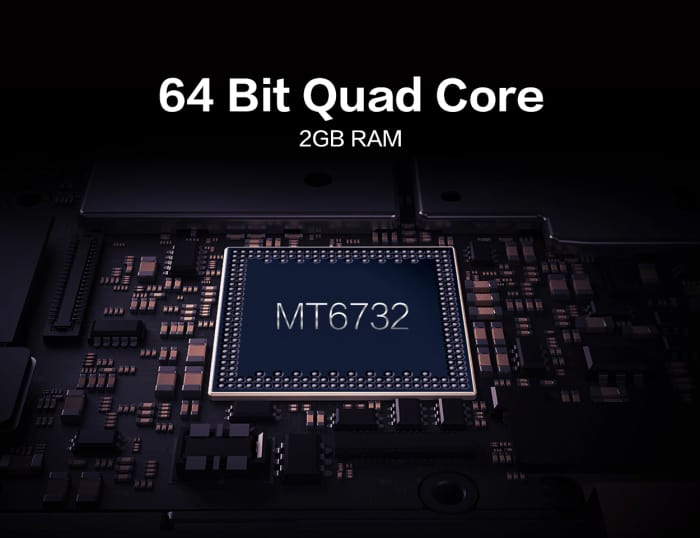
CPU: MTK6732 64bit Quad Core 1.5GHz
SIM card: Dual SIM (One Micro SIM, One normal SIM)
Display: 5.5 inch 1280×720 IPS Full lamination technology
Camera: Rear-13.0MP AF with True Flash LED camera, Front-8.0MP + 88 degree Wide-angle Front-facing Camera
OTG: Support
Bluetooth: 4.0
Positioning: GPS, A-GPS
RAM: 2GB
ROM: 16GB
4G Lte Up to 150 Mbps download speeds
Sensor: Light sensor, G-sensor, P-sensor
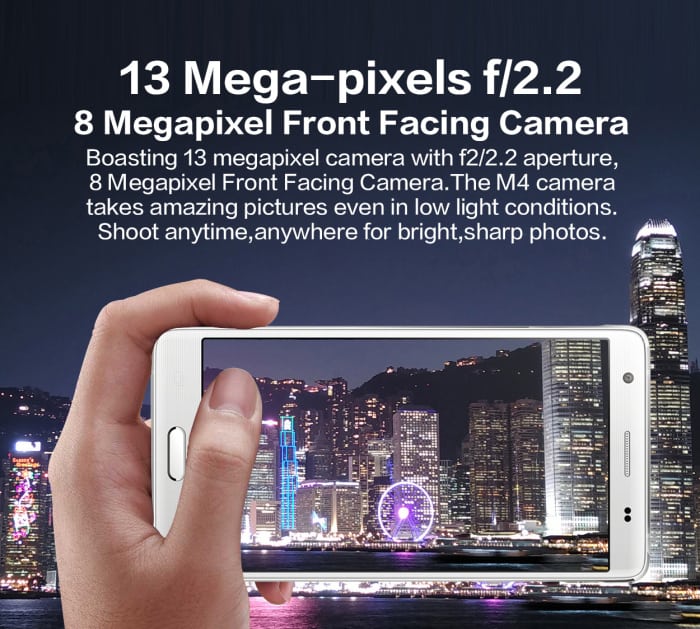
First, the Mlais M4 Note version comes with a 5.5” fHD display, MTK6732 64bit Quad Core CPU, along with 16 GB internal storage (expandable via microSD card) and 2GB RAM. The main camera is of 13.0MP AF with True Flash LED camera,, which increases picture quality in low light condition. Also you get a huge 8MP Front Camera. It also supports dual SIMs and LTE connection. The 2400mAh Battery is comparable to the competition of Xiaomi and Meizu.
On Gearbest, this Mlais M4 Note Price for Malaysia is just $145.02, which is equivalent to RM 516, quite a good price for this phone! Check it out here.
If you want to save even more, Use the Voucher CODE: M4Note to buy it for 142,89 USD which is just 509 RM. Check it out here.!
You May Like
-
Nokia Maze Xtreme 2026 Specs: 200MP Cameras, 12000mAh Battery!
-
Nokia XS Max 2026 Specs: 200MP Cameras, 10600mAh Battery!
-
Nokia P1 Lite 2026 Specs: 200MP Cameras, 11000mAh Battery!
-
Nokia Flash 2026 Specs: 16GB RAM, 200MP Cameras!
-
Sony Xperia Ultra Max Pro Specs: 200MP Cameras, 19100mAh Battery!
-
Nokia A2 Pro Specs: 18GB RAM, 12000mAh Battery!
-
Nokia Royale Max Ultra 2026 Specs: 24GB RAM, 18700mAh Battery!
-
Nokia Play 2 Max 2026 Specs: 24GB RAM, 12000mAh Battery!
-
مواصفات Sony Ericsson Satio 2026: ذاكرة RAM بسعة 16 جيجابايت، وكاميرات بدقة 250 ميجابكسل!
LG G4 official launch: all specs and highlighted features from the event
Yesterday, in London and New York simultaneously, LG’s next gen smartphone, LG G4, was introduced in a dedicated event. Three main factors that the company paid special attention to are the design, the materials and the camera as mentioned in the teaser images.

The genuine leather back is the most styling element on the LG G4. LG takes pride on using the employed vegetable tanning, which is typical of the luxury leather industry whose only 10% are produced this way.

If you are not interest in the leather back, LG does offer other choice of hammered pattern plastic. You can choose along these colors: ceramic white, metallic gray or gold.

With its arc design, the company claims it would be better at handling and a 20% increase in rigidity. In this article, we give you quick LG G4 review to help you have an overall image of the phone.

LG G4 Specs
Using a Quantum LCD panel for the 5.5” qHD (2560 x 1440 pixels) display, LG said it would deliver more accurate colors, 20% wider colors reproduction, 25% brighter and 50 % higher contrast than its predecessor LG G3.

Instead of the top Qualcomm Snapdragon 810 chipset, LG G4 is powered the slightly lower 64-bit hexa-core Qualcomm Snapdragon 808. However, performance on the phone is still perfect. LG believes that the G4 runs smoother with Snapdragon 808 than the Exynos 7420 in daily tasks. Multi-tasking is handled with 3GB RAM paired with 32GB on-storage expandable via microSD card. Android 5.1 Lollipop comes pre-installed out of the box with LG’s latest UX 4.0 on top.
All eyes are on the premium camera on the LG G4 as it has the aperture of f/1.8 while the Samsung Galaxy S6 camera is just of the f/1.9 which means LG G4 can allow 11% more light to hit the sensor. This 16MP shooter with OIS also offers options for save images in RAW format. Front-facing camera is of 8MP capable of recording 2160p video.

Some sample pictures taken by the LG G4










A 3000 mAh battery is equipped to keep the light on. Luckily, the battery is user-replaceable. The LG G4 supports wireless charging but you have to wear a dedicated back cover for the phone to use this function. Otherwise, a 1.8V plug will fulfill the battery whenever needed.

LG G4 will hit the shelves in its homeland South Korea today. LG G4 release date in Malaysia and other markets will not yet to know but we can hope it won’t take too long. LG G4 Malaysia retail price can possibly be similar to Samsung Galaxy S6 price, which is around RM 2599 as everybody considers it as a potential competitor of the Galaxy S6 and S6 Edge.
You May Like
-
Nokia Maze Xtreme 2026 Specs: 200MP Cameras, 12000mAh Battery!
-
Nokia XS Max 2026 Specs: 200MP Cameras, 10600mAh Battery!
-
Nokia P1 Lite 2026 Specs: 200MP Cameras, 11000mAh Battery!
-
Nokia Flash 2026 Specs: 16GB RAM, 200MP Cameras!
-
Sony Xperia Ultra Max Pro Specs: 200MP Cameras, 19100mAh Battery!
-
Nokia A2 Pro Specs: 18GB RAM, 12000mAh Battery!
-
Nokia Royale Max Ultra 2026 Specs: 24GB RAM, 18700mAh Battery!
-
Nokia Play 2 Max 2026 Specs: 24GB RAM, 12000mAh Battery!
-
مواصفات Sony Ericsson Satio 2026: ذاكرة RAM بسعة 16 جيجابايت، وكاميرات بدقة 250 ميجابكسل!
Vivo Malaysia offers great deals on Vivo Xshot, Vivo Y27, Vivo Y15
Previously, we have informed you of the price drop of the Vivo smartphone in response to the GST taking action. The company now has another good news for all of its fans by offering great deals for 3 smartphone model including: Vivo Y15, Vivo Y27 and Vivo Xshot.
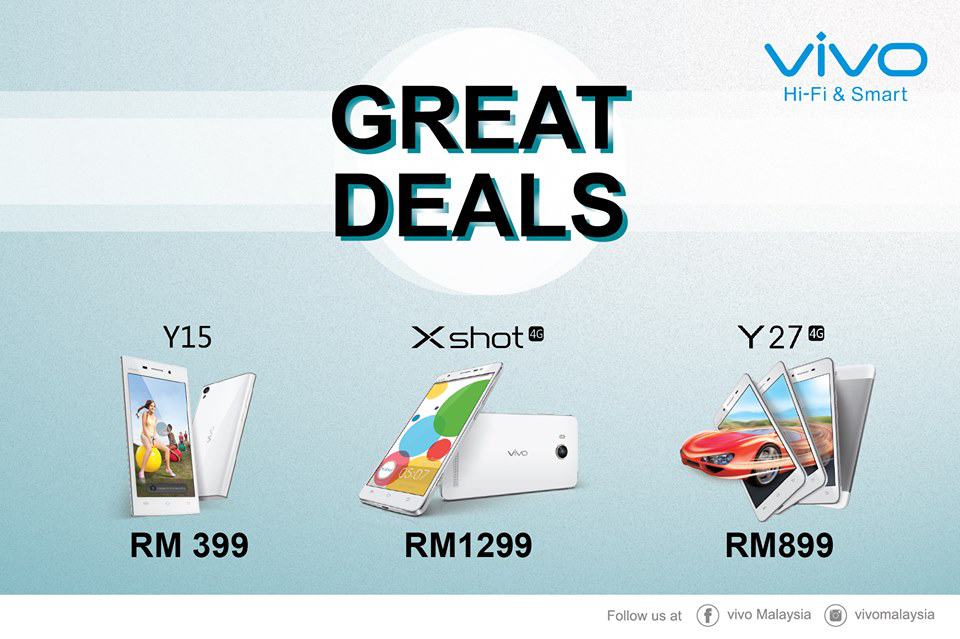
Prices of the aforementioned models are as followed:
- Vivo Xshot- RM 1,299 (previous RRP: RM 1,599)
- Vivo Y27- RM 899(previous RRP: RM 999)
- Vivo Y15- RM 399 (previous RRP: RM 459)
The Vivo Y15 specs
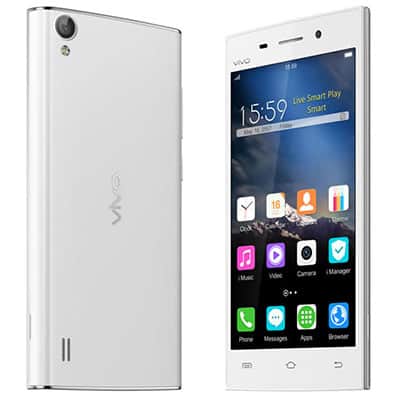
The Vivo Y15, which was launched in 2013, is budget-friendly phone that emphasizes on the camera section. This 4.5” scratchproof display phone is powered by a quad-core MediaTek MT6582 CPU and a Mali-400MP2 GPU along with 512MB RAM. Android 4.2.2 Jelly Bean comes pre-installed out of the box paired with 4GB on-board storage (expandable via an up-to-128GB microSD slot), a 5MP rear camera capable of fHD video recording, a 2MP front shooter, a 1900 mAh battery and dual SIM supported.
The Vivo Y27 specs
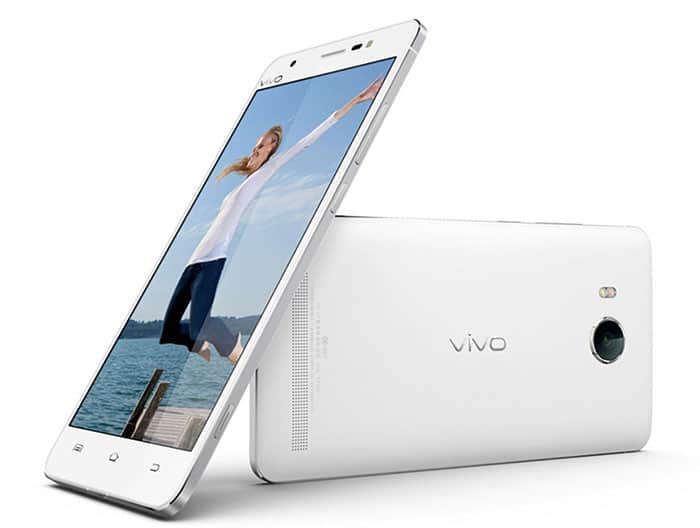
The model is small in size (136.9 x 68.1 x 7 mm and 137g) but its specs are noticeable. Featuring a 4.7” HD IPS LCD display (312 ppi), the Vivo Y27 has a 1.2 GHz Qualcomm Snapdragon 410 chipset and an Adreno 306 under the hood paired with 1GB RAM and 16GB of internal storage (expandable via microSD card).
Other than that, the phone also sports 8Mp main camera capable of 1080p video recording, LED flash, a 5MP front camera and a 2260 mAh battery. Dual Sim and LTE connectivity are supported on the Vivo Y27 as well.
The Vivo Xshot specs
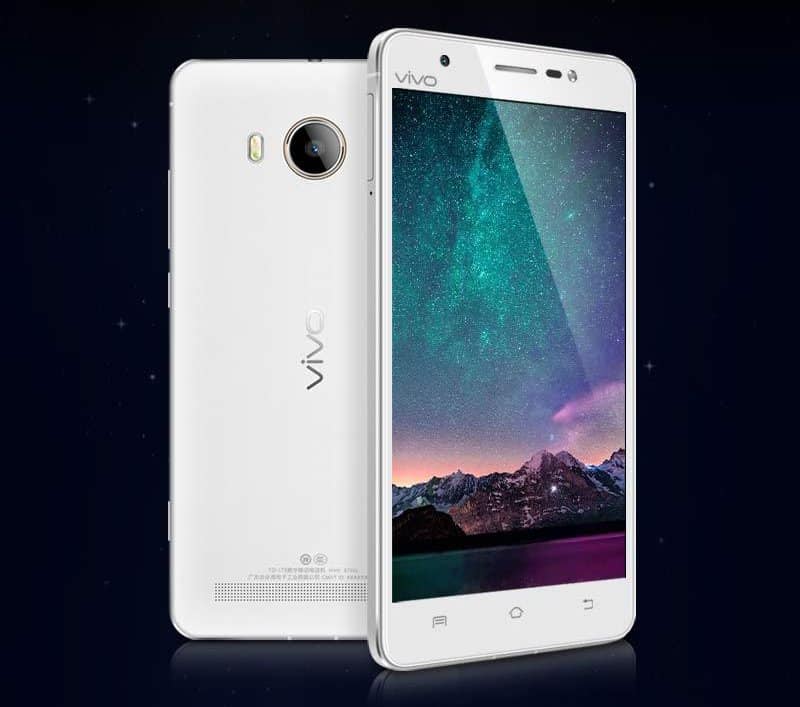
As mentioned in the name, the most highlighted specification on this model is the camera. The Vivo Xshot is a Vivo’s flagship spotting 5.2” fHD display, Snapdragon 801 SoC, Adreno 330 GPU, 2GB RAM, 16GB internal storage (expandable via microSD slot) along with Android 4.3 Jelly Bean coming out of the box,
As for the camera section, rear camera is a 13MP shooter that supports HDR mode with dual LED flash and Optical Image Stabilization. Up front of the Vivo Xshot is 8Mp camera taking care of video calls and selfie purposes.
You can the Vivo Xshot here at an attractive price.
You May Like
-
Nokia Maze Xtreme 2026 Specs: 200MP Cameras, 12000mAh Battery!
-
Nokia XS Max 2026 Specs: 200MP Cameras, 10600mAh Battery!
-
Nokia P1 Lite 2026 Specs: 200MP Cameras, 11000mAh Battery!
-
Nokia Flash 2026 Specs: 16GB RAM, 200MP Cameras!
-
Sony Xperia Ultra Max Pro Specs: 200MP Cameras, 19100mAh Battery!
-
Nokia A2 Pro Specs: 18GB RAM, 12000mAh Battery!
-
Nokia Royale Max Ultra 2026 Specs: 24GB RAM, 18700mAh Battery!
-
Nokia Play 2 Max 2026 Specs: 24GB RAM, 12000mAh Battery!
-
مواصفات Sony Ericsson Satio 2026: ذاكرة RAM بسعة 16 جيجابايت، وكاميرات بدقة 250 ميجابكسل!
Vivo X5 Pro launch this week featuring 3D curved display?
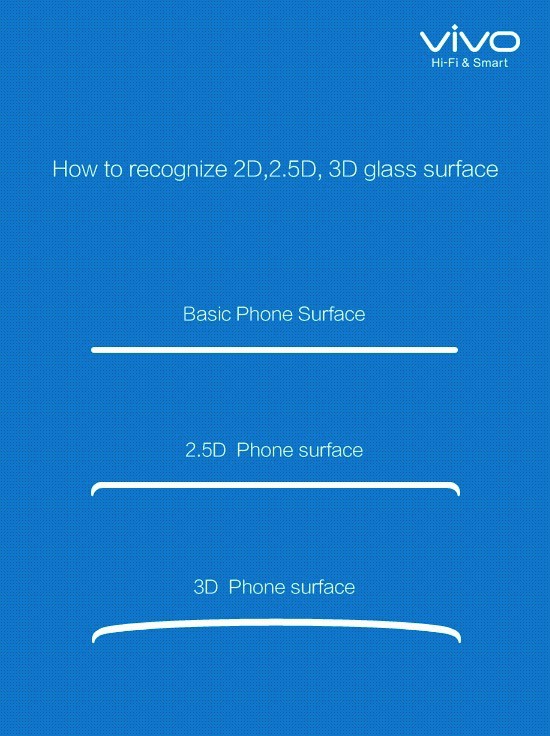
Next generation smartphone from Vivo, Vivo X5 Pro, is allegedly shipped with 3GB RAM, Qualcomm Snapdragon 615 chipset and a retina scanner. This 6-inch size handset reportedly has 3D curved glass for displaying.
Vivo, a company known for its high-end products, gave the X5 Pro its distinctive flashy design. It has a body that is made of all metal and glass. Looking at the design, we can see Vivo’s commitment to even the tiniest detail of every product.
Vivo X5 Pro specs

While not too much information about this Vivo X5 Pro, topics of the talk are mainly about its SoC and its special display. Other features include 3GB RAM, a pretty generous 3500 mAh battery, Vivo-customed audio chip and Android 5.0 pre-installed with Funtime UI 2.0 running on top.

The reason why Vivo opt for Snapdragon 615 is mainly to control the device heat’s dispersion. A teaser of the Vivo X5 pro has been made the revealed the rounded curves on the handset. We think it is similar to others but the photo below will show the difference.
Vivo X5 Pro design
Other said a retina scanner would be integrated for extremely fast security locking your device. One more thing that we need to know is the double glass design of the phone, which bring premium feeling fot its owner.
Vivo is going the launch the Vivo X5 Pro tomorrow, April 28. So far, the company has confirmed the release date also the retail price in Malaysia and other markets of the Vivo X5 Pro.
Keep updating with us for further information.
You May Like
-
Nokia Maze Xtreme 2026 Specs: 200MP Cameras, 12000mAh Battery!
-
Nokia XS Max 2026 Specs: 200MP Cameras, 10600mAh Battery!
-
Nokia P1 Lite 2026 Specs: 200MP Cameras, 11000mAh Battery!
-
Nokia Flash 2026 Specs: 16GB RAM, 200MP Cameras!
-
Sony Xperia Ultra Max Pro Specs: 200MP Cameras, 19100mAh Battery!
-
Nokia A2 Pro Specs: 18GB RAM, 12000mAh Battery!
-
Nokia Royale Max Ultra 2026 Specs: 24GB RAM, 18700mAh Battery!
-
Nokia Play 2 Max 2026 Specs: 24GB RAM, 12000mAh Battery!
-
مواصفات Sony Ericsson Satio 2026: ذاكرة RAM بسعة 16 جيجابايت، وكاميرات بدقة 250 ميجابكسل!
Vivo Xshot 3S coming soon: Snapdragon 810, 16MP OIS and 4GB RAM?
After a long time staying silent, Vivo started to get back to the market with the launching plan of multiple devices. As we recently heard about its plan, after the X5 Pro flagship introduction as confirmed, the next will be called Vivo Xshot 3S with high-end specs.
Speculated Vivo Xshot 3S specs
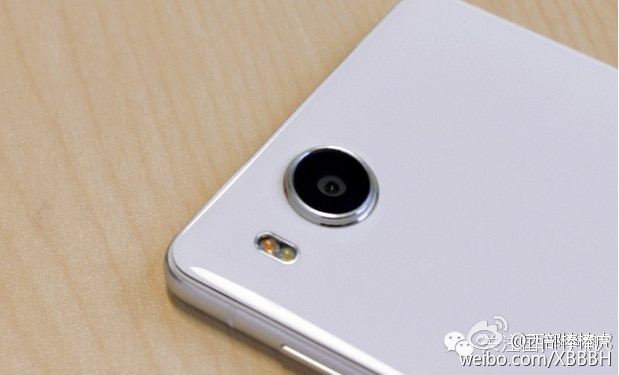 Although the information is unofficial, it is worth waiting. Let’s take a look at Vivo Xshot 3S specs that have been rumoured about:
– 5.5-inch full HD 1080p display
– Snapdragon 810 octa-core processor
– 4GB RAM and 64GB ROM which could be expandable vis microSD card.
– 16MP OIS Rear camera and 8MP front facing selfie shooter
– 2.5D glass
– Dual tone color temperature flash.
A noticeable point of this phone is the placement of speakers. The speakers are located at the bottom instead.
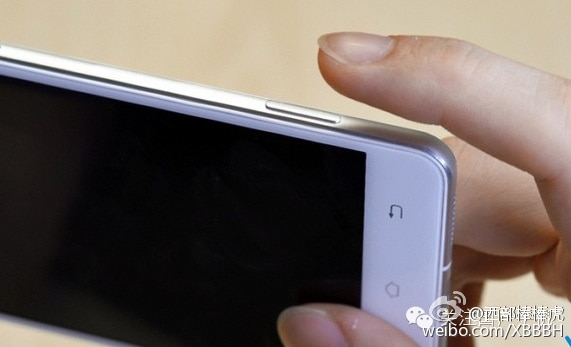
Vivo Xshot 3S is supposed to be a high-end handset. However, the price of this phone is unknown. Let’s hope that it will not be too high so that we could afford for a good smartphone easily and so that Vivo would be able compete against the flagships of other brands that have similar specs in the price war.
Besides Vivo Xshot 3S, Vivo is launching its flagship – Vivo X5 Pro – in this week April 28th. It is also supposed to have 2.5D glass and equipped with camera aiming at camera lovers.
Let’s look forward to Vivo Xshot 3S release date in Malaysia to experience them more.
We will update information here frequently so that you can get the latest news about Vivo and its upcoming events.
You May Like
-
Nokia Maze Xtreme 2026 Specs: 200MP Cameras, 12000mAh Battery!
-
Nokia XS Max 2026 Specs: 200MP Cameras, 10600mAh Battery!
-
Nokia P1 Lite 2026 Specs: 200MP Cameras, 11000mAh Battery!
-
Nokia Flash 2026 Specs: 16GB RAM, 200MP Cameras!
-
Sony Xperia Ultra Max Pro Specs: 200MP Cameras, 19100mAh Battery!
-
Nokia A2 Pro Specs: 18GB RAM, 12000mAh Battery!
-
Nokia Royale Max Ultra 2026 Specs: 24GB RAM, 18700mAh Battery!
-
Nokia Play 2 Max 2026 Specs: 24GB RAM, 12000mAh Battery!
-
مواصفات Sony Ericsson Satio 2026: ذاكرة RAM بسعة 16 جيجابايت، وكاميرات بدقة 250 ميجابكسل!
Xiaomi Mi 5: shipping with fingerprint scanner??
Xiaomi has just files a patent application with the State Intellectual Property Office in China. The patents included a deal which integrated a fingerprint scanner to the touch home button on a phone. The technology could be uses on the next Xiaomi flagship, reportedly the Xiaomi Mi 5.
Over the last two years, Xiaomi has made such big move and now transforming into a global tech company rather than a Chinese OEM. The Xiaomi Mi4 sales is huge in China and worldwide and the company is allegedly working on its successor, the Xiaomi Mi 5 which can integrate a fingerprint scanner just like the iPhone 6 and Samsung Galaxy S6.
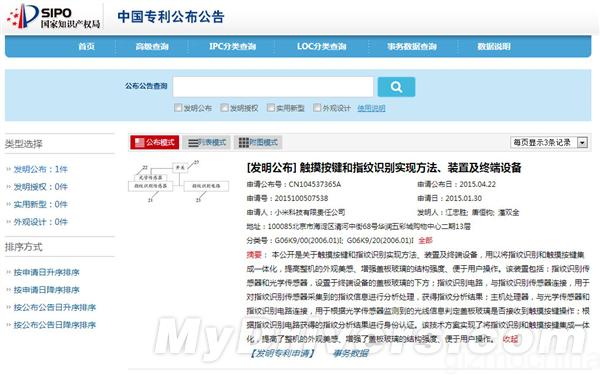
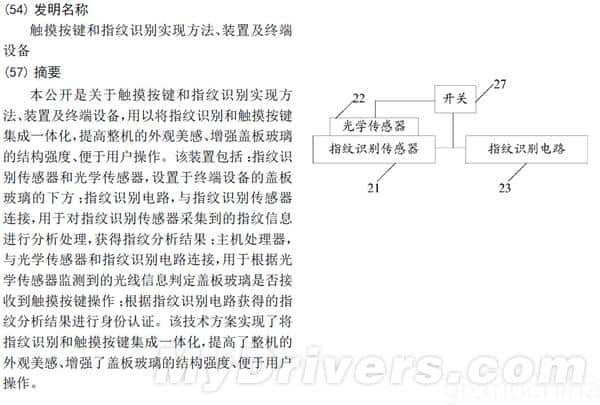
The pattern application shows the use of an additional layer of glass to the home button, which would not only make the phone look better but also protect the so-called fingerprint scanner inside. At this point, Apple uses a layer of sapphire glass covering its home button to protect the Touch ID technology embedded inside.
Xiaomi Mi 5 is rumored to be launched in Q4 2015 last month with nearly top-of-the-line specs. For the time being, Xiaomi offers no fingerprint scanner on its variety of products including smartphones. By registering for the pattern, the company would have employed the the technology from the third party.
“The device comprises a bottom fingerprint sensors and optical sensor provided in the terminal equipment of the cover glass; fingerprint identification circuit connected fingerprint sensor for fingerprint recognition sensor and the fingerprint information analysis and processing, obtain fingerprint analysis ; host processor, and an optical sensor and fingerprint identification circuit connections for the monitored optical sensor light information received to determine whether cover glass touch button operation; identity authentication based on fingerprint analysis results obtained fingerprint identification circuit.” – Xiaomi pattern application.
Speculated Xiaomi Mi 5 specs
The Xiaomi Mi 5 is believed to ship with 5.2” 2K display (2560 x 1440 pixels) and the density will be of 565 ppi. Under the hood is a quad-core 2.7GHz Snapdsragon 805 CPU while handling graphic is an Adreno 420 GPU paired with 3GB RAM and 16GB/64GB internal storage. Rear camera and front-facing camera will have the resolution of 13MP and 8MP respectively while a 3600 mAh battery keeps the light on.
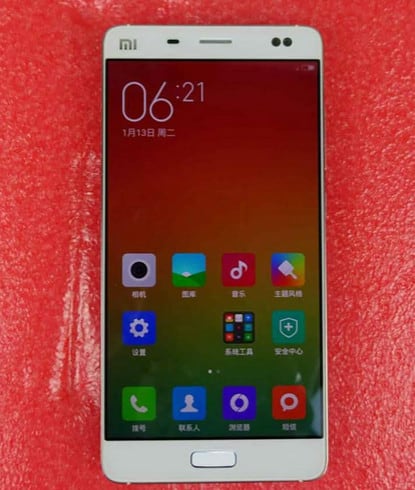
No clue yet on the Xiaomi Mi 5 release date in Malaysia and other markets but certainly, China will be the first to launch this. About pricing, Xiaomi Mi 5 price in Malaysia is expected no to make big different form that in China.
So are you interested in this news? Share your point of view in the comment below.
You May Like
-
Nokia Maze Xtreme 2026 Specs: 200MP Cameras, 12000mAh Battery!
-
Nokia XS Max 2026 Specs: 200MP Cameras, 10600mAh Battery!
-
Nokia P1 Lite 2026 Specs: 200MP Cameras, 11000mAh Battery!
-
Nokia Flash 2026 Specs: 16GB RAM, 200MP Cameras!
-
Sony Xperia Ultra Max Pro Specs: 200MP Cameras, 19100mAh Battery!
-
Nokia A2 Pro Specs: 18GB RAM, 12000mAh Battery!
-
Nokia Royale Max Ultra 2026 Specs: 24GB RAM, 18700mAh Battery!
-
Nokia Play 2 Max 2026 Specs: 24GB RAM, 12000mAh Battery!
-
مواصفات Sony Ericsson Satio 2026: ذاكرة RAM بسعة 16 جيجابايت، وكاميرات بدقة 250 ميجابكسل!
Elephone 2K flagship: 4GB RAM instead of 3GB
Elephone confirmed working on new flagship which would come out in 2 versions. One runs on Android 5.0 Lollipop and the other boot both Android Lollipop and Windows 10 OS. The first will launch next month while the latter will appear in June according to the teaser images.
Elephone 2K flagship specs
The 2 versions are not named yet but they are sure to feature 2K resolution display (2560 x 1440 pixels) with the density of 534ppi stretching over. For now, we will call it version A and version B. “The latter the better”. We can said so when both versions are equipped with nearly-top-of-the-line specs so far.
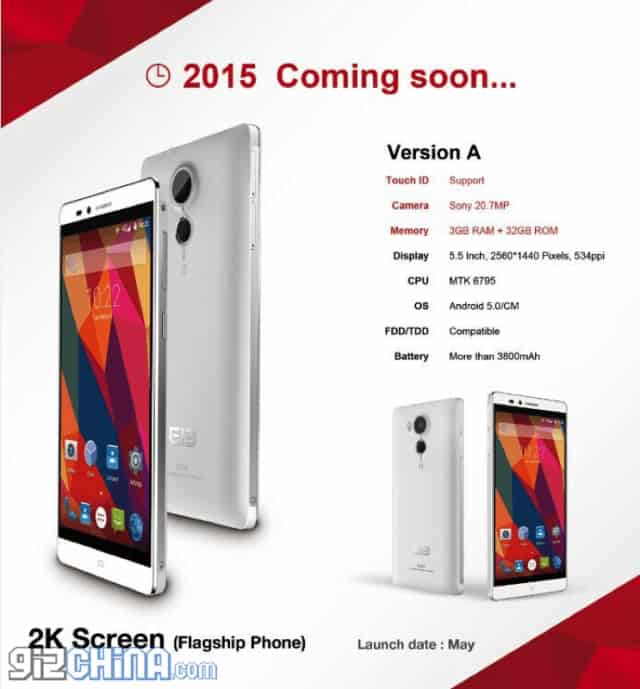
The Elephone 2K flagship will have 32GB of internal storage, a 20.7MP Sony camera and a more than 3800 mAh juice battery and supports LDD/LTE connectivity. Touch ID fingerprint technology is embedded inside both versions.
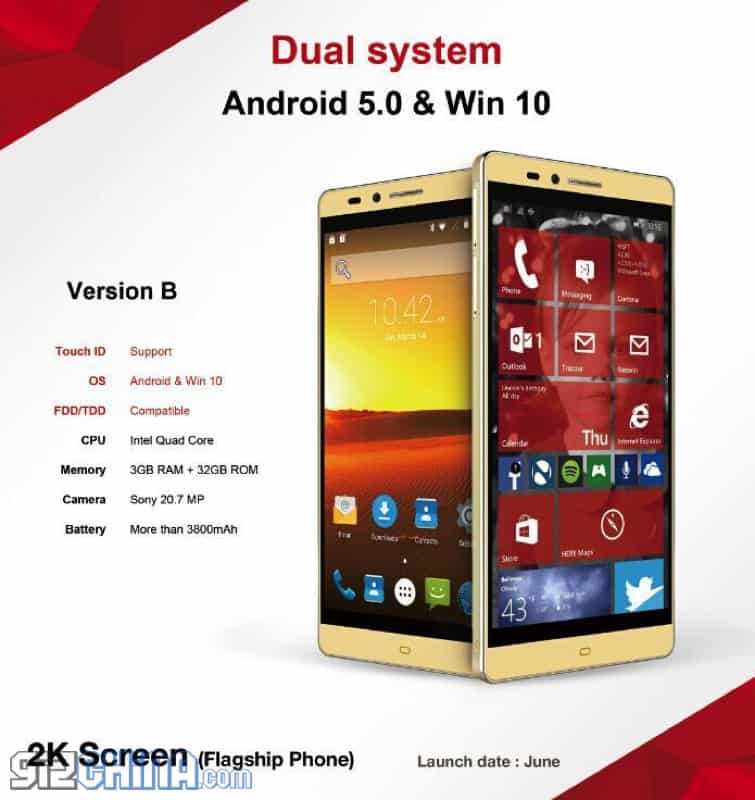
Version A is an Android Lollipop-based phone that runs on a 64-bit MediaTek MT6795 chipset while version B is a dual-boot capability phone being powered by a quad-core unnamed Intel processor. That being said next Elephone flagship will have 3GB RAM, however, the company has confirmed 4GB would be the capacity of the Random Access Memory (RAM).
Windows is now the third most popular smartphone OS. Microsoft has made such a good move when spreading its Windows 10 OS widely. China is the world’s bigger smartphone market with most phones used coming from domestic makers running on Android. If Elephone 2K flagship is truly a dual-boot one, Microsoft will make its way to promote the Windows 10 OS.

No clue yet on pricing and the exact launch date. We can hope this is not a China-exclusive phone so that Elephone’s fans everywhere can experience high-tech phone with affordable price. Elephone 2K flagship price in Malaysia is expected not to make big difference from that in China while the release date in Malaysia or other markets is not confirmed.
Keep up with us to update about this anticipated phone.
[Source]
You May Like
-
Nokia Maze Xtreme 2026 Specs: 200MP Cameras, 12000mAh Battery!
-
Nokia XS Max 2026 Specs: 200MP Cameras, 10600mAh Battery!
-
Nokia P1 Lite 2026 Specs: 200MP Cameras, 11000mAh Battery!
-
Nokia Flash 2026 Specs: 16GB RAM, 200MP Cameras!
-
Sony Xperia Ultra Max Pro Specs: 200MP Cameras, 19100mAh Battery!
-
Nokia A2 Pro Specs: 18GB RAM, 12000mAh Battery!
-
Nokia Royale Max Ultra 2026 Specs: 24GB RAM, 18700mAh Battery!
-
Nokia Play 2 Max 2026 Specs: 24GB RAM, 12000mAh Battery!
-
مواصفات Sony Ericsson Satio 2026: ذاكرة RAM بسعة 16 جيجابايت، وكاميرات بدقة 250 ميجابكسل!
Lenovo K80: 4GB RAM and 4000mAH Battery unveiled!
Asus Zenfone 2 is the world’s smartphone featuring 4GB RAM and it is making global trend where everyone wants to own a 4GB RAM phone for themselves. Follow this trend, we have Xiaomi with the 4GB RAM Xiaomi Mi Note Pro. Now, Lenovo has unveiled a brand new smartphone that comes with 4GB RAM too, called Lenovo K80.
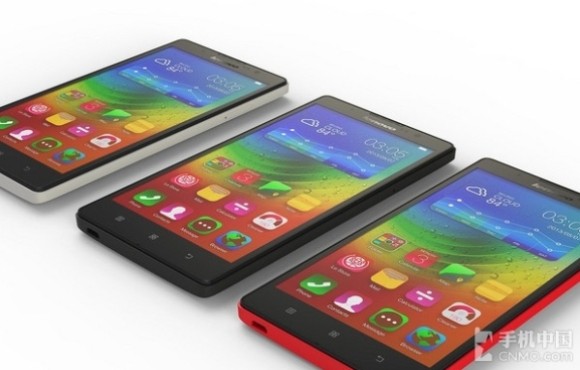
Unveiling the new handset Lenovo K80, Lenovo must have targeted directly to the Asus Zenfone 2 fans not just because it have 4GB RAM but for others reasons as well. Firstly, Lenovo products’ prices are in similar level of those from Asus products. Secondly, both company come from China, the biggest smartphone market in the world.
Smartphone Lenovo K80 Specs
Talking about the Lenovo K80 specs, definitely it will come with 4GB RAM. Featuring a 5.5” 1080p (1920×1080 pixels) display, the phone is powered by a 64-bit Intel Atom processor clocked at 1.8 GHz unlike other newly-launch flagship using Snapdragon or MediaTek. 64GB is the capacity of the on-board storage. The rear camera is of 13MP with OIS (Optical Image Stabilization).
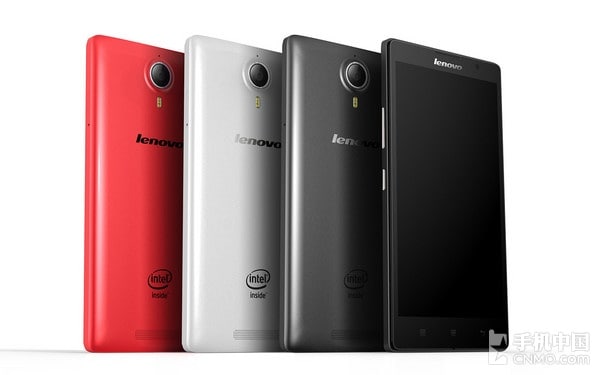
Battery is where the upcoming Lenovo K80 will knock the Asus Zenfone 2 down. Lenovo K80 has a huge battery capacity of 4000 mAh compared to the 3000 mAh on Zenfone 2.
The Lenovo K80 is priced at CNY 1799 with 4GB and 64GB internal storage. The company is also planning to launch a lighter 2GB RAM and 32GB on-board storage at CNY 1499 (RM 872). The phone will hit the shelves in China on April 30th We expect the Lenovo K80 4GB RAM Price in Malaysia to be around RM 1050-1100. This means the Lenovo K80 will be in direct competition with the Asus Zenfone 2 4GB RAM, that will be priced around the same level, for the 32GB Version though.
The Lenovo K80 release date in Malaysia and other markets is not confirmed yet. Should we have any information, we will update right away. So stay tuned with us.
You May Like
-
Nokia Maze Xtreme 2026 Specs: 200MP Cameras, 12000mAh Battery!
-
Nokia XS Max 2026 Specs: 200MP Cameras, 10600mAh Battery!
-
Nokia P1 Lite 2026 Specs: 200MP Cameras, 11000mAh Battery!
-
Nokia Flash 2026 Specs: 16GB RAM, 200MP Cameras!
-
Sony Xperia Ultra Max Pro Specs: 200MP Cameras, 19100mAh Battery!
-
Nokia A2 Pro Specs: 18GB RAM, 12000mAh Battery!
-
Nokia Royale Max Ultra 2026 Specs: 24GB RAM, 18700mAh Battery!
-
Nokia Play 2 Max 2026 Specs: 24GB RAM, 12000mAh Battery!
-
مواصفات Sony Ericsson Satio 2026: ذاكرة RAM بسعة 16 جيجابايت، وكاميرات بدقة 250 ميجابكسل!
Xiaomi Mi4i: 5″ FHD, 64-BIT CPU and 13MP camera for 200 USD
At the official launch in India yesterday, Xiaomi, the giant Chinese OEM, introduced the Xiaomi Mi 4i, previously known as the mysterious Mi global phone, or Xiaomi Ferrari. This new phone is considered as a cheaper alternative of last year famous Xiaomi Mi4. In contrast of being an upgrade, this new Mi 4i is totally a lighter version of its predecessor.
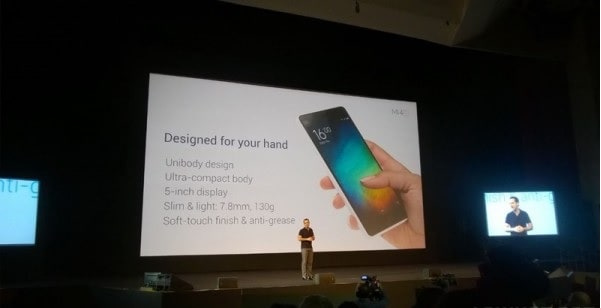
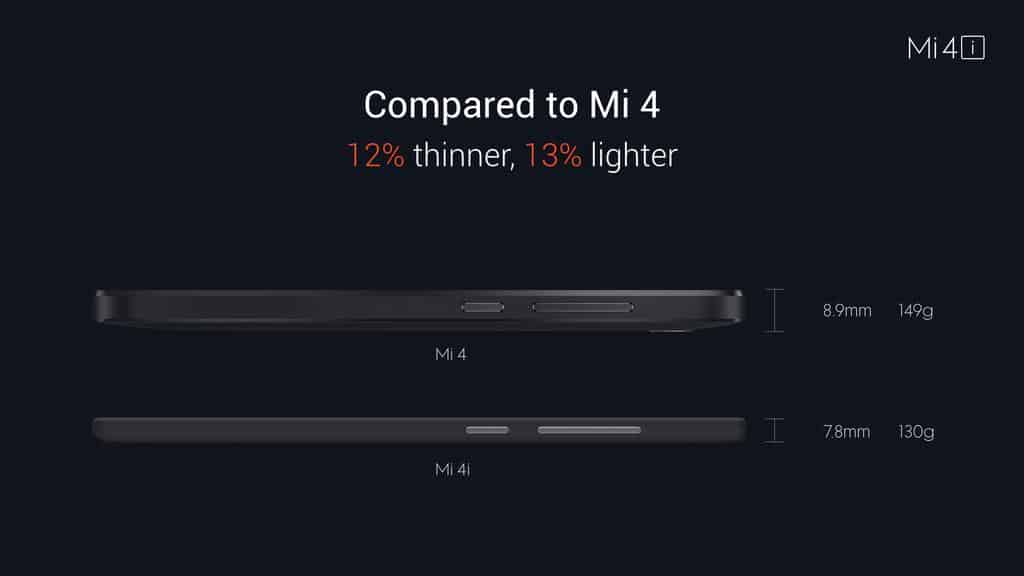
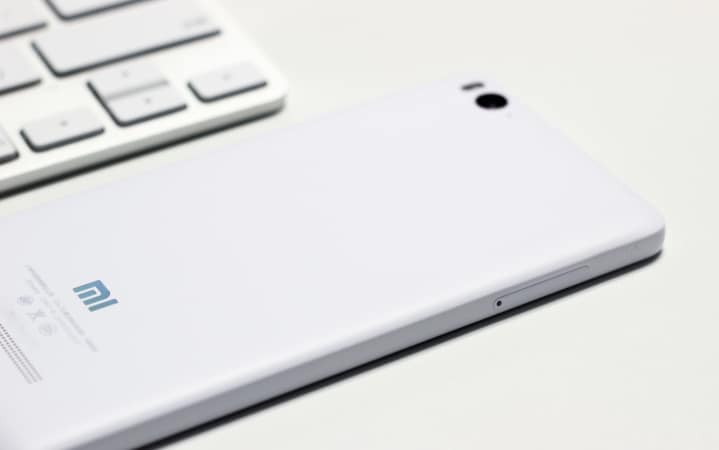
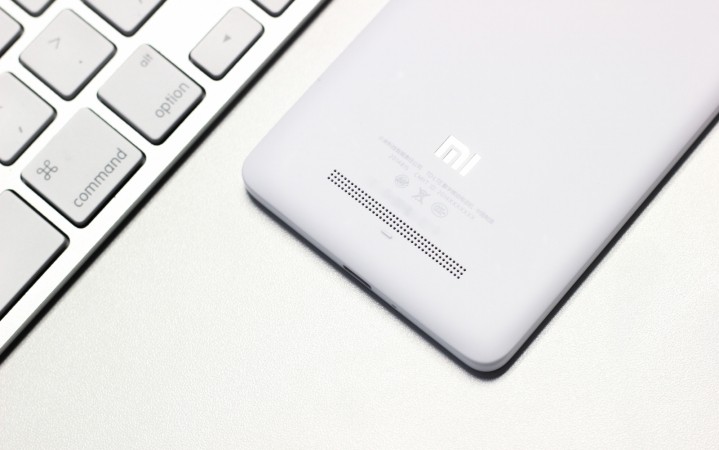
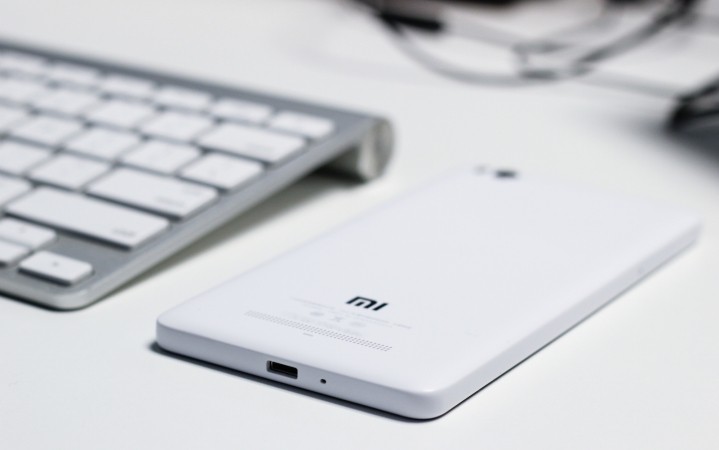
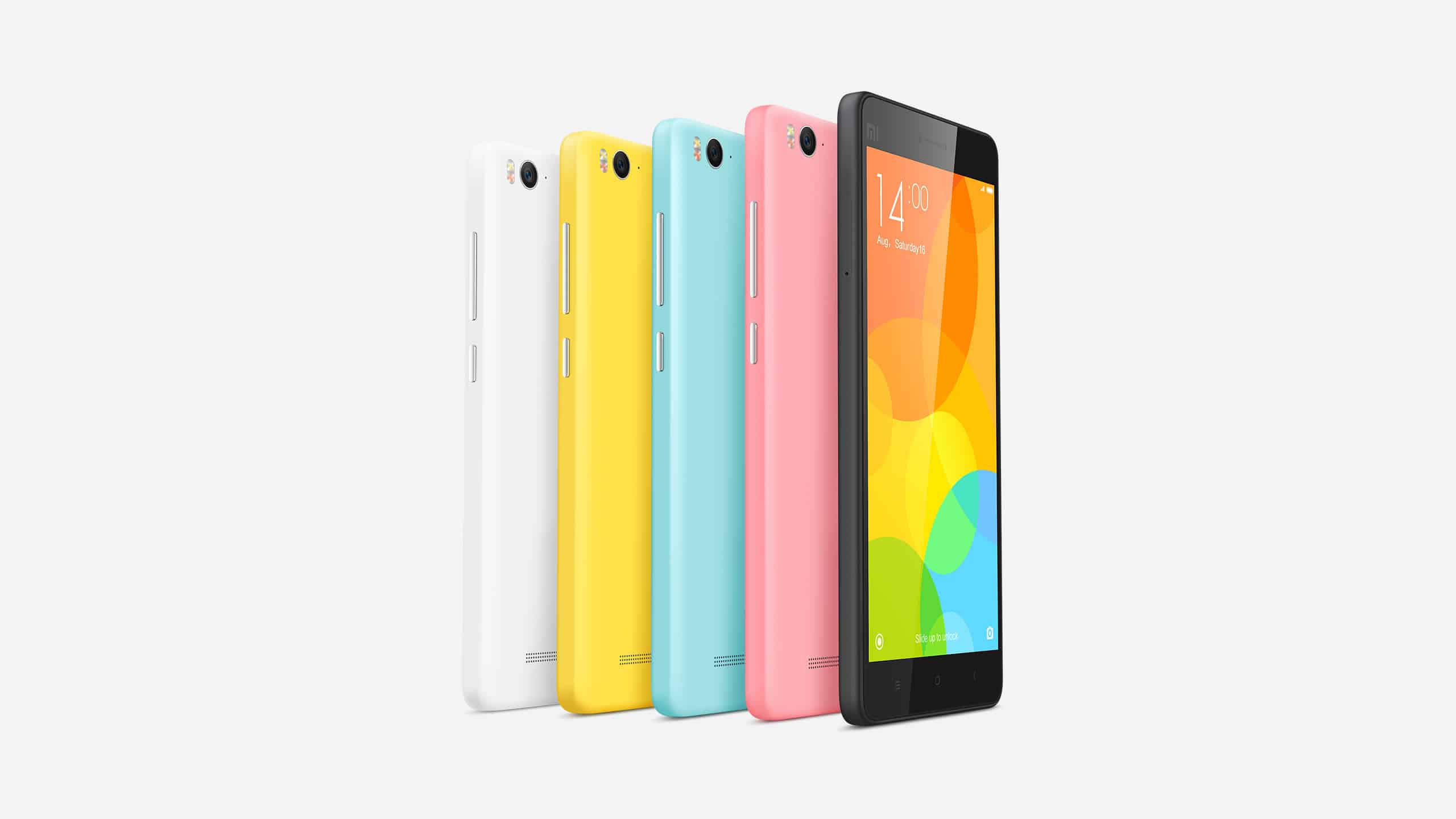
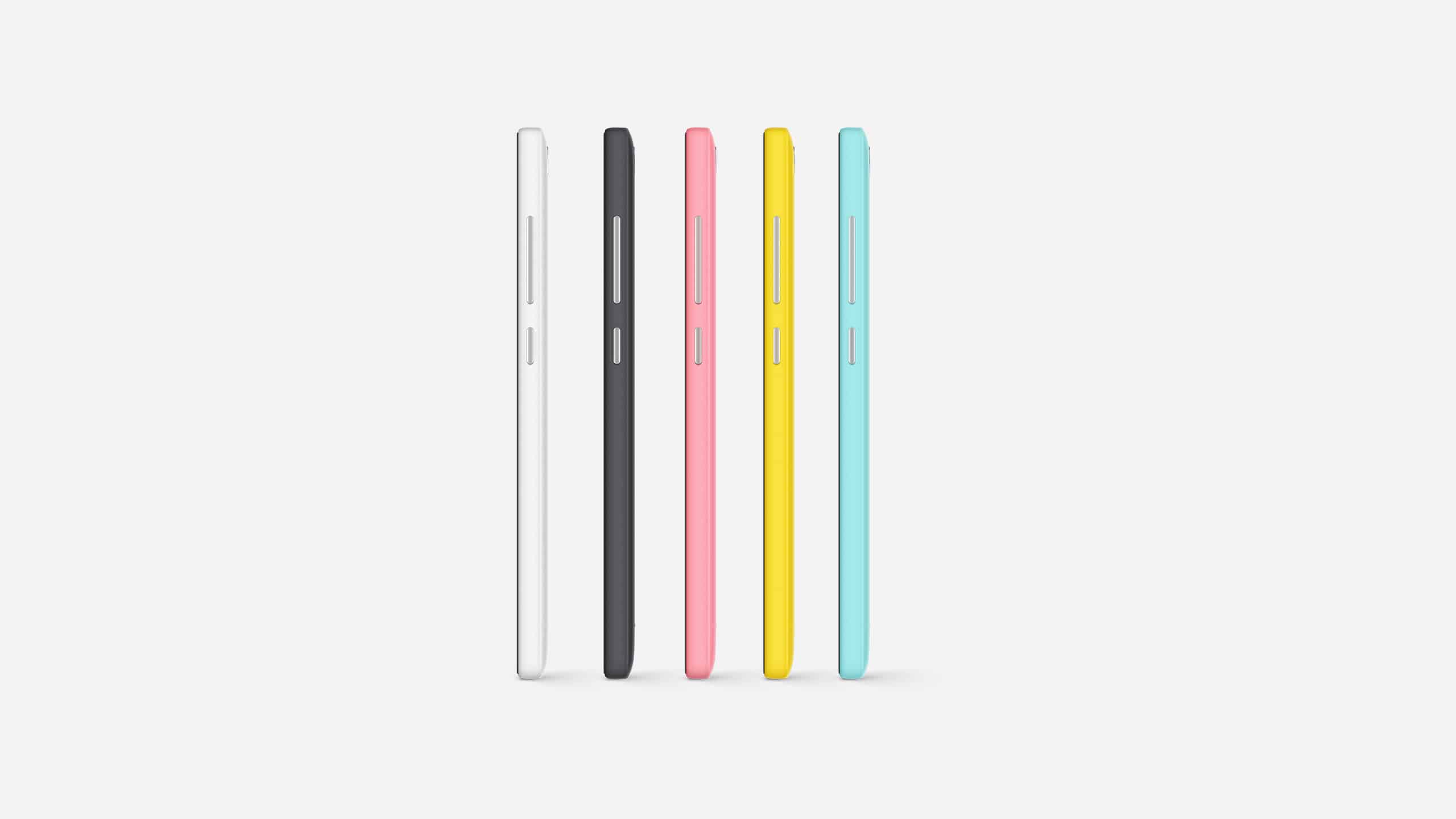
This is the first time we saw a Xiaomi Launch Event outside its homeland, China. The Xiaomi Mi4i phone carries a polycarbonate unibody design that is claimed to be 12% thinner and 13% lighter than the Xiaomi Mi4. The device comes in a dimension of 138.1 x 69.6 x 7.8 mm and weighs only 130g. The Mi 4i comes in five choices of colours: black, white, blue, yellow, and also pink.
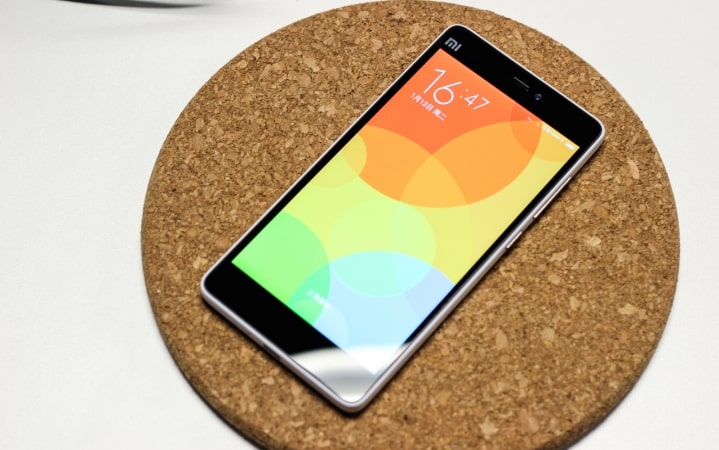
Also spotting a 5.0” fHD IPS display, the screen is covered with Corning Concore Glass and features Sunlight Display. This will automatically adjust the brightness in different conditions. The company proves that new displaying technology delivers better image quality and 30% more battery usage.
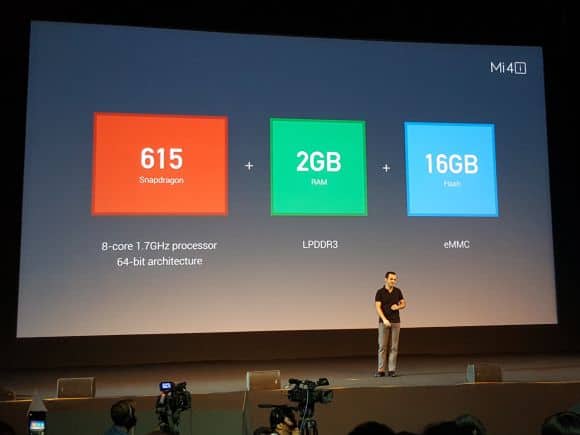
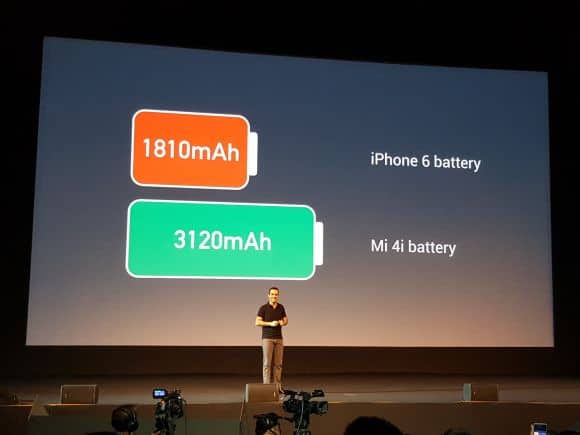
Talking about the Xiaomi Mi4i specs, this handset sports the 2nd generation of 64-bit quad-core Snapdragon 615 CPU clocked at 1.7 GHz, an Adreno 405 GPU handling graphic paired with 2GB RAM and 16GB of internal storage. It supports dual SIM and LTE connectivity on both SIMs. Keeping the lights on is a generous 3120 mAh battery which is believed to last for 1.5 days in normal usage with Quick Charge technology.
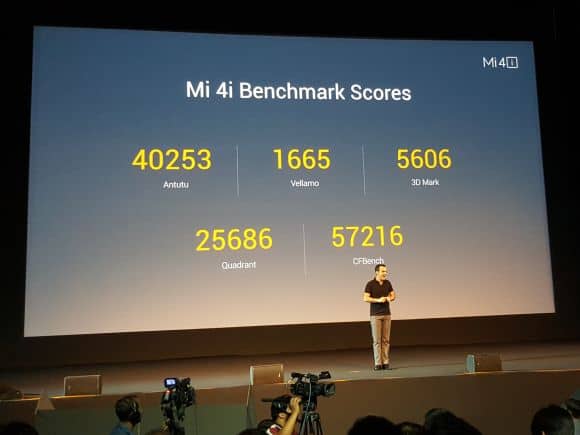
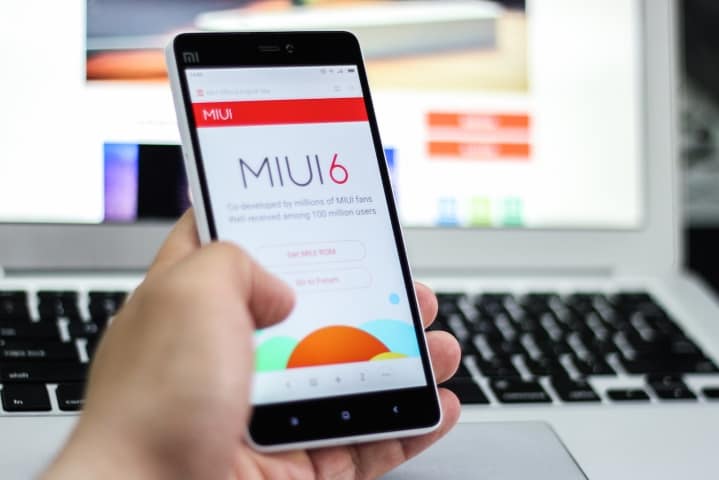
Though having a pretty humble internal storage, there seems to be no memory card slot on the new Xiaomi Mi 4i, like its forerunner Mi4. Android 5.0 Lollipop comes pre-intalled out of the box with MIUI 6 on top. This phone has been tested on Antutu and scored over 40,200.
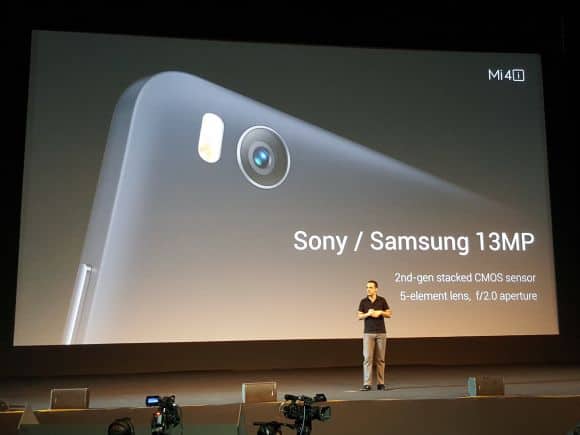
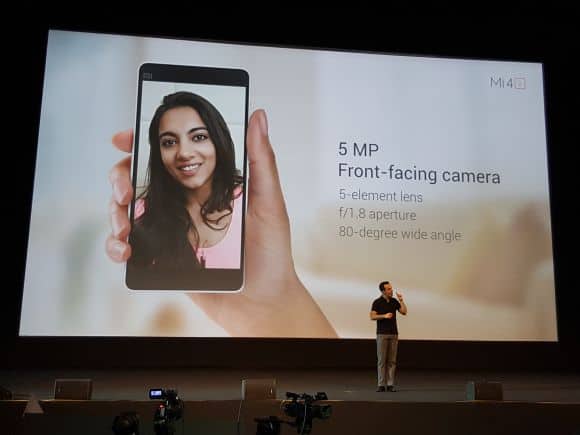
There is a huge update in the camera section here. Using a Sony/Samsung 13MP sensor, Xiaomi’s 5-element lens, dual-tone LED flash and f/2.0 aperture, main camera is promised to give high-quality pictures like the higher-end Xiaomi Mi Note. On the front of the device is 5MP, f/1.8 and 80-degree wide-angle shooter ready to meet any of your demand. Xiaomi has also developed the new IVR (Interactive Voice Recognition) to simplify annoying service line calls. Definitely, this camera is a slightly better than its sibling Xiaomi Mi4.
The Xiaomi Mi 4i will be available in India starting April 30 at Rs. 12999 but from now, Indians can pre-order on Flipkart. Mi’s fans shouldn’t have worried because this product is not an Indian exclusive. The Xiaomi Mi 4i release date in Malaysia may by somewhere in May 2015. The Xiaomi Mi4i Price in Malaysia is expected to be similar to the Indian market, which is equivalent to RM 746.
Xiaomi Mi 4i specs review:
- MIUI 6 running on top of Android 5.0 Lollipop
- 5-inch Sharp/JDI fully laminated display with 1080 x 1920-pixel (Full HD) resolution
- Qualcomm Snapdragon 615 (2nd generation) octa-core chip
- 2GB RAM, 16GB of internal storage
- polycarbonate wrap-around body
- 12% thinner, 13% lighter than Xiaomi Mi 4
- available in black, white, red, cyan, pink
- 13-megapixel main camera (Sony/Samsung sensors used) with f/2.0 lens and dual-tone flash
- 5-megapixel front camera with f/1.8 lens
- 3120mah battery
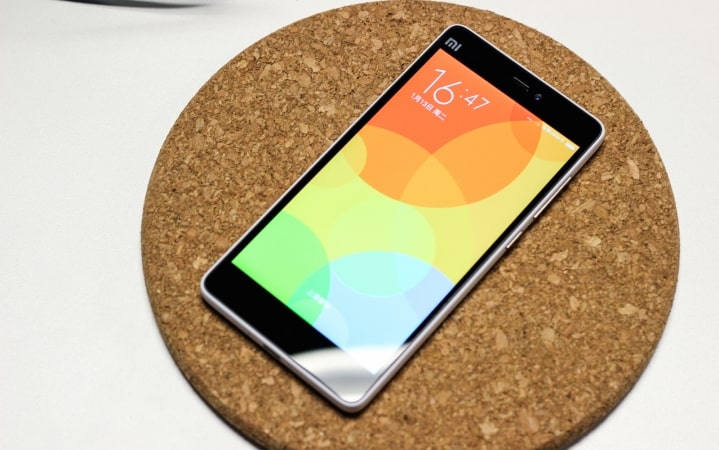
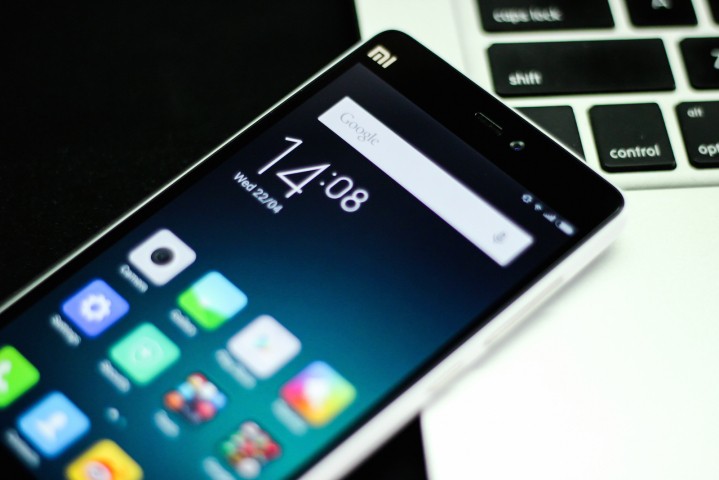
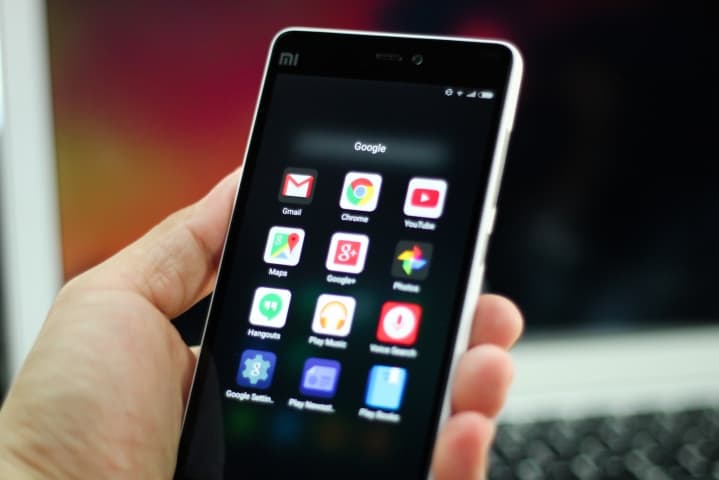
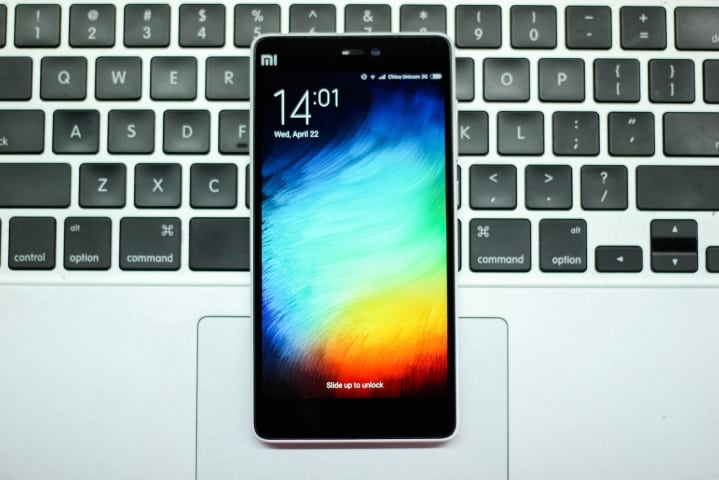
More Xiaomi Mi4i Hands on Pictures:




You May Like
-
Nokia Maze Xtreme 2026 Specs: 200MP Cameras, 12000mAh Battery!
-
Nokia XS Max 2026 Specs: 200MP Cameras, 10600mAh Battery!
-
Nokia P1 Lite 2026 Specs: 200MP Cameras, 11000mAh Battery!
-
Nokia Flash 2026 Specs: 16GB RAM, 200MP Cameras!
-
Sony Xperia Ultra Max Pro Specs: 200MP Cameras, 19100mAh Battery!
-
Nokia A2 Pro Specs: 18GB RAM, 12000mAh Battery!
-
Nokia Royale Max Ultra 2026 Specs: 24GB RAM, 18700mAh Battery!
-
Nokia Play 2 Max 2026 Specs: 24GB RAM, 12000mAh Battery!
-
مواصفات Sony Ericsson Satio 2026: ذاكرة RAM بسعة 16 جيجابايت، وكاميرات بدقة 250 ميجابكسل!
Oneplus One is going globally celebrating its 1st anniversary!!
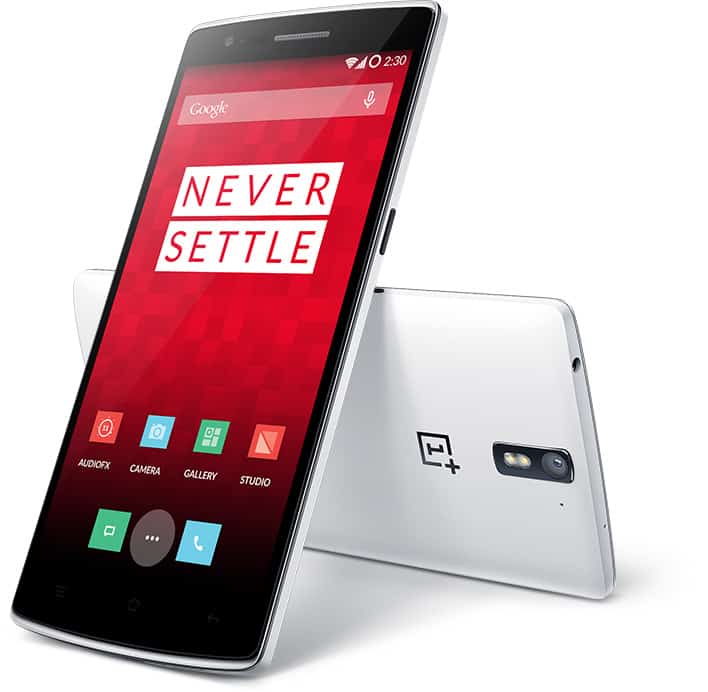
Today is a big day. Oneplus is celebrating 1st anniversary for its high-end smartphone Oneplus One. In this occasion, Oneplus has decided to offer the One phone without invites to all of its loyal customers along with other special offer.
It has been a successful year for the company and the one smartphone as well. The company has grown up to over 700 employees and more than one million Oneplus One units are sold worldwide. It is thanks to users’ comment, feedback and trust that the firm has made its own way to glory.
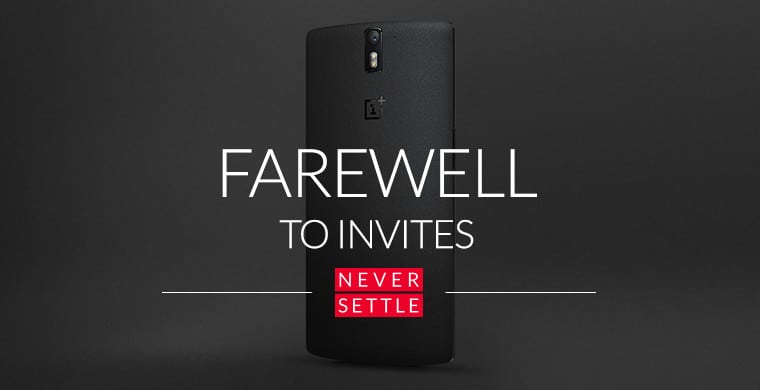
In response to all dedicated fans, starting today, Oneplus One is available without an invite FOREVER. The Oneplus One will be sold for everyone, everyday of the week as the company always wants to offer its products to more and more people.
Also, there will be a 75% off promotion on Flip Covers and Premium Screen Protectors which will only last for 24 hours. This special promo is limited for selected regions, such as: the USA, Canada, European Union, Hong Kong, and Taiwan. In Malaysia, Oneplus One accessories can you find in all Maxis centers as Maxis is designated as the exclusive Oneplus One retailer. Oneplus One price in Malaysia is at RM 859 with a 2-year contract. Off-contract Oneplus One will at RM 1199.
As mentioned Oneplus Blog, the Oneplus Two will be launched with invites but still maintain the razor-thin margins. the Company promise to bring the the best experience to all Oneplus customers.
Are you excited? We are going hyper owing to these news. Please share with us if you are going to take advantage of any news above in the comment below.
You May Like
-
Nokia Maze Xtreme 2026 Specs: 200MP Cameras, 12000mAh Battery!
-
Nokia XS Max 2026 Specs: 200MP Cameras, 10600mAh Battery!
-
Nokia P1 Lite 2026 Specs: 200MP Cameras, 11000mAh Battery!
-
Nokia Flash 2026 Specs: 16GB RAM, 200MP Cameras!
-
Sony Xperia Ultra Max Pro Specs: 200MP Cameras, 19100mAh Battery!
-
Nokia A2 Pro Specs: 18GB RAM, 12000mAh Battery!
-
Nokia Royale Max Ultra 2026 Specs: 24GB RAM, 18700mAh Battery!
-
Nokia Play 2 Max 2026 Specs: 24GB RAM, 12000mAh Battery!
-
مواصفات Sony Ericsson Satio 2026: ذاكرة RAM بسعة 16 جيجابايت، وكاميرات بدقة 250 ميجابكسل!
Microsoft Lumia 940 can sport 5.2″ display and 25MP Pureview camera?
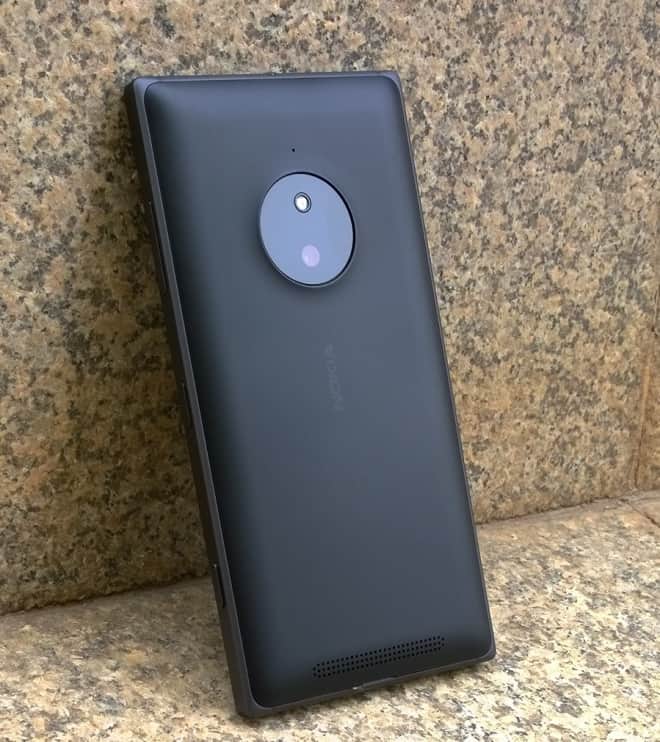
After acquiring Nokia’s smartphone section, Microsoft have produced its several own Lumia smartphone (like the Lumia 640 and Lumia 540) but we haven’t seen a high-end device yet. Later this year, Microsoft reportedly introduce the flagship Lumia 940 to replace the current premium Nokia Lumia 930. One more model can be introduced together with the Microsoft Lumia 940 is a phablet Microsoft Lumia 940 XL.
We don’t know yet about the Lumia release date but we can guess some possible specs on the so-called Microsoft Lumia 940.
Speculated Microsoft Lumia 940 specs
Previous reports said the phone would pack a 5” display like its predecessor, the Lumia 930. However, the latest article on Nokia Power User mentioned that the Microsoft Lumia 940 would be shipped with a larger 5.2” display instead, while the Microsoft Lumia 940 XL display bump up to 5.7”. No hint on the resolution yet but it would be better to pack fHD resolution to an over-5-inch display these days.
We can hope the new Lumia smartphones will have at least octa-core CPU, 4GB RAM and 32GB internal storage. We will witness a huge change in shooting when a 24MP or 25MP Pureview main camera sticks to the back of the device. Front-facing camera on both Lumias will be updated to 5MP or 8MP.
New phones, new technique. Some other rumored features on the new Lumias include native pen support, iris scanning capabilities and 3D interactions. Next Lumias flagship should run on the new Windows 10, which is now available only as a Technical Preview.

In our thought, both new Microsoft Lumia940 and 940 XL release date are expected to appear no later than June 2015 when Microsoft allegedly debut the new Windows 10 OS. In the meantime, we have no idea how the phones will look like. Will they inherit the Lumia design? Or will they be distinctive?
Hopefully, Malaysia will be on top list of launching and the Lumia 940 prices are acceptable as well.
You May Like
-
Nokia Maze Xtreme 2026 Specs: 200MP Cameras, 12000mAh Battery!
-
Nokia XS Max 2026 Specs: 200MP Cameras, 10600mAh Battery!
-
Nokia P1 Lite 2026 Specs: 200MP Cameras, 11000mAh Battery!
-
Nokia Flash 2026 Specs: 16GB RAM, 200MP Cameras!
-
Sony Xperia Ultra Max Pro Specs: 200MP Cameras, 19100mAh Battery!
-
Nokia A2 Pro Specs: 18GB RAM, 12000mAh Battery!
-
Nokia Royale Max Ultra 2026 Specs: 24GB RAM, 18700mAh Battery!
-
Nokia Play 2 Max 2026 Specs: 24GB RAM, 12000mAh Battery!
-
مواصفات Sony Ericsson Satio 2026: ذاكرة RAM بسعة 16 جيجابايت، وكاميرات بدقة 250 ميجابكسل!