Display: 5.5-inch Full HD with Gorilla Glass
Author: chris eilers
Chris is an experienced Digital Marketer and Growth Hacker with work experience in Mckinsey Germany and Rocket Internet Asia. He is the CEO of Oizoioi Malaysia and actively engaged in the Startup Scene in South East Asia.
Nokia was the first to make AMOLED Display, NOT Samsung ?
Samsung is known for many high-end features and one of them is AMOLED screen, even we are now having the Super AMOLED display . Most high-end models are equipped with this technological displays. Nevertheless, this invention was not first made by Samsung but Nokia.
Originally launched in 8/2008, Nokia N85 is the first phone models to be equipped the Amoled screen with dimension of 2.6-inches and a resolution of 240×320. N85 is the smart phones using the Symbian operating system. Moreover, the device can slide in both directions with the purpose to use its special functions.
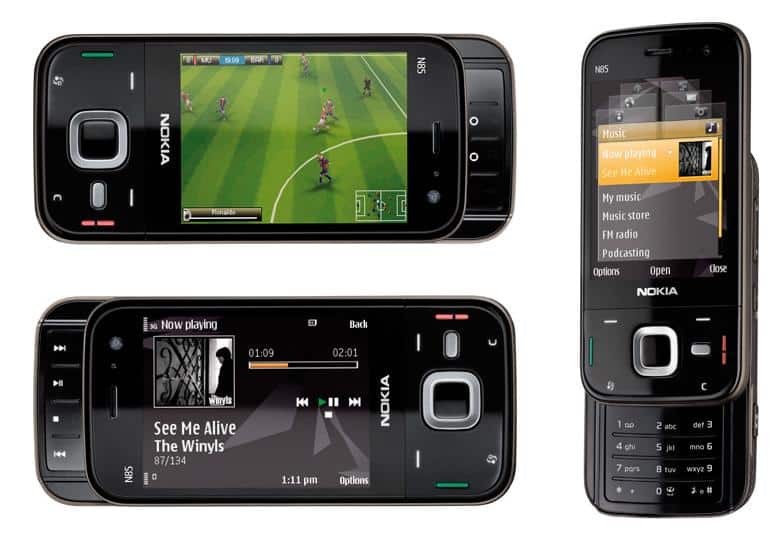
At the time of 2008, the N85 is equipped some of extremely notable features such as 3.5 G connectivity, Wi-Fi, 5-megapixel camera with Carl Zeiss lens and autofocus capabilities
The first machine of Samsung to use the AMOLED display is the i7110 is the machine which was launched in October 2008. Until Febuary 2009, this new model officially appeared on the market. Sharing the same similarities of the N85, Samsung i7110 uses Symbian operating system and has a 2.6 inch AMOLED screen with the 240×320 resolution and candybar design, but it cannot be slipped.
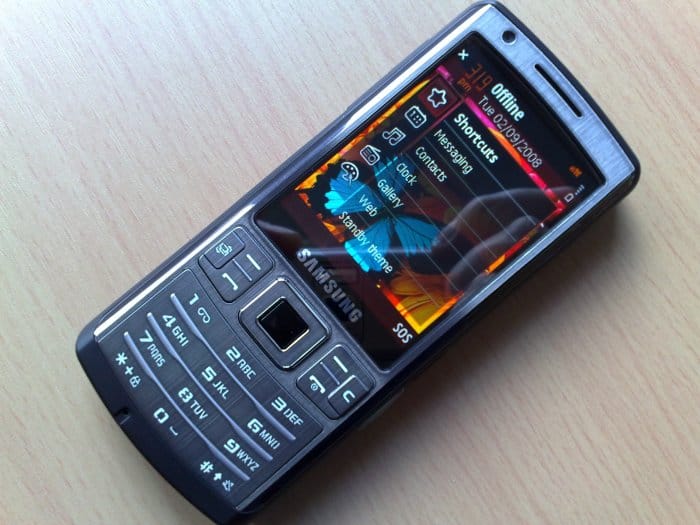
In 2008, there were various types of handsets came with the OLED display. However, the Amoled was introduced as an advanced technology which had lower power consumption and better frequency response times. At that time, the first two handsets equipped AMOLED Screen performed quite poor under direct sunlight, both machines can not display well. Then, they are not the touch screens for sure.
How about you? Which was your first smartphone that have the AMOLED display feature? Tell us your stories 😉
You May Like
-
 Nokia Maze Xtreme 2026 Specs: 200MP Cameras, 12000mAh Battery!
-
Nokia XS Max 2026 Specs: 200MP Cameras, 10600mAh Battery!
-
 Nokia P1 Lite 2026 Specs: 200MP Cameras, 11000mAh Battery!
-
Nokia Flash 2026 Specs: 16GB RAM, 200MP Cameras!
-
Sony Xperia Ultra Max Pro Specs: 200MP Cameras, 19100mAh Battery!
-
Nokia A2 Pro Specs: 18GB RAM, 12000mAh Battery!
-
Nokia Royale Max Ultra 2026 Specs: 24GB RAM, 18700mAh Battery!
-
 Nokia Play 2 Max 2026 Specs: 24GB RAM, 12000mAh Battery!
-
مواصفات Sony Ericsson Satio 2026: ذاكرة RAM بسعة 16 جيجابايت، وكاميرات بدقة 250 ميجابكسل!
Lenovo ZUK Transparent Screen Phone is coming true
Not long ago, we were informed that Lenovo shipment was from No. 3 down to No. 5 in smartphone rankings. Yet, it might be a strong stimulus for Lenovo to create new things. And that has been proved by their latest device, which impresses a lot of people by owning super slim bezels and a great display.

At an event held in China last Thursday, Lenovo officially announced their original smartphone equipped with a transparent screen under the brand ZUK. According to many attendees, this device is very impressive due to its remarkably thin borders and gorgeous displaying ability.

In terms of ZUK design, you will get surprised once knowing that it has a transparent screen, like an ordinary piece of glass, literally. It not only works as a typical smartphone screen but also allows users to look through it clearly. Besides, the manufacturer adds that their transparent handset totally can do what a common Android phone does such as displaying images, making phone calls, playing music, etc.

Spec-wise, though there is little information about this machine revealed, some experts predicts that its resolution is very high and how the camera works is an interesting mystery. Moreover, the best part could be the way Lenovo deals with the battery installation, which is likely to make the screen not as transparent as what we are seeing in the pics.
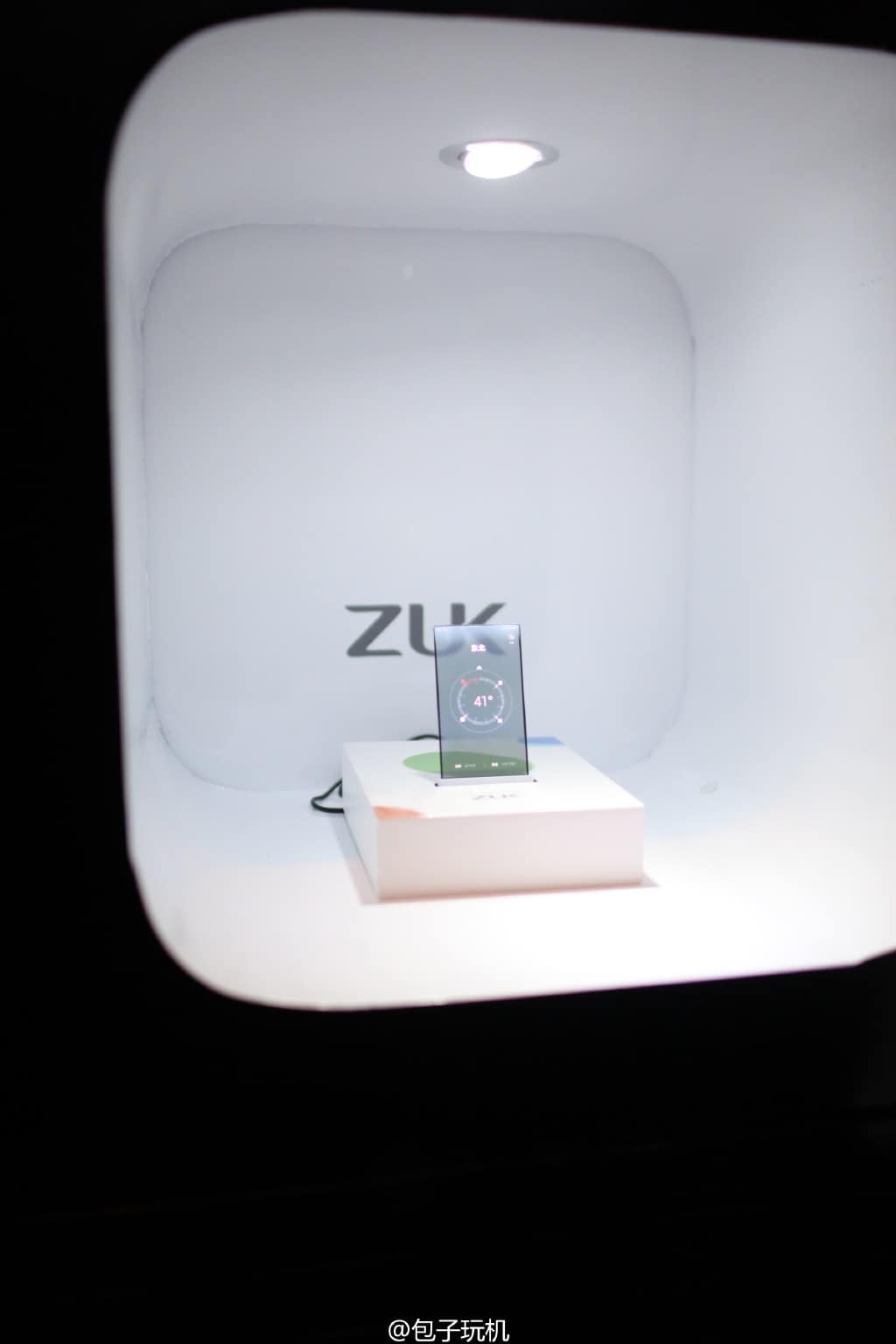
To recap, we really feel excited with this new Lenovo smartphone. If they can keep it transparent like what they showed at the event, we assume Lenovo will probably start a new trend for the future. Unfortunately, the firm has not claimed anything for this ZUK smartphone launch and price.
Well, what do you think about this idea? Is it possible for Lenovo to produce such an outstanding phone with a large quantity? Share with us your opinion!
You May Like
-
Nokia Maze Xtreme 2026 Specs: 200MP Cameras, 12000mAh Battery!
-
Nokia XS Max 2026 Specs: 200MP Cameras, 10600mAh Battery!
-
Nokia P1 Lite 2026 Specs: 200MP Cameras, 11000mAh Battery!
-
Nokia Flash 2026 Specs: 16GB RAM, 200MP Cameras!
-
Sony Xperia Ultra Max Pro Specs: 200MP Cameras, 19100mAh Battery!
-
Nokia A2 Pro Specs: 18GB RAM, 12000mAh Battery!
-
Nokia Royale Max Ultra 2026 Specs: 24GB RAM, 18700mAh Battery!
-
Nokia Play 2 Max 2026 Specs: 24GB RAM, 12000mAh Battery!
-
مواصفات Sony Ericsson Satio 2026: ذاكرة RAM بسعة 16 جيجابايت، وكاميرات بدقة 250 ميجابكسل!
8 GREATEST Chinese Smartphones You Can’t Miss This 2015
Wondering which smarphone should you pick for this season? Here we will offer you some of the best smartphones of the mid of 2015 which are the greatest ones with the really great specifications and the best of prices also. These handset are made by various famous Chinese manufacturer brands! Now, let’s see what we got!
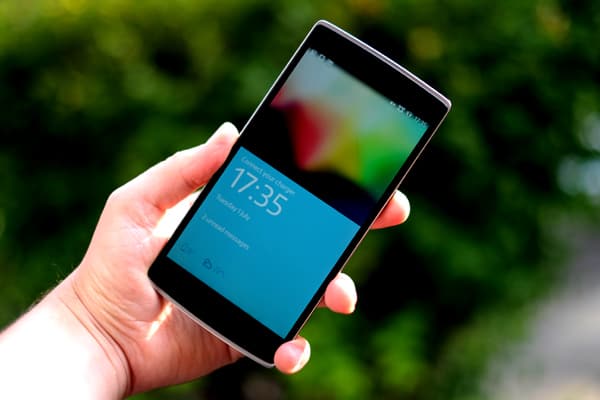
Dimensions : 151.8 x 74.9 x9.85 mm (175 grams)
Operating System : OxygenOS based on Android 5.1
CPU : 64-bit Qualcomm Snapdragon 810 processor with 1.8 GH
GPU : Adreno 430
RAM : 4 GB / Storage : 64 GB
Battery : 3,300 mAh
Other features : Fingerprint sensor
Price : 399$ (appx. RM1600)
2-Mstar M1 Pro
Display: 5.5-inch HD IPS-OGS
Dimensions: 150.0 x 70.6 x 8.2 mm.
Operating System: Vanilla Android 5.0 Lollipop.
CPU: MediaTek MTK6752 octa-core (8×1,7GHz)
GPU :Mali-760 MP2 as GPU.
Camera: 13 megapixel (front), 8 megapixel (rear), geo-tagging, touch focus, face detection, panorama, HDR.
Other features: Proximity sensor, gravity sensor gesture support, 4G.
Battery: 3000mAh.
Price: 139$ (appx. RM570)

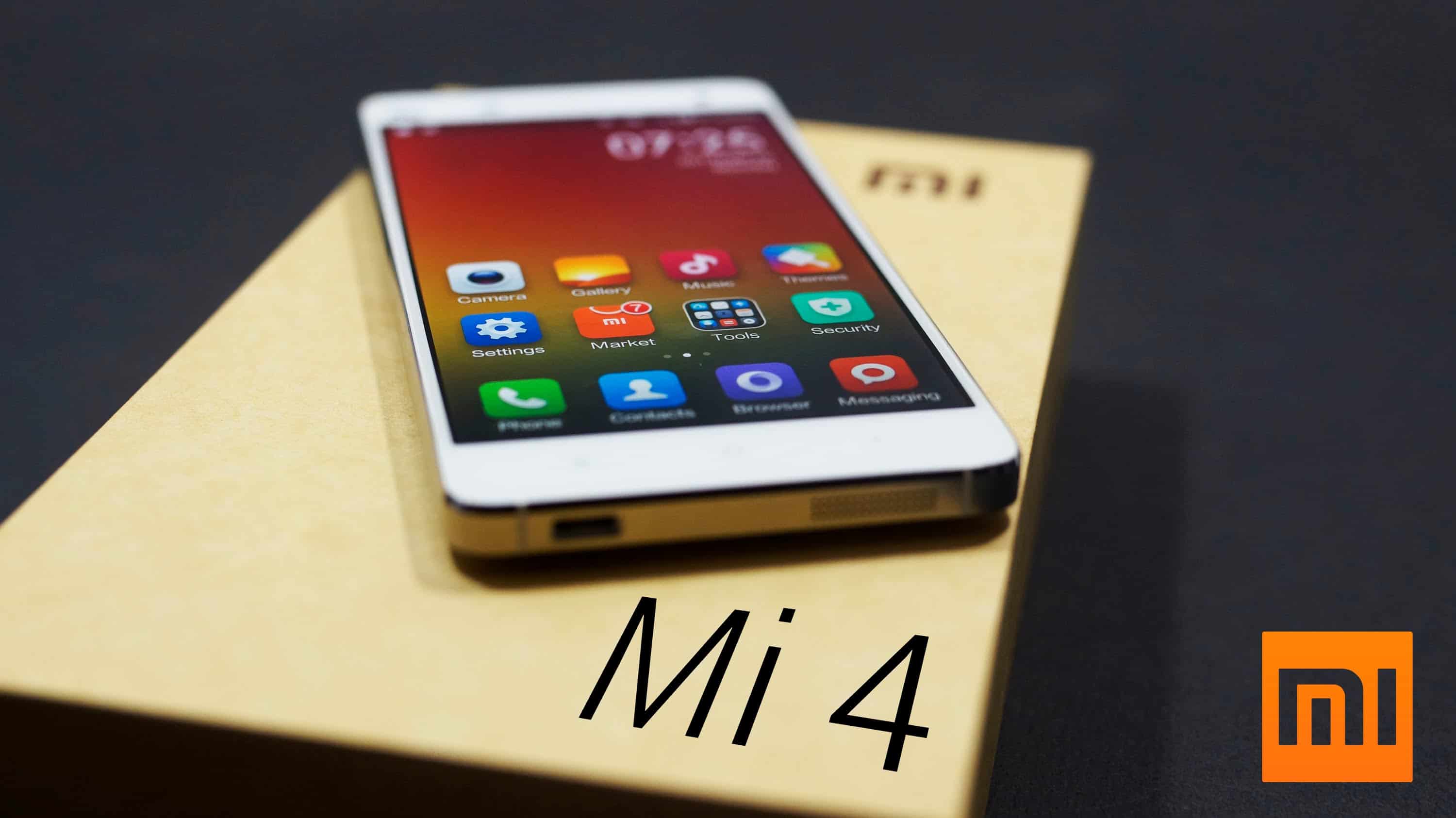
Display: 5-inch FullHD IPS+OGS LCD screen.
Dimension: 139.2 x 68.5 x 8.9 mm.
Operating System : Android 4.4.3 KitKat with MIUI UI.
CPU: Qualcomm MSM8974AC Snapdragon 801 quad-core (4×2.5GHz)
GPU Adreno 330
Camera: 13 megapixel (main), 8 megapixels (front)
Other features: 4K recording, GLONASS, Beidou, Wi-Fi Direct, DLNA, 4G.
Battery: 3080mAh.
Price: 289$.(appx. RM1200)
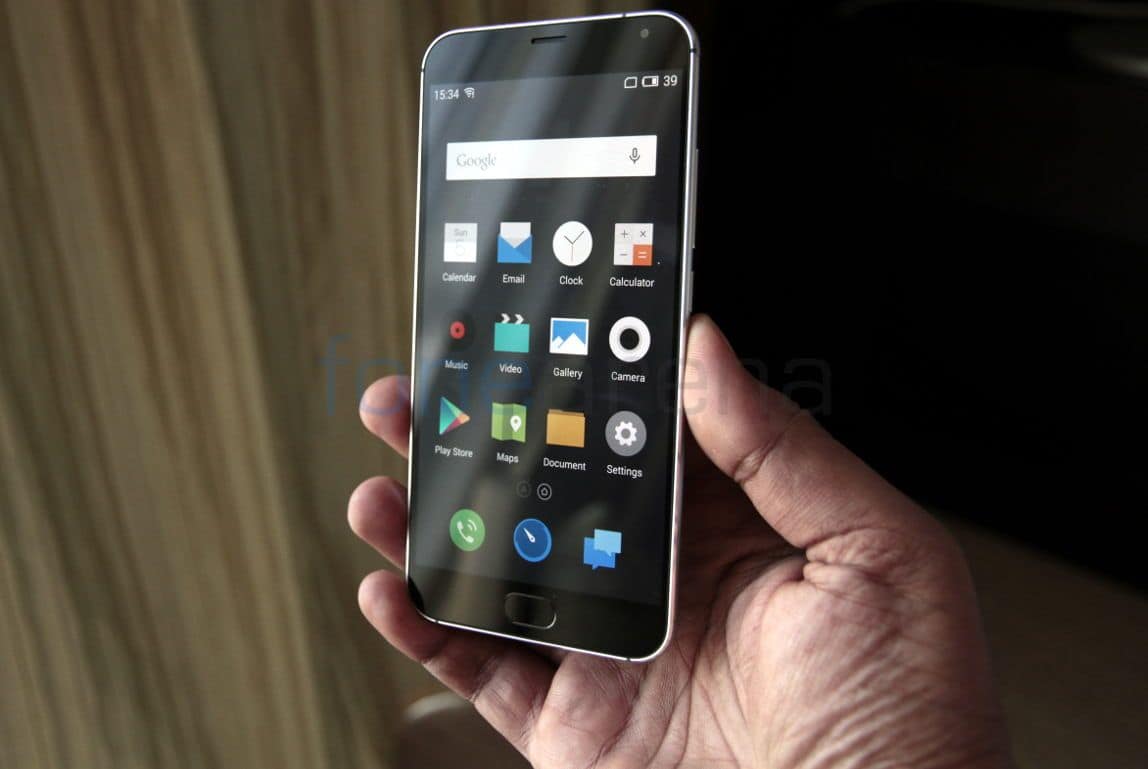
Display: 5,5.inch FullHD AMOLED+Gorilla Glass 3.
Dimension: 149.9 x 74.7 x 7.6 mm.
Operating System: Flyme 4.5.
CPU: MediaTek MTK6796 octa-core (4×2.2GHz)
GPU : PowerVR G6200 MP4
Camera: 20.7 megapixel (rear), 5 megapixel (front), 4K video recording.
Other features: Laser autofocus, dual-LED (dual tone) flash, Wi-Fi Direct, GLONASS, fingerprint reader, 4G.
Battery: 3150mAh (Non-removable)
Price: 329$.(appx. RM1350)
Display: 4.7-Inch HD IPS LCD+Gorilla Glass 2.
Dimension : 134 x 67.2 x 9.4 mm.
Operating System: Android 4.4.4 KitKat with MIUI UI.
CPU: Qualcomm MSM8916 Snapdragon 410 quad-core (4×1.2GHz)
GPU: Adreno 306
Camera: 8 megapixel (main), 5 megapixel (front)
Other features: GLONASS, Beidou, Wi-Fi Direct, 4G.
Battery: 2200mAh
Price: 135$.(appx. RM550)

Display: 5,5 FullHD IPS+Gorilla Glass 3 screen.
Dimension: 77.4 x 158.1 x 8.6mm.
Operating System: Vanilla Android 5.1 Lollipop.
CPU: Mediatek MTK6752 octa-core (8×1.7GHz)
GPU: Mali-T760 MP2
Camera: 13 megapixel (main), 5 megapixel (front)
Other features: GLONASS, fingerprint reader, 4G.
Battery: 3050mAh
Price: 199$.(appx. RM820)
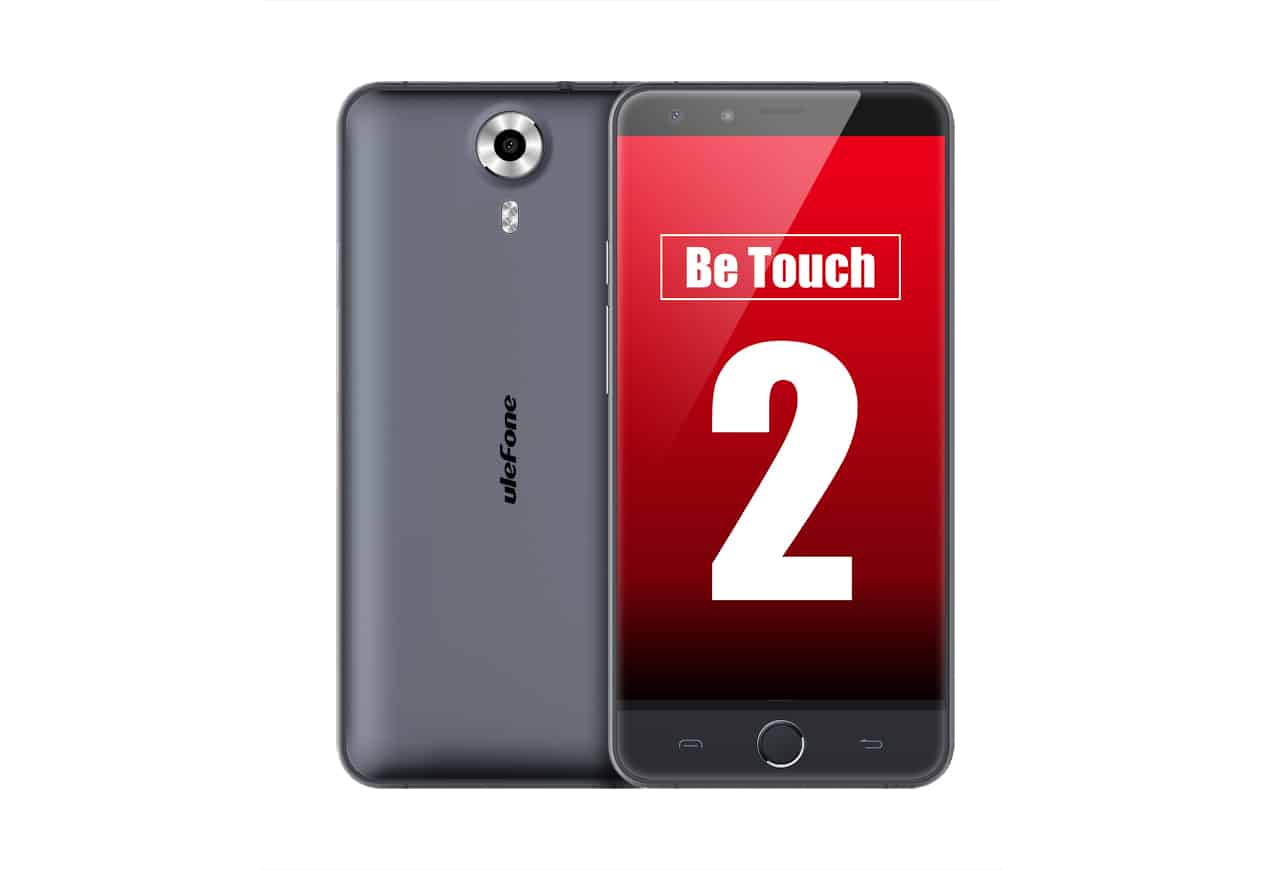
Display: 5-inch HD IPS screen.
Dimension: 72.2 x 143 x 8.8mm.
Operating System : Vanilla Android 5.0 Lollipop.
CPU : MediaTek MTK6735 quad-core (4×1.3GHz)
GPU: Mali-T720
Camera: 5 megapixel (main), 2 megapixel (front)
Other features: NFC.
Battery: 2200mAh
Price: 60$.(appx. RM250)
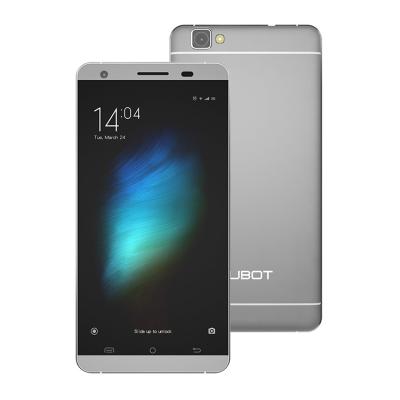
Display: 5.5-inch FullHD IPS.
Dimension: 76 x 153 x 6.9mm.
Operating System: Vanilla Android 5.1 Lollipop.
CPU: MediaTek MTK6735A quad-core (4×1.3GHz)
GPU: Mali-T720 as support GPU.
Camera: 13 megapixel (interpolated to 16 megapixel) (rear), 5 megapixel (interpolated 8 megapixel) (front), geo tagging, auto focus, HDR, panorama, face/smile detection.
Other features: HotKnot, gesture support, 4G.
Battery: 2750mAh
Price: 166$.(appx. RM680)
You May Like
-
Nokia Maze Xtreme 2026 Specs: 200MP Cameras, 12000mAh Battery!
-
Nokia XS Max 2026 Specs: 200MP Cameras, 10600mAh Battery!
-
Nokia P1 Lite 2026 Specs: 200MP Cameras, 11000mAh Battery!
-
Nokia Flash 2026 Specs: 16GB RAM, 200MP Cameras!
-
Sony Xperia Ultra Max Pro Specs: 200MP Cameras, 19100mAh Battery!
-
Nokia A2 Pro Specs: 18GB RAM, 12000mAh Battery!
-
Nokia Royale Max Ultra 2026 Specs: 24GB RAM, 18700mAh Battery!
-
Nokia Play 2 Max 2026 Specs: 24GB RAM, 12000mAh Battery!
-
مواصفات Sony Ericsson Satio 2026: ذاكرة RAM بسعة 16 جيجابايت، وكاميرات بدقة 250 ميجابكسل!
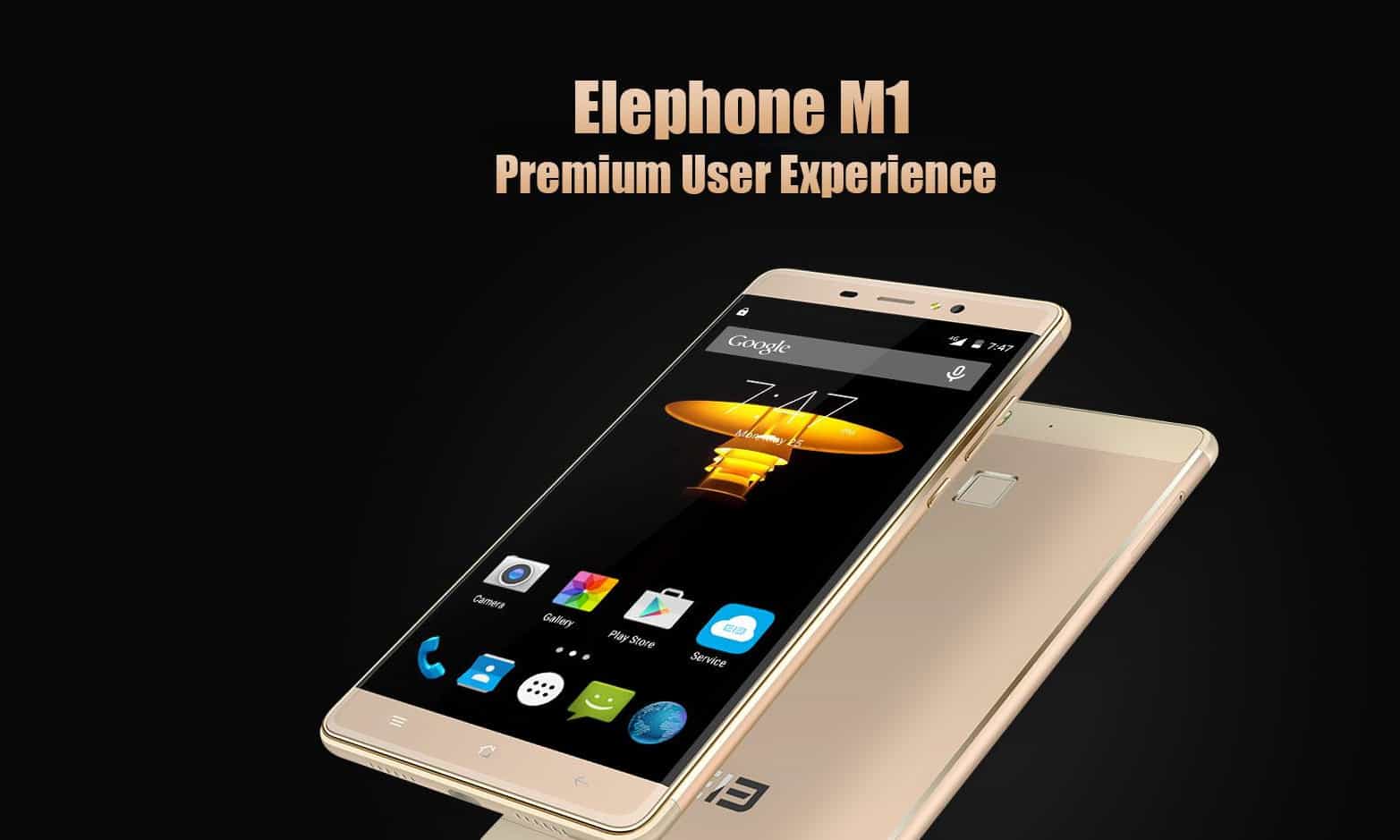
Elephone M1: 5.5-full HD, 13 MP camera and MediaTek chipset
Elephone still keeps the heating temper in recent smarphone martkets because of its up-to-date technologies. Let’s take a look over the last year, the Elephone smartphones were the first with low price to have the fingerprint scanner which is now a favourite features equipped on many latest devices.
Recently, this Chinese manufacturer has announced that they are going to give out the latest Business M series handsets, one of them is considered to be the high-end midrange Elephone M1. This upcoming smartphone will be the one that come with beautiful desin and great specs. Now, we will find out what special features that the device will give us.
Elephone M1 Specs
The Elephone M1 display comes with the 5.5-inch FullHD with the 400dpi resolution. The smartphone powered by Android version 5.1 Lollipop and runs the MediaTek MT6752 SoC with the 64-bit cores, along with Mali-T720 GPU with 3GB of RAM.
For taking photograph, the Elephone M1 offers the 13-megapixel main camera and 5-megapixel front camera for taking selfie pictures. In terms of the connectivity, the smartphone comes with WiFi, Bluetooth, GPS, dual-SIM that support 4G. Moreover, users can also experience the fingerprint sensor in the back side to unclock the device.
Availability and Price
For the Elephone M1 price in Malaysia isn’t revealed yet, and there hasn’t any exact information about the release date either. But you don’t have to worry about the high price of the Elephone M1, because the device promises to have the affordable price in the market. Moreover, it is expected that the Elephone M1 releasing date will be in the September of this year.
If you are interested in the this new M series device of the Elephone brand. Stay tuned! We will update the latest information !
You May Like
-
Nokia Maze Xtreme 2026 Specs: 200MP Cameras, 12000mAh Battery!
-
Nokia XS Max 2026 Specs: 200MP Cameras, 10600mAh Battery!
-
Nokia P1 Lite 2026 Specs: 200MP Cameras, 11000mAh Battery!
-
Nokia Flash 2026 Specs: 16GB RAM, 200MP Cameras!
-
Sony Xperia Ultra Max Pro Specs: 200MP Cameras, 19100mAh Battery!
-
Nokia A2 Pro Specs: 18GB RAM, 12000mAh Battery!
-
Nokia Royale Max Ultra 2026 Specs: 24GB RAM, 18700mAh Battery!
-
Nokia Play 2 Max 2026 Specs: 24GB RAM, 12000mAh Battery!
-
مواصفات Sony Ericsson Satio 2026: ذاكرة RAM بسعة 16 جيجابايت، وكاميرات بدقة 250 ميجابكسل!
ASUS ZenFone Zoom Malaysia: 4GB RAM and best-in-class Zoom
This is such good news for ASUS fans as well as those who want to have a camera-centric device. Recently, ASUS Malaysia has revealed that they will bring ASUS ZenFone Zoom to Malaysia at the end of the year. Actually, we expected that it could have got here earlier since ASUS ZenFone Zoom was introduced at Consumer Electronics Show (CES) 2015 in January. Anyhow, so glad that it made it finally.
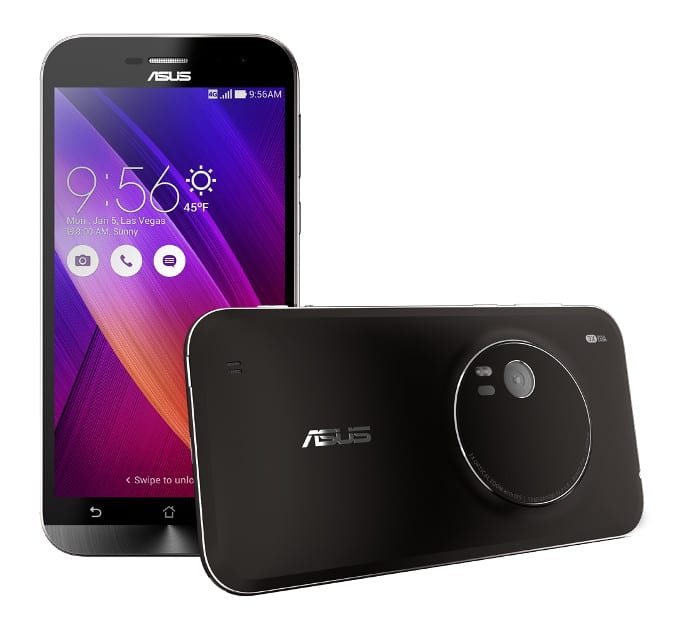
As we know, ASUS ZenFone Zoom Malaysia is a smartphone focusing on taking-photo ability thanks to its 13MP rear snapper with optical image stabilization, laser autofocus, 10-element lens, 3x optical zoom, and dual-colour Real Tone Xenon flash. The front shooter is also pretty good when capable of 5 mega-pixels with an 88-degree F2.0 lens.
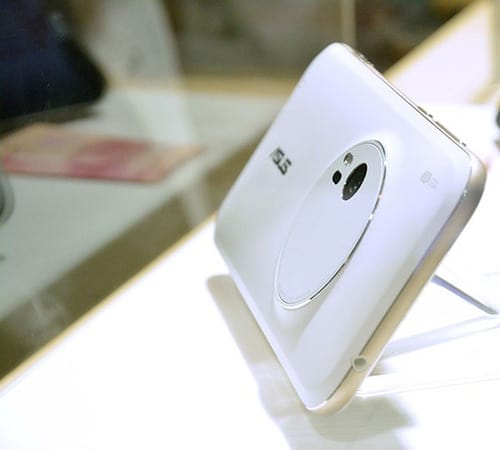
Not only the camera combo but other ASUS ZenFone Zoom specs are also worth considering. Specifically, it features a 5.5-inch FHD display, a 3,000mAh battery, LTE connectivity, and Android 5.0 Lollipop with ASUS ZenUI OS. You have two choices over the RAM capacity like ASUS ZenFone 2: 2GB and 4GB RAM, and four for the storage: 16, 32, 64, and remarkable 128GB. For a general view of ASUS ZenFone Zoom specs, let’s take a look at the following table:
| Dimensions | 158.9 x 78.8 x 12 mm |
| Weight | 185 g |
| Size | 5.5-inch, 1080 x 1920 pixels (~403 ppi pixel density) IPS capacitive touchscreen, 16M colors Corning Gorilla Glass 3 |
| OS | ASUS ZenUI, Android OS, v5.0 (Lollipop) |
| Chipset | Intel Atom Z3580, Quad-core 2.3 GHz |
| Card slot | Up to 64 GB |
| Storage | 16/32/64/128 GB |
| RAM | 2/4 GB |
| Camera | Rear: 13 MP, 4128 x 3096 pixels, laser autofocus, 3x optical zoom, optical image stabilization, dual-LED (dual tone) flash |
| Front: 5 MP | |
| Battery | Non-removable Li-Po 3000 mAh |
| Colors | Meteorite black, Glacier white |
In conclusion, we hope that there would not be any delays in releasing ASUS ZenFone Zoom in Malaysia at the end of 2015. More information related to this ASUS product as well as ASUS ZenFone Zoom price in Malaysia will be updated once we receive.
You May Like
-
Nokia Maze Xtreme 2026 Specs: 200MP Cameras, 12000mAh Battery!
-
Nokia XS Max 2026 Specs: 200MP Cameras, 10600mAh Battery!
-
Nokia P1 Lite 2026 Specs: 200MP Cameras, 11000mAh Battery!
-
Nokia Flash 2026 Specs: 16GB RAM, 200MP Cameras!
-
Sony Xperia Ultra Max Pro Specs: 200MP Cameras, 19100mAh Battery!
-
Nokia A2 Pro Specs: 18GB RAM, 12000mAh Battery!
-
Nokia Royale Max Ultra 2026 Specs: 24GB RAM, 18700mAh Battery!
-
Nokia Play 2 Max 2026 Specs: 24GB RAM, 12000mAh Battery!
-
مواصفات Sony Ericsson Satio 2026: ذاكرة RAM بسعة 16 جيجابايت، وكاميرات بدقة 250 ميجابكسل!
Meizu MX5 Pro Plus to sport 2K screen, Exynos 7420 chip and 4GB RAM?
As what we have heard, Meizu is going to release a high-end smartphone equipped with an Exynos chip of Samsung.
According to a Chinese news source, Meizu is planning to use Exynos chip, a Samsung’s processor, for their upcoming flagship in late 2015. Many people assume that it can be the successor to the flagship Meizu MX5 launched in the middle of the year.
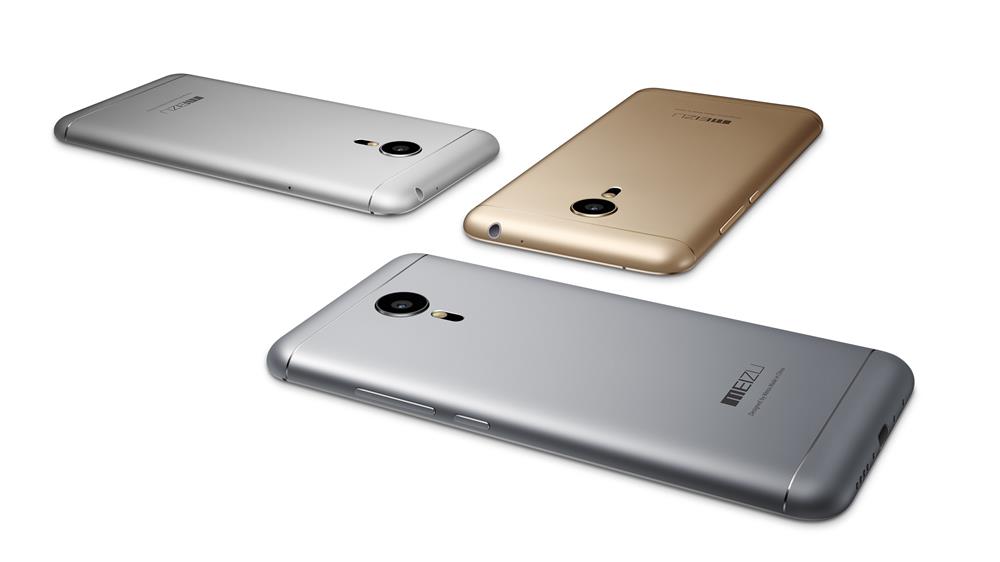
It is expected that the high-end Meizu flagship will be Meizu MX5 Pro Plus, instead of the name Meizu MX5 Pro like it was rumored before. In addition, it will be the main Meizu product to join the race and compete with other strong devices such as Xiaomi Mi Note, Xiaomi Mi Note Pro and perhaps even the most anticipated Xiaomi Mi5 and Xiaomi Mi5 Plus. To support their fighter, Meizu is said to be considering choosing Samsung Exynos 7420 chip. Well, will it be a good choice?
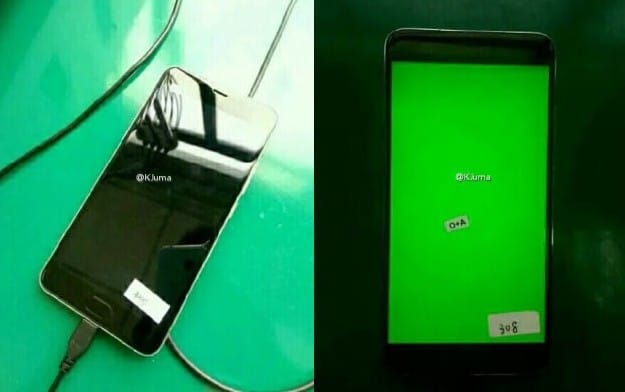
Maybe! Exynos 7420 is the chip that is being used for most premium handsets of Samsung like Samsung Galaxy S6, S6 edge, and the latest duo Samsung Galaxy Note 5 and S6 edge Plus. So, if Meizu MX5 Pro Plus is really going to include this one plus other top specs, it can become a super “tough guy” that other brands should be watching out.
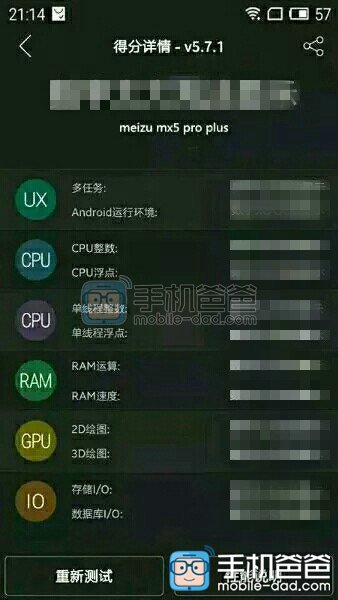
On the other hand, another reason for Meizu to opt for this Samsung chip is that the Qualcomm Snapdragon 810 is receiving many complaints due to causing overheating issue. Meanwhile, though MediaTek chips have good quality and price, they are not likely to bring premium feeling for a flagship phone. As a result, it seems like Samsung’s SoC Exynos 7420 is the best option at the moment.
In terms of Meizu MX5 Pro Plus specs, we are not informed of much info but pieces we collected are quite important. Specifically, it will sport a 6-inch screen with Quad HD (1.536 x 2.560 pixel) resolution, 4GB RAM and a 20,7MP rear camera.
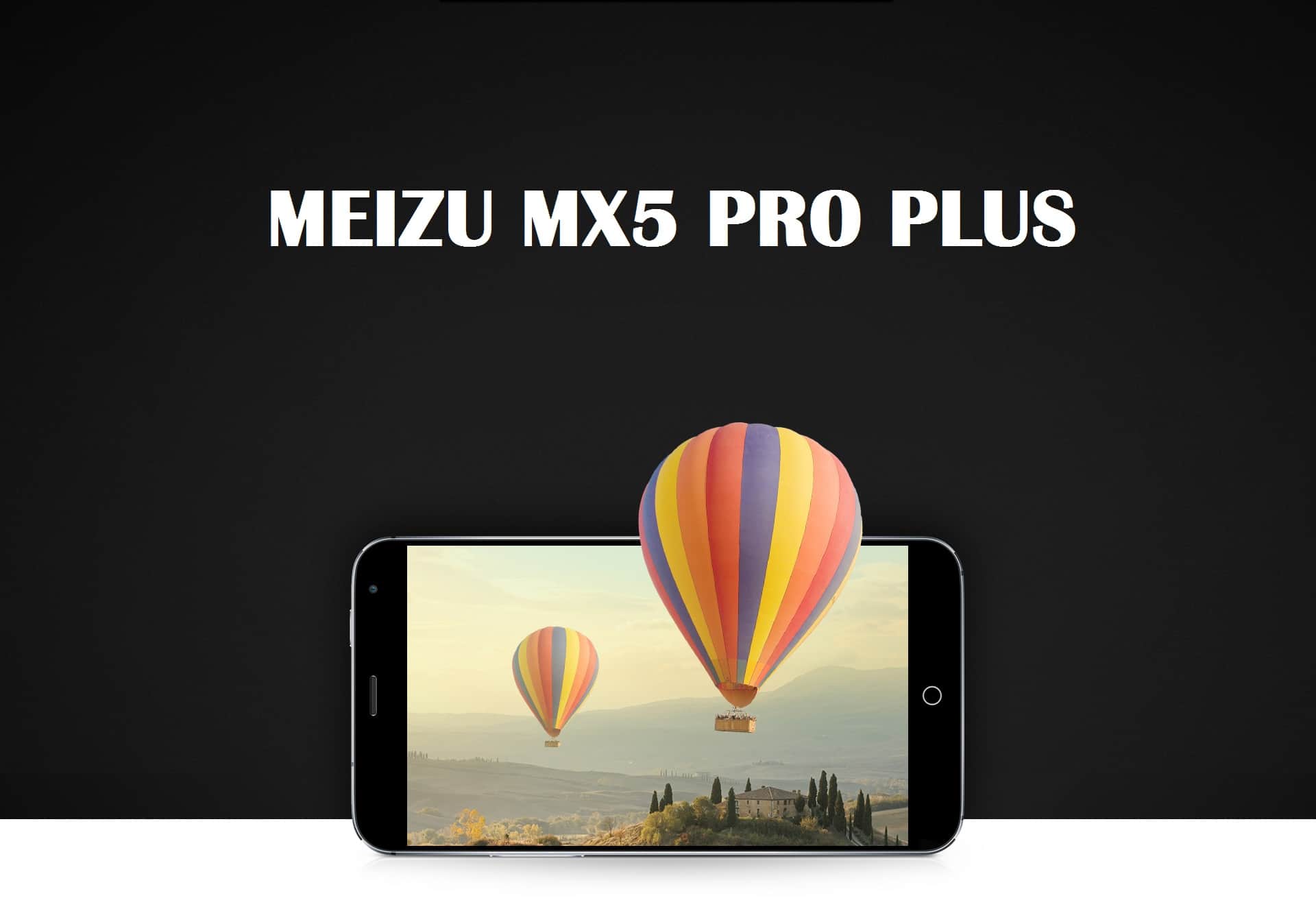
Anyhow, apart from those features, we have no words made for other Meizu MX5 Pro Plus specs, Meizu MX5 Pro Plus launch date as well as Meizu MX5 Pro Plus price in Malaysia. However, we are pretty sure that it is a smartphone worth the wait. So, stay tuned! We will come back with more information!
You May Like
-
Nokia Maze Xtreme 2026 Specs: 200MP Cameras, 12000mAh Battery!
-
Nokia XS Max 2026 Specs: 200MP Cameras, 10600mAh Battery!
-
Nokia P1 Lite 2026 Specs: 200MP Cameras, 11000mAh Battery!
-
Nokia Flash 2026 Specs: 16GB RAM, 200MP Cameras!
-
Sony Xperia Ultra Max Pro Specs: 200MP Cameras, 19100mAh Battery!
-
Nokia A2 Pro Specs: 18GB RAM, 12000mAh Battery!
-
Nokia Royale Max Ultra 2026 Specs: 24GB RAM, 18700mAh Battery!
-
Nokia Play 2 Max 2026 Specs: 24GB RAM, 12000mAh Battery!
-
مواصفات Sony Ericsson Satio 2026: ذاكرة RAM بسعة 16 جيجابايت، وكاميرات بدقة 250 ميجابكسل!
5 reasons why recent smartphones go WITHOUT microSD card slots
When we are going to buy a smartphones, there are many concerns around the specs of the smartphone. One of them is the storage expandable ability. We are still wondering why some famous brand, for example the Samsung brand, still doesn’t support the microSD card slot for some of its flagships. So, now we will go through and see the reasons why many manufacturers intends to not equipe the MicroSD card slot for their handsets.
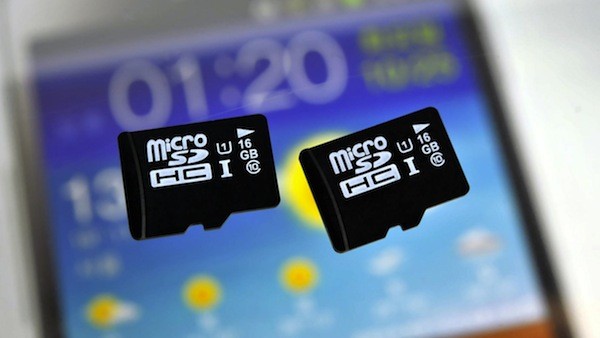
Cause Bad Performance
A MicroSD card is an external supporter that comes with the dissimilar types. So, it can be the reason that make your devices perform poorly and sometimes lags or crashes unpredictedly.
If there are ones who truely care about the great phone performance, they will pay more attention for choosing one high-end microSD card that will be appropriate with the handsets. However, not everyone concern about this section, they prefer choosing the cheap cards for their phones, and it will be harmful for the handsets.
Beautiful Style
We can see the similar point of all the beautiful thinnest smartphones that they do not support the microSD expansion. It can be easy to understand that expandable memory spec will cause a disadvantage for the elegant and nice outlook of the handsets. So, many brands are now try to reduce the expandable internal storage products. Beside that they still improve the smartphones’ memory quality and its impressive design for users.
Waste of Battery
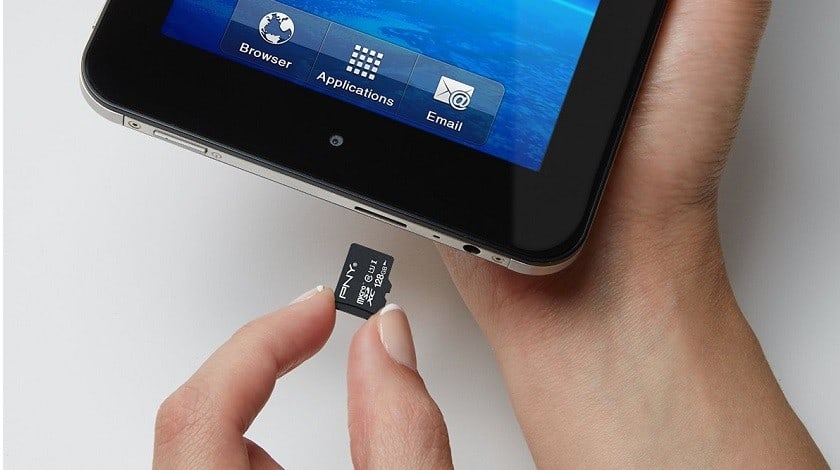
As we have known that our smartphones need to spend power to operate any sections, even the microSD cards. It takes approximate 0.2mA for the microSD even during the stand by mode, but we did not notice about this part. In a long runs, the microSD card can affect the smarphone battery life significantly. Therefore, in the time when people are increasingly care about their battery quality, manufacturers do not want to let the microSD card create more worries.
Saving Producing Cost
In this current competitive market, technology brands are trying to give out the best prices for consumers. Then, elimination of the microSD card slots will low down the producing costs for the company. For users who only need the adequate storage for the basic need, they can have chances to buy an good device with better price and effient storage without the need of expansion memory.
Cloud Storage Solution
We are now can not only store our data on the extra microSD card but also keep them in the cloud storages. Somehow, the cloud storage still have the similar keeping data functions compared to microSD card. Some of the cloud storages have the really close connection with the device manufacturers. So, this will be the smart business because of the monthly fee that consumers will pay for the cloud storage.
You May Like
-
Nokia Maze Xtreme 2026 Specs: 200MP Cameras, 12000mAh Battery!
-
Nokia XS Max 2026 Specs: 200MP Cameras, 10600mAh Battery!
-
Nokia P1 Lite 2026 Specs: 200MP Cameras, 11000mAh Battery!
-
Nokia Flash 2026 Specs: 16GB RAM, 200MP Cameras!
-
Sony Xperia Ultra Max Pro Specs: 200MP Cameras, 19100mAh Battery!
-
Nokia A2 Pro Specs: 18GB RAM, 12000mAh Battery!
-
Nokia Royale Max Ultra 2026 Specs: 24GB RAM, 18700mAh Battery!
-
Nokia Play 2 Max 2026 Specs: 24GB RAM, 12000mAh Battery!
-
مواصفات Sony Ericsson Satio 2026: ذاكرة RAM بسعة 16 جيجابايت، وكاميرات بدقة 250 ميجابكسل!
Lenovo shipments falls from No. 3 to No. 5 in smartphone rankings!
According to news released lately by 2 market research companies, Lenovo has lost their position on the ranking list of worldwide smartphone market. Specifically, Lenovo no longer stayed at No. 3, but dropped to No. 5 as their shipments plunged in the Q2 this year.
Lenovo is based in China but they also have a headquarters in Morrisville. They ranks No. 1 in P.C. and No. 3 in tablet. Before the report, Lenovo had been achieved No. 3 in smartphone as well, after taking over Motorola Mobility last fall. Though, it has been said that mobile products are the key component in Lenovo’s strategy, even more important than the PC.
However, the smartphone shipments of the company, including Motorola brand, fell 33.3 percent, and just accounted for 4.8 percent of the market (down from 5.2 percent) in the Q2 compared to that period of time last year, recorded by International Data Corporation (IDC). Not only IDC but also another research firm called Strategy Analytics displayed a similar result.
To explain this situation, Woody Oh, a director of Strategy Analytics said that it might be because Lenovo and Motorola are “struggling with the transition from 3G to 4G smartphones in China and the United States.” Also, Lenovo has to compete with other well-known brands in their homeland such as Xiaomi and Huawei, which are ranked fourth and third in shipments, respectively. Besides, just for your reference, Samsung and Apple are ranked first and second in the worldwide smartphone market in the second quarter of 2015.
Despite the changing in the ranking, we have to mention that Lenovo’s shipments did have some growth in the overall market. They rose 11.6 percent compared to a year ago, according to IDC.
Well, that is kind of bad news to Lenovo. Yet, it also can be a stimulus for them to try more and create the best products. Hope that the next report will show a better result!
You May Like
-
Nokia Maze Xtreme 2026 Specs: 200MP Cameras, 12000mAh Battery!
-
Nokia XS Max 2026 Specs: 200MP Cameras, 10600mAh Battery!
-
Nokia P1 Lite 2026 Specs: 200MP Cameras, 11000mAh Battery!
-
Nokia Flash 2026 Specs: 16GB RAM, 200MP Cameras!
-
Sony Xperia Ultra Max Pro Specs: 200MP Cameras, 19100mAh Battery!
-
Nokia A2 Pro Specs: 18GB RAM, 12000mAh Battery!
-
Nokia Royale Max Ultra 2026 Specs: 24GB RAM, 18700mAh Battery!
-
Nokia Play 2 Max 2026 Specs: 24GB RAM, 12000mAh Battery!
-
مواصفات Sony Ericsson Satio 2026: ذاكرة RAM بسعة 16 جيجابايت، وكاميرات بدقة 250 ميجابكسل!
Xiaomi Redmi Note 2 Vs Lenovo K3 Note: Which Smartphone Should You Buy?
In this post, we would like to take 2 hot devices of Lenovo and Xiaomi into consideration. One is the newest Xiaomi Redmi Note 2 having been launched recently and the other is Lenovo K3 Note – many people’s favorite smartphone. Though, Redmi Note 2 is not available in Malaysia for now, but will, soon. So, when that day comes and you want to make a choice between those cool guys, which one will be perfect? We hope this comparison can help you a bit 😉 !
|
Xiaomi Redmi Note 2 Specs |
Lenovo K3 Note Specs | |
| Dimensions | 152 x 76 x 8.3 mm | 152.6 x 76.2 x 8 mm |
| Weight | 160 g | 150 g |
| Display | 5.5-inch 1080 x 1920 pixels (~401 ppi pixel density) IPS LCD | 5.5-inch 1080 x 1920 pixels (~401 ppi pixel density) IPS |
| OS | MIUI 7 based on Android OS, v5.0 (Lollipop) | Lenovo Vibe 2.0 based on Android OS, v5.0 (Lollipop) |
| Processor | Mediatek MT6795 octa-core 2.0 GHz Cortex-A53 / octa-core 2.2 GHz Cortex-A53 | Mediatek MT6752 octa-core 1.7 GHz Cortex-A53 |
| ROM | 16 GB – 2 GHz model / 32 GB – 2.2 GHz model | 16 GB (expandable up to 32 GB) |
| RAM | 2 GB | 2 GB |
| Camera | Rear: 13 MP, 4128 x 3096 pixels, phase detection autofocus, LED flashFront: 5 MP, 720p | Rear: 13 MP, 4128 x 3096 pixels, autofocus, dual-LED flashFront: 5 MP |
| Battery | Li-Po 3060 mAh | Li-Ion 3000 mAh |
| Color | White, blue, yellow, pink, mint green | Onyx Black, Pearl White, Laser Yellow |
| SIM | Dual SIM | Dual SIM (Micro-SIM, dual stand-by) |
| Price | About RM500 | From RM610 to RM1,400 |
Now we’ll look at them in terms of specs and prices:
1. Specs:
Firstly, it is easy to see that Xiaomi Redmi Note 2 and Lenovo K3 Note have the same display resolution, screen size, camera combo and RAM capacity. So, here we have no winner. Then, we will examine what the differences are.
About processor, Xiaomi Redmi Note 2 uses a new 64-bit MediaTek MT6795 Helio X10 octa-core Cortex A53 (2.0/2.2GHz) chip while Lenovo K3 Note houses a 64-bit 1.7GHz Mediatek MT6752 octa-core ARM Cortex-A53. Obviously, K3 Note’s processor runs slower than its competitor, but it got 46,357 AnTuTu points, which is not a low score. Though, Xiaomi’s new handset Antutu score has not been recorded. We can tell more when it is announced.
As for the storage, Xiaomi Redmi Note 2 offers more options but it does not have microSD card slot for us to expand the memory. Meanwhile, K3 Note has and can reach 48GB ROM in total.
Lastly, the batteries of both machines are slightly different, but not significant. Lenovo K3 Note packs a 3,000mAh cell and Xiaomi Redmi Note 2 battery are better a bit with 3,060mAh.
2. Price and Availability
Lenovo K3 Note was launched before Xiaomi Redmi Note 2 but has still not been available on Lenovo Malaysia official page. Yet, you can totally find on at Lazada with reasonable prices ranging from RM610 to RM1,400.
Meanwhile, the Xiaomi Redmi Note 2 was just introduced and it might take some time to go on our market. However, the Xiaomi Redmi Note 2 price is only about RM500, which is kind of lower than the Lenovo K3 Note price in Malaysia. As a result, we think Xiaomi new budget phone can have more advantages in terms of price compared to its rival.
In conclusion, all the things we have been showing you are for your reference. Have you got your winner? Share with us your opinion!
You May Like
-
Nokia Maze Xtreme 2026 Specs: 200MP Cameras, 12000mAh Battery!
-
Nokia XS Max 2026 Specs: 200MP Cameras, 10600mAh Battery!
-
Nokia P1 Lite 2026 Specs: 200MP Cameras, 11000mAh Battery!
-
Nokia Flash 2026 Specs: 16GB RAM, 200MP Cameras!
-
Sony Xperia Ultra Max Pro Specs: 200MP Cameras, 19100mAh Battery!
-
Nokia A2 Pro Specs: 18GB RAM, 12000mAh Battery!
-
Nokia Royale Max Ultra 2026 Specs: 24GB RAM, 18700mAh Battery!
-
Nokia Play 2 Max 2026 Specs: 24GB RAM, 12000mAh Battery!
-
مواصفات Sony Ericsson Satio 2026: ذاكرة RAM بسعة 16 جيجابايت، وكاميرات بدقة 250 ميجابكسل!
You can create you own LOUD SPEAKERS with these easy tips
If you want to have your own unique loud speakers for your smartphone and electronic devices, we will give you some tips to make one. This way is not only helps you to have the loud speaker that not costs much but also you will have the really special one for yourself. Here is some simple steps that you can follow :
This amplifier is made of wood that no need cords, batteries as well as electrical components.

We need to cut wood and stick it together.
There is a notable point is an small opening hole which allow the sound go through and transfer to the front.


Now we will see how it will be made :
Materials : 24-inch wooden plank, a square dowel, wood glue, a standard saw, a hole saw, sandpaper, and clamps or weights. Paint, stain, and/or varnish are optional, but cute.
Create you own LOUD SPEAKERS with these easy tips:
You May Like
-
Nokia Maze Xtreme 2026 Specs: 200MP Cameras, 12000mAh Battery!
-
Nokia XS Max 2026 Specs: 200MP Cameras, 10600mAh Battery!
-
Nokia P1 Lite 2026 Specs: 200MP Cameras, 11000mAh Battery!
-
Nokia Flash 2026 Specs: 16GB RAM, 200MP Cameras!
-
Sony Xperia Ultra Max Pro Specs: 200MP Cameras, 19100mAh Battery!
-
Nokia A2 Pro Specs: 18GB RAM, 12000mAh Battery!
-
Nokia Royale Max Ultra 2026 Specs: 24GB RAM, 18700mAh Battery!
-
Nokia Play 2 Max 2026 Specs: 24GB RAM, 12000mAh Battery!
-
مواصفات Sony Ericsson Satio 2026: ذاكرة RAM بسعة 16 جيجابايت، وكاميرات بدقة 250 ميجابكسل!
Meizu MX5 Hengda version with Golden theme and Hengda scarf
Not long ago, Meizu held a press conference in Guangzhou Hengda to announce a customized version of the flagship Meizu MX5. Interestingly, Meizu launched up to three packages. Let’s check them out!
Hengda customized 3 versions of Meizu MX5. The first one is Meizu MX5 16GB version with golden theme, custom firmware Meizu EP-21HD headset and a Hengda scarf for 1,999 Yuan (RM1,273). The second one is Meizu MX5 32GB version with golden theme, a custom firmware Meizu EP-21HD and a Hengda scarf for 2,199 Yuan (RM1,400). Lastly, it is Meizu MX5 32G version with golden theme with back cover including a laser etched team logo, and a custom firmware and a Hengda custom shirts for 2,699 Yuan(RM1,719).
In contrast, Meizu MX5 16 and 32GB ROM Standard Edition are priced at 1,799 Yuan (RM1,145) and 1,999 Yuan (RM1,273), respectively. If wanting have a general view of Meizu MX5 specs (standard), you can check the following table for more information:
Meizu MX5 Specs:
| Dimensions | 149.9 x 74.7 x 7.6 mm |
| Weight | 149 g |
| Size | 5.5-inch, 1080 x 1920 pixels (~401 ppi pixel density)AMOLED capacitive touchscreen, 16M colorsCorning Gorilla Glass 3 |
| OS | Android OS, Flyme 4.5 |
| Chipset | Mediatek MT6795, Octa-core 2.2 GHz Cortex-A53 |
| Card slot | No |
| Storage | 16/32/64 GB |
| RAM | 3 GB |
| Camera | Rear: 20.7 MP, 5248 х 3936 pixels, laser autofocus, dual-LED (dual tone) flash |
| Front: 5 MP, 1080p@30fps | |
| Battery | Non-removable Li-Ion 3150 mAh |
| Colors | Gray, Gold, Silver, Black |
We can see that this is quite an interesting and beautiful version of Meizu MX5. The gallery of pictures below will show you what I mean 😀 !
You May Like
-
Nokia Maze Xtreme 2026 Specs: 200MP Cameras, 12000mAh Battery!
-
Nokia XS Max 2026 Specs: 200MP Cameras, 10600mAh Battery!
-
Nokia P1 Lite 2026 Specs: 200MP Cameras, 11000mAh Battery!
-
Nokia Flash 2026 Specs: 16GB RAM, 200MP Cameras!
-
Sony Xperia Ultra Max Pro Specs: 200MP Cameras, 19100mAh Battery!
-
Nokia A2 Pro Specs: 18GB RAM, 12000mAh Battery!
-
Nokia Royale Max Ultra 2026 Specs: 24GB RAM, 18700mAh Battery!
-
Nokia Play 2 Max 2026 Specs: 24GB RAM, 12000mAh Battery!
-
مواصفات Sony Ericsson Satio 2026: ذاكرة RAM بسعة 16 جيجابايت، وكاميرات بدقة 250 ميجابكسل!
Galaxy Note 5 vs Galaxy Note 4 : Comparision & notable differences !!!
Samsung Galaxy Note 4 is one of the most attractive devices from the Samsung Galaxy Note series before the launching of Note5 handset. Now the most awaited Note5 machine has finally been hands-on. To have the specific understanding about what differences between Note5 and its predecessor, we put out the comparision between Galaxy Note 5 vs Galaxy Note 4.

Talking about the outlook, the Note 5 is more impressive with the all-meta body compared to the traditional plastic cover of the Galaxy Note 4.
In terms of the display, the Galaxy Note 5 seems to have the similar screen to the Galaxy Note 4 at the size of 5.7-inches. However, with the curved glass at back side and the new smoother edges, Note 5 may easier to be handled. The S Pen is still come with both devices, but the Note 5 stylus is clickable which is easier for using.
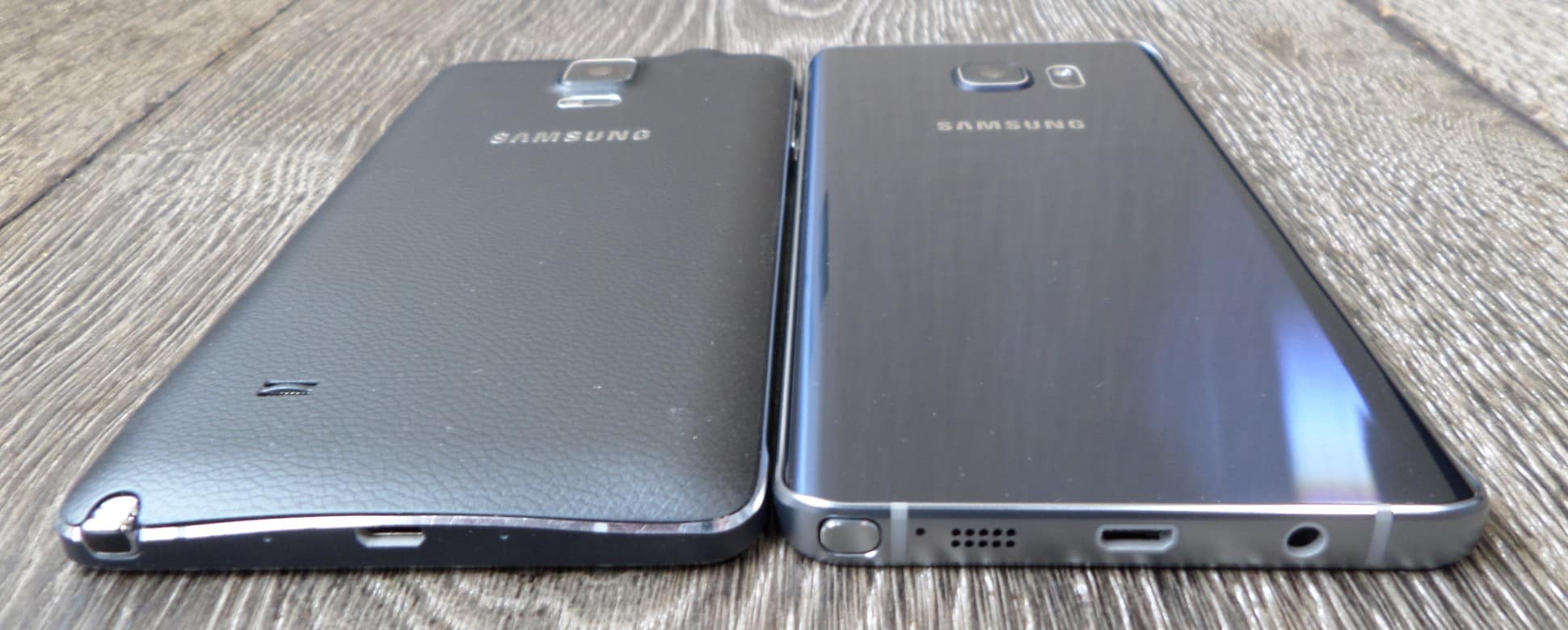
(Note5 – right ; Note 4 – left)
Note 5 battery (3,000mAh) somehow a bit smaller than the Note 4 (3,220mAh). The new device has the improvement of larger RAM up to 4GB, while the Note 4 has 3GB. However, the Note 5 does not support the extra microSD card slot which is contrary to the Samsung Galaxy Note 4.
It seems like the Galaxy Note 5 performance and camera specs are much stronger than its predecessor. To have the specific comparison, let’s have a look at the listed specs of the two phablets below :
Galaxy Note 5 vs Galaxy Note 4
Samsung Galaxy Note 5 |
Samsung Galaxy Note 4 |
| SYSTEM | Android 5.1.1 Lollipop (with Touchwiz UI) | Android 4.4 KitKat (with TouchWiz UI) |
|---|---|---|
| SCREEN | Super AMOLED 5.66-inch Quad-HD 1,440 x 2,560 pixels, ~ 519 pixels per inch Gorilla Glass 4 ~ 76% screen-to-body ratio |
Super AMOLED: 5.7-inch Quad-HD 1,440 x 2,560 pixels, ~ 515 pixels per inch Gorilla Glass 4 ~ 74.2% screen-to-body ratio |
| PROCESSOR | Octa core (2.1GHz Quad + 1.5GHz Quad), 64 bit, 14 nm process | Qualcomm Snapdragon 805 (SM-N910S) Samsung Exynos 5 Octa (SM-N910C) |
| RAM | 4 GB (LPDDR4) | 3 GB |
| INTERNAL MEMORY | 32/64 GB (no microSD support) |
32 GB (plus microSD support) |
| BATTERY | 3,000 mAh non-removable | 3,220 mAh, removable |
| CAMERA | Rear: 16 MP front: 5 MP |
Rear: 16 MP front: 3.7 MP |
| CONNECTIVITY | Wi-Fi 802.11 a/b/g/n/ac, MIMO(2×2),Bluetooth v 4.2 LE, ANT+, USB 2.0, NFC | Wi-Fi 802.11 a/b/g/n/ac, dual-band, Wi-Fi Direct,Bluetooth v4.1, A2DP, EDR, LE, USB 2.0, NFC |
| DIMENSIONS | 153.2 x 76.1 x 7.6 mm | 153.5 x 78.6 x 8.5 mm |
| WEIGHT | 171 g | 176 g |
| SPECIAL FEATURES | – S Pen Stylus – Fingerprint Scanner – Fast charging – Wireless charging (native) |
– S Pen Stylus – Fingerprint Scanner – Fast charging – Wireless charging (with separate battery cover) |
You May Like
-
Nokia Maze Xtreme 2026 Specs: 200MP Cameras, 12000mAh Battery!
-
Nokia XS Max 2026 Specs: 200MP Cameras, 10600mAh Battery!
-
Nokia P1 Lite 2026 Specs: 200MP Cameras, 11000mAh Battery!
-
Nokia Flash 2026 Specs: 16GB RAM, 200MP Cameras!
-
Sony Xperia Ultra Max Pro Specs: 200MP Cameras, 19100mAh Battery!
-
Nokia A2 Pro Specs: 18GB RAM, 12000mAh Battery!
-
Nokia Royale Max Ultra 2026 Specs: 24GB RAM, 18700mAh Battery!
-
Nokia Play 2 Max 2026 Specs: 24GB RAM, 12000mAh Battery!
-
مواصفات Sony Ericsson Satio 2026: ذاكرة RAM بسعة 16 جيجابايت، وكاميرات بدقة 250 ميجابكسل!


