Author: chris eilers
Mlais M7 5.5” HD screen, 64-bit phone scores over 48,000 AnTuTu points
Mlais is a Chinese smartphone manufacturer that is gaining more attention from consumers nowadays. With Mlais M7 that has just been launched lately, you may be surprised with the AnTuTu points it scores: more than 48,000. Let’s find out what it takes for Mlais M7 to achieve such high scores.
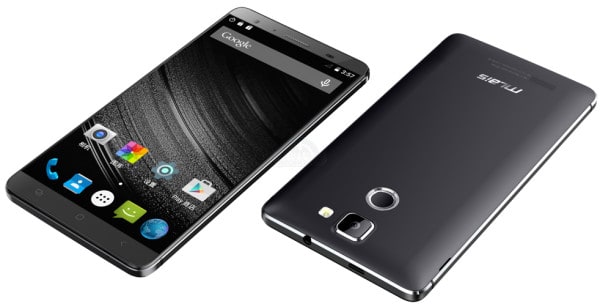
Mlais M7 Specs:
Mlais M7 has a 5.5-inch (1280×720, 300ppi) IPS display, powered by 64-bit octa- core MediaTek MTK6752 processor. The phone is covered by a metal frame with screen protection from scratches and also supports multi-touch functionality. On the back, there is a 13 mega-pixel Sony IMX135 camera with LED flash and autofocus. Moreover, it is able to record 1080p Full HD video at a rate of 30 frame per second wit included HDR, video stabilization, and dual-video recording features. In addition, a secure fingerprint scanner like Ulefone Be Touch or Elephone P7000 will also be built on the phone. Besides, the brand logo is also placed at back bottom of the device.

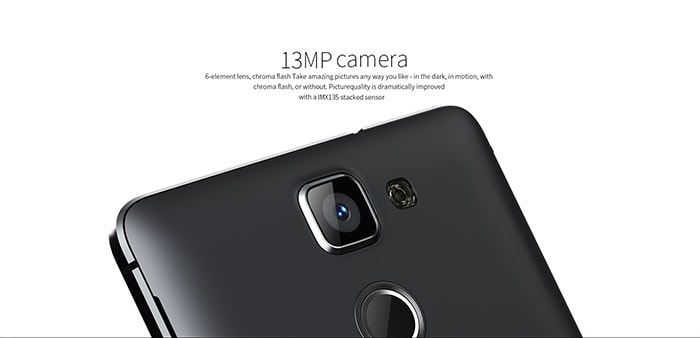
Meanwhile, the front surface contains a 5 mega-pixel cam for selfie and video calls, and 3 capacitive buttons on the bottom. You will have 2 colors to consider: Black and White for pre-ordering, yet it can probably come with more color variants when put in store. Other tech specs are 4G LTE support, dual SIM, 3GB RAM, 16GB of expandable storage (up to 64GB via microSD card), Android 5.0 Lollipop and a 2,600mAh battery that can deliver day long battery backup for average usage.
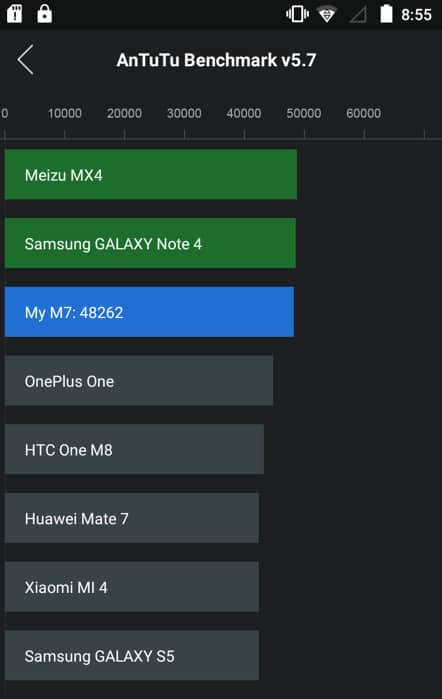
Back to the AnTuTu scores, it shows that Mlais M7 is ranked third, just after Meizu MX4 and Samsung Note 4 with impressive 48,262 points. This somehow promises users smooth performances and great experience when they use Mlais M7.
Even though Mlais is planning to release M7 at the end of May, some online resellers have put this smartphone in the pre-ordering list. It is said that Mlais M7 price is going to be around $199 (Mlais M7 price in Malaysia can be RM720).
In conclusion, Mlais M7 is kind of new but with a price under RM750 and more than 48,000 AnTuTu points, Mlais M7 can become a strong competitor. How about you? Do you think Mlais M7 will have any chance to make a huge business?
You May Like
-
 Nokia Maze Xtreme 2026 Specs: 200MP Cameras, 12000mAh Battery!
-
Nokia XS Max 2026 Specs: 200MP Cameras, 10600mAh Battery!
-
 Nokia P1 Lite 2026 Specs: 200MP Cameras, 11000mAh Battery!
-
Nokia Flash 2026 Specs: 16GB RAM, 200MP Cameras!
-
Sony Xperia Ultra Max Pro Specs: 200MP Cameras, 19100mAh Battery!
-
Nokia A2 Pro Specs: 18GB RAM, 12000mAh Battery!
-
Nokia Royale Max Ultra 2026 Specs: 24GB RAM, 18700mAh Battery!
-
 Nokia Play 2 Max 2026 Specs: 24GB RAM, 12000mAh Battery!
-
مواصفات Sony Ericsson Satio 2026: ذاكرة RAM بسعة 16 جيجابايت، وكاميرات بدقة 250 ميجابكسل!





Meizu MX5 smartphone leak: Borderless design to be confirmed?
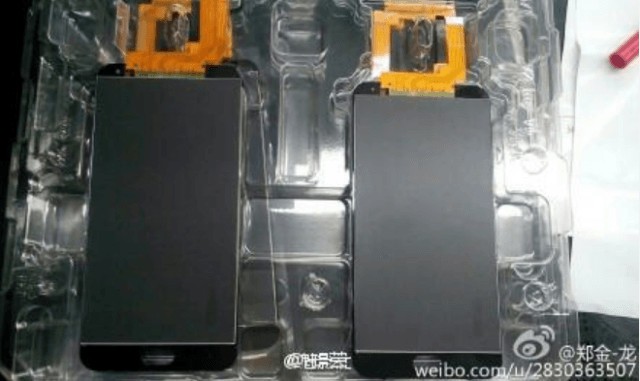
Meizu is heading to their event on 2 June, 2015 with many new things to introduce. For those who keep wondering what they are and how they look like, you may find it helpful for your guess when a leaked photo of Meizu MX5 has been spotted. It seems like Meizu MX5 sure will take the borderless look just like what we have seen in some current renders.

Looking at the following leaked picture, we can be sure once again that the MX5 and MX5 Pro will have border-less designs. Definitely, when they come out, these two devices will be compared with Nubia Z9, which is launched lately also with no bezel. Besides, it is said that MX5 Pro is going to include a fingerprint scanner just like its predecessor, the MX4 Pro.
Meizu MX5 Smartphone
Additionally, some clues for Meizu MX5 Specs as well as MX5 Pro Specs have been mentioned these days. To be specific, they could feature a MediaTek MT6795 SoC octa-core 2.2GHz processor and a 41MP PureView Camera in Collaboration with Nokia. Anyhow, there’s not much detailed information to say about this mysterious duo.
At the end of the day, those rumors about Meizu MX5 and MX5 Pro are not confirmed officially yet. As getting closer to Meizu event on 2 June, hopefully the company will reveal more about MX5 and its Pro version, and perhaps the Meizu MX5 Malaysia with a reasonable MX5 price in Malaysia. Let’s wait and see!
You May Like
-
Nokia Maze Xtreme 2026 Specs: 200MP Cameras, 12000mAh Battery!
-
Nokia XS Max 2026 Specs: 200MP Cameras, 10600mAh Battery!
-
Nokia P1 Lite 2026 Specs: 200MP Cameras, 11000mAh Battery!
-
Nokia Flash 2026 Specs: 16GB RAM, 200MP Cameras!
-
Sony Xperia Ultra Max Pro Specs: 200MP Cameras, 19100mAh Battery!
-
Nokia A2 Pro Specs: 18GB RAM, 12000mAh Battery!
-
Nokia Royale Max Ultra 2026 Specs: 24GB RAM, 18700mAh Battery!
-
Nokia Play 2 Max 2026 Specs: 24GB RAM, 12000mAh Battery!
-
مواصفات Sony Ericsson Satio 2026: ذاكرة RAM بسعة 16 جيجابايت، وكاميرات بدقة 250 ميجابكسل!
Lenovo K3 Note Unboxing: 5.5″ FHD, 64-bit chipset for under RM700
If you remember, at the beginning of this year, Lenovo launched its K3 Note, which is a competitor to ZenFone 2 ZE500ML. Moreover, being a 5.5-inch FHD display phablet with 2GB RAM and 64-bit MT6752 processor, Lenovo K3 Note is also usually compared with other smartphones such as Meizu M1 Note, Mlais M52 Note or Xiaomi Redmi Note. We can say that this is a remarkable phone with affordable price and good specs.
 Lenovo K3 Note

Lenovo K3 Note Specs:
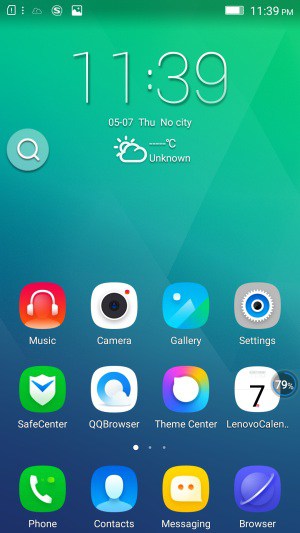
Lenovo K3 Note Specs are quite similar to ASUS ZenFone 2 ZE500ML Specs. It owns a large 5.5-inch IPS wide fit display with 1080p resolution (401ppi). Besides, the Lenovo K3 Note is powered by a 64-bit octa-core MediaTek MT6752 1.7GHz chipset paired with Mali-T760 graphics processor, 2GB RAM and 16GB of storage (and up to 32GB microSD). As for camera, K3 Note has a combo of a 13 mega-pixel rear cam with dual-tone LED flash and a 5 mega-pixel front shooter. Other tech features include dual SIM, 4G LTE support and a 3,000mAh replaceable battery, which can last for about 2 days on one charge with average usage. The whole device runs on VIBE UI 2.5 system based on Android 5.0 Lollipop. Furthermore, hardly serious lag or heating issues are reported by K3 Note users.

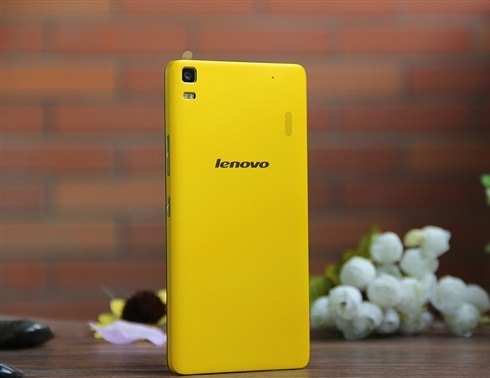
In terms of looks, K3 Note appears thin at 7.6mm, weighs 150 grams and comes with 2 colors: white and bright lemon yellow which is very eye-catching. The back cover is made of textured plastic with the brand’s name placed in the middle of the upper part. The volume and power buttons stay on one side of the phone while the other side contains the earphone jack of 3.5mm and the microUSB slot.

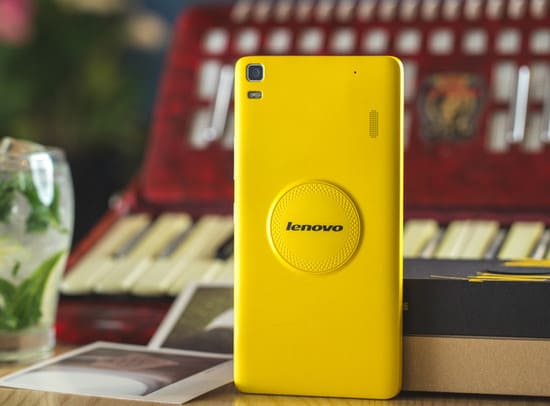
Lenovo K3 Note Price is also a plus for this product. For a regular version, K3 Note price in Malaysia is less than RM700, and it costs buyers about RM800 for the Lemon Version, which is just slightly different due to a special “ceramic piece vibration speaker” pumping out more decibels.
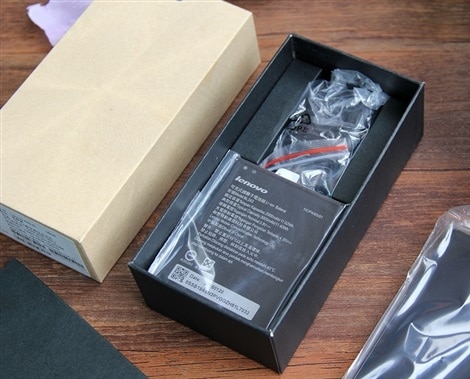
Lenovo K3 Note Hands on and Unboxing:

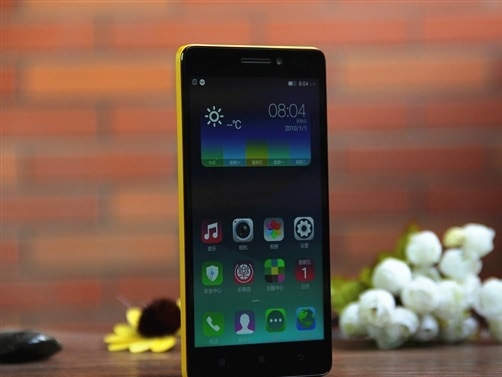



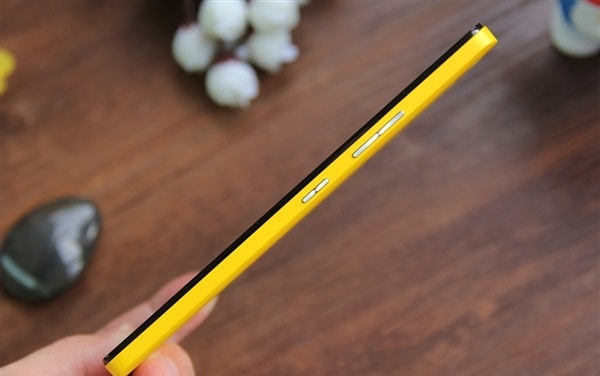


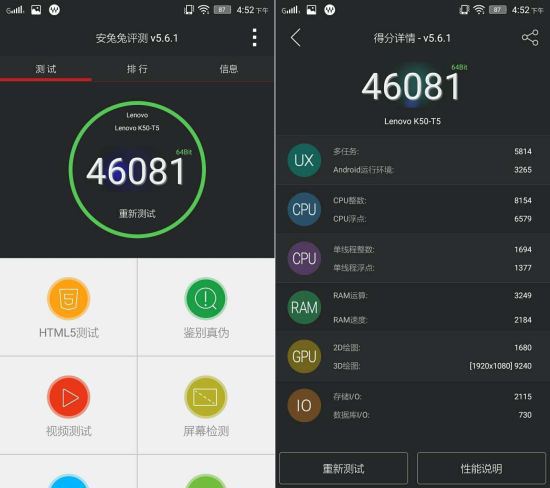
In the end, no doubt Lenovo K3 Note would be worth what you pay for it. It has a big screen, good battery life, powerful-enough processor and one more key selling point is that K3 Note scores more than 46,000 AnTuTu points, which means the performance of this device is fantastic.
So, if you are looking for a Lenovo K3 Note, you can click here for a K3 Note Malaysia regular version and here for a K3 Note Lemon Malaysia version.
You May Like
-
Nokia Maze Xtreme 2026 Specs: 200MP Cameras, 12000mAh Battery!
-
Nokia XS Max 2026 Specs: 200MP Cameras, 10600mAh Battery!
-
Nokia P1 Lite 2026 Specs: 200MP Cameras, 11000mAh Battery!
-
Nokia Flash 2026 Specs: 16GB RAM, 200MP Cameras!
-
Sony Xperia Ultra Max Pro Specs: 200MP Cameras, 19100mAh Battery!
-
Nokia A2 Pro Specs: 18GB RAM, 12000mAh Battery!
-
Nokia Royale Max Ultra 2026 Specs: 24GB RAM, 18700mAh Battery!
-
Nokia Play 2 Max 2026 Specs: 24GB RAM, 12000mAh Battery!
-
مواصفات Sony Ericsson Satio 2026: ذاكرة RAM بسعة 16 جيجابايت، وكاميرات بدقة 250 ميجابكسل!
Gionee Elife E8 Gold: Beautiful Version of the 100MP Picture Phone Leaks!
If you remember, Gionee’s President has claimed that they would introduce Elife E8 later this year. This phone is considered a beast due to its camera’s ability of taking 100 mega-pixel photos. And now, consumers may even get more interested since a new edition of Gionee Elife E8 has just been spotted in TENAA leaks. It is going to dress a gold chassis as what we see in the following render.
Gionee Elife E8 Gold Version


In previous renders, we could see that Gionee Elife E8 is likely to sport a mounted fingerprint scanner below the rear camera and dual-LED flash on the back, and now, we can get a better view of how E8 looks like. The glossy metal chassis with 3 physical buttons on one side will cover the phone and in another color apart from black. Perhaps we will have a gold version for Elife E8 this year.
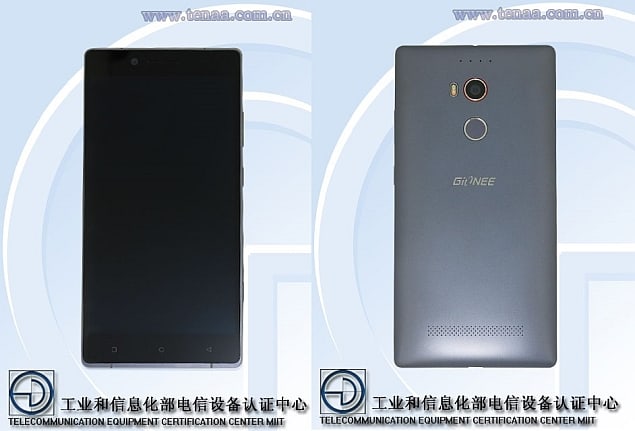
Let’s take a quick look at the Gionee Elife E8 Specs. It is going to feature a 6-inch display with 2K resolution and a pixel density of 639ppi. On the other hand, the phone will have 3GB RAM, 32GB of expandable storage (up to 128GB via microSD card), a fingerprint scanner and a 3,520mAh battery. In addition, it also supports 4G LTE, 3G, Wi-Fi as well as other standard features. The whole device will be powered by MT6795 SoC and Android 5.0-based Amigo UI. Along with the 7MP front-facing shooter, we have to mention the E8 23MP rear camera which is amazing and considered as the key selling point for this handset because with this cam, Elife E8 is capable of producing 100MP photos. Consumers who want great pictures can take this into consideration.

If you are waiting for Gionee Elife E8 Gold, you may just need to wait a bit more as Chinese smartphone manufacturer Gionee confirmed that it will be launched around the second week of June in China. Anyhow, no words have been made for official Elife E8 Malaysia launch date or Elife E8 price in Malaysia. Keep waiting!
You May Like
-
Nokia Maze Xtreme 2026 Specs: 200MP Cameras, 12000mAh Battery!
-
Nokia XS Max 2026 Specs: 200MP Cameras, 10600mAh Battery!
-
Nokia P1 Lite 2026 Specs: 200MP Cameras, 11000mAh Battery!
-
Nokia Flash 2026 Specs: 16GB RAM, 200MP Cameras!
-
Sony Xperia Ultra Max Pro Specs: 200MP Cameras, 19100mAh Battery!
-
Nokia A2 Pro Specs: 18GB RAM, 12000mAh Battery!
-
Nokia Royale Max Ultra 2026 Specs: 24GB RAM, 18700mAh Battery!
-
Nokia Play 2 Max 2026 Specs: 24GB RAM, 12000mAh Battery!
-
مواصفات Sony Ericsson Satio 2026: ذاكرة RAM بسعة 16 جيجابايت، وكاميرات بدقة 250 ميجابكسل!
Xiaomi Malaysia very First Anniversary: Mi4i for RM749 on 28 May
Xiaomi Malaysia is going to be one year old this month. To celebrate this meaningful occasion, Xiaomi Malaysia will be giving their very first anniversary sale of many products with discount up to 90% on Thursday, May 28, 2015 through the official online store of Mi Malaysia. Even the new smartphone having been released lately Xiaomi Mi4i Malaysia will be available at 12p.m. for RM749.
Xiaomi Malaysia 1st Anniversary

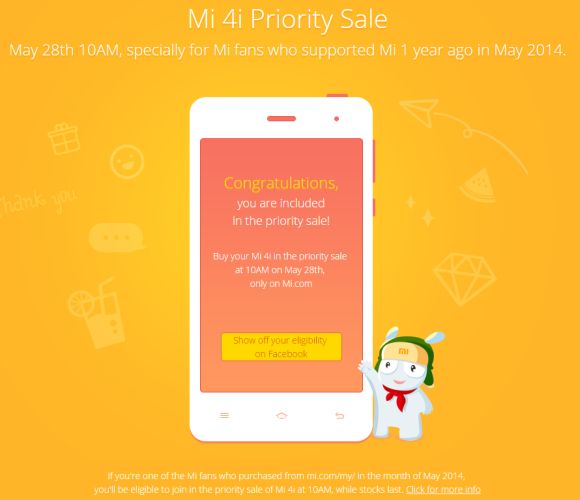
Furthermore, there is good news for those who were and are still supporting Xiaomi from the initial date when the company landed in Malaysia. Customers that used to buy Xiaomi products in May 2014 will be able to buy Mi4i at 10a.m, 2 hours ahead. This is considered as a priority Mi4i sale for Xiaomi first loyal customers. Besides, you can get extra discount by collecting their coupons between RM5-RM20 to use when making any Mi accessory purchase.

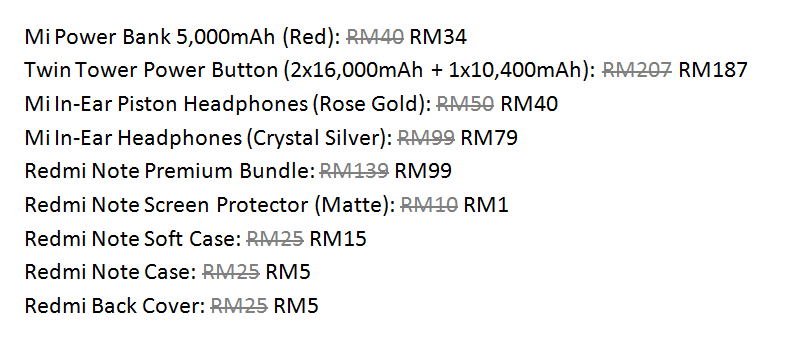
For paypal users, Xiaomi also has something for you. Specifically, it’s a special deal of extra 10% off the promo price for the Redmi 2 and headphone. Apart from that, Xiaomi Malaysia is refilling the stock of accessories such as power bank and headphone, especially the premium Xiaomi Mi Headphone RM319.

Let’s take a look at the following offerings from Xiaomi that we have noted:
So, if you are looking for a Mi4i, Redmi 2, or any Xiaomi products, don’t forget to visit Mi Malaysia online store on May 28 the thing you like and its special price.
You May Like
-
Nokia Maze Xtreme 2026 Specs: 200MP Cameras, 12000mAh Battery!
-
Nokia XS Max 2026 Specs: 200MP Cameras, 10600mAh Battery!
-
Nokia P1 Lite 2026 Specs: 200MP Cameras, 11000mAh Battery!
-
Nokia Flash 2026 Specs: 16GB RAM, 200MP Cameras!
-
Sony Xperia Ultra Max Pro Specs: 200MP Cameras, 19100mAh Battery!
-
Nokia A2 Pro Specs: 18GB RAM, 12000mAh Battery!
-
Nokia Royale Max Ultra 2026 Specs: 24GB RAM, 18700mAh Battery!
-
Nokia Play 2 Max 2026 Specs: 24GB RAM, 12000mAh Battery!
-
مواصفات Sony Ericsson Satio 2026: ذاكرة RAM بسعة 16 جيجابايت، وكاميرات بدقة 250 ميجابكسل!
Elephone: 2K 5.5″, 4 GB RAM and Dual Boot Launch in June!
We have very good news for fans of chinese smartphones and Elephone in particular. Elephone recently announced on a HongKong Tradefair that they will launch a Dual Boot Windows 10 and Android L Flagship in June. As if this would not be good enough, the phone will come with 4GB RAM and 2K Screen !

Recently there are a lot of good news from Elephone, as the recent Flagship Elephone P7000 – that sold like Hotcakes. Windows 10 phone fans will be pleased that you will get the first flagship smartphone running Windows OS with a 5,5″ 2K display.Elephone confirmed that other specs include a whopping 4GB RAM and touch ID fingerprint security. On the camera front the new Elephone Flagship will come with 20.7 MP Sony Camera.
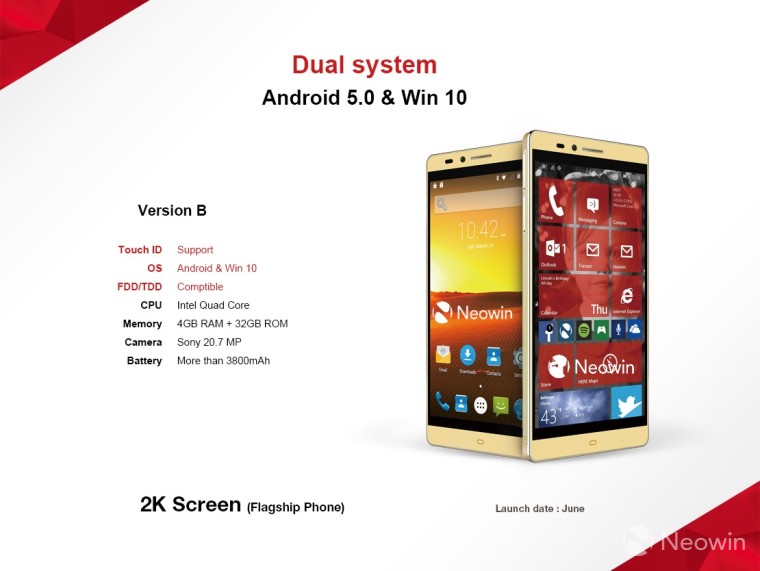
As you can see on the announcement Slides the phone will launch in two versions, one in Dual Boot and one with Android L only. The Dual Boot Elephone will launch with Quad-Core Intel Atom CPU, while the Android L version will sport a Mediatek CPU. Both come with Batterys bigger then 3800mAH and Dual SIM LTE.
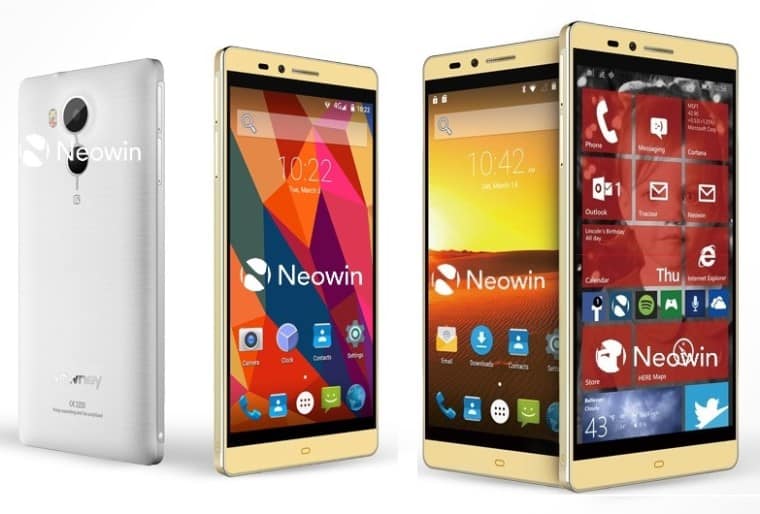
Conclusion: Elephone recently presented two new FlagShip Versions at a trade fair event in HongKong. According to their Promotional Material the Release Date will be in June, next month. We are not sure yet about the pricing, but generally Elephone is even below Xiaomi and Meizu Price in Malaysia. That means if we are to believe the Elephone Material we will see the first Windows 10/ Android L Dual Boot Flagship with 5.5″ 2K Screen and 4GB of RAM.
You May Like
-
Nokia Maze Xtreme 2026 Specs: 200MP Cameras, 12000mAh Battery!
-
Nokia XS Max 2026 Specs: 200MP Cameras, 10600mAh Battery!
-
Nokia P1 Lite 2026 Specs: 200MP Cameras, 11000mAh Battery!
-
Nokia Flash 2026 Specs: 16GB RAM, 200MP Cameras!
-
Sony Xperia Ultra Max Pro Specs: 200MP Cameras, 19100mAh Battery!
-
Nokia A2 Pro Specs: 18GB RAM, 12000mAh Battery!
-
Nokia Royale Max Ultra 2026 Specs: 24GB RAM, 18700mAh Battery!
-
Nokia Play 2 Max 2026 Specs: 24GB RAM, 12000mAh Battery!
-
مواصفات Sony Ericsson Satio 2026: ذاكرة RAM بسعة 16 جيجابايت، وكاميرات بدقة 250 ميجابكسل!
Meizu M2 Note Launch: Specs revealed
If you are waiting for Meizu new products, you may feel excited that the manufacturer is going to release not one, but TWO smartphones this year. This information is raised up when 2 Meizu devices have been sported in an official Chinese document.
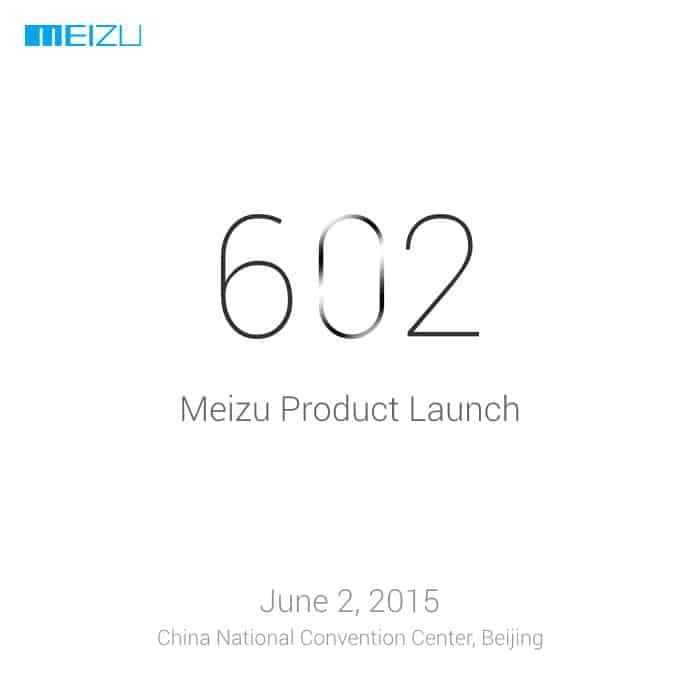
To be specific, on 2 June, 2015, Meizu will hold an event in Beijing and introduce a new smartphone including a physical home button. It is much likely that the new one can be Meizu M2 Note (also known as Blue Charm Note 2 in China). The company’s Vice President – Li Nan, has also confirmed that the new Note will not feature fingerprint scanner like some current phones on the market nowadays.
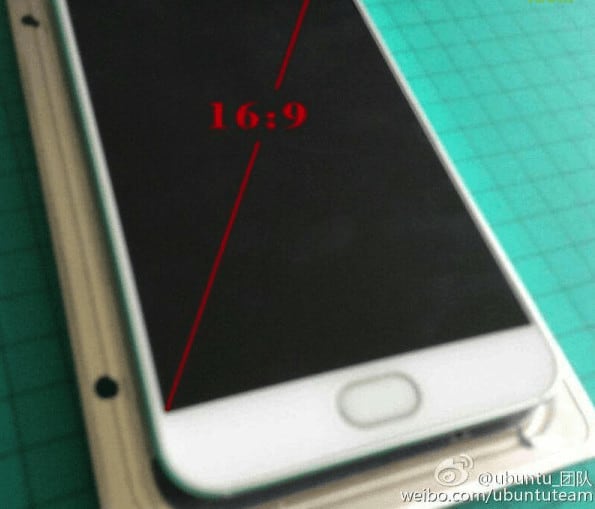
In terms of Meizu M2 Note Specs, it is believed to boast a 5.5-inch 1080p screen, 2GB RAM and 16GB or 32GB of storage. The whole phone will be powered by an octa-core MT6752 64-bit processor with Cat 9 LTE support, and equipped with a combo of a 13MP rear camera with LED flash and a 5MP front-facing shooter. Also, the handset will support 4G LTE connectivity and Android 5.1 Lollipop with Meizu’s Flyme OS on top.
Meizu M2 Note?
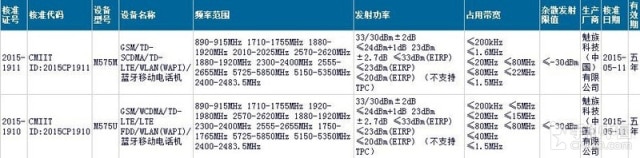
As we have mentioned above, there are 2 new Meizu handsets listed in the document. So if one of them is the M2 Note, how about the other? Many people predict that actually the internal code names of the phones, M575M and M575U, are for the same smartphone but with different network support. One version is for China Mobile’s TD networks and the other for internationally used frequencies. Furthermore, Meizu makes consumers more curious about the M575U as it provides help with WCDMA, FDD-LTE and GSM networks.
So, those are some information about the coming Meizu smartphones. However, to make sure that they are true or not, we still need to wait a bit more for Meizu to announce their official devices first in China, then they will probably bring us Meizu M2 Note Malaysia with a detailed M2 Note Price in Malaysia.
It’s almost the end of May; just a few days ahead to go. Stay tuned for our updated news!
You May Like
-
Nokia Maze Xtreme 2026 Specs: 200MP Cameras, 12000mAh Battery!
-
Nokia XS Max 2026 Specs: 200MP Cameras, 10600mAh Battery!
-
Nokia P1 Lite 2026 Specs: 200MP Cameras, 11000mAh Battery!
-
Nokia Flash 2026 Specs: 16GB RAM, 200MP Cameras!
-
Sony Xperia Ultra Max Pro Specs: 200MP Cameras, 19100mAh Battery!
-
Nokia A2 Pro Specs: 18GB RAM, 12000mAh Battery!
-
Nokia Royale Max Ultra 2026 Specs: 24GB RAM, 18700mAh Battery!
-
Nokia Play 2 Max 2026 Specs: 24GB RAM, 12000mAh Battery!
-
مواصفات Sony Ericsson Satio 2026: ذاكرة RAM بسعة 16 جيجابايت، وكاميرات بدقة 250 ميجابكسل!
OnePlus Two Specs leak: Snapdragon 810, 3GB RAM and 20.7MP Sony Cam?
OnePlus’s flagship phone OnePlus One was launched about a year ago. Maybe it’s time for a comeback this year, and it could be OnePlus Two according to what has been said these days that there is a leaked benchmark table of a phone by OnePlus (OnePlus ONE A2001 as listed) that is going to sports a Qualcomm Snapdragon 810 processor!
OnePlus Two Specs Leak
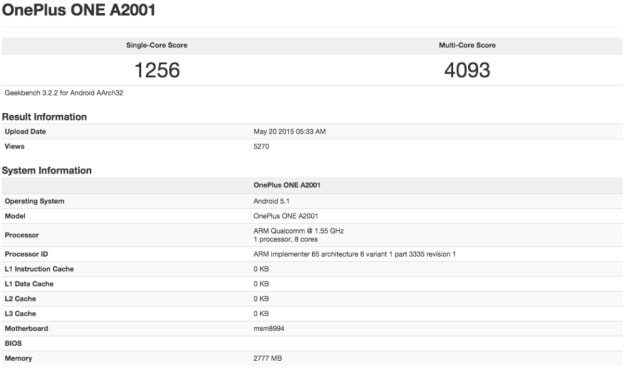
To be specific, that is a listing recorded in the database of Geekbench on May 20, 2015. It reveals that the next OnePlus’s handset will also feature 3GB RAM with Android 5.1 operating system besides Snapdragon 810 MSM8994 1.5GHz. However, apart from that, we cannot tell more about the OnePlus Two specs. Even the name for it has not been confirmed yet. In this article, we call the new phone OnePlus Two just in order to help distinguish between OnePlus products, but no one knows for sure whether it will be named as OnePlus Two, OnePlus One 2015, or another name.
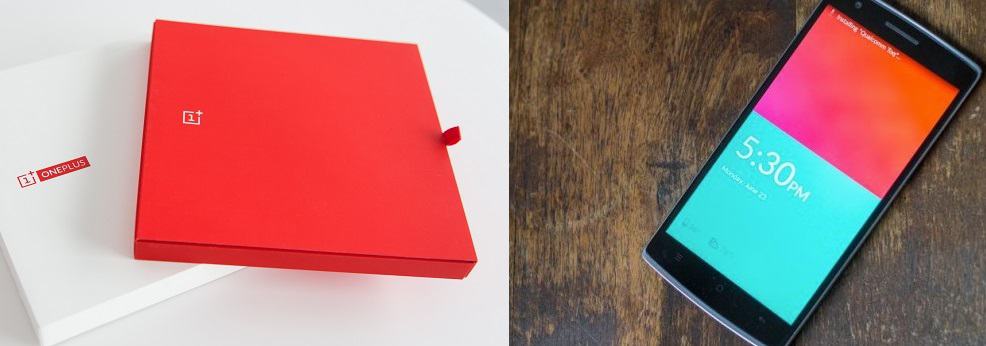
In conclusion, the coming of a new OnePlus smartphone according to the leaked benchmark will make many people feel interested in, especially those who are waiting for OnePlus too long. To many expectations, OnePlus phone this time will catch up with nowadays technology. Though the camera wasn’t mentioned, to various reports, we expect OnePlus will get a better camera, probably from Sony Exmor 20.7MP, for their new device.
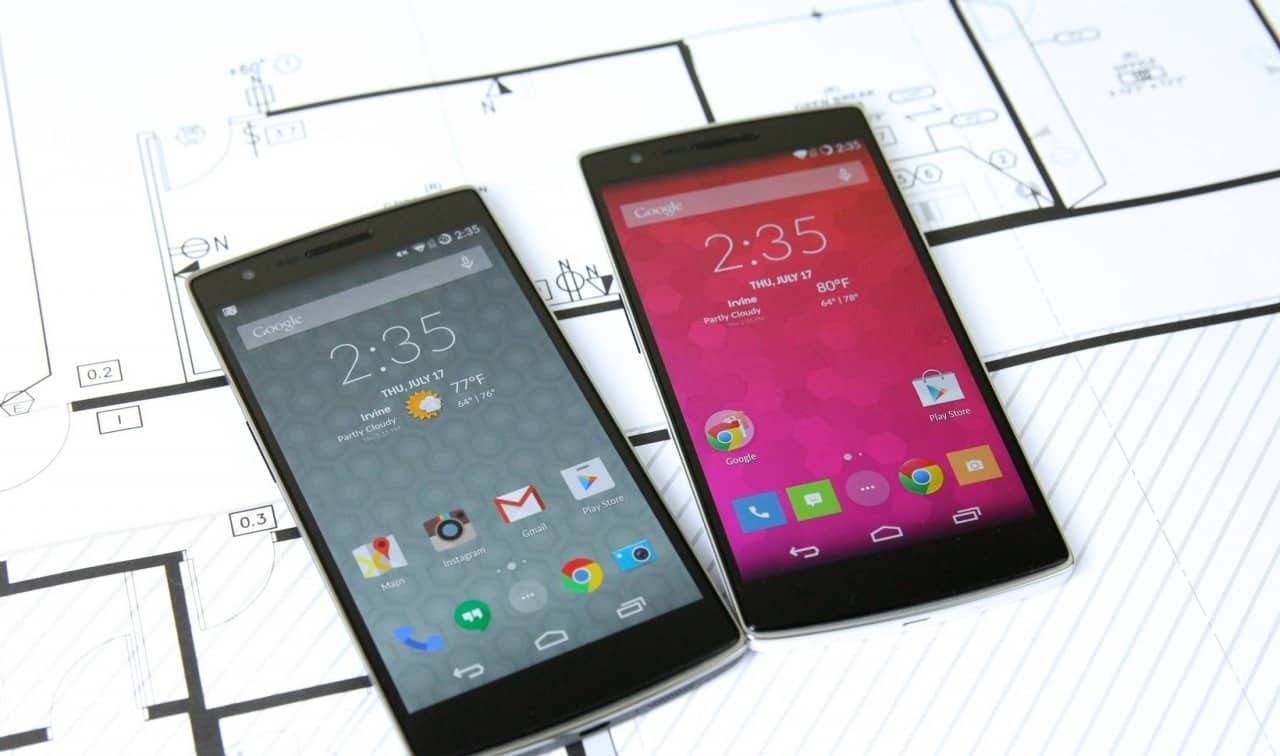
We’ll keep inform you of new information about OnePlus Two Malaysia and OnePlus Two Price in Malaysia. Stay tuned!
You May Like
-
Nokia Maze Xtreme 2026 Specs: 200MP Cameras, 12000mAh Battery!
-
Nokia XS Max 2026 Specs: 200MP Cameras, 10600mAh Battery!
-
Nokia P1 Lite 2026 Specs: 200MP Cameras, 11000mAh Battery!
-
Nokia Flash 2026 Specs: 16GB RAM, 200MP Cameras!
-
Sony Xperia Ultra Max Pro Specs: 200MP Cameras, 19100mAh Battery!
-
Nokia A2 Pro Specs: 18GB RAM, 12000mAh Battery!
-
Nokia Royale Max Ultra 2026 Specs: 24GB RAM, 18700mAh Battery!
-
Nokia Play 2 Max 2026 Specs: 24GB RAM, 12000mAh Battery!
-
مواصفات Sony Ericsson Satio 2026: ذاكرة RAM بسعة 16 جيجابايت، وكاميرات بدقة 250 ميجابكسل!
Xiaomi Mi Note Pro 4GB RAM, 5.7″QHD, and fastest Snapdragon 810 phone worldwide!
The Xiaomi Mi Note Pro 4GB RAM went on sale at the beginning of this month and has been considered as a beast in the high-end smartphone battle. And now, when the information saying that Xiaomi Mi Note Pro has almost become the current fastest smartphone featuring Snapdragon 810 processor is released, Mi Note Pro is likely to attract more and more people.
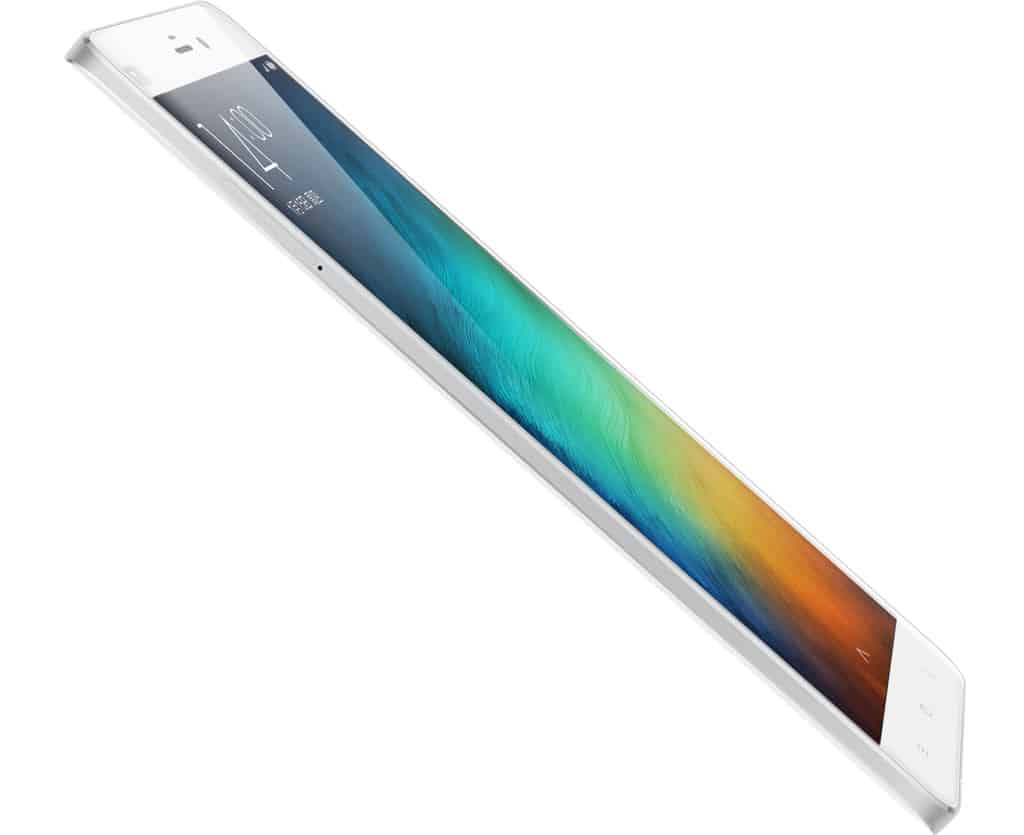
This news has been announced when some Mi Note Pro users used popular benchmarking software on the device and gave the results that Xiaomi Mi Note Pro 4GB RAM scored very high points in comparison with other Snapdragon 810 phones existing on the mobile market at the moment! Let’s take a look at the following pictures, you would know where Mi Note Pro is ranked.
Benchmarking charts
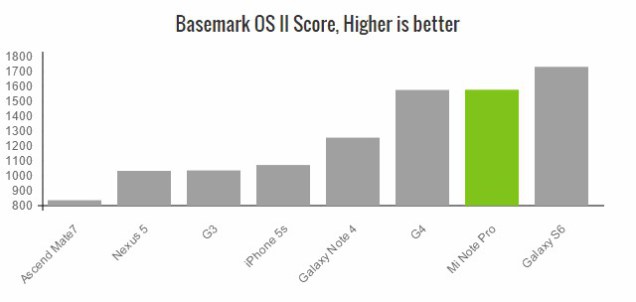
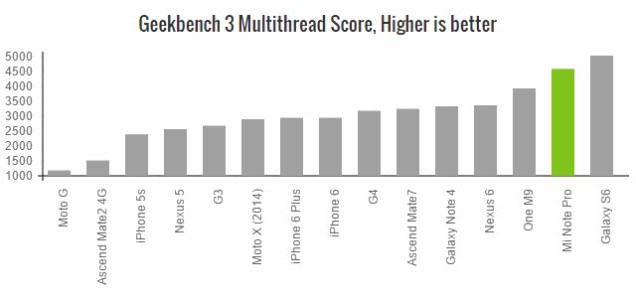
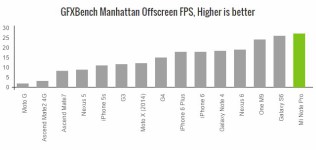

Remarkably, Xiaomi Mi Note Pro 4GB RAM does beat some giants like HTC M9 and LG G4 and even Samsung Galaxy S6 sometimes has to give up the place to Mi Note Pro in some tests.
Before going to end this articles, we would like to remind you of Xiaomi Mi Note Pro Specs and Price for nay further consideration.
Xiaomi Mi Note Pro Specs:
| Dimensions | 155.1 x 77.6 x 7mm |
| SIM | Dual 4G SIM |
| Display | 5.7 inches, 2K resolution, corning Gorilla Glass 3 |
| OS | Android 5.0 with MIUI on top |
| Processor | Qualcomm MSM8974AC Snapdragon 801 2.5 GHz |
| Micro card slot | No |
| Internal | 16GB or 64GB of storage, 4GB RAM |
| Camera | Main cam: 13MP (Sony IMX214 sensor) with OIS, optical image stabilization, autofocus, dual-LED flash Front cam: 4MP, 1080p |
| Battery | Non-removable Li-Ion 3,000mAh battery with Qualcomm Quick Charge 2.0 |
| Colors | Black and White |
The Mi Note Pro costs 3,299 Yuan (expected Mi Note Pro Price in Malaysia is also about RM1,900). Anyhow, with such specs and being the fastest Snapdragon 810 smartphone, Mi Note Pro Price is somehow reasonable.
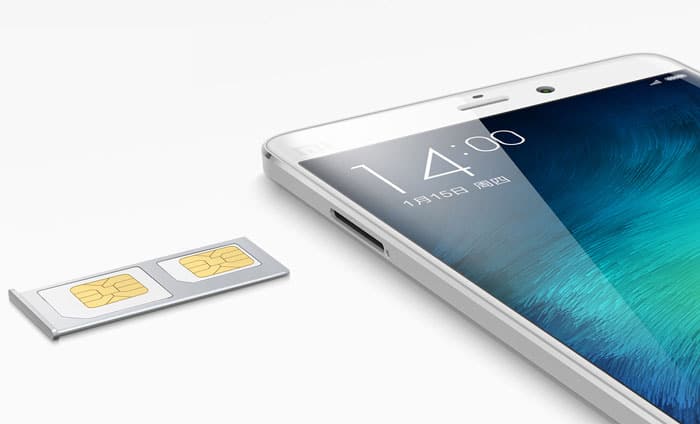
However, so far there still has not been official words for Mi Note Pro Malaysia, so in order to this top-score-in-nearly-all-benchmarks smartphone, maybe we need to wait some more weeks.
You May Like
-
Nokia Maze Xtreme 2026 Specs: 200MP Cameras, 12000mAh Battery!
-
Nokia XS Max 2026 Specs: 200MP Cameras, 10600mAh Battery!
-
Nokia P1 Lite 2026 Specs: 200MP Cameras, 11000mAh Battery!
-
Nokia Flash 2026 Specs: 16GB RAM, 200MP Cameras!
-
Sony Xperia Ultra Max Pro Specs: 200MP Cameras, 19100mAh Battery!
-
Nokia A2 Pro Specs: 18GB RAM, 12000mAh Battery!
-
Nokia Royale Max Ultra 2026 Specs: 24GB RAM, 18700mAh Battery!
-
Nokia Play 2 Max 2026 Specs: 24GB RAM, 12000mAh Battery!
-
مواصفات Sony Ericsson Satio 2026: ذاكرة RAM بسعة 16 جيجابايت، وكاميرات بدقة 250 ميجابكسل!
Bluboo X550: 5.5” HD screen, 64-bit processor and HUGE 5,300mAh battery
If you are looking for a mid-range Android smartphone with a huge battery, Bluboo X550 perhaps is the answer. Bluboo is a Chinese manufacturer but recently they have released the Bluboo X550 featuring a massive 5,300mAh battery, and consumers from many countries can order this device online now.

X550 is proud of being the first 5,300mAh Android 4G smartphone. With such an extremely big battery, it is able to last through two days of average use for just one charge. Additionally, this batt, made by a California-based company called Amprius, supports quick charging thanks to MediaTek’s PumpExpress Plus solution.
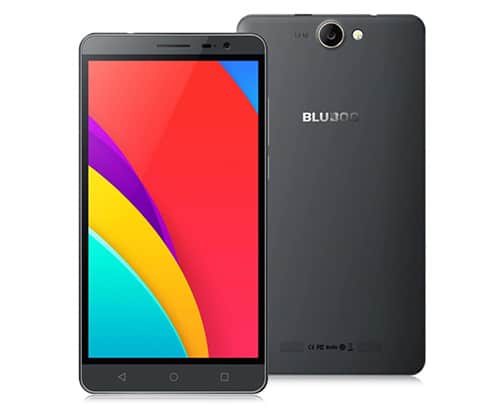
Other features of X550 are also worth mentioning. Running on 5.1 Lollipop, X550 comes with a 5.5-inch (720×1280) display and sports a 64-bit quad-core MediaTek MTK6735 1.7GHz processor, which is quite the same as MT6732 chip but able to assist more frequencies. Nonetheless, X550 owns a less capable Mali-T720 GPU, not as powerful as Mali-T760, yet in general, Bluboo X550 is still a capable phone, even for those who want good gaming performance. Besides, the handset includes 2GB RAM, 16GB of expandable storage with a microSD card slot, and 4G LTE connectivity. About its ability of taking photos, X550 has a 13MP rear camera with a LED flash and a 2MP front-facing shooter.
Bluboo X550 with 3 colors
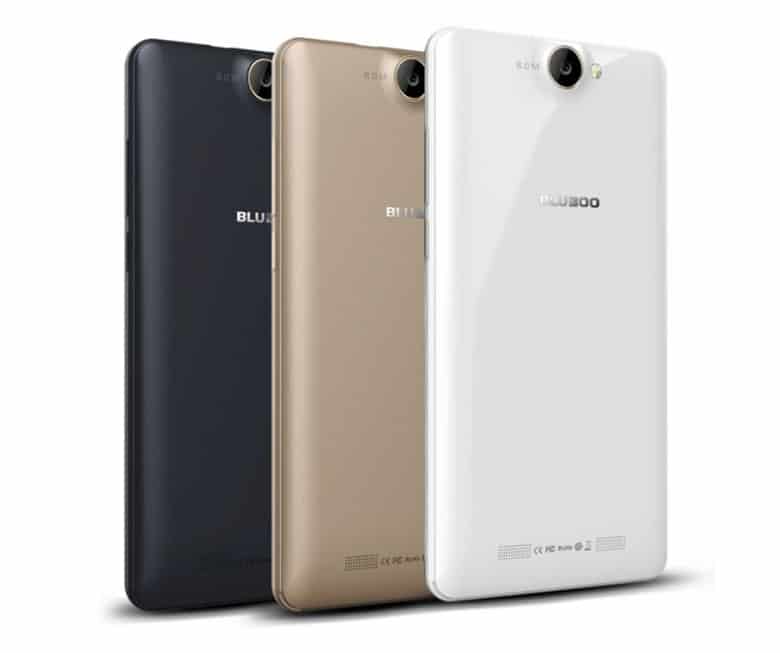
Bluboo company has announced that from May 19 to June 4, X550 price on sale will be just $149.99 (it seems like Bluboo X550 price in Malaysia can be about RM540), then $159.99 (RM576) from June 5 to July 4, and $169.99 (RM612) after July 4.

To conclude, we would like to welcome Bluboo X550 to the mobile world. With a huge 5,300mAh battery, 5.5” HD screen and other necessary features for a good phone, Bluboo may earn a stable position in the smartphone martket in the future. You can click here to visit Bluboo X550 official page.
You May Like
-
Nokia Maze Xtreme 2026 Specs: 200MP Cameras, 12000mAh Battery!
-
Nokia XS Max 2026 Specs: 200MP Cameras, 10600mAh Battery!
-
Nokia P1 Lite 2026 Specs: 200MP Cameras, 11000mAh Battery!
-
Nokia Flash 2026 Specs: 16GB RAM, 200MP Cameras!
-
Sony Xperia Ultra Max Pro Specs: 200MP Cameras, 19100mAh Battery!
-
Nokia A2 Pro Specs: 18GB RAM, 12000mAh Battery!
-
Nokia Royale Max Ultra 2026 Specs: 24GB RAM, 18700mAh Battery!
-
Nokia Play 2 Max 2026 Specs: 24GB RAM, 12000mAh Battery!
-
مواصفات Sony Ericsson Satio 2026: ذاكرة RAM بسعة 16 جيجابايت، وكاميرات بدقة 250 ميجابكسل!
Xiaomi Mi 4i To Arrive in Malaysia With Cheap Price, 13MP Camera
The Chinese company has launched the Mi 4i handset with 13MP camera, 16GB storage and affordable price. Check it out right below!

Xiaomi Mi 4i specs
Xiaomi is set to debut its latest budget-friendly smartphone, the Mi 4i, in Malaysia. The brand recently sent out invitations for a special launch event, with the device expected to be available for purchase starting next month. Despite its affordable price, the Mi 4i offers impressive hardware and sleek design. It runs on MIUI 6, based on Android 5.0 Lollipop.
On the other hand, the Xiaomi phone takes power from the second-generation Qualcomm Snapdragon 615 chipset, featuring a 1.7GHz octa-core 64-bit processor. Moreover, the Chinese phone comes with 2GB of RAM and 16GB of internal storage. As it does not support microSD expansion, this might be a drawback for users who require more space for photos, videos, and apps.
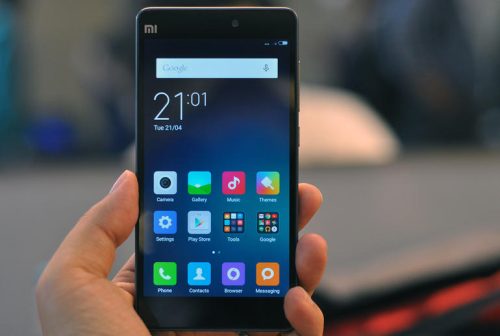
On the bright side, the Xiaomi device supports dual SIM cards and 4G LTE connectivity, making it a practical choice for users in Malaysia. Additionally, the Xiaomi Mi 4i features a 5-inch Full HD IPS display equipped with Sunlight Display technology, designed to improve screen visibility under direct sunlight. It also houses a 3120mAh battery, promising extended usage throughout the day. Photography-wise, the Xiaomi Mi 4i camera sports a 13MP rear lens and a 5MP front-facing sensor, ideal for capturing high-quality photos and selfies. Weighing just 130 grams, the phone boasts a lightweight polycarbonate body that enhances portability and comfort.
Xiaomi Mi 4i release date and price
The Xiaomi Mi 4i will officially go on sale in Malaysia on May 28th at 12 PM, exclusively through the Mi Store. Moreover, the Xiaomi Mi 4i price starts at RM749. Besides, the Xiaomi device may also be offered at a discounted rate during a flash sale, giving eager buyers a chance to grab it at an even lower cost.
You May Like
-
Nokia Maze Xtreme 2026 Specs: 200MP Cameras, 12000mAh Battery!
-
Nokia XS Max 2026 Specs: 200MP Cameras, 10600mAh Battery!
-
Nokia P1 Lite 2026 Specs: 200MP Cameras, 11000mAh Battery!
-
Nokia Flash 2026 Specs: 16GB RAM, 200MP Cameras!
-
Sony Xperia Ultra Max Pro Specs: 200MP Cameras, 19100mAh Battery!
-
Nokia A2 Pro Specs: 18GB RAM, 12000mAh Battery!
-
Nokia Royale Max Ultra 2026 Specs: 24GB RAM, 18700mAh Battery!
-
Nokia Play 2 Max 2026 Specs: 24GB RAM, 12000mAh Battery!
-
مواصفات Sony Ericsson Satio 2026: ذاكرة RAM بسعة 16 جيجابايت، وكاميرات بدقة 250 ميجابكسل!
OPPO R7 Plus Launch: 6″ FHD, Super Slim and huge 4100mAH Battery
OPPO’s latest smartphone OPPO R7 Plus launch has occurred in OPPO’s 10-year history ceremony in Beijing, China. We heard a lot about its specs and design before OPPO R7 Plus launch date, but they were rumors, and now the manufacturer made it official with some small changes. Let’s take a look at the detailed features of R7 Plus.
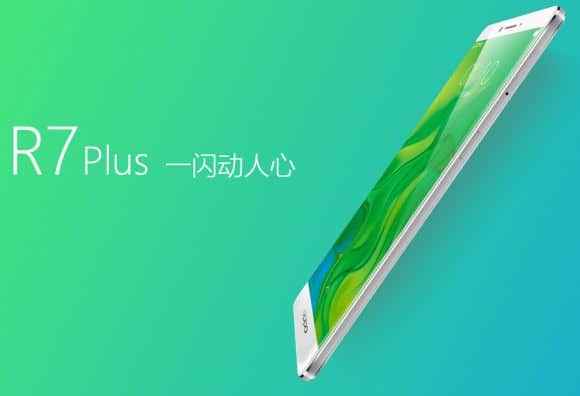
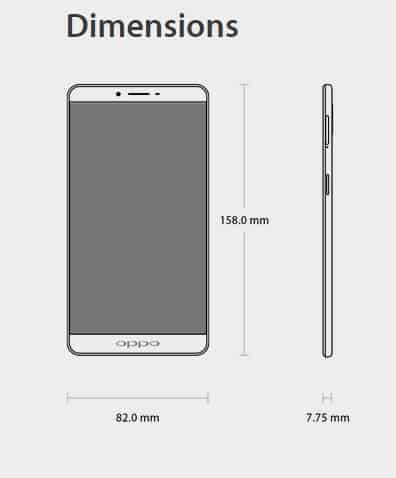
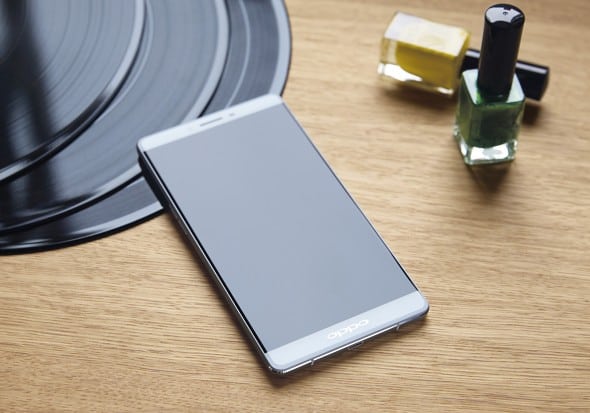
R7 Plus comes with a 6-inch (1920×1080, 367ppi) AMOLED display that stretches from edge to edge, surrounded by premium metal. People are aware that R series phones get known as super thin devices, and being a member of this family, R7 Plus also looks very slim with thickness of 7.7mm and weight of 203 grams. The phone is powered by Qualcomm MSM8939 octa-core 1.5GHz processor along with 4G dual SIM, 3GB RAM, and 32GB of storage that still can be expanded up to 128GB with a microSD card. One more selling point for this smartphone is its huge 4,100mAh battery with VOOC charging, a lot larger than the capacity of its peer OPPO R7 2320mAh battery.
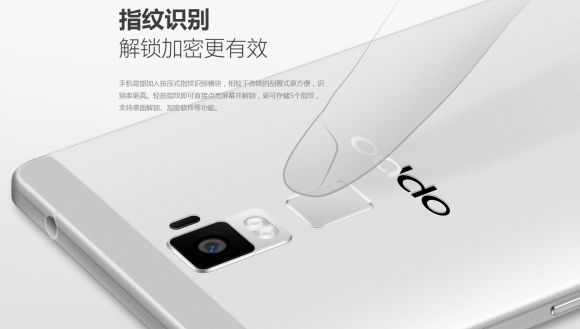
In terms of ability of taking photos, R7 Plus sports a 4 color RGBW 13MP rear camera like Huawei P8’s with dual LED flash. With this 4 color setup, pictures will become brighter with less noise. Besides, we have a fingerprint scanner below the cam that helps users unlock the phone without sliding over it. That is a special thing about R7 Plus since R7 is not able to be equipped with this feature. In addition to the main shooter, R7 Plus boasts a 8MP front-facing one, which can attract those who like quality selfies. Strangely, while OPPO R7 has capacitive front buttons, R7 Plus chooses on-screen ones, and along with Android 5.1 Lollipop, R7 Plus will run on ColorOS 2.1, which is also introduced as the latest version of OPPO Color OS in the event. Color OS 2.1 will be showing a new prettier interface and getting faster and more responsive.
Click here to go to OPPO R7 Plus official page
Though the official availability of OPPO R7 Plus is not for sure yet, R7 Plus price is confirmed to be at 2,999 Yuan, so the OPPO R7 Plus price in Malaysia could be RM1,745 if it is on sale in Malaysia.
In conclusion, after a long wait, OPPO R7 Plus has finally come with a reasonable price and remarkable specs. It is expected that OPPO will release OPPO R7 Plus for international sale soon, including OPPO R7 Plus Malaysia.
You May Like
-
Nokia Maze Xtreme 2026 Specs: 200MP Cameras, 12000mAh Battery!
-
Nokia XS Max 2026 Specs: 200MP Cameras, 10600mAh Battery!
-
Nokia P1 Lite 2026 Specs: 200MP Cameras, 11000mAh Battery!
-
Nokia Flash 2026 Specs: 16GB RAM, 200MP Cameras!
-
Sony Xperia Ultra Max Pro Specs: 200MP Cameras, 19100mAh Battery!
-
Nokia A2 Pro Specs: 18GB RAM, 12000mAh Battery!
-
Nokia Royale Max Ultra 2026 Specs: 24GB RAM, 18700mAh Battery!
-
Nokia Play 2 Max 2026 Specs: 24GB RAM, 12000mAh Battery!
-
مواصفات Sony Ericsson Satio 2026: ذاكرة RAM بسعة 16 جيجابايت، وكاميرات بدقة 250 ميجابكسل!


