Author: chris eilers
HTC Desire 10 Pro vs BLU Life One X2: 4GB RAM smartphones
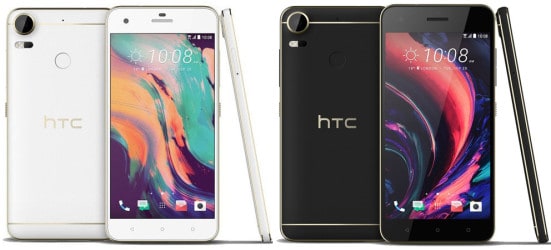
More and more 4GB RAM phones are coming to the market. Today we will make a comparison between two of them: HTC Desire 10 Pro vs BLU Life One X2! Let’s go!
HTC Desire 10 Pro vs BLU Life One X2: 4GB RAM smartphones
The first thing we would like to mention in this HTC Desire 10 Pro vs BLU Life One X2 battle is the performance. Both phones carry a whooping 4GB RAM (There’s another version of BLU Life One X2 with 2GB RAM). However, it is quite a disappointment that BLU Life One X2 comes with an old-school processor: 1.4 GHz octa-core Snapdragon 430. Meanwhile, HTC Desire 10 Pro houses a more recent and stronger chipset: MediaTek MT6755 Helio P10.
Next in this HTC Desire 10 Pro vs BLU Life One X2 showdown, let’s evaluate the cameras. BLU Life One X2 comes with a 16MP main camera with phase detection autofocus, laser autofocus, single LED flash and an 8MP front shooter with its own LED Flash. Meanwhile, HTC Desire 10 Pro sports a 20MP main camera with laser autofocus, dual LED flash and a 13MP front-facing shooter with wide angle selfie. It’s hard to pick the clear winner in this aspect!
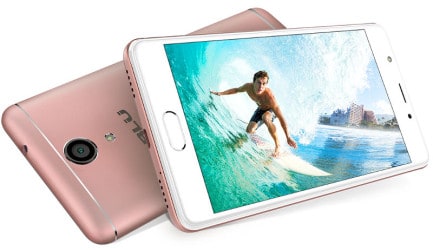
Now let’s move on to the display, the battery and the storage. BLU Life One X2 packs a 5.2-inch full HD display, a 3000mAh battery and 64GB of internal memory (for the 4GB RAM version). At the same time, HTC Desire 10 Pro arrives with a 5.5-inch full HD screen, 3000mAh battery and 64GB ROM (+256GB max).
HTC Desire 10 Pro vs BLU Life One X2: Which one is the winner?
So far, HTC Desire 10 Pro specs are slightly more impressive than BLU Life One X2 specs, but before we pick the winner of this HTC Desire 10 Pro vs BLU Life One X2 battle, let’s consider their price tags! BLU Life One X2 price for the 4GB RAM version will be $199 (RM. 820). As for HTC Desire 10 Pro price, the company has shared that this phone will cost less than HTC 10, which is priced $699 (RM 2900), but we expect that it will cost much higher than the BLU phone. So if you are on budget, the BLU phone is for you. If money doesn’t matter much to you, go for the HTC phone.
You May Like
-
 Nokia Maze Xtreme 2026 Specs: 200MP Cameras, 12000mAh Battery!
-
Nokia XS Max 2026 Specs: 200MP Cameras, 10600mAh Battery!
-
 Nokia P1 Lite 2026 Specs: 200MP Cameras, 11000mAh Battery!
-
Nokia Flash 2026 Specs: 16GB RAM, 200MP Cameras!
-
Sony Xperia Ultra Max Pro Specs: 200MP Cameras, 19100mAh Battery!
-
Nokia A2 Pro Specs: 18GB RAM, 12000mAh Battery!
-
Nokia Royale Max Ultra 2026 Specs: 24GB RAM, 18700mAh Battery!
-
 Nokia Play 2 Max 2026 Specs: 24GB RAM, 12000mAh Battery!
-
مواصفات Sony Ericsson Satio 2026: ذاكرة RAM بسعة 16 جيجابايت، وكاميرات بدقة 250 ميجابكسل!



Xiaomi Mi Note S: the replacement of Mi 5s?
Previously, Xiaomi is reported to launch Xiaomi Mi 5s in September. However, we may never see the name Mi 5s. Instead, the new Xiaomi phone might be called Xiaomi Mi Note S.
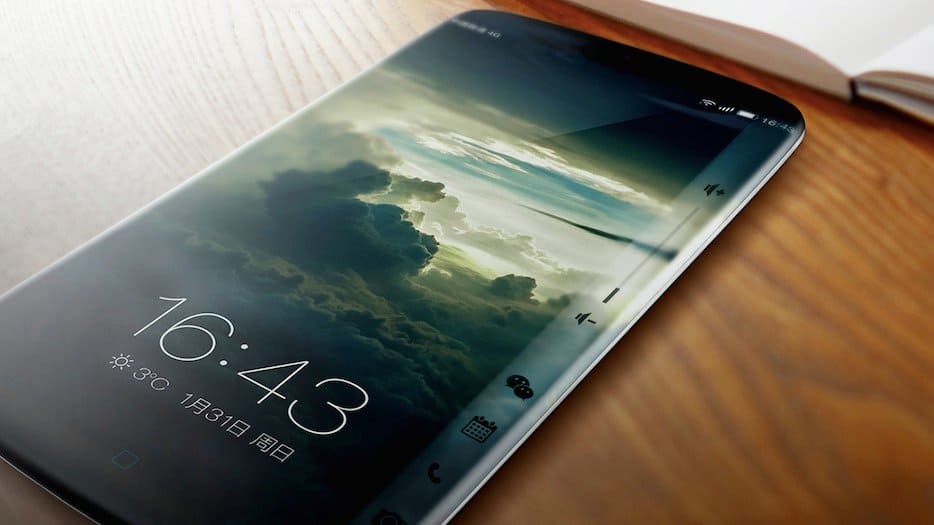
Xiaomi Mi Note S: The replacement of Xiaomi Mi 5s
From previous leaks, Xiaomi is working on a new flagship – Xiaomi Mi 5s. This phone is one of the high-end devices from the Chinese brand. However, we might not see the name Xiaomi Mi 5s anymore. In response to an inquiry on a Chinese social media website, the company supposedly responded by talking that there is no Xiaomi Mi 5s. Instead of that, the new Xiaomi phone might be called Xiaomi Mi Note S.
It seems that the name of this new Xiaomi phone is a “hot” topic on the internet. So, what will Xiaomi Mi Note S bring? As the previous leaks suggested, the phone allegedly comes in three versions, including 4GB RAM+ 64GB ROM, 6GB RAM+128G, and 6GB RAM+ 128GB ROM.
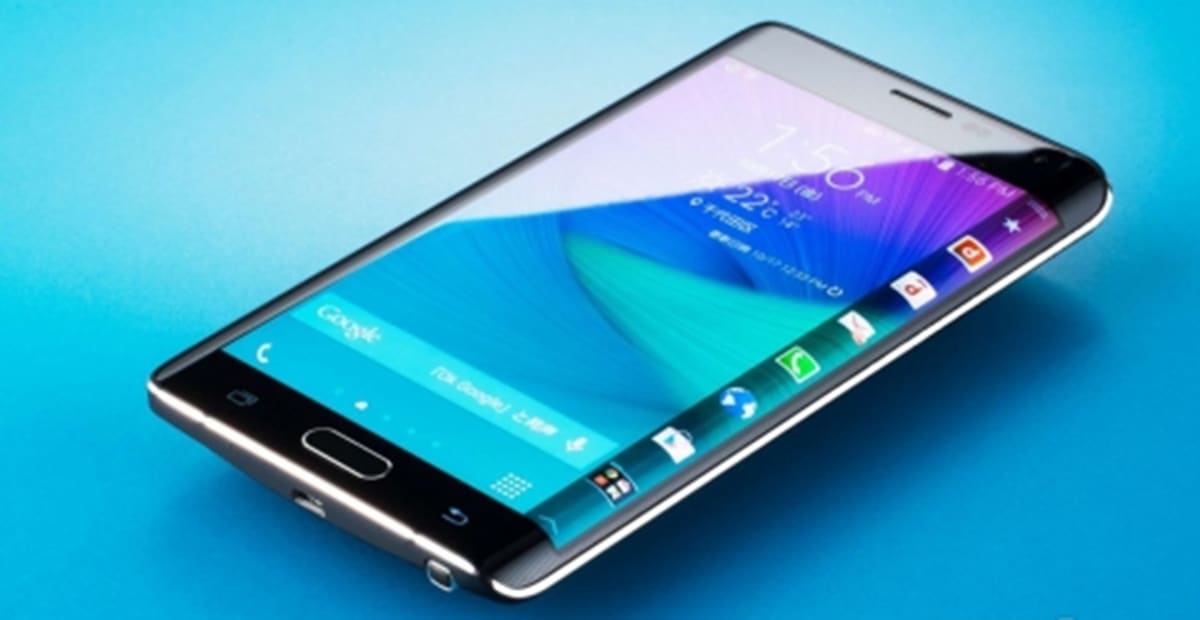
Under the hood, Xiaomi Mi Note S will house a quad-core SnapDragon 821 chipset, accompanied by an Adreno 530 GPU. Previously, Xiaomi Mi 5s is claimed to come with 5.15-inch full HD screen. Now, with a new name – Note S, we expect its screen will be larger, about 5.5-inch. As reports suggested, the phone will sport a 16MP rear camera with f/1.8, OIS, and laser focus. On the front, there is a 13MP front-facing camera for selfies. You might also find a 3490 mAH battery with Quick Charge 3.0 support.
Xiaomi Mi Note S price and release date
Xiaomi Mi Note S price hasn’t been unveiled. However, if Xiaomi Mi Note S is the new name of Xiaomi Mi 5s, it might have similar price as Xiaomi Mi 5’s. From the previous leaks, Xiaomi Mi 5s (or Xiaomi Mi Note S in this case), could range from $299 to $405 (RM. 1234 – RM. 1671, for three versions). As the same reports suggested, Xiaomi is likely to launch their new phone on 27 September. It means we’ll know the exact name of the new Xiaomi phone soon. So, keep following our page for more information about Xiaomi Mi Note S!
You May Like
-
Nokia Maze Xtreme 2026 Specs: 200MP Cameras, 12000mAh Battery!
-
Nokia XS Max 2026 Specs: 200MP Cameras, 10600mAh Battery!
-
Nokia P1 Lite 2026 Specs: 200MP Cameras, 11000mAh Battery!
-
Nokia Flash 2026 Specs: 16GB RAM, 200MP Cameras!
-
Sony Xperia Ultra Max Pro Specs: 200MP Cameras, 19100mAh Battery!
-
Nokia A2 Pro Specs: 18GB RAM, 12000mAh Battery!
-
Nokia Royale Max Ultra 2026 Specs: 24GB RAM, 18700mAh Battery!
-
Nokia Play 2 Max 2026 Specs: 24GB RAM, 12000mAh Battery!
-
مواصفات Sony Ericsson Satio 2026: ذاكرة RAM بسعة 16 جيجابايت، وكاميرات بدقة 250 ميجابكسل!
Elephone R9 vs Oukitel U13: 3GB RAM, 16MP camera and more!
Both Elephone R9 and Oukitel U13 have just been announced lately. Before these phone hit the market, let us bring you an Elephone R9 vs Oukitel U13 overview!
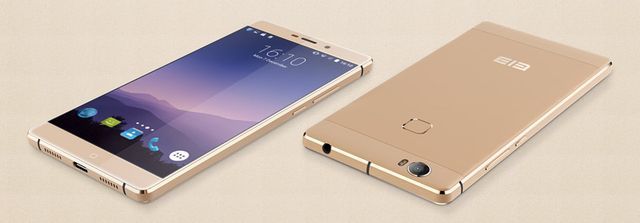
Elephone R9 vs Oukitel U13: 3GB RAM, 16MP camera
First in this Elephone R9 vs Oukitel U13 battle, let’s talk about the hardware. Elephone R9 carries a deca-core MediaTek Helio X20 processor, along with a decent 3GB RAM. On the other hand, Outkitel U13 houses a 1.3GHz octa-core MediaTek MT6753 chipset, also paired with a 3GB RAM. So we can see that though having the equal amount of RAM, Elephone R9’s processor seems more powerful than that of the Oukitel phone.
Next in this Elephone R9 vs Oukitel U13 comparison, let’s consider the camera. They both come with a 16MP shooter on the back. However, in terms of selfie, Elephone R9 loses out to Oukitel U13. The front camera of R9 supports 8MP resolution, while the selfie shooter of Oukitel U13 offers 13MP, which is quite impressive! To store images, Elephone R9 offers 32GB ROM (+maximum 128GB) and Oukitel U13 supports 64GB of internal memory.
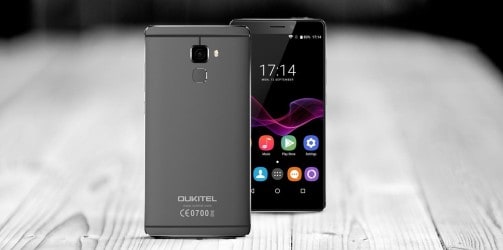
So what about other Elephone R9 specs and Oukitel U13 specs? Talking about the display, these Android 6.0 phones both sport a 5.5-inch bezel-less screen with Full HD resolution. Regarding the battery capacity, Elephone R9 is fueled by a 3000mAh non-removable cell. On the other hand, Oukitel U13 battery has not been mentioned.
Elephone R9 vs Oukitel U13: Which one is the winner?
As for the budget, Elephone R9 price will be ONLY around $110 (RM. 450) while Outkitel U13 price has not been specified yet. So to pick the winner of this Elephone R9 vs Oukitel U13 battle, we will have to solely rely on the specs. According to the information above, Elephone wins in terms of performance and Oukitel U13 wins in terms of photography. Elephone R9 has better performance with its deca-core processor, but if you are a photography lover, the Oukitel phone is for you. Both Elephone R9 release date and Oukitel U13 release date will be next month! Let’s count down.
You May Like
-
Nokia Maze Xtreme 2026 Specs: 200MP Cameras, 12000mAh Battery!
-
Nokia XS Max 2026 Specs: 200MP Cameras, 10600mAh Battery!
-
Nokia P1 Lite 2026 Specs: 200MP Cameras, 11000mAh Battery!
-
Nokia Flash 2026 Specs: 16GB RAM, 200MP Cameras!
-
Sony Xperia Ultra Max Pro Specs: 200MP Cameras, 19100mAh Battery!
-
Nokia A2 Pro Specs: 18GB RAM, 12000mAh Battery!
-
Nokia Royale Max Ultra 2026 Specs: 24GB RAM, 18700mAh Battery!
-
Nokia Play 2 Max 2026 Specs: 24GB RAM, 12000mAh Battery!
-
مواصفات Sony Ericsson Satio 2026: ذاكرة RAM بسعة 16 جيجابايت، وكاميرات بدقة 250 ميجابكسل!
OLED and AMOLED: What are the differences?
OLED is a popular screen technology in television and mobile market. However, on Samsung and some other smartphone brands, there is the AMOLED screen. So, what are the differences between OLED and AMOLED?
OLED and AMOLED: The differences
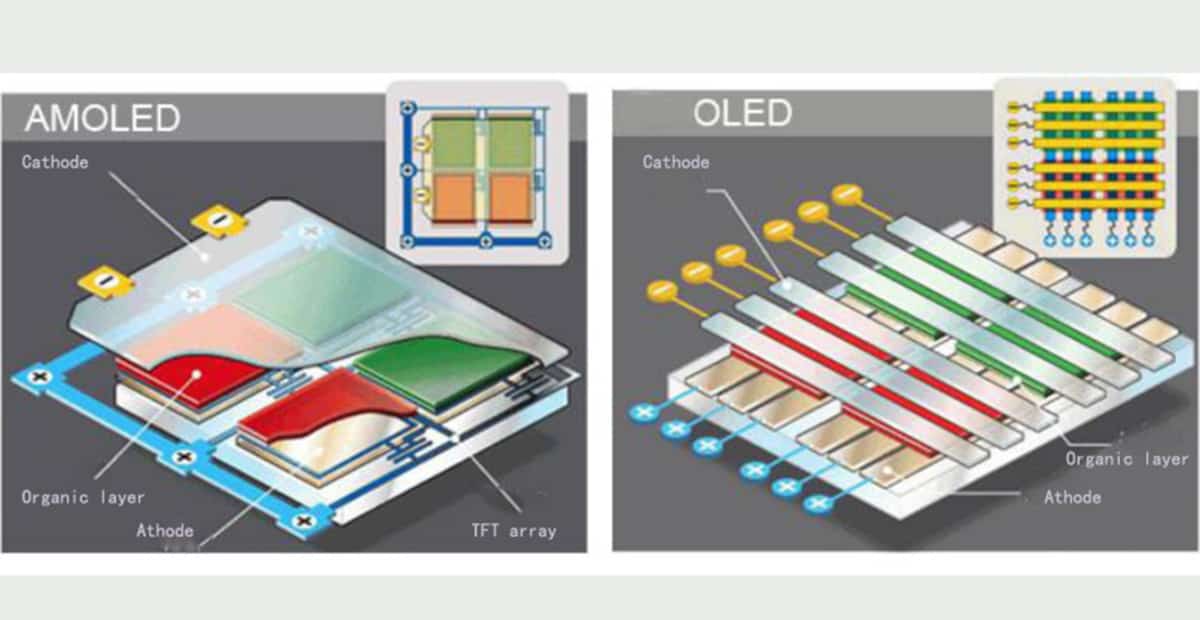
Generally, OLED and AMOLED are two popular screen technology at the present. OLED exists in both television and mobile market while AMOLED is famous in smartphone market (Samsung, Xiaomi, Asus, etc). It is easy to mistake between these two. However, there are some main differences.
To start with, OLED stands for Organic Light Emitting Diode. It contains an organic material that creates light when electricity passes through it. This screen technology has the advantage in presenting black colors. Additionally, OLED screens have wide-angle view and huge contrast ratio, which is better in displaying images. Meanwhile, AMOLED stands for Active-matrix Organic light emitting diode. So, AMOLED is different from OLED with the “active-matrix”. To be simple, AMOLED is an upgraded version of OLED.
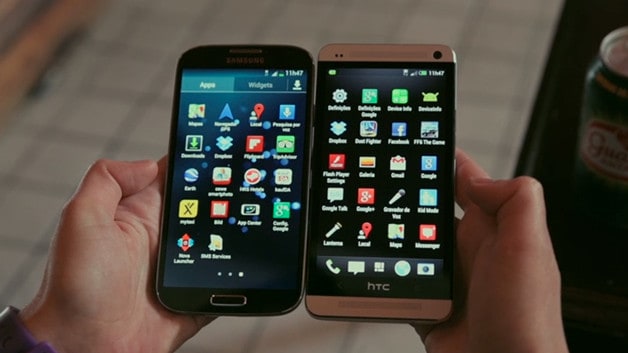
One of the upgraded features of AMOLED is the TFTs. TFTs is short of thin-film transistors, which is used in activating the “active-matrix”. That helps the AMOLED screen control the pixels better. This feature is necessary for high-quality products, especially those devices with big size screen. So, the AMOLED screen has an advantage over OLED in large screen devices, in terms of display.
OLED and AMOLED: The choices for the future
In the end, OLED and AMOLED screen are not too different. However, AMOLED technology is still a step forward from OLED, since it is better in display on large screens. Both of them are high-quality screen types which have wide-angle and big contrast ratio. That’s why they are becoming more popular in television and mobile market. However, the production cost is one of the limitations of OLED and AMOLED. Now, manufacturers are making efforts to reduce cost, so we can expect that they will be cheaper in the future.
You May Like
-
Nokia Maze Xtreme 2026 Specs: 200MP Cameras, 12000mAh Battery!
-
Nokia XS Max 2026 Specs: 200MP Cameras, 10600mAh Battery!
-
Nokia P1 Lite 2026 Specs: 200MP Cameras, 11000mAh Battery!
-
Nokia Flash 2026 Specs: 16GB RAM, 200MP Cameras!
-
Sony Xperia Ultra Max Pro Specs: 200MP Cameras, 19100mAh Battery!
-
Nokia A2 Pro Specs: 18GB RAM, 12000mAh Battery!
-
Nokia Royale Max Ultra 2026 Specs: 24GB RAM, 18700mAh Battery!
-
Nokia Play 2 Max 2026 Specs: 24GB RAM, 12000mAh Battery!
-
مواصفات Sony Ericsson Satio 2026: ذاكرة RAM بسعة 16 جيجابايت، وكاميرات بدقة 250 ميجابكسل!
Extreme Umi Plus with 6GB RAM, Helio P20
Umi Plus was launched in early September. Now, the company is preparing to launch the new version of this phone – Extreme Umi Plus. This phone might come with a huge 6GB RAM and Helio P20. Besides, ..
Extreme Umi Plus: a stronger version is coming
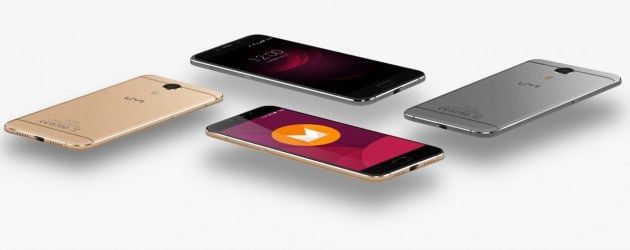
As your remember, Umi Plus has been launched in early September. At that time, the phone came with 4GB RAM and Helio P10 under the hood. Now, the company is preparing to bring users a new version of this phone. From the recent reports, the new phone will be called Extreme Umi Plus. It will come with the stronger processor and some enhanced specs.
To be more specific, Extreme Umi Plus will come with a bigger 6GB RAM. Besides, it will be working on a new processor – an Octa-core Helio P20. On paper, the Helio P20 is comparable to SnapDragon 810-one of the most powerful processor at this time. So, the new Umi Plus is promising a better performance. As the company unveiled, Extreme Umi Plus will be running on the latest Android 7.0 OS. That is Android 6.0 on the previous version – Umi Plus. Besides, the Extreme Umi Plus phone will have two new colour options, including Blue and Black Finish.
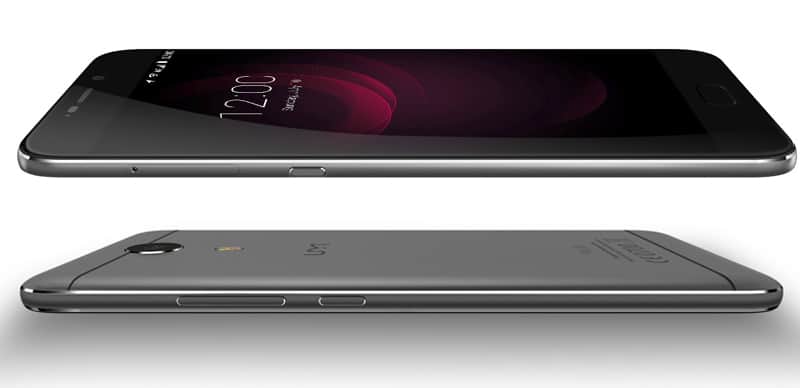
Other Extreme Umi Plus specs are the same with the standard version. It comes with a 5.5-inch full HD screen, along with dual-SIM and a fingerprinter scanner. The phone sports a huge 4000 mAH battery with quick charge technology. You will also find a 13MP camera on the rear and 5MP selfie shooter on the front.
Extreme Umi Plus price and release date
Until now, there is now words on the Extreme Umi Plus release date. However, we expect it will come at the end of this month. The price of this phone is also a mystery. However, when to consider the Umi Plus price ($179), Extreme Umi Plus price is believed to be under $300. If you are interested in this phone, just follow our page for more information!
You May Like
-
Nokia Maze Xtreme 2026 Specs: 200MP Cameras, 12000mAh Battery!
-
Nokia XS Max 2026 Specs: 200MP Cameras, 10600mAh Battery!
-
Nokia P1 Lite 2026 Specs: 200MP Cameras, 11000mAh Battery!
-
Nokia Flash 2026 Specs: 16GB RAM, 200MP Cameras!
-
Sony Xperia Ultra Max Pro Specs: 200MP Cameras, 19100mAh Battery!
-
Nokia A2 Pro Specs: 18GB RAM, 12000mAh Battery!
-
Nokia Royale Max Ultra 2026 Specs: 24GB RAM, 18700mAh Battery!
-
Nokia Play 2 Max 2026 Specs: 24GB RAM, 12000mAh Battery!
-
مواصفات Sony Ericsson Satio 2026: ذاكرة RAM بسعة 16 جيجابايت، وكاميرات بدقة 250 ميجابكسل!
OLED and LCD: Which is the better screen technology
At the present, OLED and LCD are the two most popular screen technologies. They are dominating television and mobiles market. So, which technology is better?
OLED and LCD: The differences
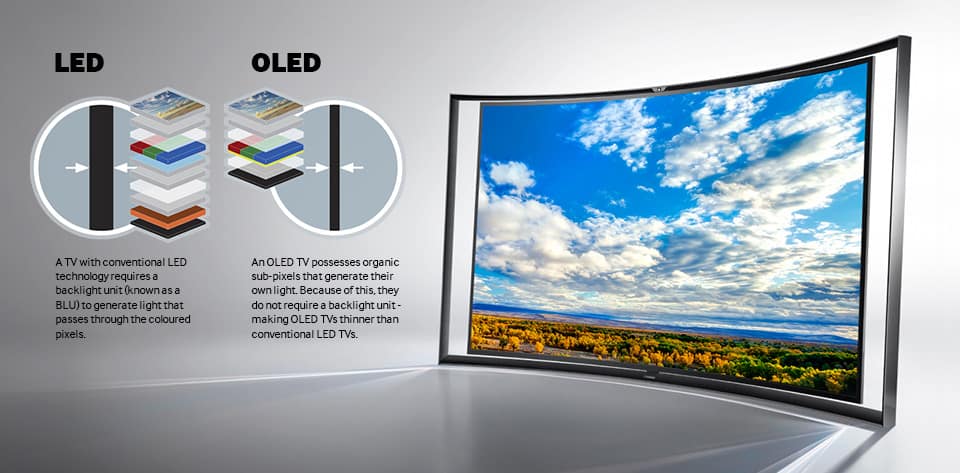
One of the differences between OLED and LCD is the contrast ratio. That is the ratio between the “darkest black” and the “brightest white” the screen can create. (white:black). As for OLED, it is better in viewing black colors. In contrast, LCD is better in viewing white colors. However, the smaller black level will result in the bigger value of contrast ratio. So, with a very small level of black (near zero), an OLED screen will have a huge contrast ratio which is bigger than a LCD screen’s.
Besides a higher contrast ratio, an OLED screen also comes with more enhanced features than a LCD screen. It is thinner, lighter, more flexible, and more sensitive. That’s why some smartphone manufacturers such as LG and Samsung are using OLED screens to develop flexible smartphones. Most importantly, OLED screens provide better viewing angles (170 degrees) and higher contrast than LCD screens.
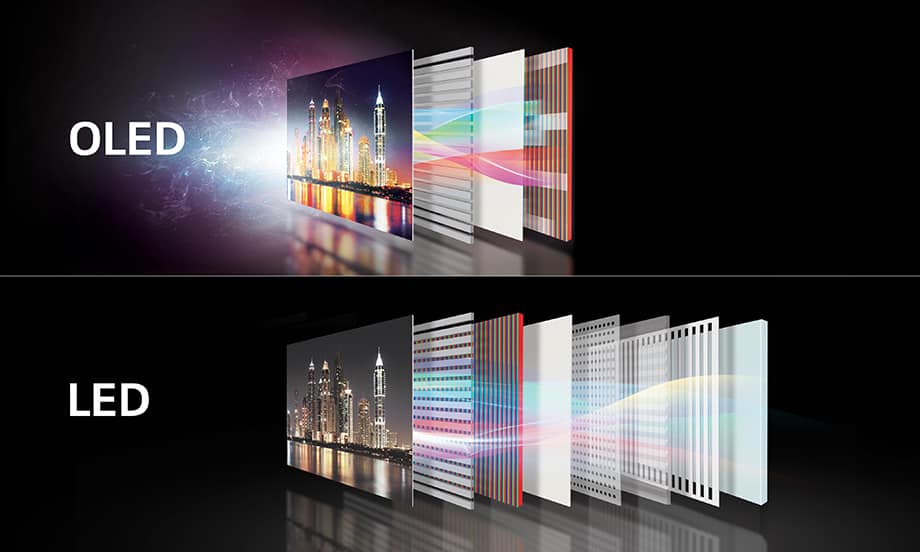
However, at the same level of the brightness, a LCD screen uses less power than an OLED screen. That means your smartphone can work longer if it comes with a LCD screen. With high brightness, LCD screen is also better for outdoor usage. Besides, LCD’s production cost is less than OLED’s. For example, a 50-inch LCD screen costs around $500 while an OLED screen price is 5 times higher (about $2500).
OLED and LCD : Conclusion
As you can see, the OLED screen outshines its rival LCD in almost factors. However, the production cost is the biggest limitation of this screen type. This screen technology is still in research process to reduce cost, so we can expect that OLED screens will be cheaper in the future. On the other hand, LCD screens will save the power and display images better when you are outdoor. Most importantly, LCD screens are cheaper than OLED screens. That’s why LCD screens still exist in televisions and mobiles market. As a result, choosing LCD or OLED will depend on your usage as well as your budget.
You May Like
-
Nokia Maze Xtreme 2026 Specs: 200MP Cameras, 12000mAh Battery!
-
Nokia XS Max 2026 Specs: 200MP Cameras, 10600mAh Battery!
-
Nokia P1 Lite 2026 Specs: 200MP Cameras, 11000mAh Battery!
-
Nokia Flash 2026 Specs: 16GB RAM, 200MP Cameras!
-
Sony Xperia Ultra Max Pro Specs: 200MP Cameras, 19100mAh Battery!
-
Nokia A2 Pro Specs: 18GB RAM, 12000mAh Battery!
-
Nokia Royale Max Ultra 2026 Specs: 24GB RAM, 18700mAh Battery!
-
Nokia Play 2 Max 2026 Specs: 24GB RAM, 12000mAh Battery!
-
مواصفات Sony Ericsson Satio 2026: ذاكرة RAM بسعة 16 جيجابايت، وكاميرات بدقة 250 ميجابكسل!
OLED display: advantages and drawbacks
OLED is one of the most popular displays in the market. This kind of display is commonly used in many electronic devices like smartphones and TVs. So, what are the advantages and drawbacks of OLED display? Let’s check them out!
OLED display: thinner, lighter, more flexible but expensive and not durable
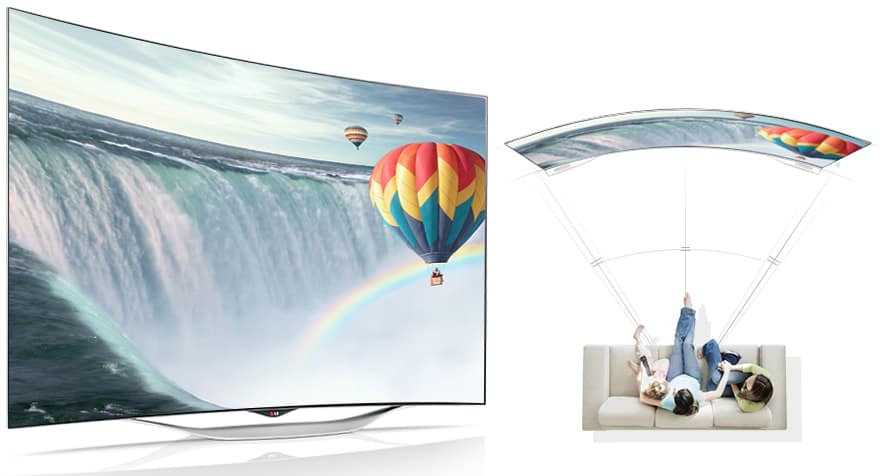
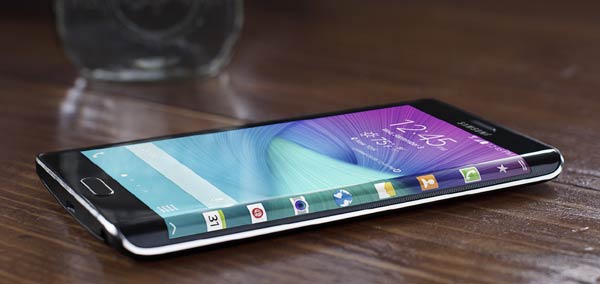
The first advantage of the OLED displays is the flexibility. OLEDs are made of light layers, which makes the substrate (base) of OLED flexible. Thanks to this flexibility, this base can be made of plastic. Whereas, the base of LEDs and LCDs have to be glass. Secondly, OLED display can be easily produced, even in large sizes. Because of the plastic material, manufacturers can create OLEDs in many sizes: big, small, thin.
Thirdly, OLED is more power-saving than LCD. LCD needs light to work, to display the images. That’s why they need backlighting. On the other hand, OLED does not need light. It emits light itself, which make they use less power. Additionally, OLED display will give you a wide-angle view (170 degrees). With OLED handsets (smartphones), you an have a much wider angle to see the images.
Besides these advantages, OLED display still have some drawbacks. The first disavantage is the cost. The manufacturing cost of this type of display is very expensive. Secondly, OLED is easily damaged by water. The third drawback is the lifetime. The lifetime of blue organic OLED is very short, about 14000 hours. Of course, with the other OLED like red and green OLED films, the lifetimes will be longer (from 46000 to 230000 hours). However, these types of OLED are much more expensive.
OLED display: future aplications
Compared to LED and LCD, OLED display is better. This type of display is a priority for many companies. They are applied in may devices like smartphones, digital cameras. Some brands also manufactured some prototypes of TVs and computer monitors which are OLED. In the future, OLED could be used to replace our home lighting, office lighting, and other displays.
You May Like
-
Nokia Maze Xtreme 2026 Specs: 200MP Cameras, 12000mAh Battery!
-
Nokia XS Max 2026 Specs: 200MP Cameras, 10600mAh Battery!
-
Nokia P1 Lite 2026 Specs: 200MP Cameras, 11000mAh Battery!
-
Nokia Flash 2026 Specs: 16GB RAM, 200MP Cameras!
-
Sony Xperia Ultra Max Pro Specs: 200MP Cameras, 19100mAh Battery!
-
Nokia A2 Pro Specs: 18GB RAM, 12000mAh Battery!
-
Nokia Royale Max Ultra 2026 Specs: 24GB RAM, 18700mAh Battery!
-
Nokia Play 2 Max 2026 Specs: 24GB RAM, 12000mAh Battery!
-
مواصفات Sony Ericsson Satio 2026: ذاكرة RAM بسعة 16 جيجابايت، وكاميرات بدقة 250 ميجابكسل!
LeEco Le Pro 3 rivals: 5 of the strongest phones with 6GB RAM, SND 821!
LeEco Le Pro has just been officially confirmed with 6GB RAM, Snapdragon 821 chipset and more. Today we will show you 5 other smartphones that can be strong LeEco Le Pro 3 rivals! Let’s take a look!
1. ZTE Nubia Z11
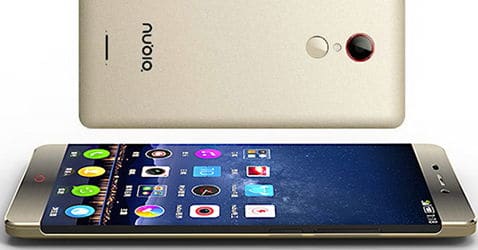
The first one among the strongest LeEco Le Pro 3 rivals is ZTE Nubia Z11. This phone carries a Snapdragon 820 chipset at its heart. There is a variant of Z11 with 6GB RAM (the other variant has 4GB RAM). Besides, this ZTE phone supports 64GB of internal memory, which can be extended by up to 256GB via microSD card.
The cameras of this phone are also good. On the back, there is a 16MP shooter assisted by phase detection autofocus (PDAF), optical image stabilization (OIS) and dual LED flash. Its brother on the front supports 8MP resolution and full HD video recording. Other ZTE Nubia Z11 specs include a 3000mAh battery and a 5.5-inch full HD display. This ZTE Nubia Z11 price is currently around RM. 2300 ($556)!
2. OnePlus 3
Next we have OnePlus 3. This phone is considered one of the strongest LeEco Le Pro 3 rivals, being the best performance phone on Antutu for half of 2016 until Le Pro 3. This OnePlus flagship houses Snapdragon 820 chipset and 6GB RAM . Besides, it comes with a 16MP main camera with phase detection autofocus and an 8MP selfie shooter. Other OnePlus 3 specs are also noticeable: 3000mAh battery, 64GB of internal storage and a 5.5-inch full HD Optic AMOLED display. OnePlus 3 price lands at around RM. 1850 ($447).

3. Lenovo Zuk Z2 Pro
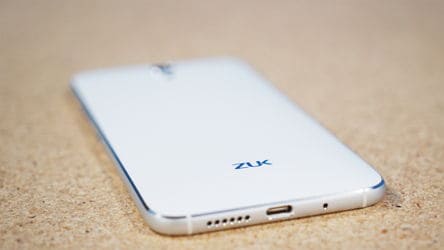
Next on the list is Lenovo Zuk Z2 Pro. There is a version of this phone that carries 6GB RAM and 128GB ROM (besides the 4GB RAM/64GB ROM version). Its chipset is the powerful quad-core (4×2.15GHz + 4×1.6GHz) Snapdragon 820. Besides, there will be a 13MP main camera with dual LED flash and phase detection autofocus, a 8MP selfie shooter, a 5.2-inch full HD Super AMOLED display and 3000mAh battery! Currently, Lenovo Zuk Z2 Pro price is around RM 2450 ($592).

4. Vivo Xplay 5 Elite
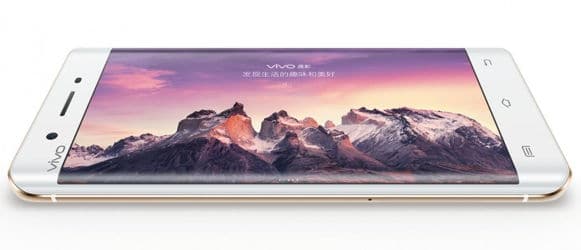
We cannot talk about LeEco Le Pro 3 rivals without mentioning this Vivo phone! With 6GB RAM and Snapdragon 820 chipset, Vivo Xplay 5 Elite will not let you down with its performance! Moreover, users won’t have to worry about the storage because this phone supports 128GB of internal memory! Its cameras are also awesome: 16MP rear shooter with PDAF, dual LED flash and an 8MP snapper for selfies. Other Vivo Xplay 5 Elite specs include a 3600mAh battery and especially a 5.43-inch quad HD CURVED display! Vivo Xplay 5 Elite price reaches RM. 2800 ($677).
5. Asus Zenfone 3 Deluxe
Here comes the star of this list! There is a version of Asus Zenfone 3 Deluxe with quad-core (2×2.4GHz + 2×2.0GHz) Snapdragon 821 variant, 6GB RAM and 256GB . This version is so far the strongest rival for LeEco Le Pro 3. The primary camera of this phone is also spectacular: 23MP main shooter with PDAF, laser autofocus, OIS and dual LED flash. Other Asus Zenfone 3 Deluxe specs include a 3000mAh battery, a 8MP selfie snapper and a 5.7-inch full HD display! Asus Zenfone 3 Deluxe price for this version is around RM 3200 ($774).

LeEco Le Pro 3 rivals: 5 of the strongest phones with 6GB RAM!
So those are 5 of the strongest LeEco Le Pro 3 rivals so far! Which one do you think could defeat LeEco Le Pro 3? Any other phone you think should be on this list? Share with us!
You May Like
-
Nokia Maze Xtreme 2026 Specs: 200MP Cameras, 12000mAh Battery!
-
Nokia XS Max 2026 Specs: 200MP Cameras, 10600mAh Battery!
-
Nokia P1 Lite 2026 Specs: 200MP Cameras, 11000mAh Battery!
-
Nokia Flash 2026 Specs: 16GB RAM, 200MP Cameras!
-
Sony Xperia Ultra Max Pro Specs: 200MP Cameras, 19100mAh Battery!
-
Nokia A2 Pro Specs: 18GB RAM, 12000mAh Battery!
-
Nokia Royale Max Ultra 2026 Specs: 24GB RAM, 18700mAh Battery!
-
Nokia Play 2 Max 2026 Specs: 24GB RAM, 12000mAh Battery!
-
مواصفات Sony Ericsson Satio 2026: ذاكرة RAM بسعة 16 جيجابايت، وكاميرات بدقة 250 ميجابكسل!
Xiaomi Mi 5s spotted on Antutu: 4GB RAM, SND 820
After Redmi Note 4, Xiaomi is now preparing to launch their new flagship – Xiaomi Mi 5s. The phone has been spotted on Antutu with a powerful processor and other appealing specs: SnapDragon 820, 4GB RAM, and more.
Xiaomi Mi 5s spotted on Antutu: 4/6GB RAM and SND 820/821
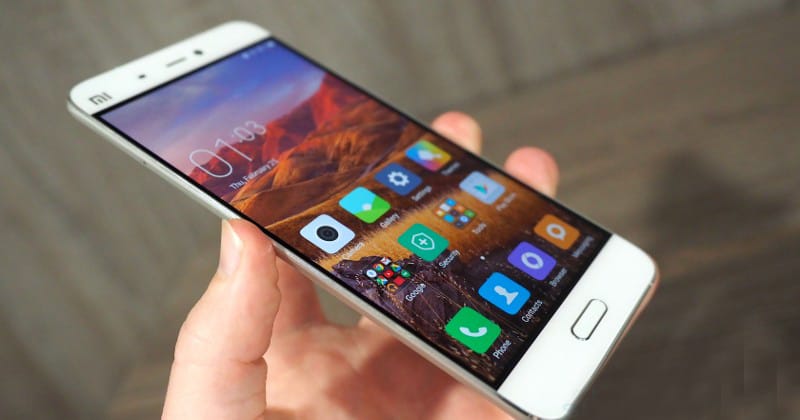
Xiaomi is famous for affordable high-spec smartphones aimed at mid-range users. However, it seems that the company is aiming to the high-end segment now. After launching Xiaomi Redmi Note 4 in August, the brand will bring users the next Xiaomi flagship – Xaiomi Mi 5s. The phone has been spotted on Antutu with 164,002 score, which is 2 times higher than Xiaomi Redmi Note 4 (with just 85,000 score).
Talking about Xiaomi Mi 5s specs, it will come with one of the most powerful processors: SnapDragon 820, accompanied by the latest Adreno 530 GPU. These internal assets will be assisted by 4GB of RAM. Along with it are two storage options: 128GB and 256GB. You will also find a 3490 mAH battery (quick charge 3.0 support) on the phone, together with the USB Type C and 3D touch on the front side. For photography, it sports a 16MP main camera with f/1.8, PDAF, OIS, and dual-LED flash, coupled with a 4MP selfie shooter.
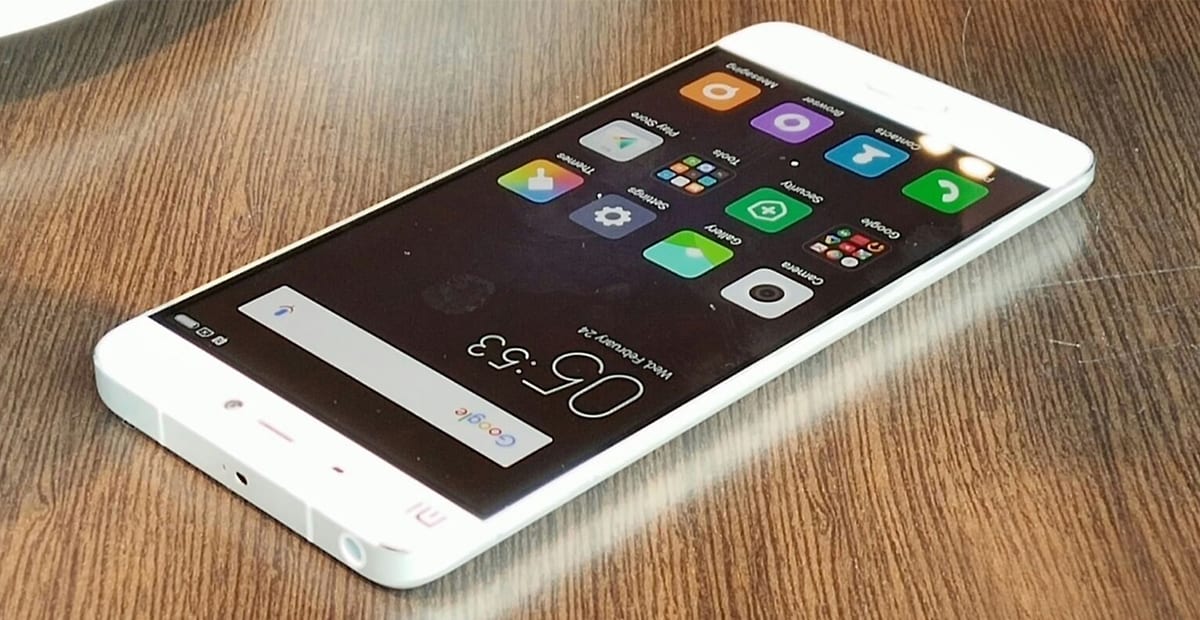
Besides, the phone could allegedly come with a higher version, with 6GB of RAM. This version is also said to be equipped with SnapDragon 821. With 6GB RAM and SnapDragon 821, this device will be the most powerful smartphone from Xiaomi.
Xiaomi Mi 5s price and release date
Xiaomi Mi 5s will come to the global market in late September. The company could announce this phone on the upcoming event (27th September). That means we can have a look at this phone really soon! Xiaomi Mi 5s price is expected to cost about $320 (RM. 1320). With this price, let’s see if the phone can beat other rivals in the market!
You May Like
-
Nokia Maze Xtreme 2026 Specs: 200MP Cameras, 12000mAh Battery!
-
Nokia XS Max 2026 Specs: 200MP Cameras, 10600mAh Battery!
-
Nokia P1 Lite 2026 Specs: 200MP Cameras, 11000mAh Battery!
-
Nokia Flash 2026 Specs: 16GB RAM, 200MP Cameras!
-
Sony Xperia Ultra Max Pro Specs: 200MP Cameras, 19100mAh Battery!
-
Nokia A2 Pro Specs: 18GB RAM, 12000mAh Battery!
-
Nokia Royale Max Ultra 2026 Specs: 24GB RAM, 18700mAh Battery!
-
Nokia Play 2 Max 2026 Specs: 24GB RAM, 12000mAh Battery!
-
مواصفات Sony Ericsson Satio 2026: ذاكرة RAM بسعة 16 جيجابايت، وكاميرات بدقة 250 ميجابكسل!
Tips to Reset Security Lock on Xiaomi Smartphones
The following are 2 ways to reset security lock on Xiaomi smartphones. All because accidents happen, and you need help in unlocking you phone again.

Internet connection needed to reset security lock on Xiaomi phones
There are cases when you can’t unlock your Xiaomi because of your own forgetfulness or your playful friends. We have two ways to reset the security lock on your Xiaomi. However, in order to apply them, you would need an Internet connection. In here Method 1 is used in case of an screen lock pattern, while Method 2 is used PIN password lock and screen lock patterns.
Method 1 is done through Google security question. Firstly, attempt to unlock your phone until a pop-over appears, where you can select “Forgot password”. Secondly, choose to answer the Google security question and select “Unlock”. After that, the screen will show “Yes”/”No” options. You can select “Yes” if you want to create a new lock, or select “No” if you don’t want to use a screen-lock.

Method 2 is done through your primary Google account (Gmail account). Firstly, you need to have 5 attempts to unlock your phone and then wait 30 seconds. After that, select “Forgot password”. Next, proceed to sign into your Gmail account. After that, create a new screen lock (pattern/ password) and click “Continue”. Lastly, input the new screen lock to confirm and click “Continue”.
You can always reset security lock on Xiaomi phones with a Google account
The above are the two methods that you can easily reset security lock on Xiaomi smartphones. Things that you need to do to unlock your phone are: a Google account (Gmail account) and an Internet connection. We hope this article helped you with re-accessing your Xiaomi again! Google accounts connect well Android devices in general. They are really useful when you have problems accessing your phone.
You May Like
-
Nokia Maze Xtreme 2026 Specs: 200MP Cameras, 12000mAh Battery!
-
Nokia XS Max 2026 Specs: 200MP Cameras, 10600mAh Battery!
-
Nokia P1 Lite 2026 Specs: 200MP Cameras, 11000mAh Battery!
-
Nokia Flash 2026 Specs: 16GB RAM, 200MP Cameras!
-
Sony Xperia Ultra Max Pro Specs: 200MP Cameras, 19100mAh Battery!
-
Nokia A2 Pro Specs: 18GB RAM, 12000mAh Battery!
-
Nokia Royale Max Ultra 2026 Specs: 24GB RAM, 18700mAh Battery!
-
Nokia Play 2 Max 2026 Specs: 24GB RAM, 12000mAh Battery!
-
مواصفات Sony Ericsson Satio 2026: ذاكرة RAM بسعة 16 جيجابايت، وكاميرات بدقة 250 ميجابكسل!
First smartphones without the headphone jack: 5.7-inch, 6GB RAM
Here is the list of the first smartphones without the headphone jack. Surprisingly, besides Apple (with iPhone 7 & 7 Plus), LeEco and Motorola brands also appears on our list.
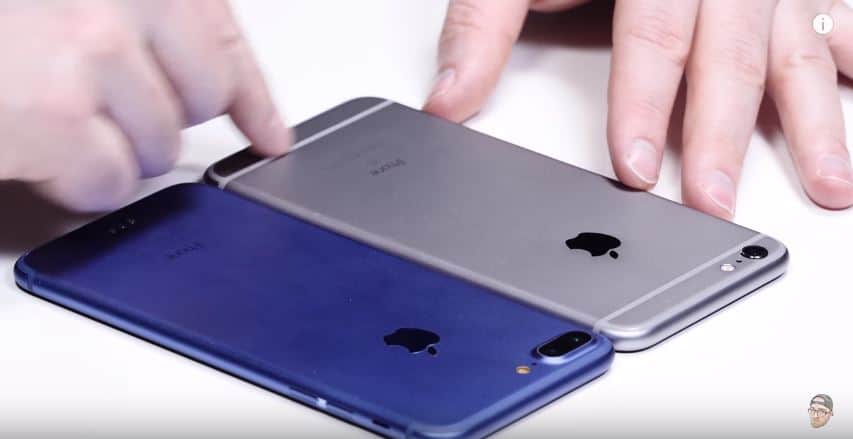
1. First smartphones without the headphone jack: Apple iPhone 7
Apple iPhone 7 was launch in early September. In the iPhone 7 launch, Apple introduced to users some innovative features. Among those, the iPhone 7 won’t have the 3.5 mm headphone jack. It is also the first smartphone in the world coming with no headphone jack. Alongside, the company will launch a wireless earphone (call Apple AirPods). So, the iPhone 7 will bring the new experience in listening music, through the AirPods.
Besides, the iPhone 7 comes with a 12MP camera, with f/1.8, phase detection autofocus, OIS, and quad-LED flash. Along with it is a 7MP camera for selfies. Besides, other iPhone 7 specs are a 4.7-inch HD display, 1960 mAH battery, and 2GB RAM. Under the hood, it is powered by a quad-core A10 chipset, along with iOS 10. It is available in three storage options, including 32GB, 128GB, and 256GB. iPhone 7 price also comes in three: $649 (32GB), $749 (128GB), and $849 (256GB).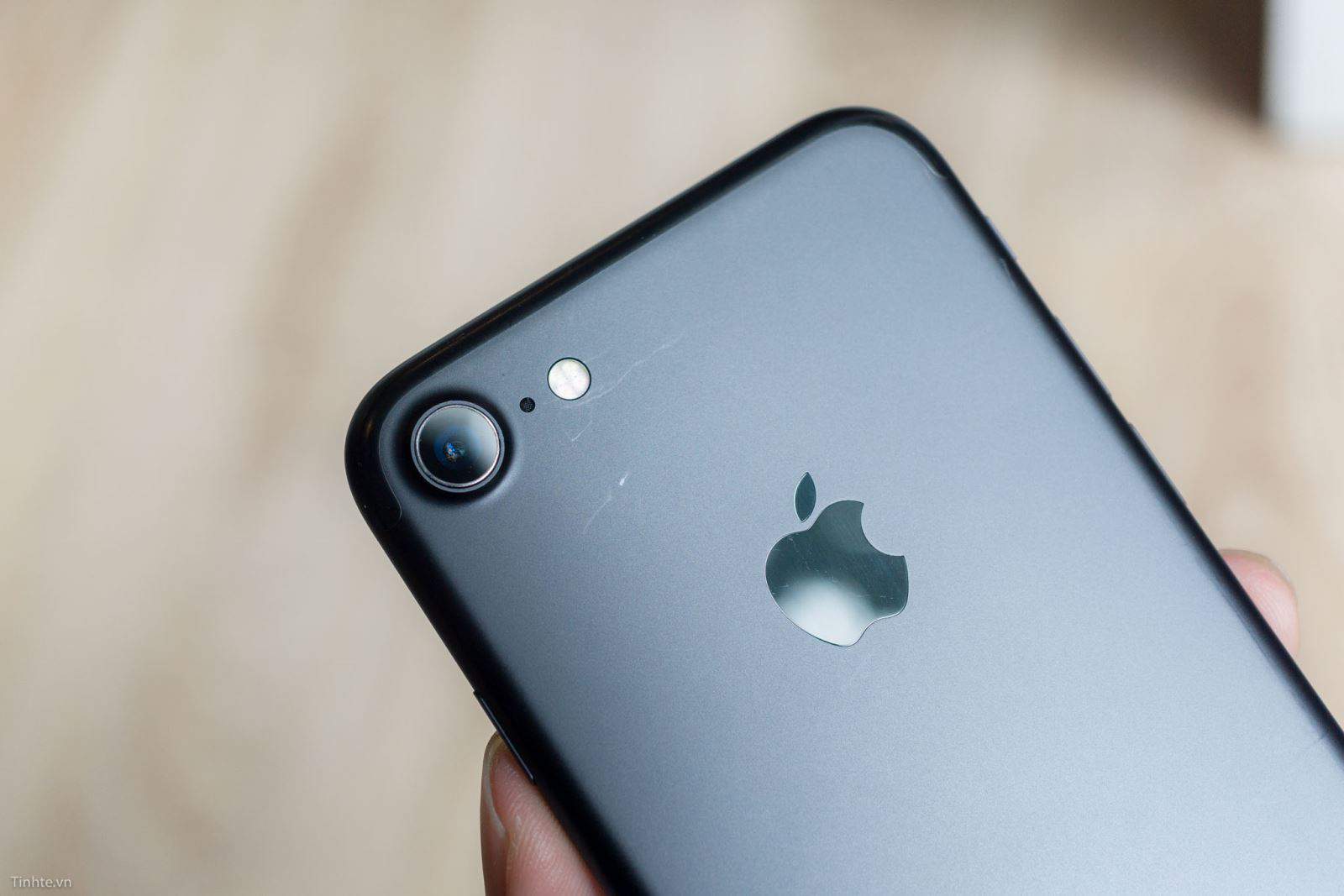
2. Apple iPhone 7 Plus
Besides iPhone 7, Apple iPhone 7 Plus also comes with no headphone jack. Like its name, the iPhone 7 Plus comes with many “Plus” specs. One of those is the camera. iPhone 7 Plus owns a dual 12MP camera, with 2x optical zoom and 10x digital zoom. Besides, it has a bigger battery of 2900 mAh, a bigger screen of 5.5-inch, and a bigger 3GB RAM. Additionally, the physical Home button will be replaced by the sensitive Home button. Other iPhone 7 Plus specs are the same with its sibling, with iOS 10 and Apple A10 chipset under the hood. The iPhone 7 Plus price is different for three versions: $769 (for 32GB), $869 (128GB), and $969 (256GB).

3. LeEco Le Pro 3
First smartphones without the headphone jack: The next one is LeEco Le Pro 3. As LeEco’s plan, this phone will be launched in this month, with many appealing specs. It will be running on a quad-core Qualcomm Snapdragon 821, coupled with Adreno 530 GPU. The phone will come in many variants: 4GB RAM+32GB ROM, 4GB RAM+64GB ROM, 6GB RAM+64GB ROM, 6GB RAM+128GB ROM. Other LeEco Le Pro 3 specs are a 4070 mAH, a 5.5-inch full HD display, and a combo of 16MP rear camera + 8MP selfie shooter. As for LeEco Le Pro 3 price, it costs $276 for 4GB RAM version and $298 for 6GB RAM version.

4. Motorola Moto Z
Moto Z is a new phone from Motorola, which was launched in June 2016. The phone comes with appealing specs, including 5.5-inch 2K screen, 4GB RAM, and 32/64GB ROM. Under the hood, it is powered by a Quad-core Qualcomm Snapdragon 820, together with Adreno 530 CPU. For photography, it sports 13MP rear camera with f/1.8, laser autofocus, OIS,and dual-LED flash. There is also 5MP selfie shooter on the front. Besides, you will find a 2600 mAH battery on this device. It is also one of the first smartphones without the headphone jack. Motorola price is $506 for the 32GB ROM version and $596 for the 64GB version.
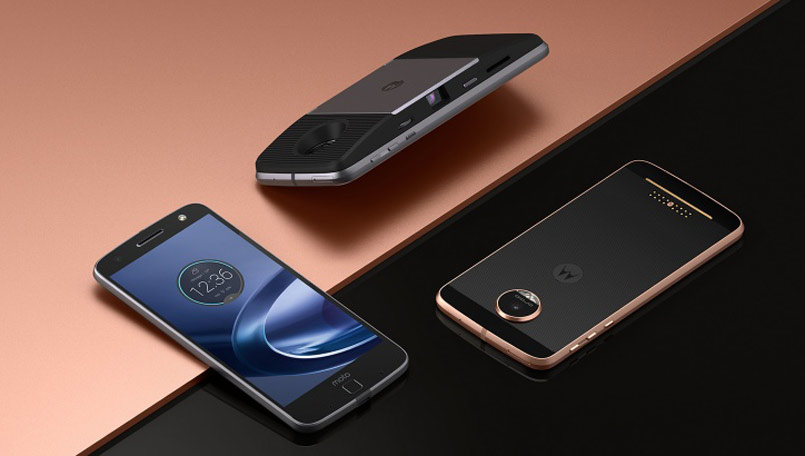
5. LeEco Le Max 2
Last but not least, we have LeEco Le Max 2 in this list of the first smartphones without the headphone jack. The phone comes with a 5.7-inch 2K display, along with 3100 mAH battery. It is running on Quad-core Qualcomm SnapDragon 820 under the hood, coupled with Android 6.0. There are many versions to pick: 4 GB RAM plus 32/64 GB ROM or 6GB RAM plus 64/128 GB ROM. One of the highlighted LeEco Le Max 2 specs is the camera. The phone sports a 21MP main camera with f/2.0, OIS, phase detection autofocus, and dual-LED flash. Along with it is an 8MP selfie shooter. LeEco Le Max 2 price is around $298 for 4GB RAM version and $387 for 6GB RAM version.
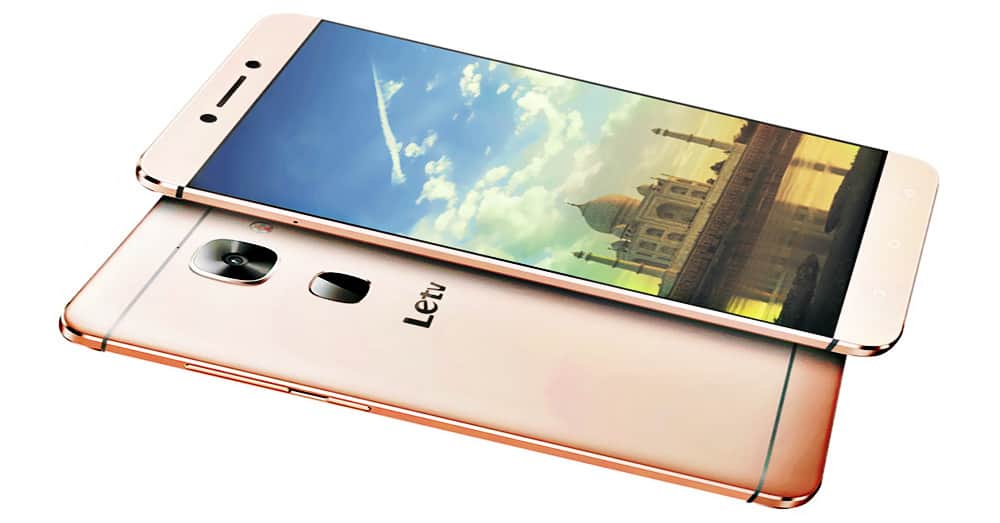
First smartphones without the headphone jack: 5.5-inch, 3GB RAM
It seems that smartphone manufacturers are intending to get rid of the 3.5mm headphone jack. Apple, LeEco, and Motorola are the three first representatives. Do you think the future smartphones won’t have the 3.5 mm headphone jack? Tell us your opinion!
You May Like
-
Nokia Maze Xtreme 2026 Specs: 200MP Cameras, 12000mAh Battery!
-
Nokia XS Max 2026 Specs: 200MP Cameras, 10600mAh Battery!
-
Nokia P1 Lite 2026 Specs: 200MP Cameras, 11000mAh Battery!
-
Nokia Flash 2026 Specs: 16GB RAM, 200MP Cameras!
-
Sony Xperia Ultra Max Pro Specs: 200MP Cameras, 19100mAh Battery!
-
Nokia A2 Pro Specs: 18GB RAM, 12000mAh Battery!
-
Nokia Royale Max Ultra 2026 Specs: 24GB RAM, 18700mAh Battery!
-
Nokia Play 2 Max 2026 Specs: 24GB RAM, 12000mAh Battery!
-
مواصفات Sony Ericsson Satio 2026: ذاكرة RAM بسعة 16 جيجابايت، وكاميرات بدقة 250 ميجابكسل!
9 exclusive iOS apps that Android users dream about
It is a fact that many Android lovers sometimes want to have an iOS device. The reason is that Apple always has a good amount of quality iPhone-only apps. Here, we have generated a list of 9 exclusive iOS apps that are most appealing to Android users.
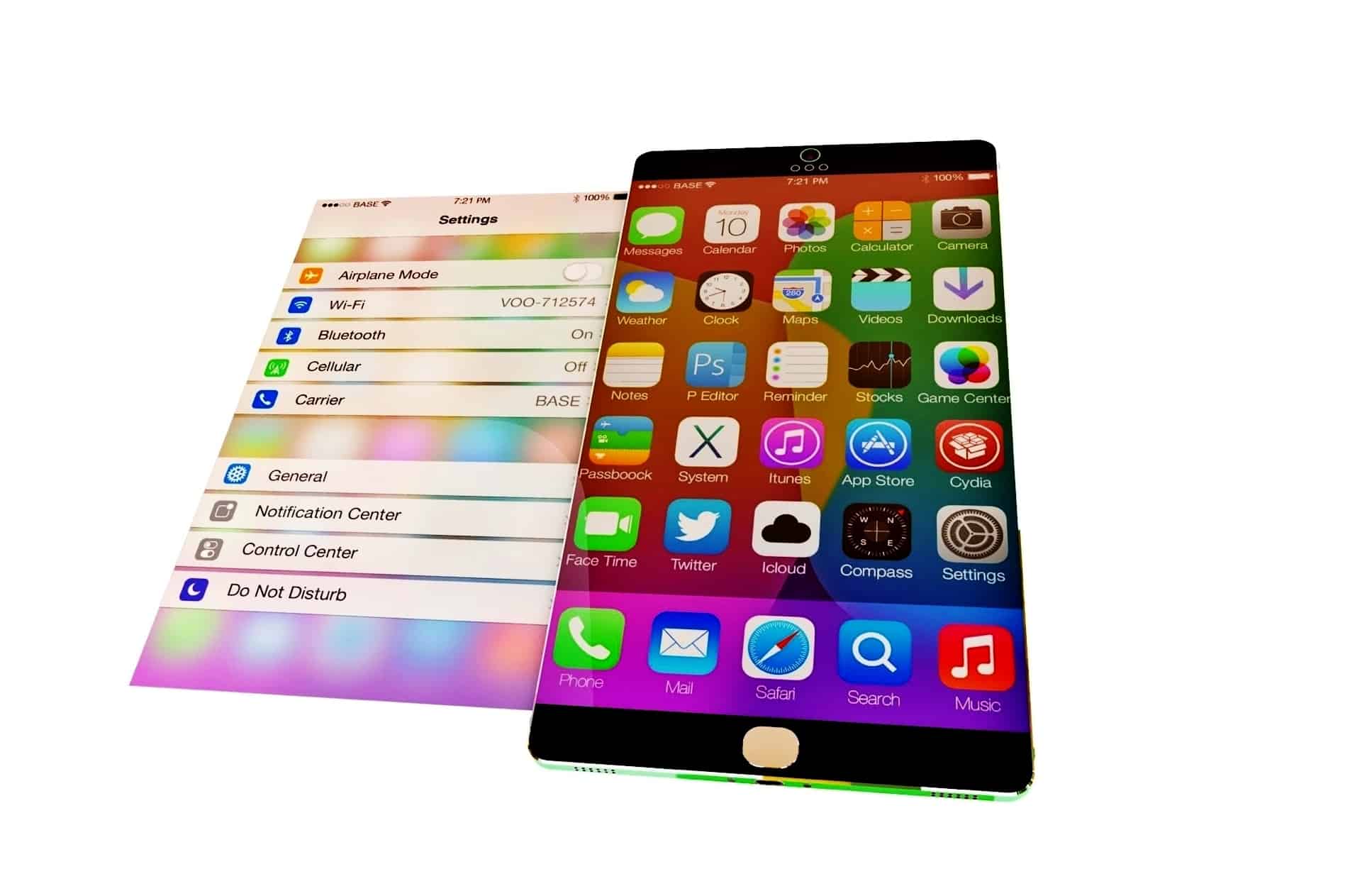
1. Adobe Photoshop Fix: greatest among iOS apps for photo editing
Everyone knows that the secret of beautiful photos doesn’t just lie in a good camera. A good editing program is also very important. From all editing tools for phones, Adobe Photo Fix is reported to be the best so far. It’s suitable for both amateurs and professionals. What’s amazing about this app is that your outcomes always look like your photos have been fixed by a professional editor.
If you are just a beginner, you can play around with some re-touching tools such as lighten, darken, heal, patch, smooth and liquefy. Even after some time and experience, you will still be amazed by its efficiency. One notable difference of this app is that your photos will never ever be reduced (even if they are larger than 2000px x 2000px). With Adobe Creative Cloud, you can save and open your images anytime and anywhere. This app can be downloaded for free.

You May Like
-
Nokia Maze Xtreme 2026 Specs: 200MP Cameras, 12000mAh Battery!
-
Nokia XS Max 2026 Specs: 200MP Cameras, 10600mAh Battery!
-
Nokia P1 Lite 2026 Specs: 200MP Cameras, 11000mAh Battery!
-
Nokia Flash 2026 Specs: 16GB RAM, 200MP Cameras!
-
Sony Xperia Ultra Max Pro Specs: 200MP Cameras, 19100mAh Battery!
-
Nokia A2 Pro Specs: 18GB RAM, 12000mAh Battery!
-
Nokia Royale Max Ultra 2026 Specs: 24GB RAM, 18700mAh Battery!
-
Nokia Play 2 Max 2026 Specs: 24GB RAM, 12000mAh Battery!
-
مواصفات Sony Ericsson Satio 2026: ذاكرة RAM بسعة 16 جيجابايت، وكاميرات بدقة 250 ميجابكسل!


