Author: chris eilers
Xiaomi MI4 Specs Leaked: 4GB of RAM, Android L and 2.6 Ghz Octa Core CPU
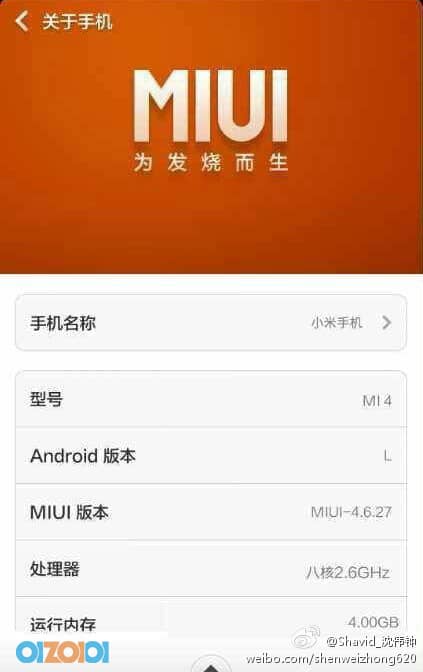
Could this be the specs of the new Xiaomi MI4? Sometimes if things are too good to be true, then they are. We should take this new Xiaomi MI4 Screenshot definitely with some skepsis. This would be an massive improvement to the Xiaomi MI3.
The new Xiaomi MI4 will launch on 22 July. At least that is what we think after the announcement by Xiaomi Facebook yesterday. The big metal brushed Number 4 clearly means Xiaomi Mi4 and likely 4G LTE.
But could the Leak also mean 4GB of RAM ?
Our unknown source says the screenshot shows the new Xiaomi Mi4 Specs. Definitely the MIUI Screen gives very important information about the new Xiaomi Phone. It says clearly that we see the new Xiaomi Mi4. The OS Version is Android OS. The Processor of the Xiaomi Mi4 will be an OctaCore clocked at 2.6 Ghz and there are an impressive 4GB of RAM on the Xiaomi phone.
Apparently Xiaomi sells very high specs for the amazing prices on their phones. 4GB of Ram, Android L and Octa Core processor seems a bit too good to be true though.
We will know definitely on 22.July. Lets hope that Xiaomi Malaysia quickly launches the new Xiaomi Mi4 Phone also. We will for sure see the Xiaomi Redmi Note on 22.July.
What do you think? Could this leak of the new Xiaomi Mi4 Specs be true? Or do you think it is too good to be true?
You May Like
-
 Nokia Maze Xtreme 2026 Specs: 200MP Cameras, 12000mAh Battery!
-
Nokia XS Max 2026 Specs: 200MP Cameras, 10600mAh Battery!
-
 Nokia P1 Lite 2026 Specs: 200MP Cameras, 11000mAh Battery!
-
Nokia Flash 2026 Specs: 16GB RAM, 200MP Cameras!
-
Sony Xperia Ultra Max Pro Specs: 200MP Cameras, 19100mAh Battery!
-
Nokia A2 Pro Specs: 18GB RAM, 12000mAh Battery!
-
Nokia Royale Max Ultra 2026 Specs: 24GB RAM, 18700mAh Battery!
-
 Nokia Play 2 Max 2026 Specs: 24GB RAM, 12000mAh Battery!
-
مواصفات Sony Ericsson Satio 2026: ذاكرة RAM بسعة 16 جيجابايت، وكاميرات بدقة 250 ميجابكسل!
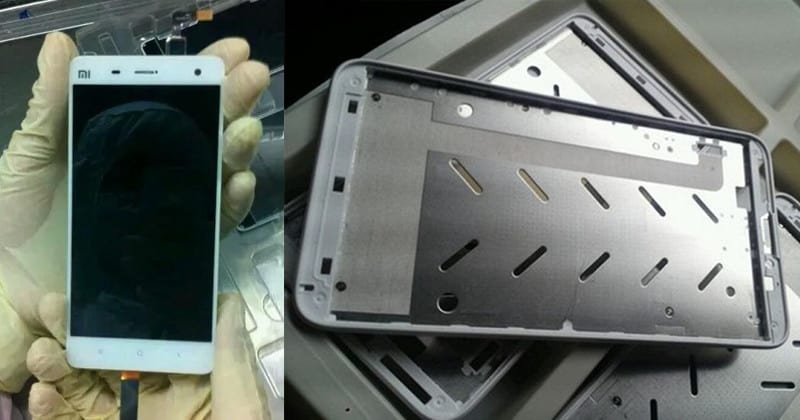
Xiaomi Mi4 with full metal body will launch on 22 July
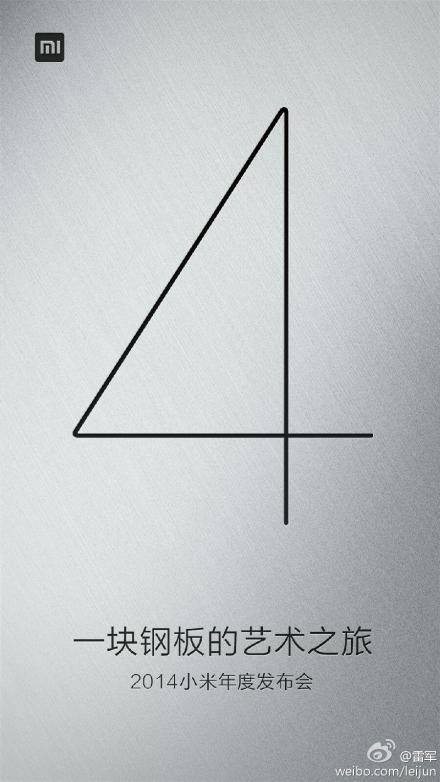
Confirmations for new products dont get closer then this. Xiaomi Co-Founder Bin Lin just shared an image, hinting at the XIAOMI MI4 phone Launch on 22.June 2014. The Xiaomi Mi4 will be the successor of the extremely popular Xiaomi MI3 mobile.
The Teaser Picture, posted today on all Xiaomi Malaysia Facebook Account shows a big Number 4 on a metal brushed background. The Metal Background could relate to the full metal body for Xiaomi M4 which has been a rumour for a long time.
On the other hand the big 4 could also mean, 4G LTE and the launch of the Xiaomi MI3S. We think most likely its going to be the MI4 though. The Message ““The journey of a piece of steel metal” definitely hints that the MI4 will consist of a single piece of metal, similar to the HTC ONE Series.
Xiaomi Mi4 Specs
Most Sources guess that the Mi4 will come with a 5inch display with minimum of Full HD 1080p resolution. For a yet unnamed Processor we would love to see the newest Qualcomm Snapdragon 805 or Nvidias Tegra K1, used in the MiPad. The sources also mention 3GB RAM, 13MP Camera and 4G LTE capability. And like mentioned above full metal body.
Most likely the Xiaomi Mi4 will be launched in China, Bejing first on the 22.June 2014. Then it will come to the rest of the world. Hopefull we will not have to wait to long for the Xiaomi Mi4 launch in Malaysia.
At the same time on 22.07.2014 the Xiaomi Redmi Note launches in Malaysia. As well Xiaomi will sell the Xiaomi Mi3 again. A question remains how all the buyers will feel that just bought the Xiaomi MI3 before in Malaysia ? What do you think about this launch?
You May Like
-
Nokia Maze Xtreme 2026 Specs: 200MP Cameras, 12000mAh Battery!
-
Nokia XS Max 2026 Specs: 200MP Cameras, 10600mAh Battery!
-
Nokia P1 Lite 2026 Specs: 200MP Cameras, 11000mAh Battery!
-
Nokia Flash 2026 Specs: 16GB RAM, 200MP Cameras!
-
Sony Xperia Ultra Max Pro Specs: 200MP Cameras, 19100mAh Battery!
-
Nokia A2 Pro Specs: 18GB RAM, 12000mAh Battery!
-
Nokia Royale Max Ultra 2026 Specs: 24GB RAM, 18700mAh Battery!
-
Nokia Play 2 Max 2026 Specs: 24GB RAM, 12000mAh Battery!
-
مواصفات Sony Ericsson Satio 2026: ذاكرة RAM بسعة 16 جيجابايت، وكاميرات بدقة 250 ميجابكسل!
Huawei Honor 3C Review – QuadCore Processor, 2GB RAM, 5inch screen and 8MP Cam for RM499 !?
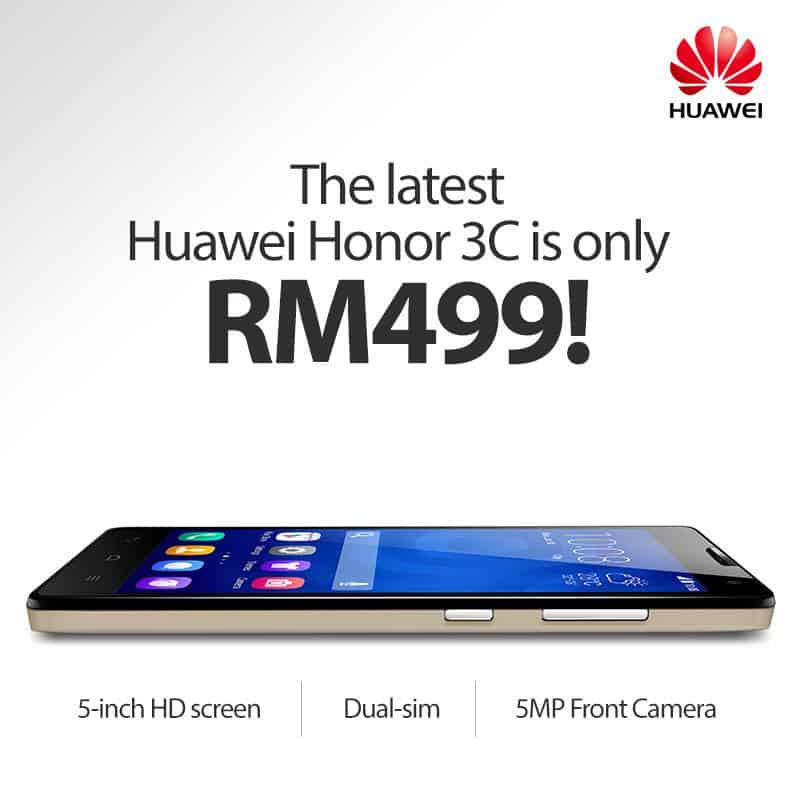
Huawei Honor 3C Review
The Huawei Honor 3C was introduced to Malaysia just 2 month ago. With an official selling price of RM499 it has been very hot on the Malaysian Market. The Huawei Honor 3C is so high in demand, because it is not only cheap but offers remarkable hardware and specs for that price.
We have been able to create an Huawei Honor 3C Review for 2 weeks and write about how it felt in that time. Especially before the Xiaomi Redmi 1S launches, it is worth to have a look at the Honor 3C to see which one is stronger.
Lets start with the Specs:
Huawei Honor 3C Specs
- Official Price in Malaysia RM499
- Display: 5″ display panel with HD resolution of 1280×720 (294 ppi)
- MediaTek MTK6582 Cortex A7 quad core 1.3GHz processor
- 2 GB RAM
- Primary camera: Sony 8MP BSI Sensor with f/2.0 aperture and 28mm wide-angle lens
- Secondary camera: 5MP sensor with a wide-angle 22mm lens
- 8 GB flash
- 2 x micro SIM (1 x 3G WCDMA, 1 x GSM)
- Android 4.2 with Huawei’s Emotion UI – Can be updated to Android Kit Kat
- 2,300 mAh battery
- Dimensions: 139 x 70 x 9 (6 from the edges) mm
- Weight: 138 g (with battery)
Huawei Honor 3C Unboxing
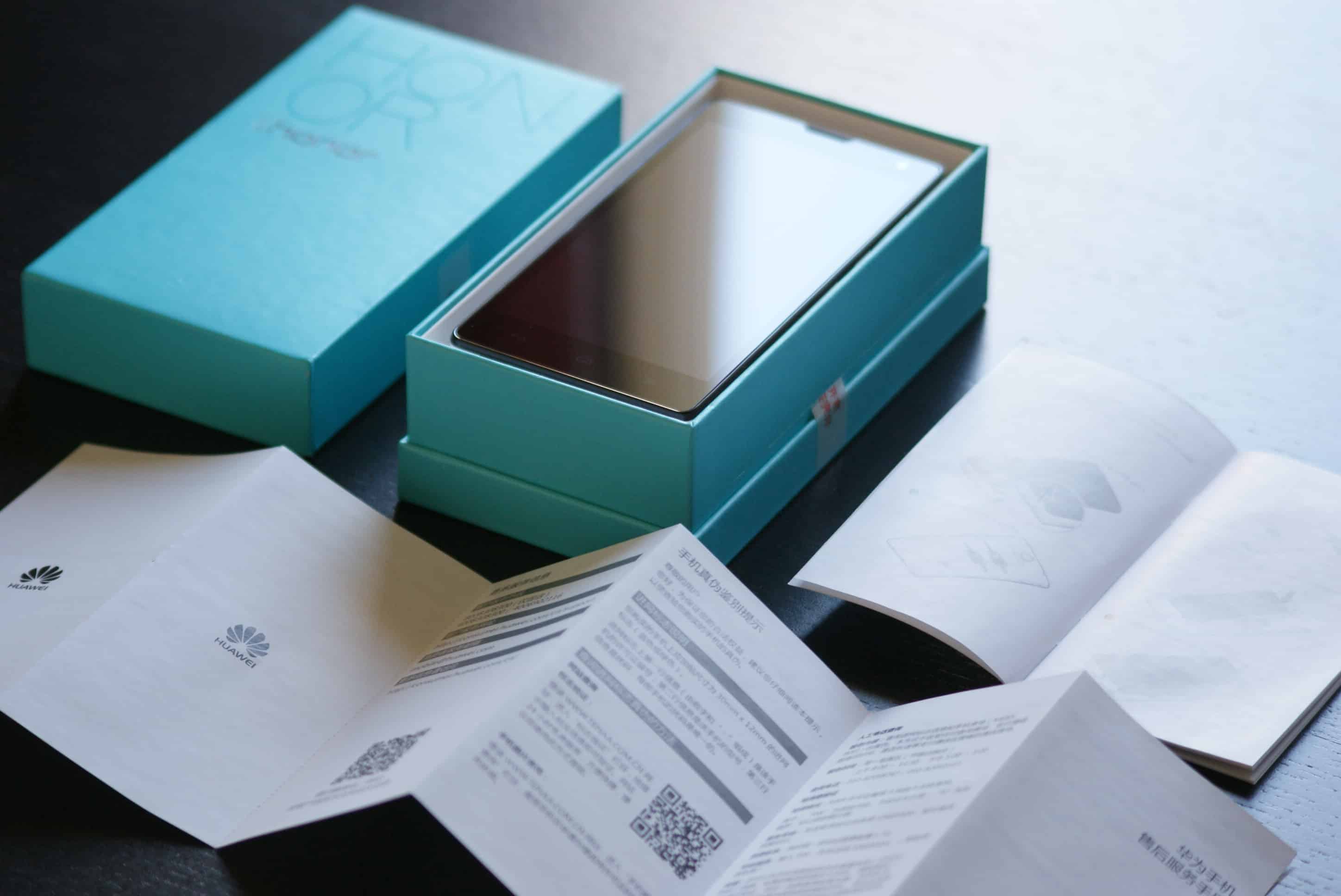
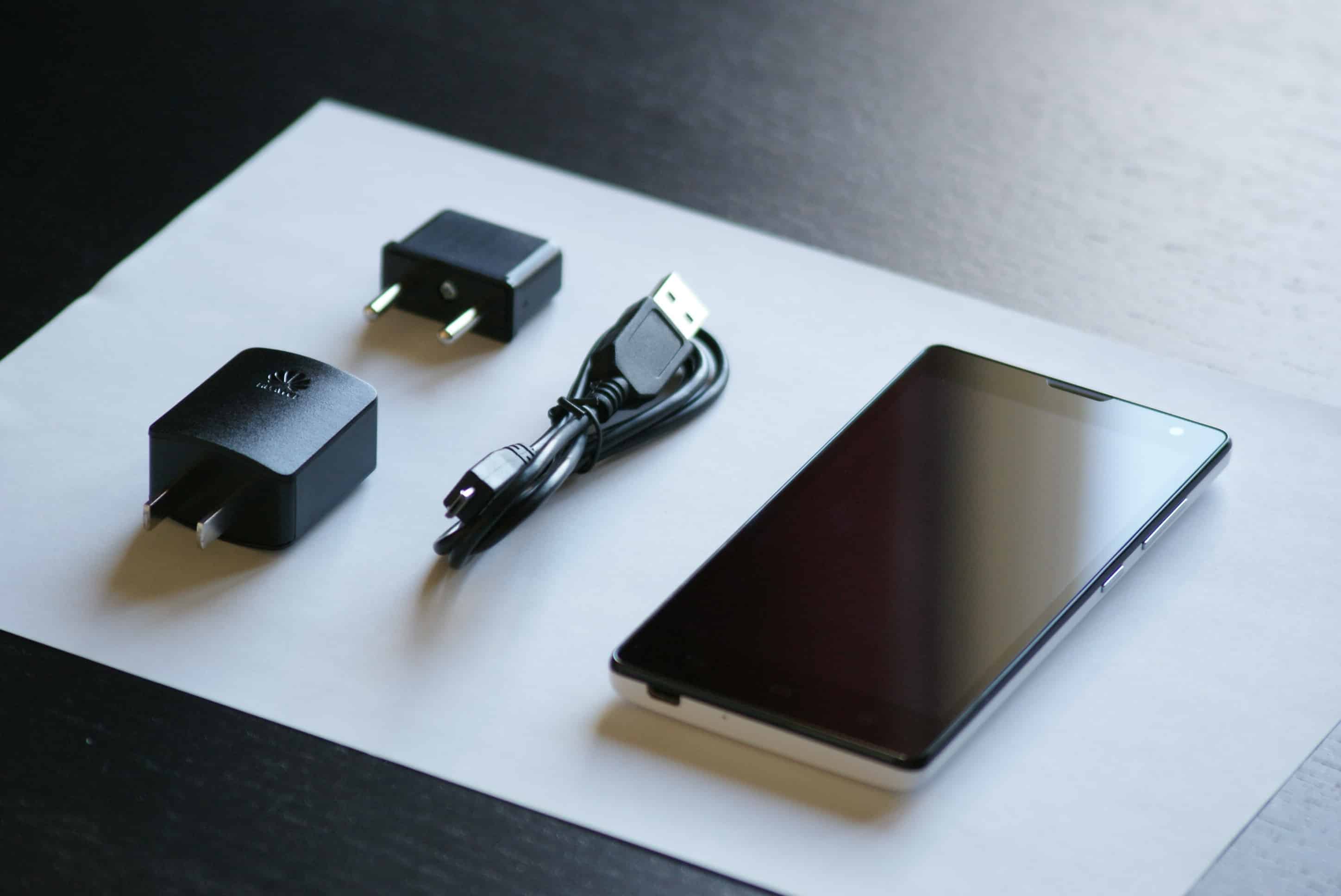
Our Huawei Honor 3C came in a stylish tourqois box. The Box has a nice design and is very compact. As with other chinese manufacturers the Huawei accessoires are simple. In the box next to Honor 3C there are the charger and a quick manual.
Huawei Honor 3C Design
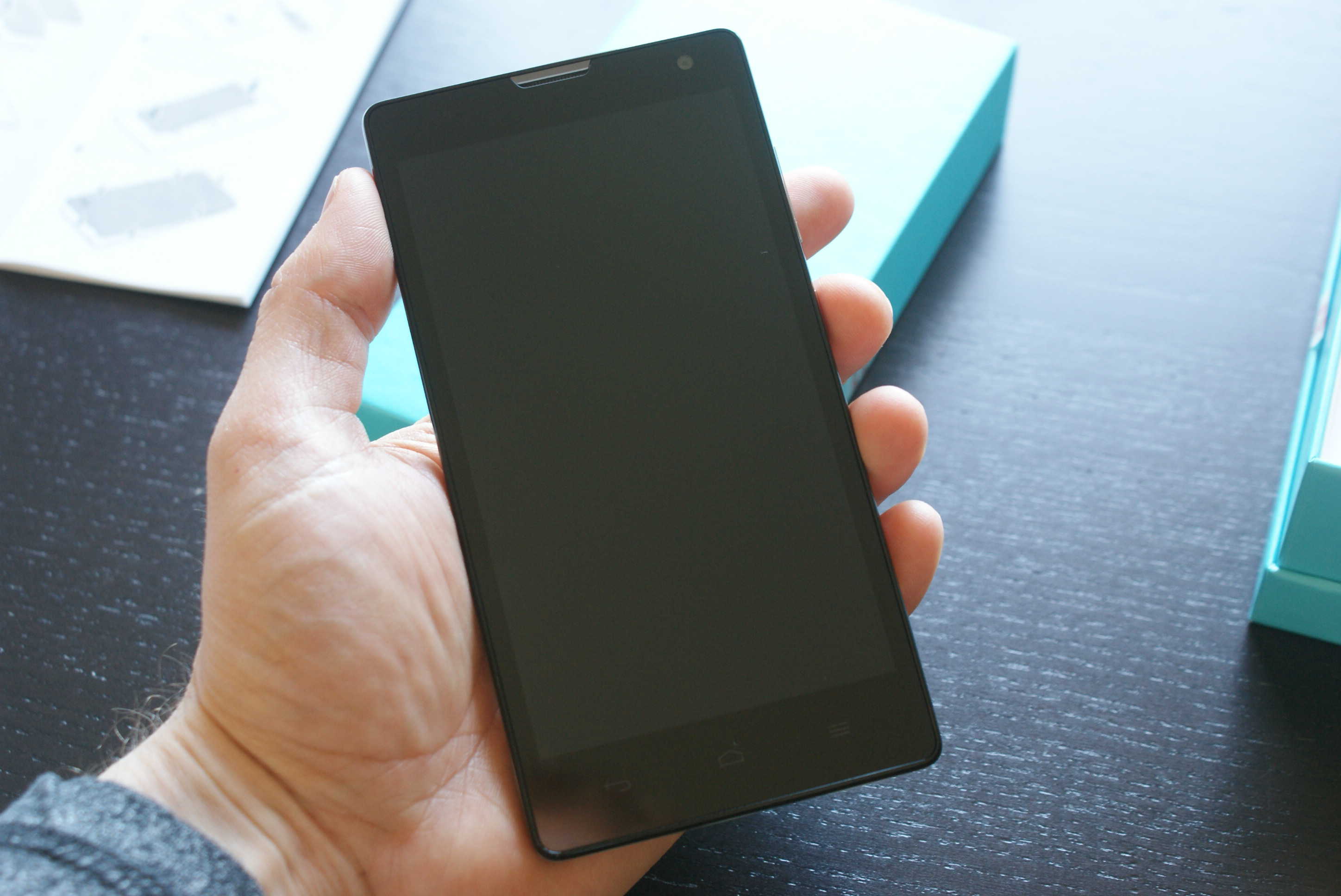
The dimesions of the Huawei smartphone are 139 x 70 x 9 mm. The backside of the 3c is slightly curved to the edges and very thin with only 6mm on both sides. The overall weight of the device is just 138g, including the battery. It seems that Huawei ensured a very well balanced phone. Through good weight distribution the Honor 3C feels very light. On top of that the 3C is very thin, so overall it has a classy feeling to it.
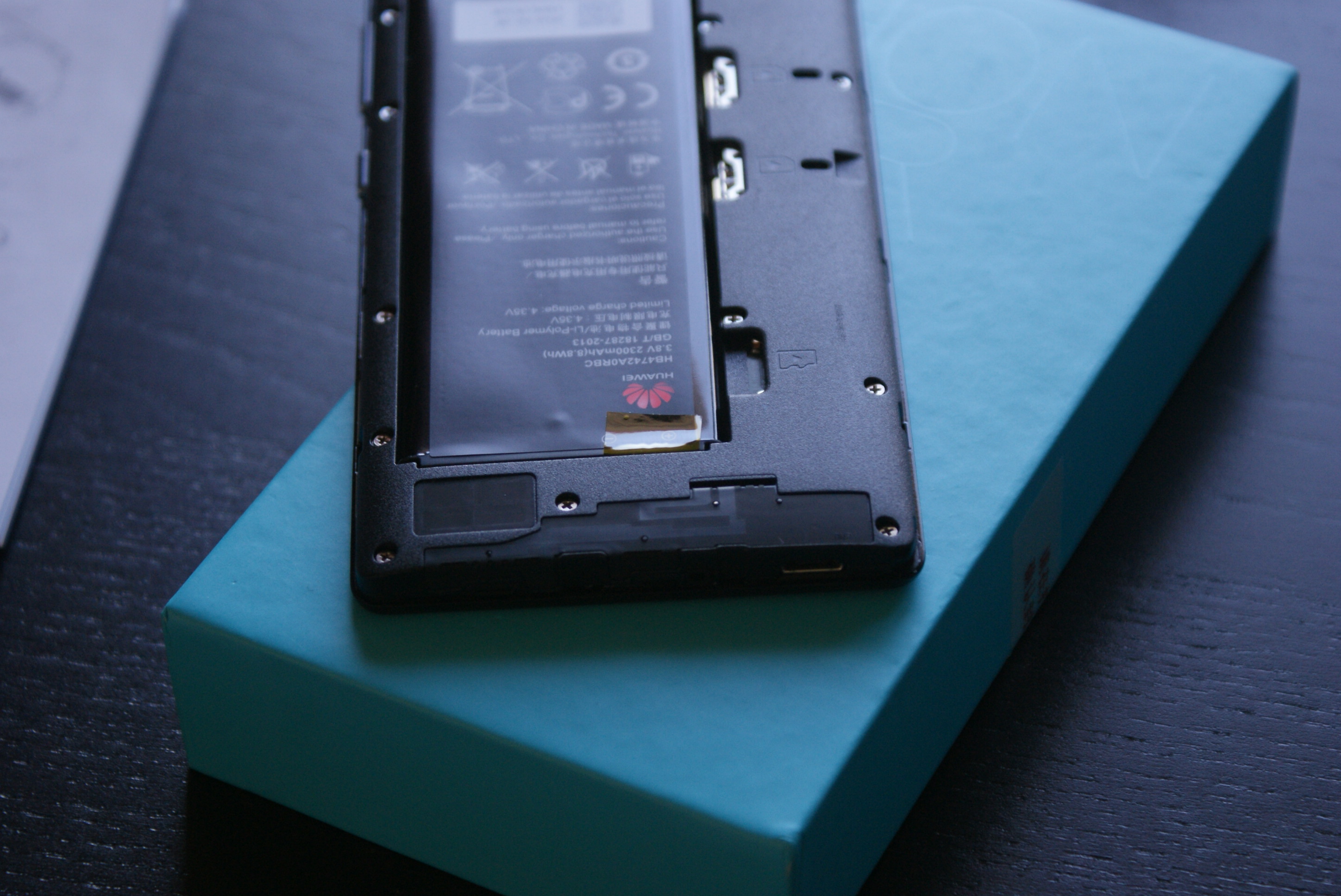
The Honor Battery is very small and light weight. The capacity is still at 2300 mAh which should be more then enough for a full day of usage.
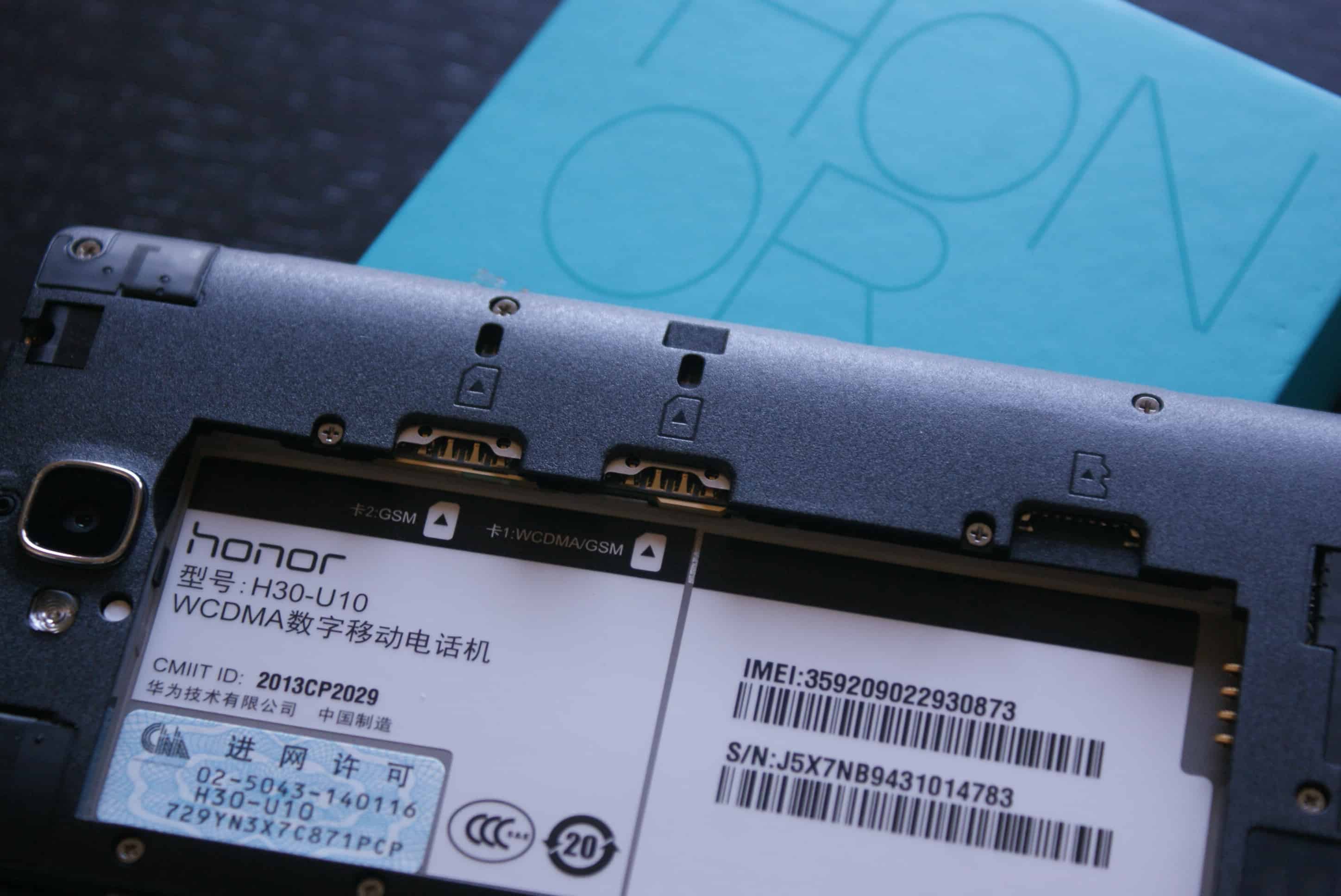
The Honor 3C comes also with Dual Sim and Micro SD support. The dual micro sim and micro sd slots are placed at an right angle to the battery
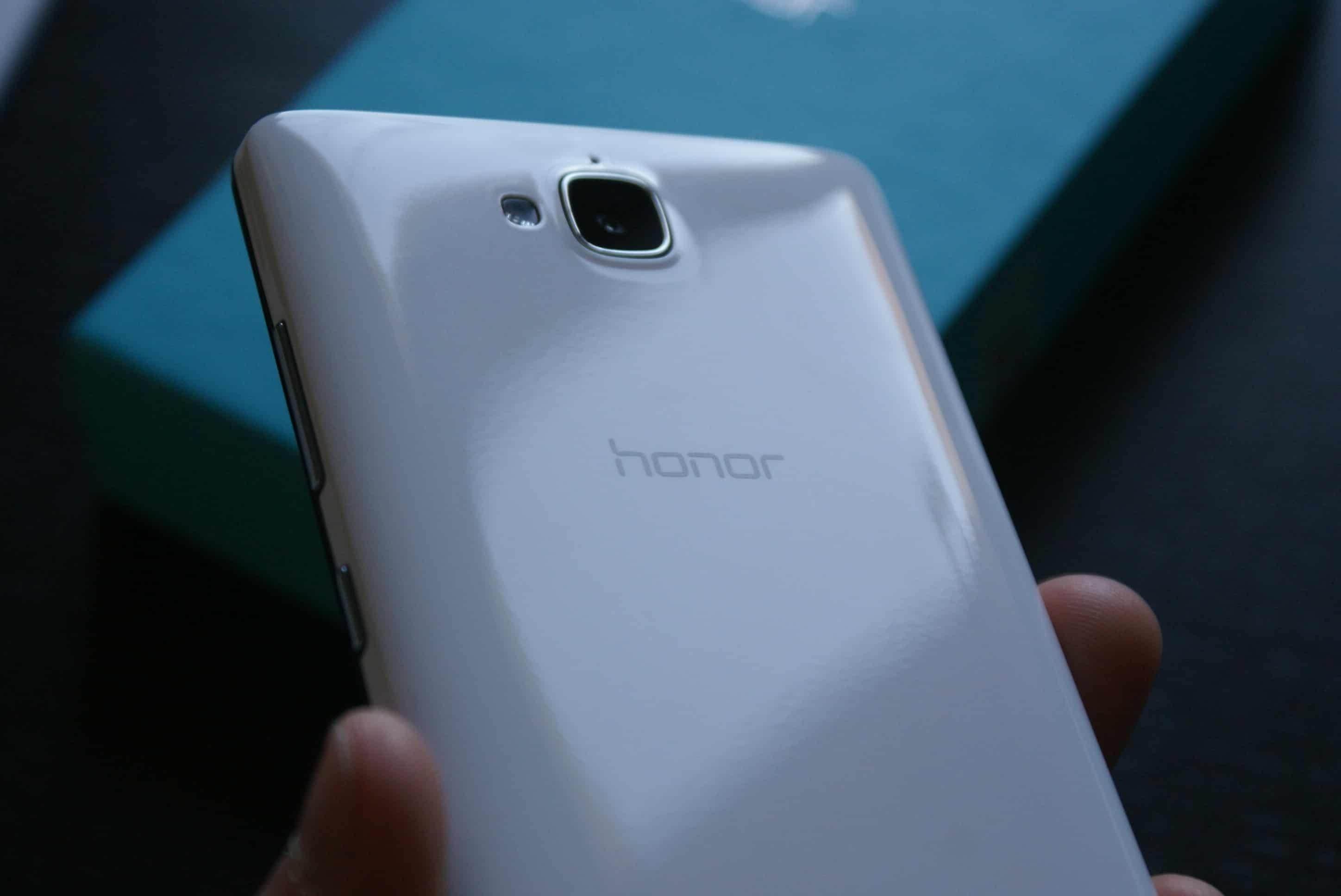
One interesting fact is, that there is no Huawei Logo on the Smartphone itself. The Phone is branded just with “Honor” on the back side. It seems that similiar to Lenovo Malaysia with their “Vibe” Brand, that Huawei Malaysia wants to create a Sub Brand with the Honor Line. We can find the Huawei Logo only on the charger. On the back cover you find one speaker at the bottom. Camera and LED are on top center.
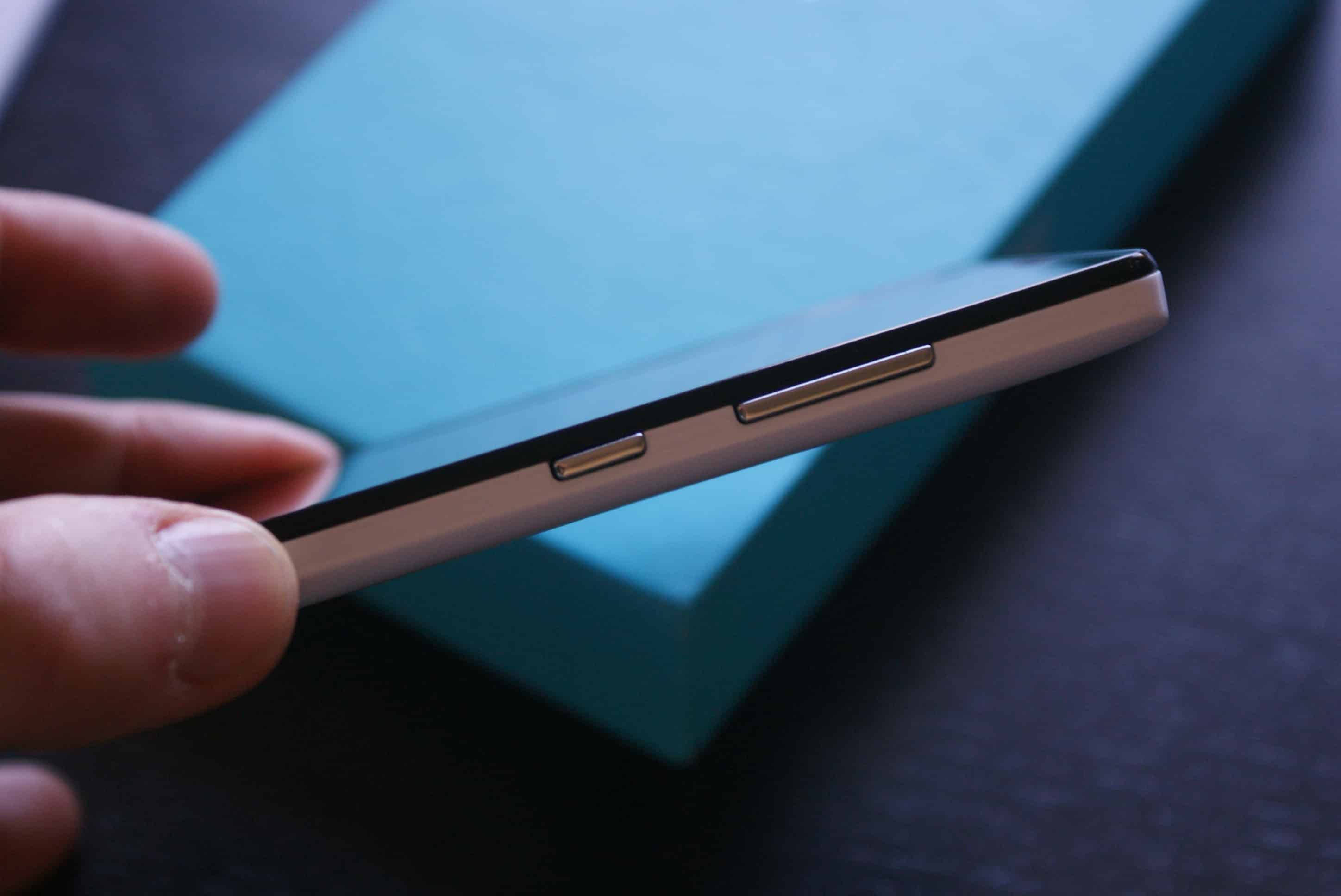
All the buttons and volume rocket are placed on the right site of the Honor 3C. On the left side there are no buttons.
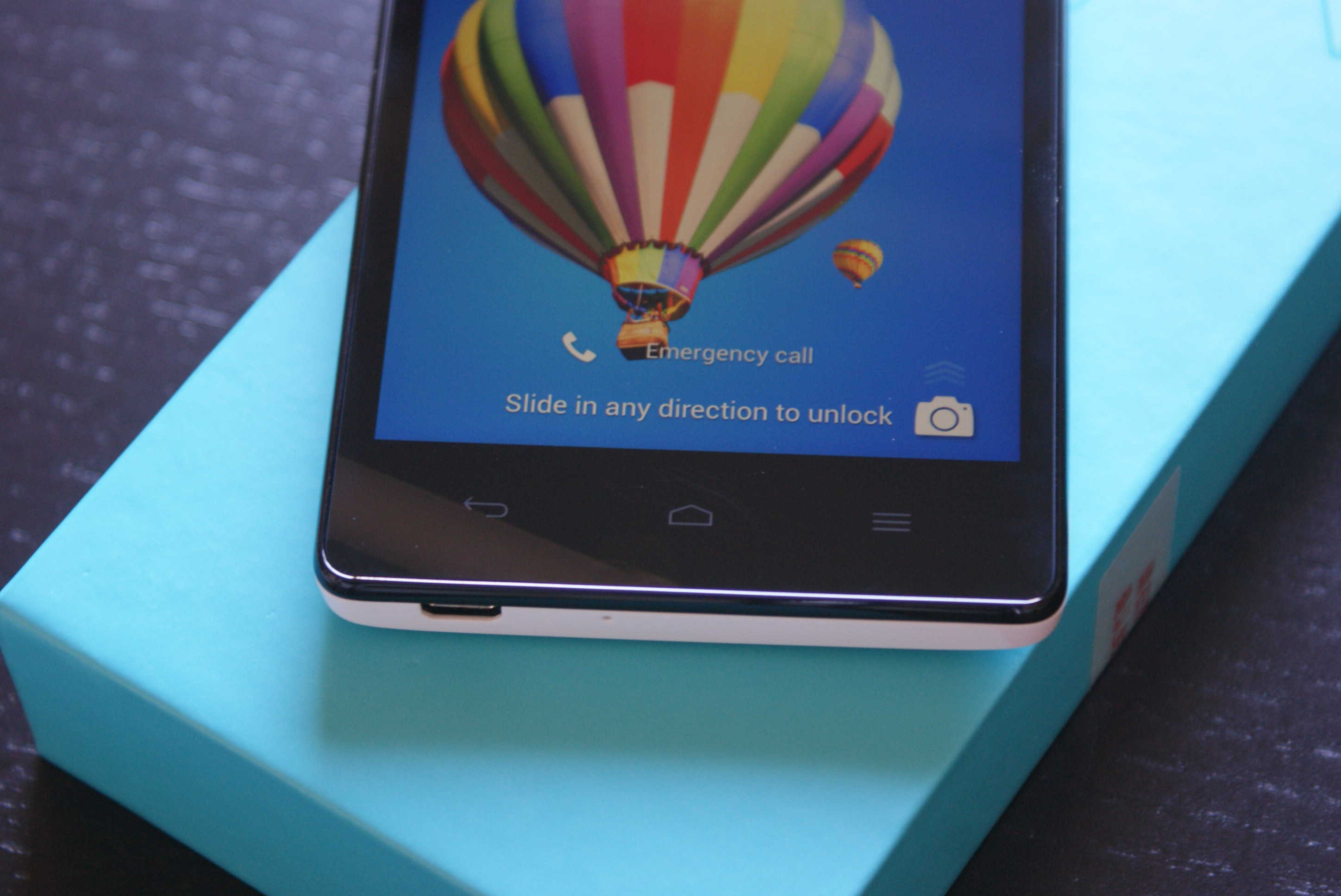
The bottom of this Huawei Smartphone has the familiar Android Layout. Three Normal Android buttons, back, home and context. They are placed from left to right, so the order is a bit different then we were used to from other Android Smartphones. The touch buttons are not lit, which would have been a nice gimmick from Huawei.
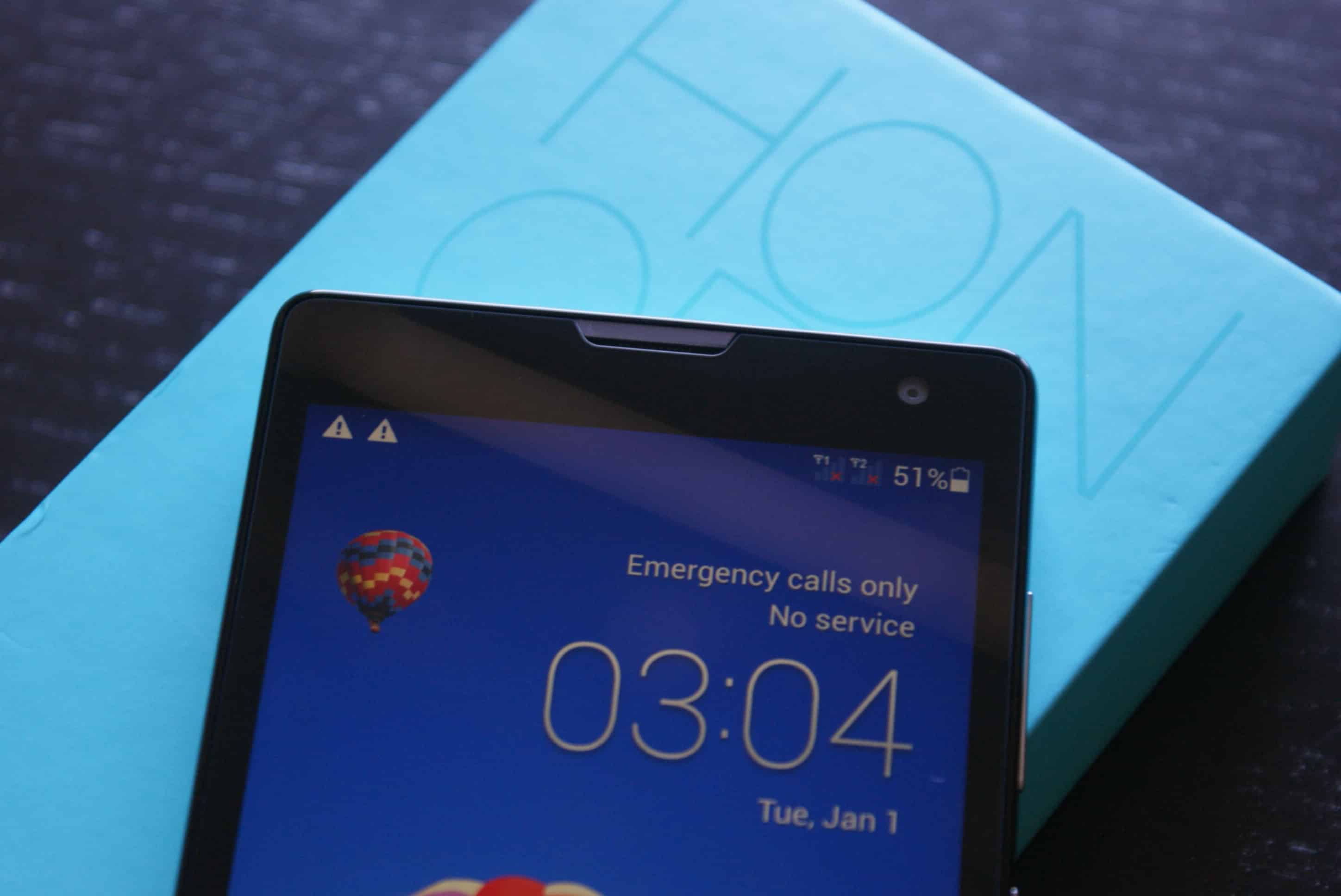
The Top of the device has secondary camera, call speakers and a proximity sensor.
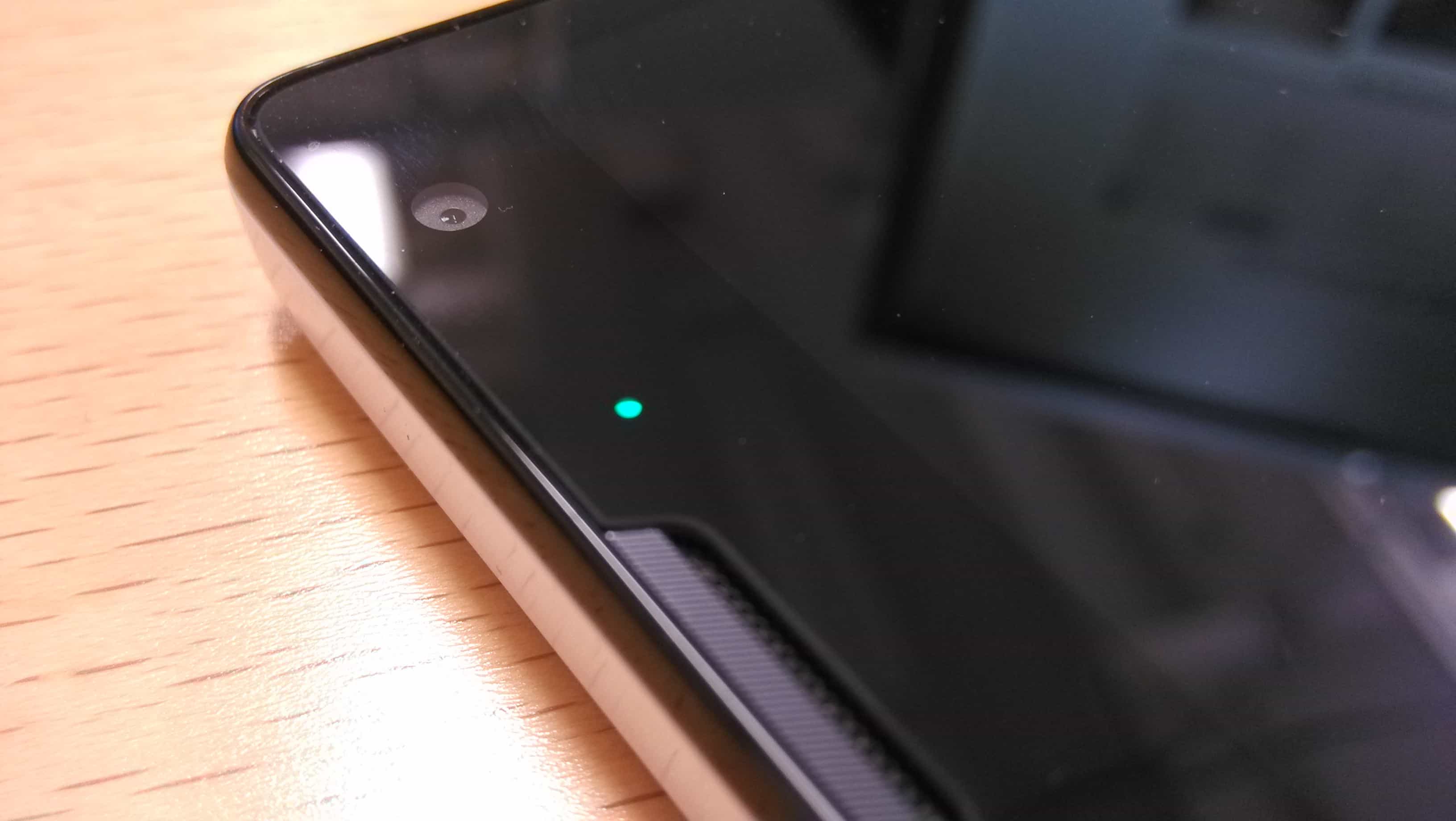
The Huawei Honor 3C has also a notification LED in multiple colors. This LED is right next to the call speaker and notifies for incoming calls and messages.
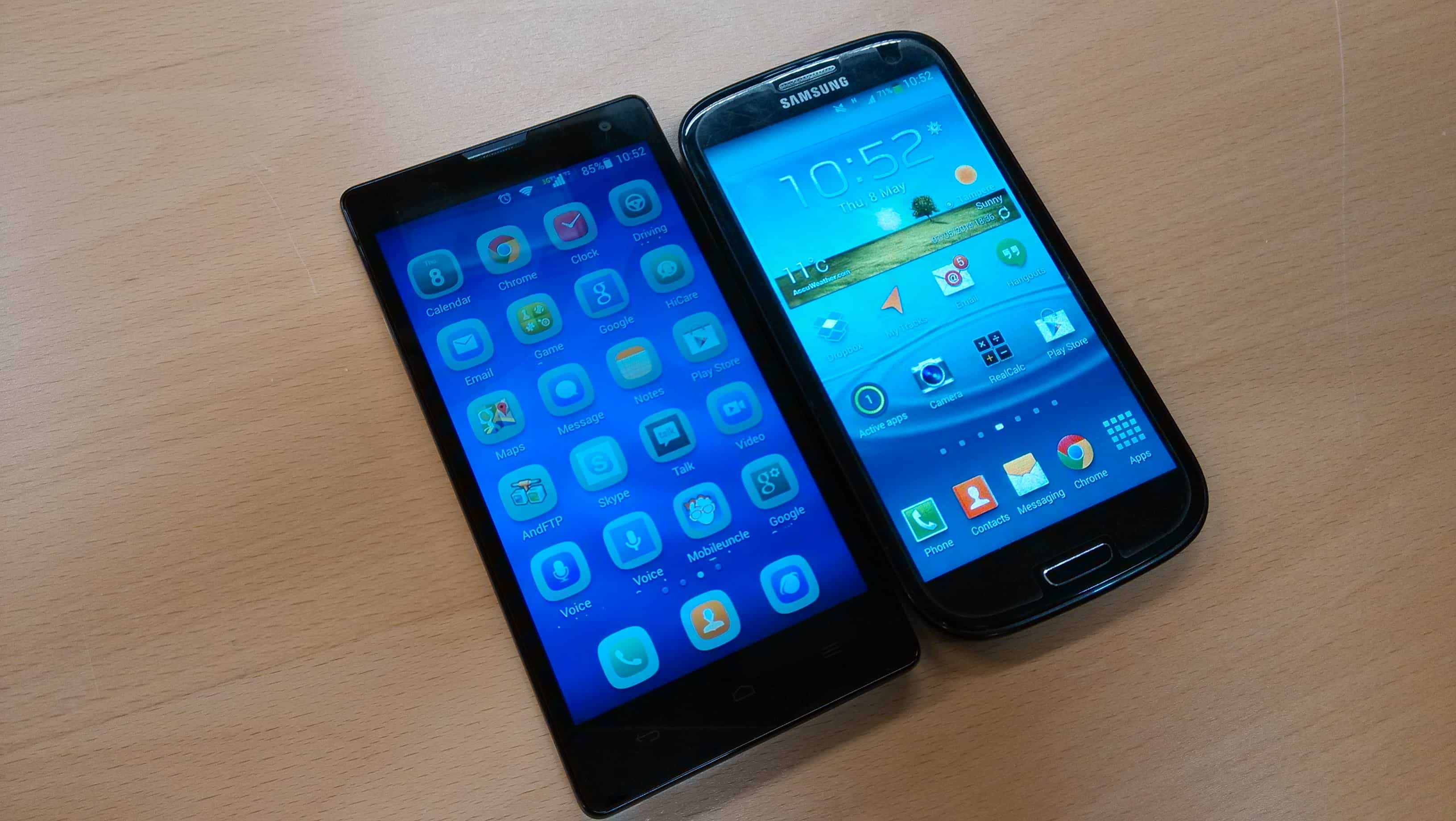
Huawei Honor 3C vs Samsung Galaxy S3. The Honor 3C is slightly larger then th Samsung Galaxy S3.
Huawei Honor 3C Display Review
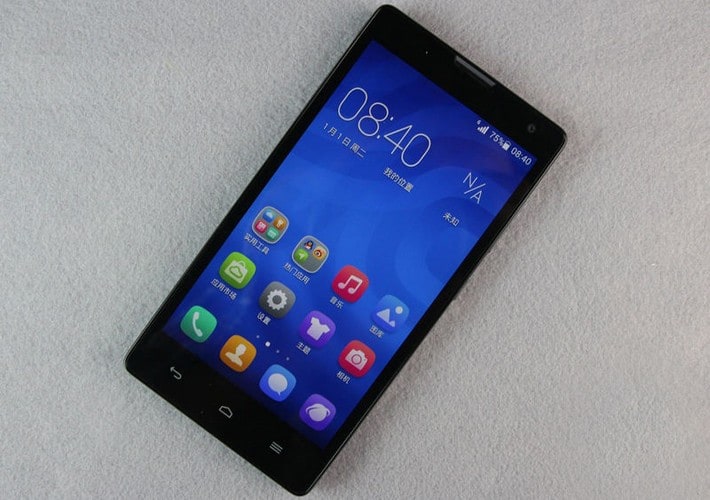
The Huawei Honor 3C sports a 5-inch LTPS display with HD resolution of 1280×720. We think the display of the Honor is large and features very good and clear images. It displays wide viewing angles and vibrant colors.
The pixel density of the Honor 3C is 294 ppi, same with the Xiaomi Redmi 1S. In our Honor 3C review the 294ppi is enough for normal every day usage. Yet, smaller text might look a bit soft, especially compared with smartphones that have higher pixel density.
Huawei Honor 3C Software – Android 4.4
The Honor 3C that we used for our Review had Android 4.2.2 (Jelly Bean) pre installed. It is running very quickly and gives smooth operating of the phones. While for the last two month Android 4.2.2 was the highest Version possible on Mediatek powered mobiles, we have good news.
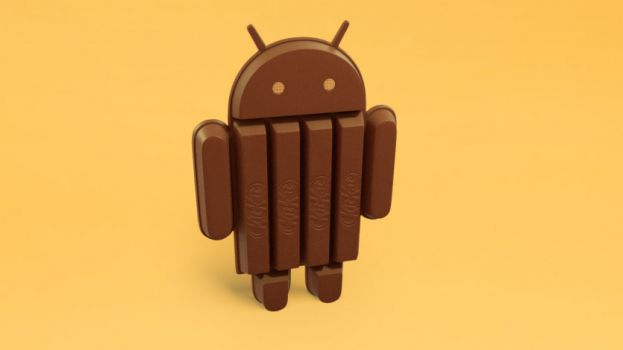
Huawei brought our a update this week. Finally the Honor 3C will get Android 4.4. Huawei released the version H30-U10 of their Emotion UI for the Huawei Honor 3C smartphone. As well they brought some more changes to the Custom Rom. Android 4.4 Kit Kat is definitely the biggest change.
You can download the ROM on Huawei’s EMUI.com Chinese Homepage. The Download Links are very clearly shown.
The Version we had in our Huawei Honor 3C Review was still Android Jelly Bean with Emotion UI 2.0



We liked the Emotion UI feeling. The Emotion UI 2.0 runs very smooth and is well designed. On our version there were barely lags and the UI is generally responsive and fast. Similiar to Xiaomi’s MIUI, the ROM has a a lot of themes. Users can even submit their own generated themes, and Huawei will feature them in the repository. Of course Huawei offers a lot of themes themselves for Emotion UO on the Honor 3C.


Especially in comparison with Xiaomi, Huawei has always been strong on connection. For the Honor 3C they have been really putting in effort for the Huawei DLNA feature. The mobile can both be DNLA server and player. The Honor 3C can detect servers in the WIFI network, and users can stream content from them.
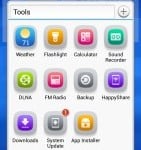


Native Apps like Sound Recorder, Calculator, Weather App and Flash Light worked all without problems in our Huawei Honor 3C Review. The music player can even show cover arts, but only if the data is embedded in the music files. Xiaomi’s MIUI music player can fetch these cover arts from the internet, based on music and artist.
Huawei Honor 3C FM Radio
The FM radio showed really good connection in our test. You can use it easily on your way to work. Even after using the radio a few hours in our test the battery looses only very few percentage points.
The Huawei Honor 3C comes even with a special driving mode. On our version the Driving mode was only supported in chinese though.
Huawei Honor 3C Review – Power Management
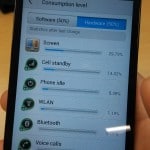

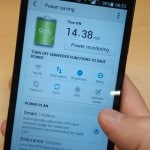
Huawei has really optimized the Power Consumption of the Honor 3C. The user gets a lot of customized options to minimize the batter usage with Emotion UI. The Honor 3C even informs the user if there are power intensive apps running. On demand the phone shows the power consumption of those apps in mAh.
Huawei Cloud Services also exist. Also we are not sure how fast they are if you access them via Malaysia, since the servers are probably in China. We did not try in our Huawei Honor 3C review.
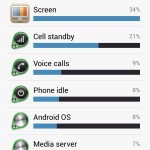
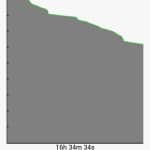
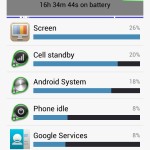
Huawei Honor 3C Battery Life
The Honor 3C comes with 2300 mAh battery. The battery life of the Honor Mobile is impressive. In our review the battery was still at 60% at 10pm, even after very heavy usage. We chatted on Facebook and Whatsapp, took photos and calls, browsed the internet intensively with 3G and Wifi. Normally with this usage Samsung Galaxy and also Apple Phones would have died already. The Huawei Honor 3C showed still 60% at 10pm in our Review. Finally Huawei is doing it right!
Mediatek Chipset GPS issue
There is a very well known issue with Mediatek processors. Normally it takes much more time then on other chipsets to get the correct location set on your smartphone via GPS satellites. There is a very popular fix to correct this issue on Mediatek Mobiles. In our Honor 3C review we did not encounter this problem though. We got the GPS Status in about 30 seconds which should be fast enough for every day users.
Huawei Honor 3C Benchmarks and Antutu Scores.
TO boot the device up, from starting cold to fully loaded it takes maximum 20 seconds. After 20seconds you get a fully loaded and responsive Emotion UI, which is quite a good response time.
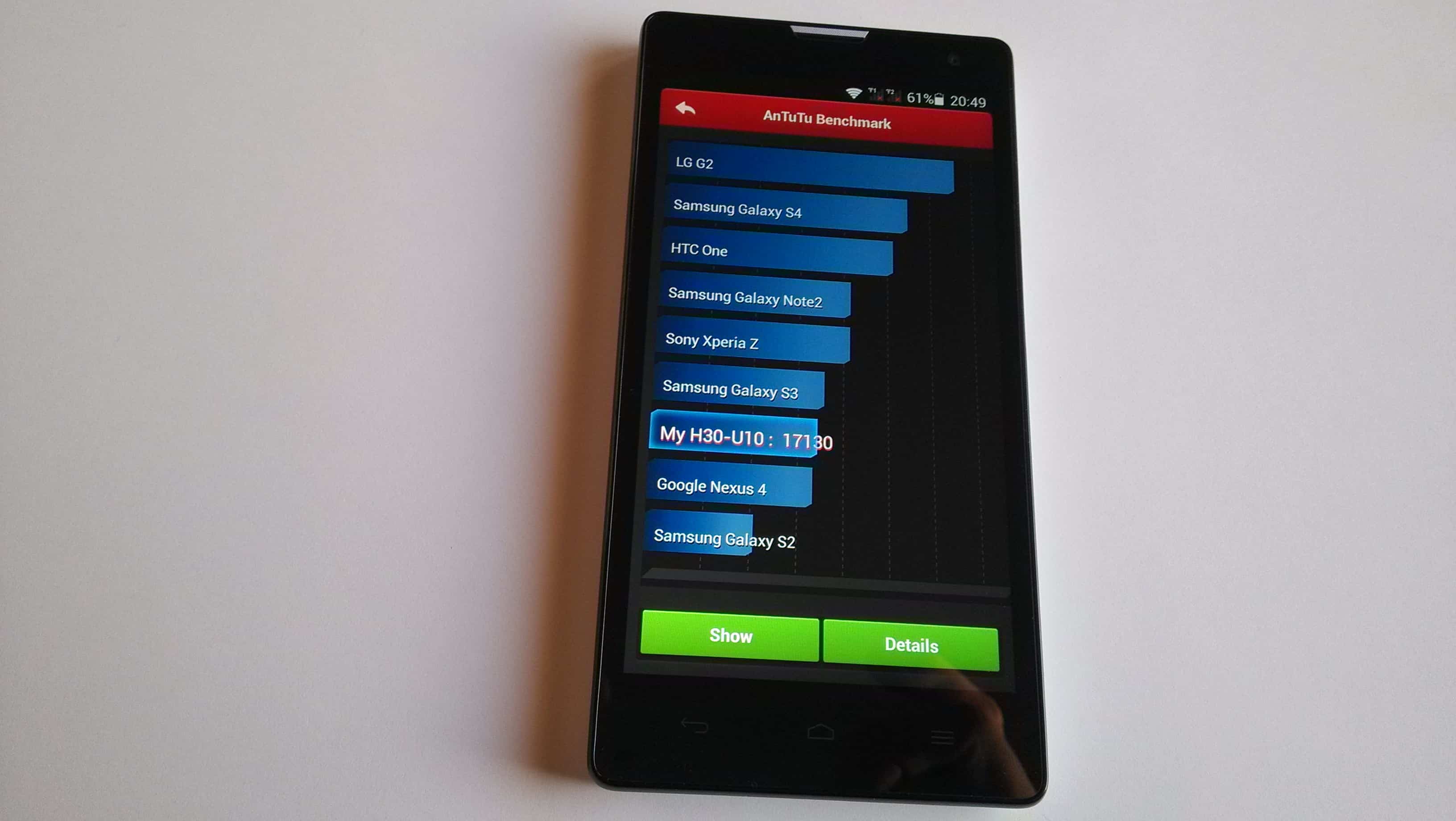
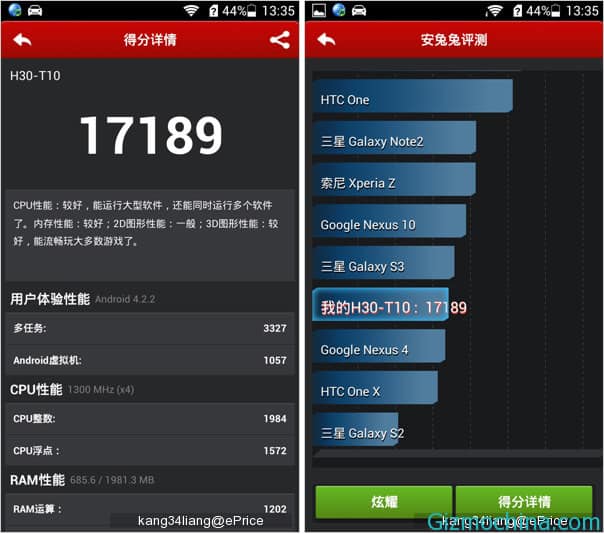
The Honor 3C runs on Mediatek Quad Core Processor and 1.3 GHZ and 2GB of Ram. In our review the Huawei Honor 3C Antutu Score was 17,130 points. This score is very similiar to the antutu benchmark of an Samsung Galaxy S3. The Galaxy S3 runs on Quadcore Snapdragon S400 1.5 Ghz and either 1GB or 2GB of Ram. For this pricing difference, this is a very reputable benchmark for the Honor Mobile.
We could not see anything special about the charging time. It took 1 1/2 hours to charge the phone from 39 percent to 98 percent.
Huawei Honor 3C Review – Camera
The Camera comes with an large aperture of f/2.0 which is why we expected high quality pictures. Large aperture mean high quality pictures in low light. Also we should get excellent bokeh for macro shots, while the object in the foreground is sharp, the background blurrys slightly.
The Maximum resolution of the 4:3 pics is 2560 x 1920 and the 16:9 pics have a 2560 x 1440 maximum resolution. Huawei achieves the 16:9 ratio by cutting the 4:3 pic from top and bottom, and loosing some pixel in the process. The 16:9 pics have 3.7 million pixels via 4.9 million pixels on the 4:3 pics.
What is not quite understandble is that all camera sensors still have 4:3 aspect ratio. Nobody uses 4:3 on Tv’s and Monitors anymore these days. Huawei gives the maximum Megapixel of the Rear Camera at 8MP. In our Huawei Honor 3C review we could only use 5 MP maximum though. Does anyone know why that is?
Camera Software
We did not like the Huawei camera app. It seems to be very useless because in most cases it crashed if we took a picture before the app saves it. On top of that all the features are very basic. No matter which aspect ratio you choose, the preview will only display 4:3. The Video mode is good though. We hope Huawei fixed those issues with the newest update.
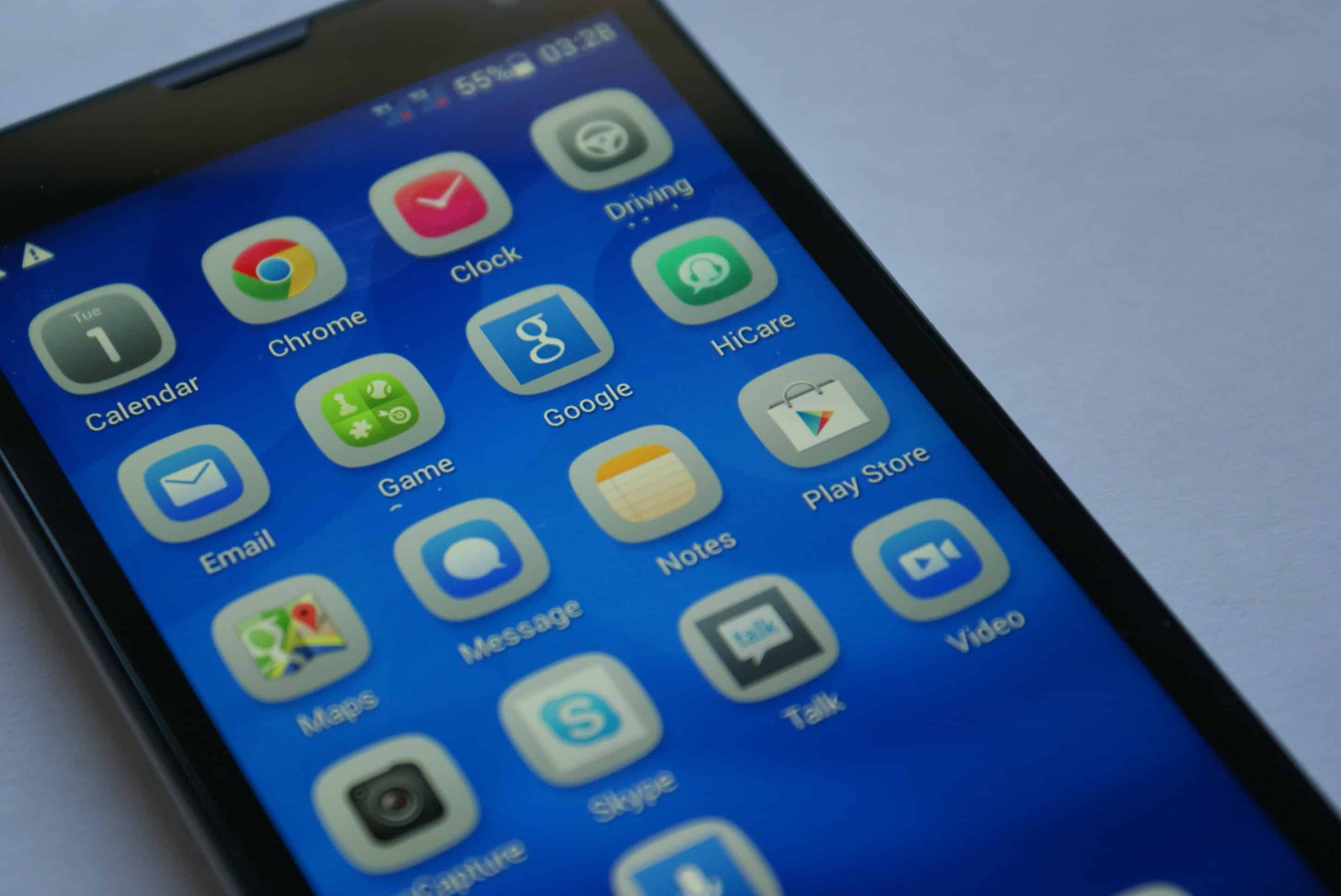
In this Huawei Honor 3C Review we found another Photo App preinstalled though. ProCapture App is very very powerful and has a lot of customization options and tweaks included. The user can easily adjust exposure levels, macro focus, night shots and white levels. All pictures we took for this Huawei Honor 3C review are made with the ProCapture App.
Normal Shots

In normal lightning the camera performs very good. We expected nothing less. With optimal lighting the camera performs perfectly, as expected.
Pictures in Macro Mode



The Honor 3C pictures in Macro mode were excellent. The 3C can focus very closely, much closer then other mobiles we tested so far.
Pictures with High Contrast – High Contrast Conditions


High contrast pictures are very difficult for every camera and optics. Often important areas in the pictures become over or under exposed. In our test for example the fur of the cat is overexposed while the bird is evenly exposed.
HDR Mode
HDR mode takes multiple pictures with different shutter speeds, normally 2-3. Afterwards the optimal exposured areas are combined into one picture. It also saturates pictures, makig the colors more vivid. Personally we like the HDR mode a lot and use it often. The HDR mode on the Huawei Honor 3C worked definitely well in this Review.
Difficult Low Light Conditions on the Honor 3C Malaysia

With a few exceptions all modern smartphones take good pictures – when the light conditions are right. To judge the real quality of the Huawei Honor 3C cam we took some pictures under low light conditions. As you can see in our review low light pictures there is at least some noise in them. Aperture of f/2.0 means that the hole in the sensor through which the light passes is relatively large and will give better light then a smaller one.
We are happy with the Huawei Honor 3C in difficult light conditions.
Huawei Honor 3C Malaysia Plus and Minus
Plus Points:
- Excellent Price at RM499
- Both Cameras, Rear and Front are of very high quality
- Large and colorful display which shows great colors and good viewing angles
- Excellent Battery Life
- Beautiful and smooth Custom Rom at Emotion UI
- Android Kit Kat 4.4
- VERY good value for the Price
Minus:
- Pretty large, maybe hard to navigate with one hand
- Not the highest pixel density, so softer text as usual
- Huawei Camera App useless (hopefully updated now)
- The plastic body could be more robust
- Scarcity of Stock in Malaysia
The Huawei Honor 3C in this Review was provided by Lazada Malaysia.
Summary of our Huawei Honor 3C Review:
The Huawei Honor 3C is one of the hottest selling Android Smartphones in China. And that is with good reason. Next to the very hot Price Tag, it operates smoothly and can be compared to the performance of the Galaxy S3. Especially the High Quality Cameras surprised us. The Battery Life is also exceptional.
If you are looking for an Budget Smartphone under RM500 we can definitely recommend the Huawei Honor 3C after this review.
Thanks to Lazada Malaysia for giving us the Huawei Honor 3C Model to test for two weeks !
You May Like
-
Nokia Maze Xtreme 2026 Specs: 200MP Cameras, 12000mAh Battery!
-
Nokia XS Max 2026 Specs: 200MP Cameras, 10600mAh Battery!
-
Nokia P1 Lite 2026 Specs: 200MP Cameras, 11000mAh Battery!
-
Nokia Flash 2026 Specs: 16GB RAM, 200MP Cameras!
-
Sony Xperia Ultra Max Pro Specs: 200MP Cameras, 19100mAh Battery!
-
Nokia A2 Pro Specs: 18GB RAM, 12000mAh Battery!
-
Nokia Royale Max Ultra 2026 Specs: 24GB RAM, 18700mAh Battery!
-
Nokia Play 2 Max 2026 Specs: 24GB RAM, 12000mAh Battery!
-
مواصفات Sony Ericsson Satio 2026: ذاكرة RAM بسعة 16 جيجابايت، وكاميرات بدقة 250 ميجابكسل!
Xiaomi : A Survey of Smartphone Users in 4 Emerging Markets shows exactly how popular Xiaomi is [Infographic]
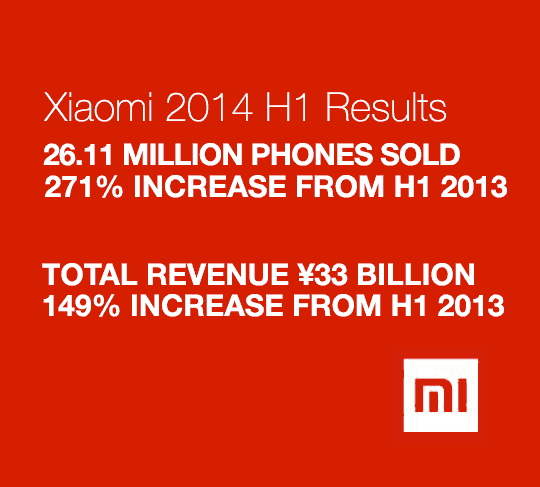
XIAOMI might be one of the fastest Chinese Company at the time. Xiaomi,the Apple of China, just announced that they sold more in Smartphones in the first half of 2014, then in whole 2013.
That means that Xiaomi already made revenues of more then 5.3 Billion USD in 2014 so far, especially with Smartphones like the MI3 and Redmi Note. Xiaomi’s financial report shows that they sold an impressive 26 Million Xiaomi Smartphones in 2014 so far. According to CEO Lei Jun Xiaomi plans on selling 60 Million Smartphones for 2014.
The US 5.3 Billion dollar Xiaomi made represents and very impressive 149% Growth compared to the same period in 2013. These Growth numbers are largely due to Xiaomi’s aggressive international expansion starting with Singapore and Malaysia. Recently they launched Xiaomi Philippines and Xiaomi India will follow soon. So far Xiaomi’s reception in Malaysia and Singapore is spectacular, while some customers complain about the scarcity of Stock.
While a lot of people call Xiaomi, the China of Apple, CEO Lei Jun says they are actually more close to Amazon’s Business Model.
“Our business model is more similar to Amazon,” Lei announced, relating to Amazon’s strategy of selling hardware at cost. On their profit strategy he said ”We sell all our products online and our gross profit rate is very low. Our price is one third of Apple’s,” he said. “We make our profits through content and services.”
XIAOMI is now the fifth year in Operations. It got the first time cristal clear that they are planning WORLD DOMINATION when hiring Ex GOOGLER Hugo Barra. Now they are already extremely successful in new markets like Malaysia and Philippins and more markets to come soon.
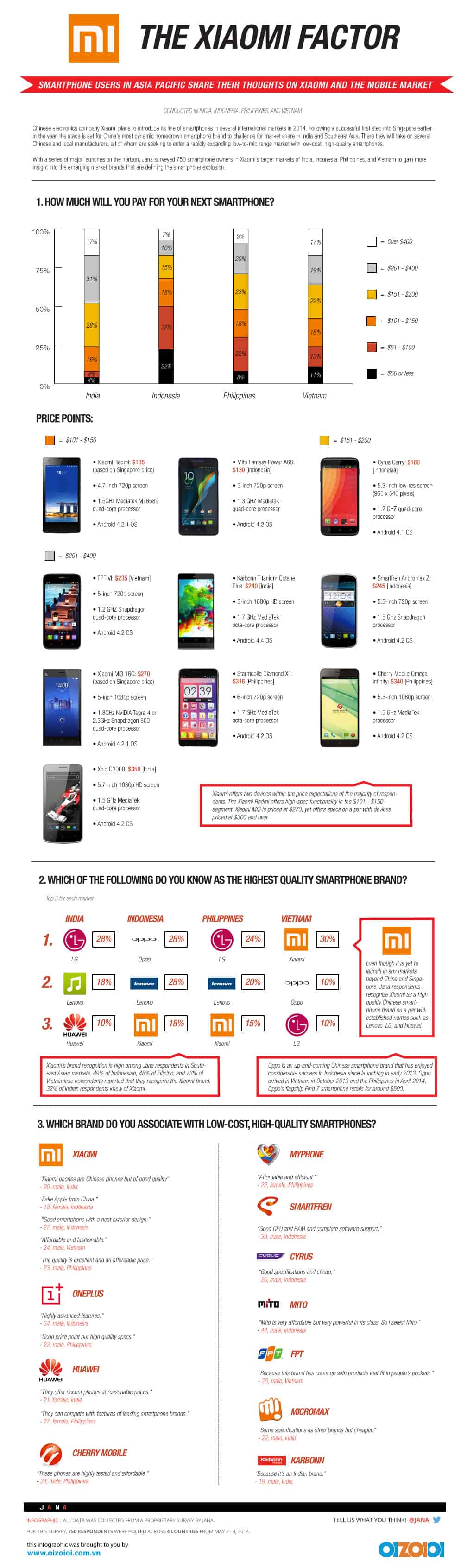
Our friends from JANA created a survey, where they talked to 750 yout from Vietnam, Philippines, Indonesia and India about the XIAOMI Phenomenon. Please check out the results of this survey here – and come to your on conclusions on Xiaomi.
XIAOMI : A Survey of Smartphone Users in 4 Emerging Markets
Share this Image On Your Site
Please include attribution to www.www.pricepony.com.my with this graphic.

It seems like Xiaomi is betting their money on a pretty safe bet. Why do we think so? On the question who is the highest quality chinese smartphone, all respondents but India placed Xiaomi very clearly in the TOP 3. In Vietnam they are even clear Number 1.
Its a bit of an surprise that Xiaomi is not in the TOP 3 for India. But then again the Indian Smartphone Market is extremely diversisfied with very strong local brands like MicroMax. If we follow the Social Media in India we can see that indeed a lot of customers awaiting the launch in Xiaomi India Launch.
Xiaomi Philippines just launched last week with their Xiaomi MI3. Soon they will begin to launch also in Vietnam, Indonesia and India. Other then Malaysia and Singapore we expect Xiaomi to have tougher competition from local smartphone makers in those markets though. Local Manufacturers as Micromax & Xolo in India, Cyrus & Mito in Indonesia, FPT in Vietnam and Cherry Mobiles & Myphone in Philippines will try to defend their local markets the best they can.
From what we can see from Xiaomi Philippines the first Xiaomi MI3 sales was a bit slower then in Malaysia and Singapore. This might have a few contributing factors. Philippines is the first country where Xiaomi is diverting from their proven Flash Sales Model on their own page. They are cooperating with Lazada Philippines. As Lazada had not only positive branding experience in the past that might be one point. Also as forementioned local brands are extremely strong in the Philippines. From what we can see Xiaomi Philippines upped their Game with some Social Media Games and now their popularity is growing.
Howewer judging Xiaomi’s history in other foreign markets and the Global Appeal Xiaomi will succeed in those markets eventually. It is completely up to XIaomi to keep producing high spec- high quality phones and undestand the local market better.
Overall Xiaomi’s Business Model is clearly working very well for them. Xiaomi did not reveal their profits for the first two quarters but the numbers indicate financial healthiness. Xiaomi CEO Lei Jun has even announced that Xiaomi wants to sell more then 100 Million Xiaomi Phones in 2015. Judging on Xiaomi’s current success this is a very feasible Goal for 2015. So far they have shown they can easily disrupt the local markets with their extremely effective Marketing and high speced Smartphones.
We all stay tuned and will follow closely here on Oizoioi.
You May Like
-
Nokia Maze Xtreme 2026 Specs: 200MP Cameras, 12000mAh Battery!
-
Nokia XS Max 2026 Specs: 200MP Cameras, 10600mAh Battery!
-
Nokia P1 Lite 2026 Specs: 200MP Cameras, 11000mAh Battery!
-
Nokia Flash 2026 Specs: 16GB RAM, 200MP Cameras!
-
Sony Xperia Ultra Max Pro Specs: 200MP Cameras, 19100mAh Battery!
-
Nokia A2 Pro Specs: 18GB RAM, 12000mAh Battery!
-
Nokia Royale Max Ultra 2026 Specs: 24GB RAM, 18700mAh Battery!
-
Nokia Play 2 Max 2026 Specs: 24GB RAM, 12000mAh Battery!
-
مواصفات Sony Ericsson Satio 2026: ذاكرة RAM بسعة 16 جيجابايت، وكاميرات بدقة 250 ميجابكسل!
Lenovo K920 Review – 6-inch Quad HD screen, Snapdragon 801 CPU, 16MP camera and 3GB RAM Beast
The Lenovo K920, is Lenovo’s new coming Flagship. The Lenovo K920 is a QHD 6 inch 2K display, 3GB of RAM, 16 MP Camera and Snapdragon 801 Flagship Smartphone.
And the best news is the Lenovo K920, the 6 inch, 2K and 3GB Specs Monster, might launch very soon.
The Lenovo K920 will be the new version of the Lenovo Vibe Z. For that it needs a network licence, which Lenovo apparently just got in China. We give you a Lenovo K920 Review, to see if its really a Oppo Find 7 Killer.
Lenovo K920 Review

Lenovo K920 Vibe Z2 Design
From the first images we can tell that the Lenovo K920 comes with a Premium Metallic Design. The Vibe Z2 reminds a bit on the K900 metall design, with magnesium alloy. It might be one of the best looking smartphones in Malaysia with the metallic finish and unibody.
The Lenovo K920 is a very slim device with a thickness of only 7.7 mm. It seems that Lenovo Malaysia is also pushing the sub-brand Lenovo Vibe. Lenovo replaced their usual Logo with a VIBE BRanding on the back. Overall the Lenovo K920 definitely looks awesome, especially compared with the more boring Samsung Galaxy Note 3 and S5.
Lenovo K920 Display
The Lenovo Vibe Z2 comes with an impressive QHD 6 inch 6-inch 2560 x 1440 display and a pixel density of 490 ppi. This means it has the same resolution as the Oppo Find 7 and LG G3.
Quad HD (QHD) means that the Lenovo K920 has four times more pixel then other 720p displays. QHD is the next step after FULL HD (1920 x1080) displays, with a stunning 2K resolution.
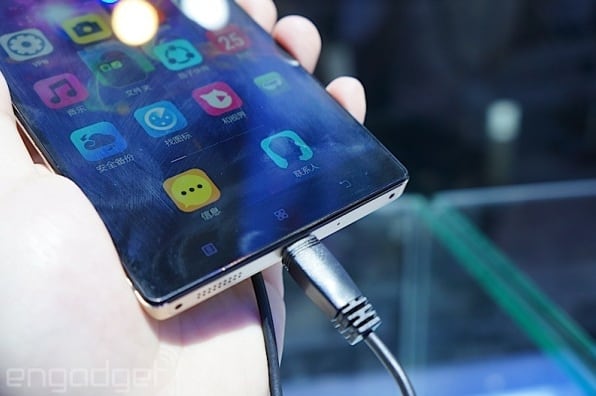
There is still 4K resolution out there, but so far only on High End Tvs and Computers, not likely that we will see it this year on Smartphones. Meanwhile Samsung and HTC are rumored to launch QHD versions of their Galaxy S5 Prime and HTC ONE M8 Prime.
Lenovo K920 Hardware and Specs
The Lenovo K920 is running on the Qualcomm Quad Core Snapdragon 801 at 2.5 Ghz. The Snapdragon 801 comes with Adreno 330 GPU and Krait Technology.
The Vibe Z2 gets along with the Quad Core Snapdragon 801 a full 3GB of RAM. Most of you will know that Amount of RAM is next to the processor the most important factor when it comes to performance. With 3GB of RAM the Lenovo K920 can definitely compete with the Oppo Find 7 and LG G3.
Lenovo K920 Specs:
- Processor: Qualcomm Quad Core Snapdragon 801 at 2.5 Ghz
- Display: 6inch 2560 x 1440 display, 490 ppi
- RAM: 3GB
- Internal Memory: 32GB
- Camera: 16/5MP
The Lenovo K920 is pretty similiar to the Oppo Find 7 with 3GB RAM, Quad Core Snapdragon 801 CPU at 2.5 Ghz and a 2K display.
On Top The Lenovo K920 gets a powerful 4000 mAH Battery and 32GB of internal memory. Also The Lenovo Phone will get China Mobile’s LTE Capability and Dual Sim Option. Quite a Spec Beast.
Camera and Pictures
The Lenovo Smartphone will come with a 16 Megapixel Rear Camera and 5 Megapixel Front Camera for Selfies.
While we need to wait for the Launch for to determine the actual picture Quality 16 Megapixel is definitely very promising.

ALso a reader contacted us and apparently you can see Optical Anti-Shake next to the Camera Sensor on the Rear of the Lenovo K920. So the Lenovo Flagship will have what other smartphone companies call Optical Image Stabilization.
Lenovo K920 Price in Malaysia
So far we only know that the Lenovo K920 will launch very soon in China, since Lenovo acquired the License already.
Lenovo Malaysia is very active in Malaysia though and they bring nearly all Lenovo phones to our market as well.
A lot of rumors suggest that the phone will sell as low as 2500 CNY in China. That would be a Price as low as RM1289 for the Lenovo K920 in Malaysia.
Lenovo K920 Review:
It really depends if you prefer a 6 inch 2K Screen, 3GB Phone with lower price and big screen (K920) or the Higher Priced, smaller screen Oppo Smartphone.
We think if the Lenovo K920 really comes RM1289 this phablet is extremely hot. It stands in direct competition to LG G3, Oppo Find 7 and Samsung S5 Prime. But the Price Makes the Lenovo Smartphone really stand out.
For this Pricing and Specs a lot of customers might even prefer the Lenovo K920 Vibe Z2 to the Xiaomi Mi3.
Anyways in the end the customers will win with more competition.
You May Like
-
Nokia Maze Xtreme 2026 Specs: 200MP Cameras, 12000mAh Battery!
-
Nokia XS Max 2026 Specs: 200MP Cameras, 10600mAh Battery!
-
Nokia P1 Lite 2026 Specs: 200MP Cameras, 11000mAh Battery!
-
Nokia Flash 2026 Specs: 16GB RAM, 200MP Cameras!
-
Sony Xperia Ultra Max Pro Specs: 200MP Cameras, 19100mAh Battery!
-
Nokia A2 Pro Specs: 18GB RAM, 12000mAh Battery!
-
Nokia Royale Max Ultra 2026 Specs: 24GB RAM, 18700mAh Battery!
-
Nokia Play 2 Max 2026 Specs: 24GB RAM, 12000mAh Battery!
-
مواصفات Sony Ericsson Satio 2026: ذاكرة RAM بسعة 16 جيجابايت، وكاميرات بدقة 250 ميجابكسل!
Compare all XIAOMI Malaysia Phones with this Infographic
Xiaomi Malaysia announced yesterday the Launch of The Redmi Note and Redmi 1S. The Redmi 1S will sell as low as RM419.
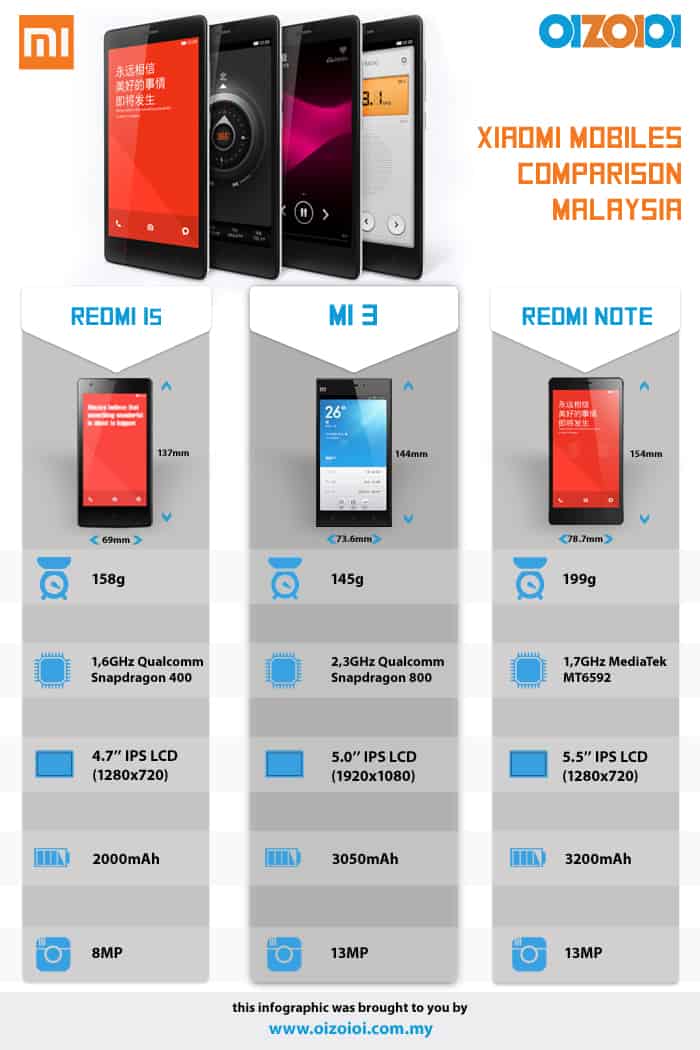
That means with their Flagship Xiaomi MI3 we will have three Xiaomi Phones in Malaysia. In this INFOGRAPHIC we present you a Overview of Xiaomi Phones in Malaysia.
XIAOMI Malaysia Phones Infographic
Share this Image On Your Site
The clear Flagship is the Xiaomi MI3. On every flash sales so far the Mi3 was sold out in a few minutes, leaving hundreds of customers asking for more.
The Xiaomi Mi3 comes with Qualcomm Snapdragon 800 Quadcore Processor clocked at 2.1Ghz and Adreno 330 GPU. On top of that you get 2GB of RAM, a 13MP Rear Camera with Sony BSI Sensor and 16/64GB of internal memory. At a current price of RM769 this is definitely one of the hottest Xiaomi Mobiles in Malaysia. That is if you can get stock 😉
The Xiaomi Redmi Note will launch in Malaysia on 22th July. Xiaomi will sell the Redmi Note for RM509. That is even cheaper then in Singapore. The closest from the Specs is the Samsung Galaxy Note 3 NEO.
The Xiaomi Note will come to Malaysia in an enhanced version. It will utilize an OctaCore Mediatek processor and gets 2GB of RAM on top. The Xiaomi Redmi Note sports an 5.5 HD Display with 720p resolution and 326ppi Pixel Density. For RM509 this is definitely a very intersting phone for fans of Phablets. So far Xiaomi did not announce their stock yet.
Read our Xiaomi Redmi Note Vs Samsung Galaxy Note 3 Review
The Third phone to come to Malaysia is the Xiaomi Redmi 1S. The Redmi 1S is the enhanced version of the Redmi 1. The Xiaomi Mobile will launch on 08. July for RM419.
For RM 419 you get a QuadCore Snapdragon 400 Processor, 2GB of RAM and 4.7 inch IPS HD Display. As well it comes with 8GB internal memory and 8MP Camera. The Xiaomi Redmi 1S might be closest to the Motorola Moto G with a more attractive price.
What do you think of the launch in Malaysia. Will you try to buy one of those Xiaomi Malaysia smartphones?
You May Like
-
Nokia Maze Xtreme 2026 Specs: 200MP Cameras, 12000mAh Battery!
-
Nokia XS Max 2026 Specs: 200MP Cameras, 10600mAh Battery!
-
Nokia P1 Lite 2026 Specs: 200MP Cameras, 11000mAh Battery!
-
Nokia Flash 2026 Specs: 16GB RAM, 200MP Cameras!
-
Sony Xperia Ultra Max Pro Specs: 200MP Cameras, 19100mAh Battery!
-
Nokia A2 Pro Specs: 18GB RAM, 12000mAh Battery!
-
Nokia Royale Max Ultra 2026 Specs: 24GB RAM, 18700mAh Battery!
-
Nokia Play 2 Max 2026 Specs: 24GB RAM, 12000mAh Battery!
-
مواصفات Sony Ericsson Satio 2026: ذاكرة RAM بسعة 16 جيجابايت، وكاميرات بدقة 250 ميجابكسل!
Xiaomi Malaysia Prices for Redmi Note and Redmi 1S in July, sells from RM419 !
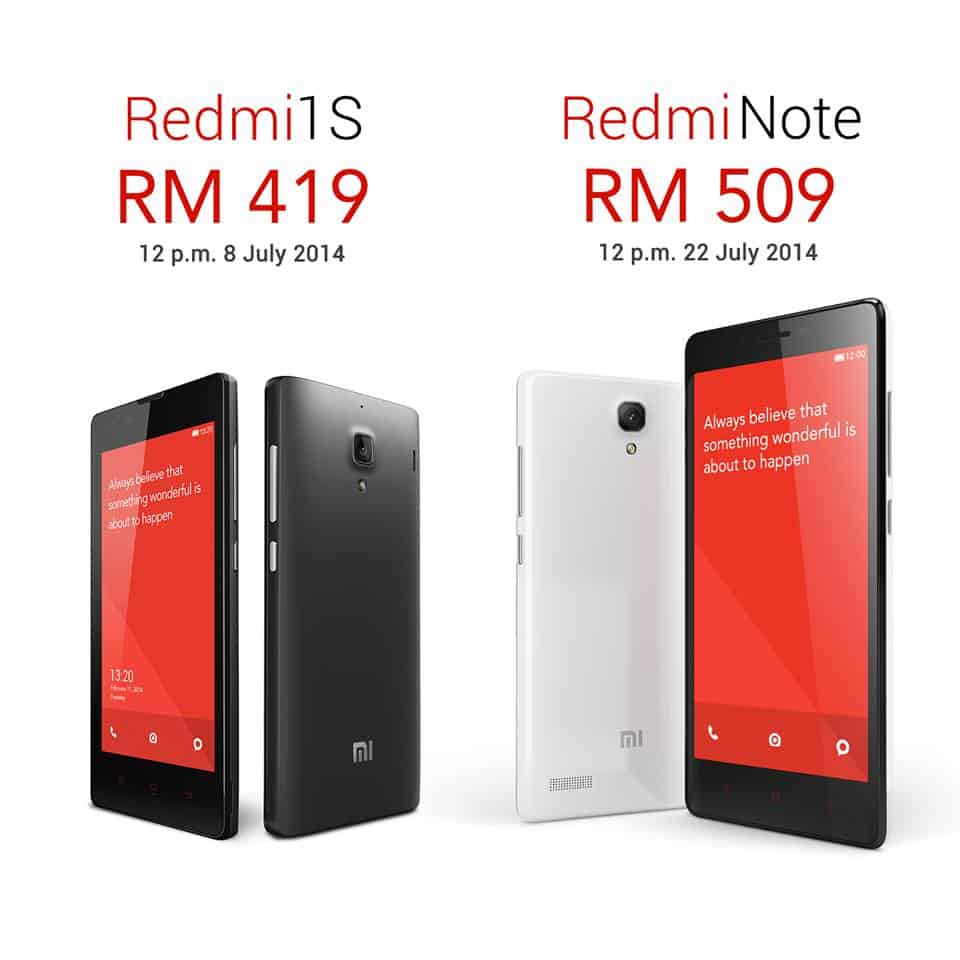
Xiaomi Malaysia has finally announced the Price of the Xiaomi Redmi Note and Redmi 1S! The Redmi Note will sell as for a price as low as RM509! That is even cheaper then in Singapore, where it costs 199SGD= RM513.
The Redmi Note will come in an “enhanced” version. The Xiaomi Redmi Note will have 2GB of RAM and en enhanced Octa Core Processor. Apart from that the REDMI NOTE Comes with 5.5 inch HD IPS Display, 13Megapixel Rear and 5MP FrontCamera and an impressive 3200 mAH battery. All That for RM509.
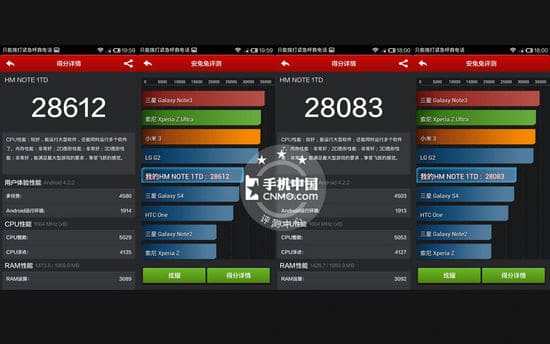
Redmi Note Antutu
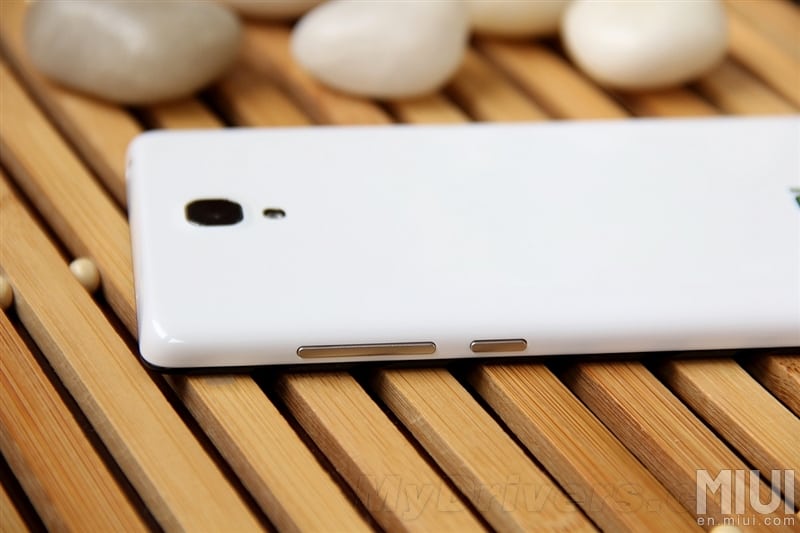
The Redmi Note will first be available only in white case for Malaysia, but soon there will be more colors. On Xiaomi Homepage, we can see already the Redmi Note Product Page, but not yet for the Xiaomi Redmi 1S. The Redmi Note will start selling on 22 July for RM509. Xiaomi did not announce the stock numbers yet.
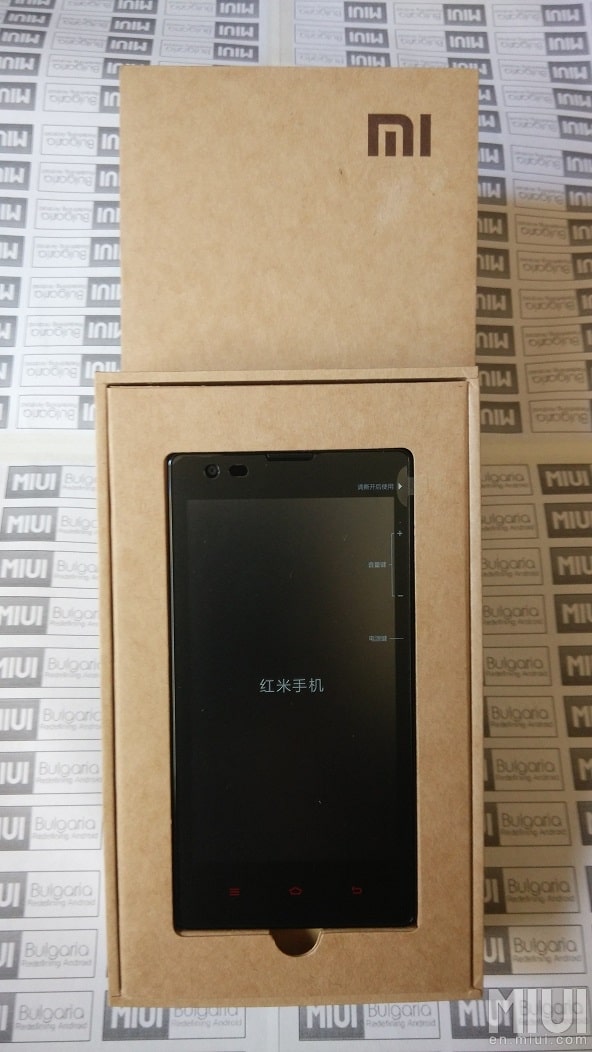
The second big surprise was the Sales Price of the Xiaomi Redmi 1S. The Redmi 1S will sell as low as RM419. The Xiaomi Redmi 1S utilizes an quad-core Snapdragon 400 clocked at 1.6Ghz, and 1GB of Ram. Apart from that it comes with 8GB internal storage extendable via MicroSD. For the Price of RM419 the Redmi 1S also has an 4.7 inch 720 HD IPS Display, 2000 mAh battery and a 8MP Camera.
The Xiaomi Redmi 1S will start selling on 08 July. For the Redmi Note we need to wait a bit longer, till 22 July. So far Xiaomi did not announce how much stock they will have for Sale. Lets hope it is enough stock for Malaysia this time.
Are you happy about the announcment? Are you planning to buy the Redmi Note or Redmi 1S? Let us know in the comments.
You May Like
-
Nokia Maze Xtreme 2026 Specs: 200MP Cameras, 12000mAh Battery!
-
Nokia XS Max 2026 Specs: 200MP Cameras, 10600mAh Battery!
-
Nokia P1 Lite 2026 Specs: 200MP Cameras, 11000mAh Battery!
-
Nokia Flash 2026 Specs: 16GB RAM, 200MP Cameras!
-
Sony Xperia Ultra Max Pro Specs: 200MP Cameras, 19100mAh Battery!
-
Nokia A2 Pro Specs: 18GB RAM, 12000mAh Battery!
-
Nokia Royale Max Ultra 2026 Specs: 24GB RAM, 18700mAh Battery!
-
Nokia Play 2 Max 2026 Specs: 24GB RAM, 12000mAh Battery!
-
مواصفات Sony Ericsson Satio 2026: ذاكرة RAM بسعة 16 جيجابايت، وكاميرات بدقة 250 ميجابكسل!
How China’s Xiaomi Beats Huawei in Malaysia
According to Bloomberg Businessweek’s latest issue, Xiaomi is the most popular smartphone brand in China at the moment. Xiaomi, founded in Bejing, is just four years old, but millions of chinese follow the brand already. This Cult like Fan Culture we know from only one other brand, which is Apple. That extreme popularity is caused in parts by the popularity Xiaomi CEO Lei Jun who a lot of people compare to Steve Jobs. Also by Xiaomi’s extreme clever use of social media and Online Sales.

Lei Juns says though that Xiaomi differs from Apple:
“Our business model is more similar to Amazon,” Lei said, referring to Amazon’s habit of selling hardware at cost. On their profit strategy he said “We sell all our products online and our gross profit rate is very low. Our price is one third of Apple’s,” he said. “We make our profits through content and services.”
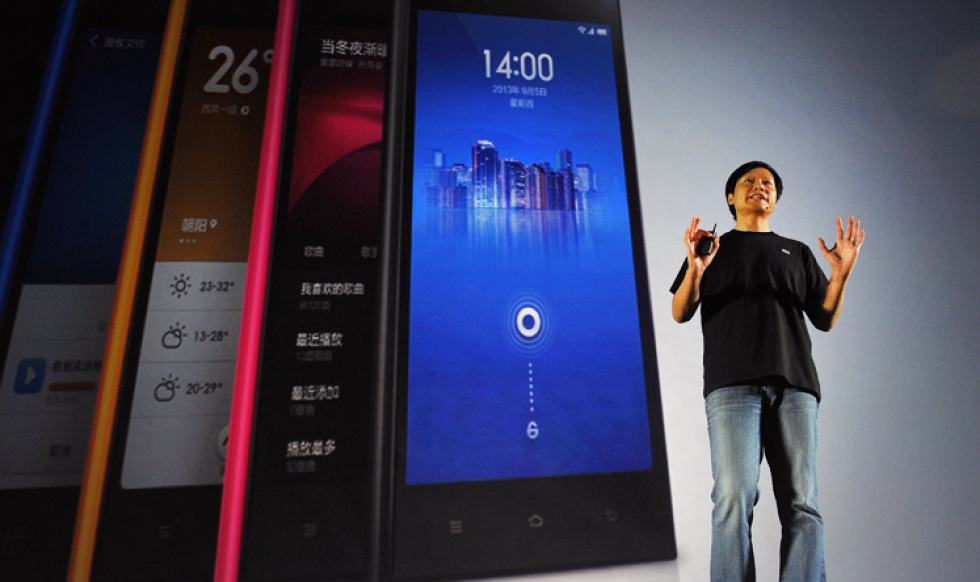
Also Xiaomi, is not the only Chinese Manufacturer that wants to conquer markets beyond China. According to Shao Yang, who is the Marketing head of Huawei mobile phone divison, it is not sure yet who will be the dominating chinese brand outside China. In General he argues that there needs to be another brand to challenge the dominance of Apple and Samsung: “Two brands is not a stable architecture,”. Shao VP for Marketing at Huawei says also: “Everyone wants to have a third brand. Where this third one comes from—China is a very obvious choice, because China is the biggest market.”

Xiaomi’s leaders Lei Yun and Hugo Barra, who joined Xiaomi last year from Google, trying very hard to be that third dominant brand with a very agressive Expansion Plan for Xiaomi worldwide. Shao Yang argues though, that the long term relationships that Telecom Giant Huawei built over the years can not be matched by Xiaomi. He says in an interview about Xiaomi: “They are quite dynamic. That’s their advantage,”. According to Shao the relationships that Huawei built with carriers and partners will make the difference in the end, he says: “trust is more important.”
Huawei copying XiaomI Flash Sales with their Rush Buys
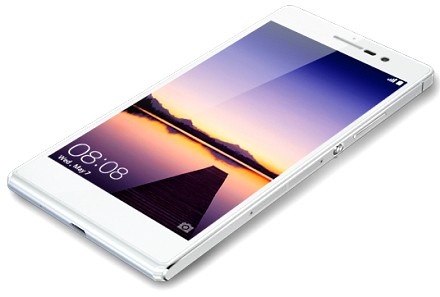
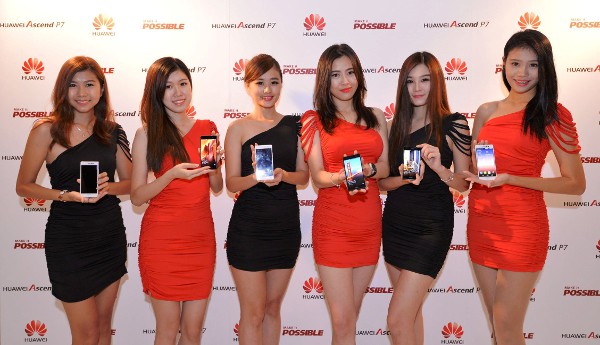
Huawei’s Marketing and Social Media Strategy might be not as sophisticated as Xiaomi’s but they have made big progress in building their own brand with a number of devices. Just recently they launched 5 new devices in Malaysia, most popular being their Ascend P7 smartphone flagship, postioned against Samsungs Galaxy S5.
According to Bloomberg Industries Huawei sold 13.5 million smartphones versus Xiaomi’s 10 Million smartphones worldwide for the first quarter of 2014. In terms of Pricing both brands seem to follow the same strategy of extremely reasonable prices for high specs, while Huawei is with an average price of RM500 (155.30 USD) a bit cheaper then Xiaomi’s RM 510(159.60 USD). Both companies sell their smartphones now under their own brand. Only three years ago Huawei sold most of their mobiles under carrier brand and only 30% under their own.
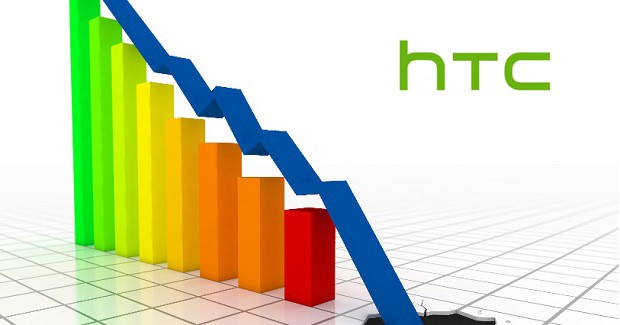
While both Xiaomi and Huawei are catching very quickly up in terms of popularity and brand building, that does not mean they will be able to keep the success. If we have a look at the taiwanese manufacturer HTC we can see some similarities to Huawei. HTC, as Huawei, started selling out mainly to Carriers and shifted to selling their own brand quick. HTC became most of the top popular smartphones for the U.S market, but now they cant compete with Samsung’s huge marketing budget and Apple’s style and fighting to stay alive.
Huawei’s Marketing VP Shao is sure that this story will not repeat with their company, especially because of their experience with history of selling 3G and 4G equipment to carriers. “We think three things are fundamental for smartphones,” Shao explains “No. 1 is hardware, No. 2 is software, No. 3 is telecommunication. The best hardware is from Samsung, best software and user experience [are] from Apple, and Huawei is the one that can provide the best telecom connectivity. This is the advantage of Huawei. People know that Huawei can provide the best 4G.”
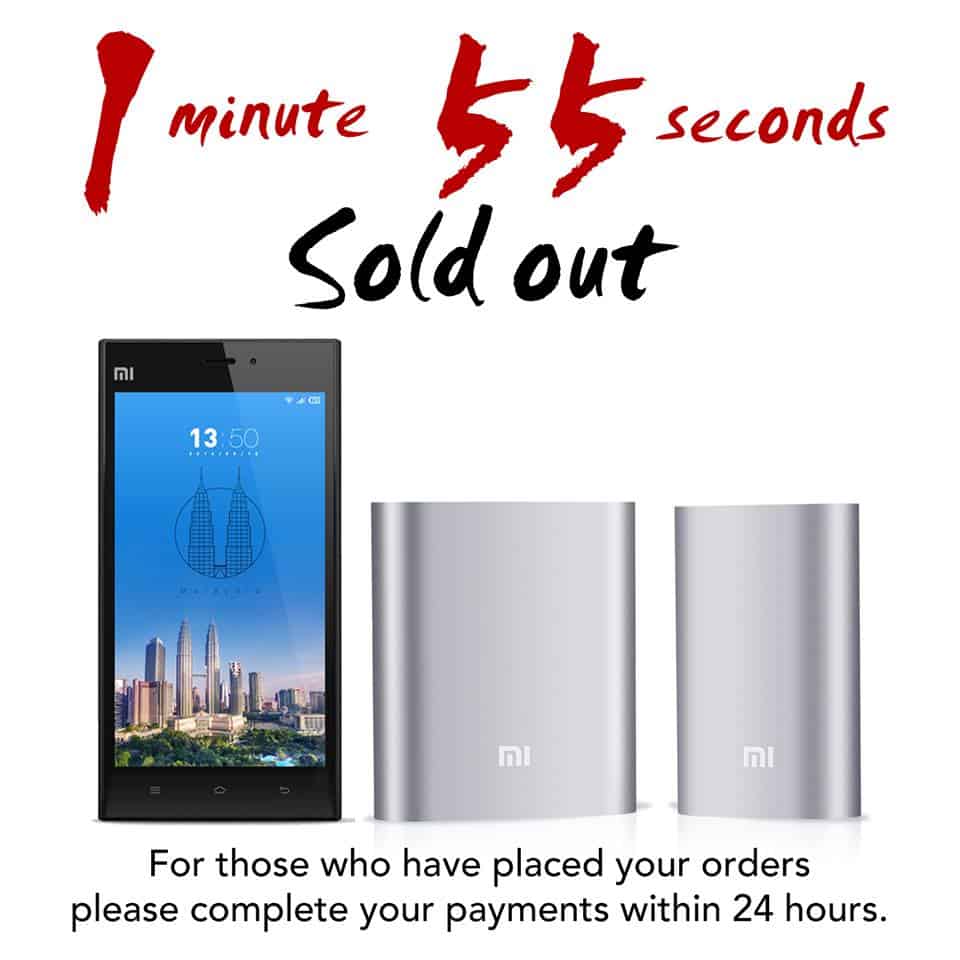
In Malaysia it is not decided yet which Chinese manufacturer will be the more dominant. Xiaomi gained a lot of popularity recently with their weekly Flash Sales, in which thousands of their devices regularly sell out in a few minutes.
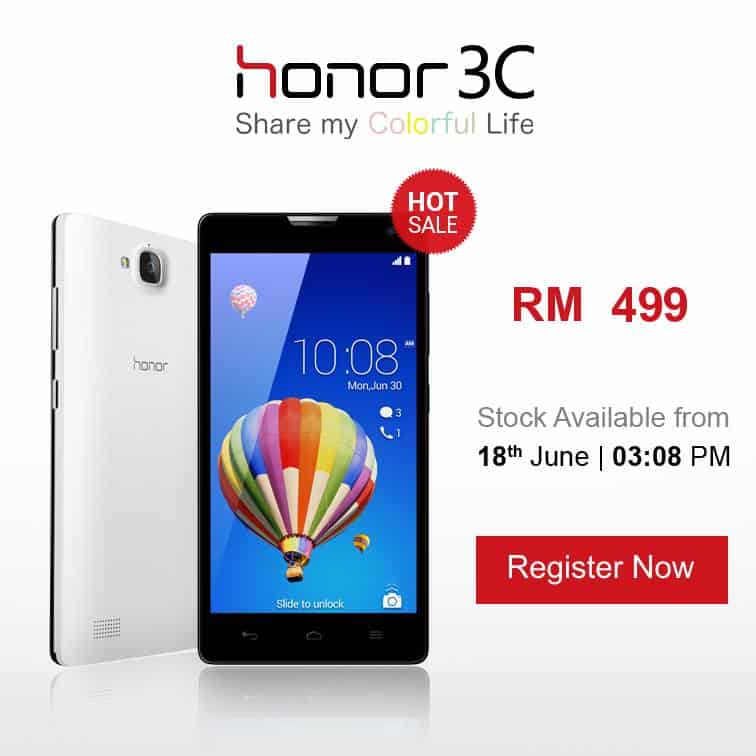
But Huawei’s devices, especially the RM499 Honor 3C seem to be equally popular. For the Malaysian Customer the more exciting question might be if both companies can make sure that they can deliver enough stock for the Market. Otherwise Apple and Samsung will stay longer very lonely as the Top Mobile Phone Manufacturers.
What do you think who will be the dominant brand in Malaysia? Huawei or Xiaomi ?
You May Like
-
Nokia Maze Xtreme 2026 Specs: 200MP Cameras, 12000mAh Battery!
-
Nokia XS Max 2026 Specs: 200MP Cameras, 10600mAh Battery!
-
Nokia P1 Lite 2026 Specs: 200MP Cameras, 11000mAh Battery!
-
Nokia Flash 2026 Specs: 16GB RAM, 200MP Cameras!
-
Sony Xperia Ultra Max Pro Specs: 200MP Cameras, 19100mAh Battery!
-
Nokia A2 Pro Specs: 18GB RAM, 12000mAh Battery!
-
Nokia Royale Max Ultra 2026 Specs: 24GB RAM, 18700mAh Battery!
-
Nokia Play 2 Max 2026 Specs: 24GB RAM, 12000mAh Battery!
-
مواصفات Sony Ericsson Satio 2026: ذاكرة RAM بسعة 16 جيجابايت، وكاميرات بدقة 250 ميجابكسل!
XIAOMI MIPAD Vs Apple iPad Mini Retina
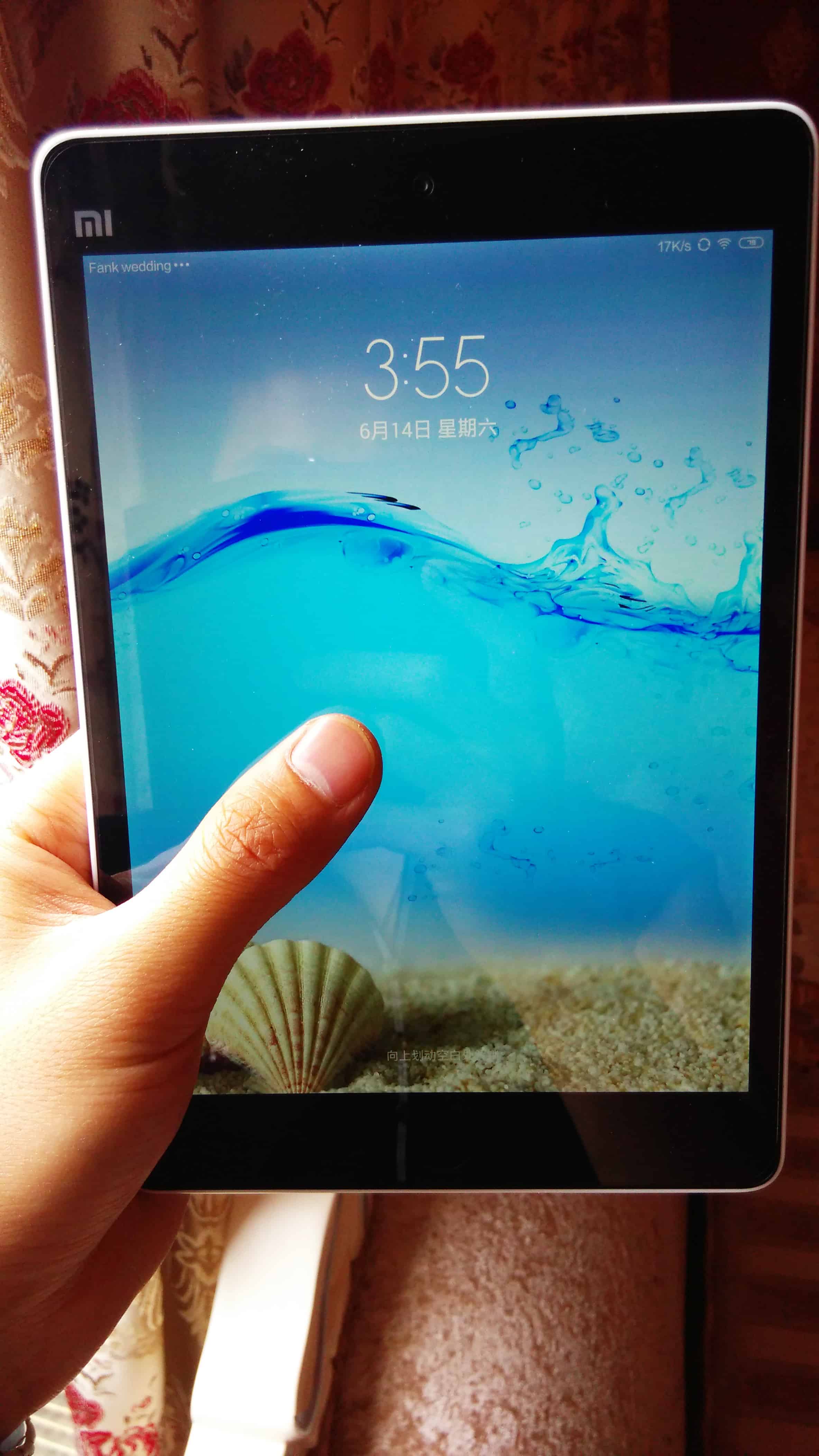
There are not much companies worldwide that can compete with Apple’s Product Series. Xiaomi Mi Pad, their first tablet was announced t o the public last month. Xiaomi’s Mi Pad has the same 7.9-inch screen size and even the same 2048 x 1536 resolution as the Apple Ipad Mini Retina for only RM776.
At the official launch event, both Xiaomi Founder Bin Lin and Global VP were seen using their MiPads and Mi3’s, Xiaomi is definitely not shy when presenting the MiPad to the press – so it might be soon that it comes to Malaysia.
Xiaomi Mipad Vs The Apple Ipad Mini Retina
Design
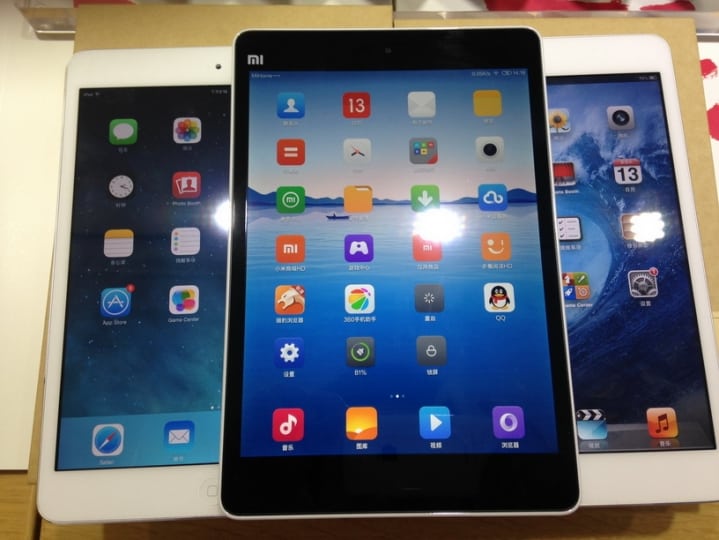
Both the Xiaomi MiPad and Apple Ipad Mini 2 look remarkably similiar. In fact the front of the two devices looks so similar that if you the user doesnt notice the Android’s classic 3 control buttons you might really think its an iPad Mini.
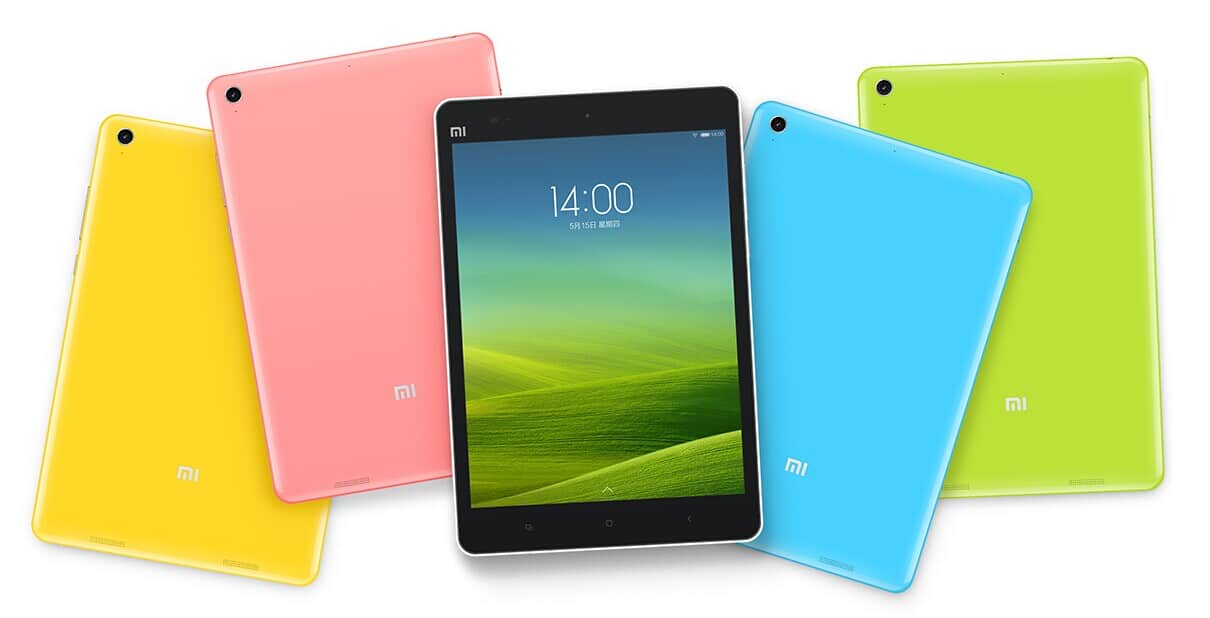
The Differences really start with the material of the Xiaomi MiPad. Xiaomi openly admits that they are using the same cover technology as with the iPhone 5C series. That means that the Xiaomi MiPad will be availaible in a lot of colors from quiet blue to passion pink.

The iPad Mini on the other hand uses typical Apple Aluminium which gives it a very premium feel, that we are used to from Apple. The rest of the specs are very comparable, with 360 gramm weight on the Xiaomi Mi Pad and 341 gramm weight on the iPad Mini and 7.9 inches display, both are easily portable.
Winner: Apple iPad Mini. While Xiaomi is doing a very good job in copying Apple’s design, its hard to beat Apple. Apple’s aluminium just looks more premium then the iPhone 5c technology used on the Xiaomi MiPad. The MiPad still looks great, especially through all the color choices.
Xiaomi Mipad Vs The Apple Ipad Mini Retina Display
The Xiaomi Mi Tablet and Apple Ipad Mini utilize both an 7.9 inches retina display with a resolution of amazing 2048 × 1536.
The Pixel Density is the same on both as well with up to 326 ppi.
For the price of under RM1000 this is simply amazing. Please see some screenshots of The Amazing Spider-Man, Dungeon Hunter 4 HD played on the MiPad. We tend to say that the game quality looks even better on the Xiaomi MiPad then on the iPad Mini with 2048 × 1536 resolution and mighty Nvidia Graphics included.


Winner: Tie. Both the MiPad and Ipad Mini come with an amazing 7.9 inches retina display with a resolution of amazing 2048 × 1536 and 326 ppi. Who ever tested an iPad Mini before knows about the amazing display quality and in our first hand on, the MiPad is at least similar to the Mini. We would even say in combination with the strong Graphics CPU the Xiaomi MiPad is slightly better.
Xiaomi Mipad Vs The Apple Ipad Mini Hardware and Specs
Lets come to the most important part, the hardware and specs. The Xiaomi MiPad is the first tablet ever to use an NVIDIA Tegra K1 quad-core 2.2GHz ARM Cortex-A15 processor. The really special thing about the Tegra K1 is the 192-core NVIDIA Kepler GPU, the same Graphic Unit, found on the most powerful PC gaming systems.
Xiaomi MiPad Specs
SCREEN: 7.9inch, IPS,2048 x 1536 , 326ppi.
CPU: NVIDIA Tegra K1 (Quad core processors) 2 .2GHz ARM Cortex-A15
GPU: 192 pieces NVIDIA CUDA® (core) NVIDIA Kepler(architecture) GPU
RAM: 2GB LPDDR3
ROM: 16GB/64GB(2 kind editions) ,Micro SD(TF)was supported(0-128GB).
WLAN: AC dual band 2X2 antennas,802.11/b/g/n/ac was supported.
Bluetooth: Bluetooth® 4.0, Bluetooth HID
Wi-Fi: Wi-Fi Display,Wi-Fi Direct,5GHz Wi-Fi
Camera(back): 8 Megapixels
Aperture: f2.0
Camera (front): 5 Megapixels
Both cameras (front and back) support 1080p HD video recording
Battery: 6700mAh lithium-ion battery
Sensors: Gyroscope; Light sensor; Accelerometer; Proximity sensor; Electronic compass;
Video Recording: 1080p HD video recording
Operating System: MIUI for Pad (based on Android 4.4.2)
According to Nvidia The K1 is better then the Xbox 360 and the PS3, while consuming much less energy. That means in combination with the 2048 × 1536 Retina Display the Xiaomi Mi Tablet is the ultimate Gaming Tablet.
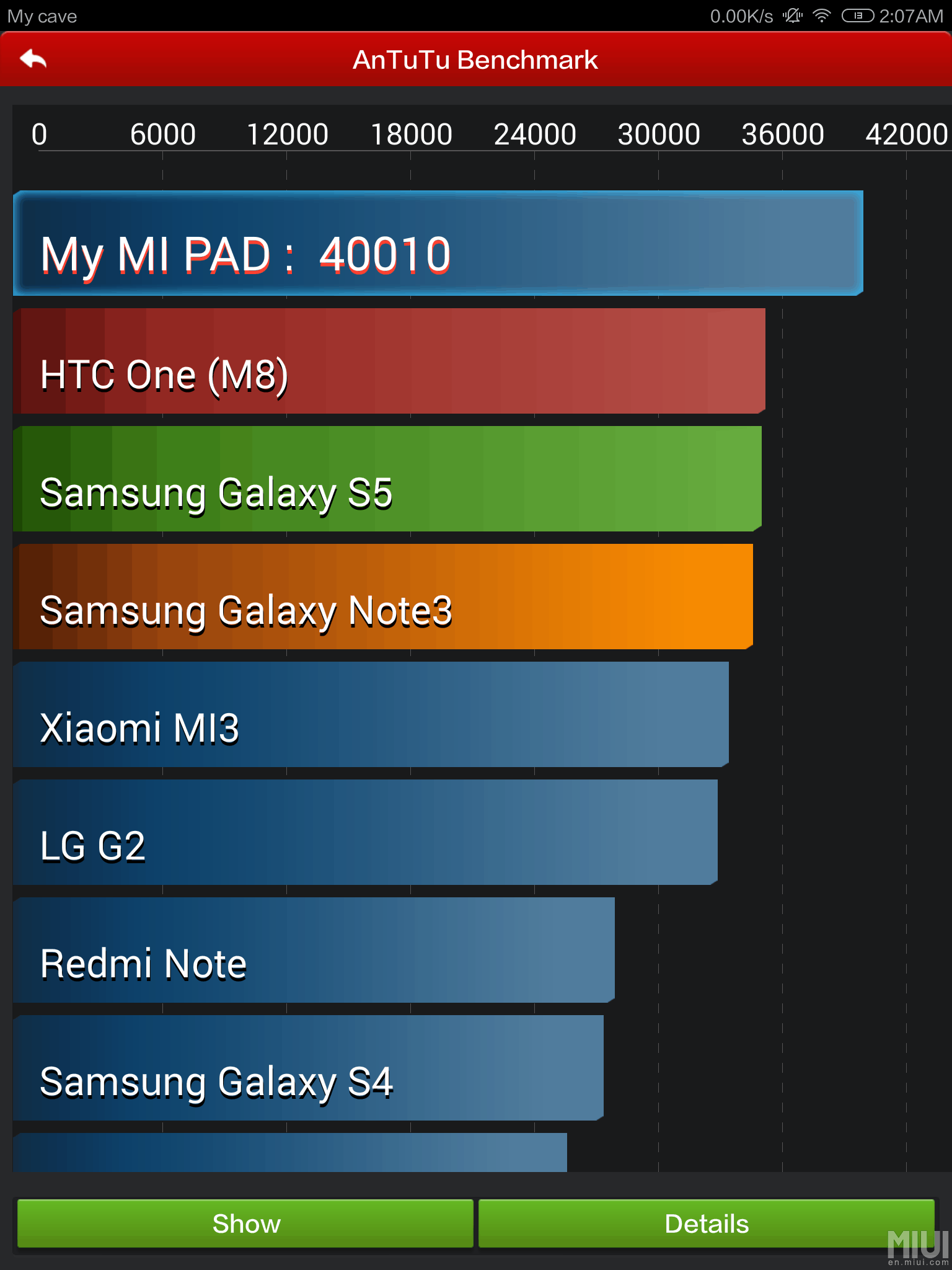
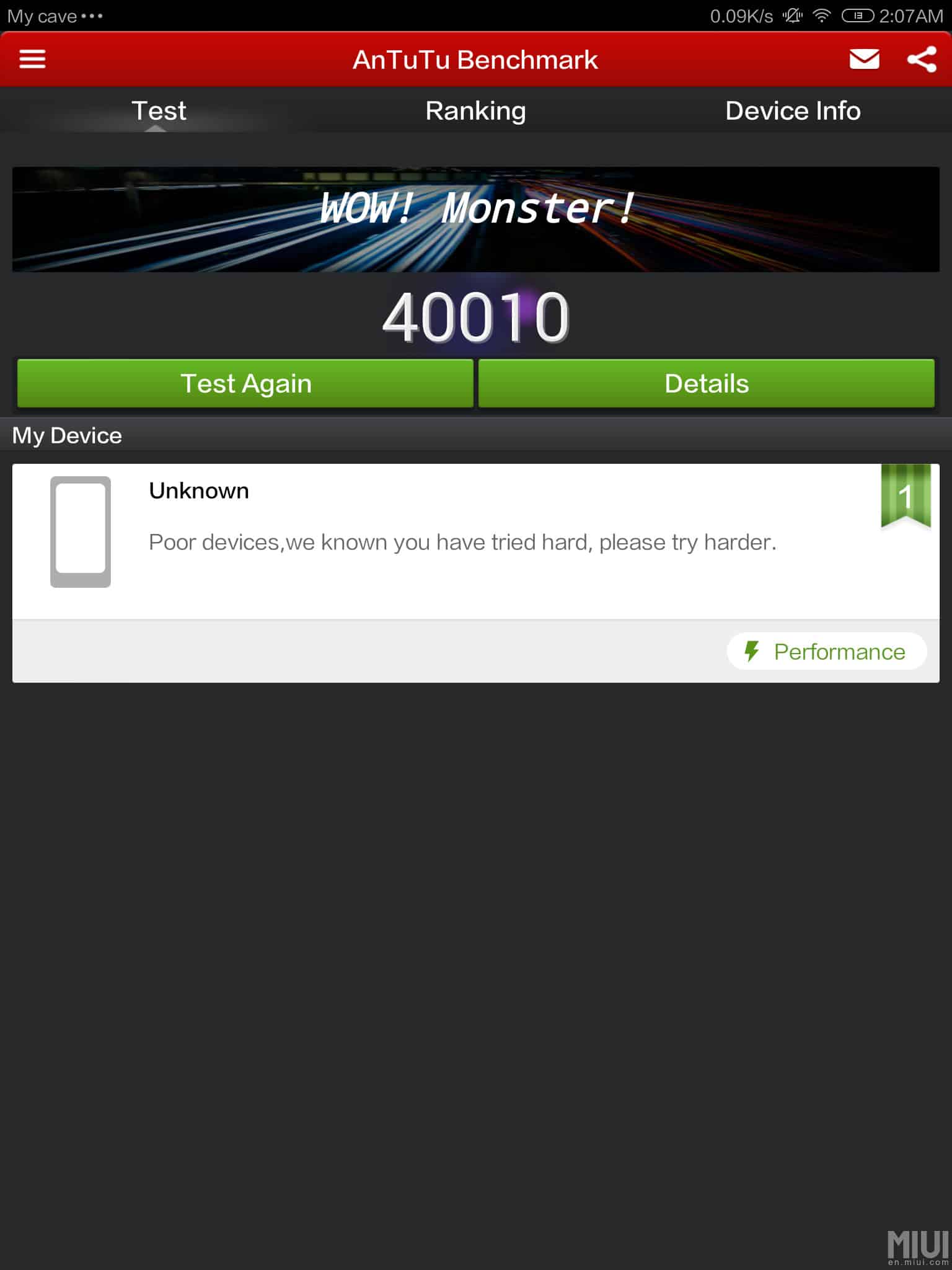
Lets get back to the comparison of Xiaomi Mipad Vs The Apple Ipad Mini. The Nvidia Tegra K1 Quad Core processor is definitely much more powerful then Apple’s dual core Apple A7 with 64-bit architecture at 1.3 Ghz. On Top Of that the Xiaomi Mi Tablet features 2GB of RAM vs the 1GB of RAM on the Ipad Mini. The Xiaomi MIPad gets an impressive Antutu Score of 40010.
For internal storage the Xiaomi Tablet comes with 16GB or 64GB. The internal storage can be extended via Micro SD. The iPad Mini has a internal storage sells in version from 16GB to 128GB and cannot be extended via Micro SD.
The Xiaomi Mi Tablet comes with an huge 6700 mAH battery. This huge battery should definitely last more then two days at full usage. The Ipad mini uses a 23.8 Wh battery which will give you ca 10 hours of full usage.
Winner: Xiaomi MiPad. The Xiaomi Tablet is hardcore specs packed. Especially the Tegra K1 with 192 Core Kepler GPU beats in benchmarks not only Apple but also easily the Snapdragon 801 on the Samsung S5 and LG G3. In combination with the Retina Display the Xiaomi Mi Tablet is a real Gaming Machine.
Camera and Pictures
The Xiaomi Mi Tablet comes with a 8 Megapixel Rear Camera from Sony F2.0 large aperture and a 5 Megapixel front Camera for Selfies. First tests seem to show some problems with focus and noise. The Camera Sensor from Sony and Hardware seem to be allright so its most likely an Software problem of the beta version.
Pictures taken with Xiaomi MiPad


The iPad Mini on the other Hand uses a 5 Megapixel Rear Camera and an 1.2 MP Front Camera for Selfies. The Picture Quality on the iPad Mini is great, like we know it from Apple. Even though it has only 5 Megapixel versus the 8 Megapixel of the Xiaomi Tablet it makes great pictures in astonishing definition.
Apple Ipad Mini Retina Camera Sample

Winner: Xiaomi Mi Tablet. While there are still some software problems Xiaomi’s 8Megapixel and 5MP Front Camera just beat Apple’s 5MP and 1.2 MP for Selfies. Especially in times of Selfies, 1.2 Megapixel is not enough for the iPad Mini Price in malaysia.
Xiaomi Mipad Vs The Apple Ipad Mini Retina Software
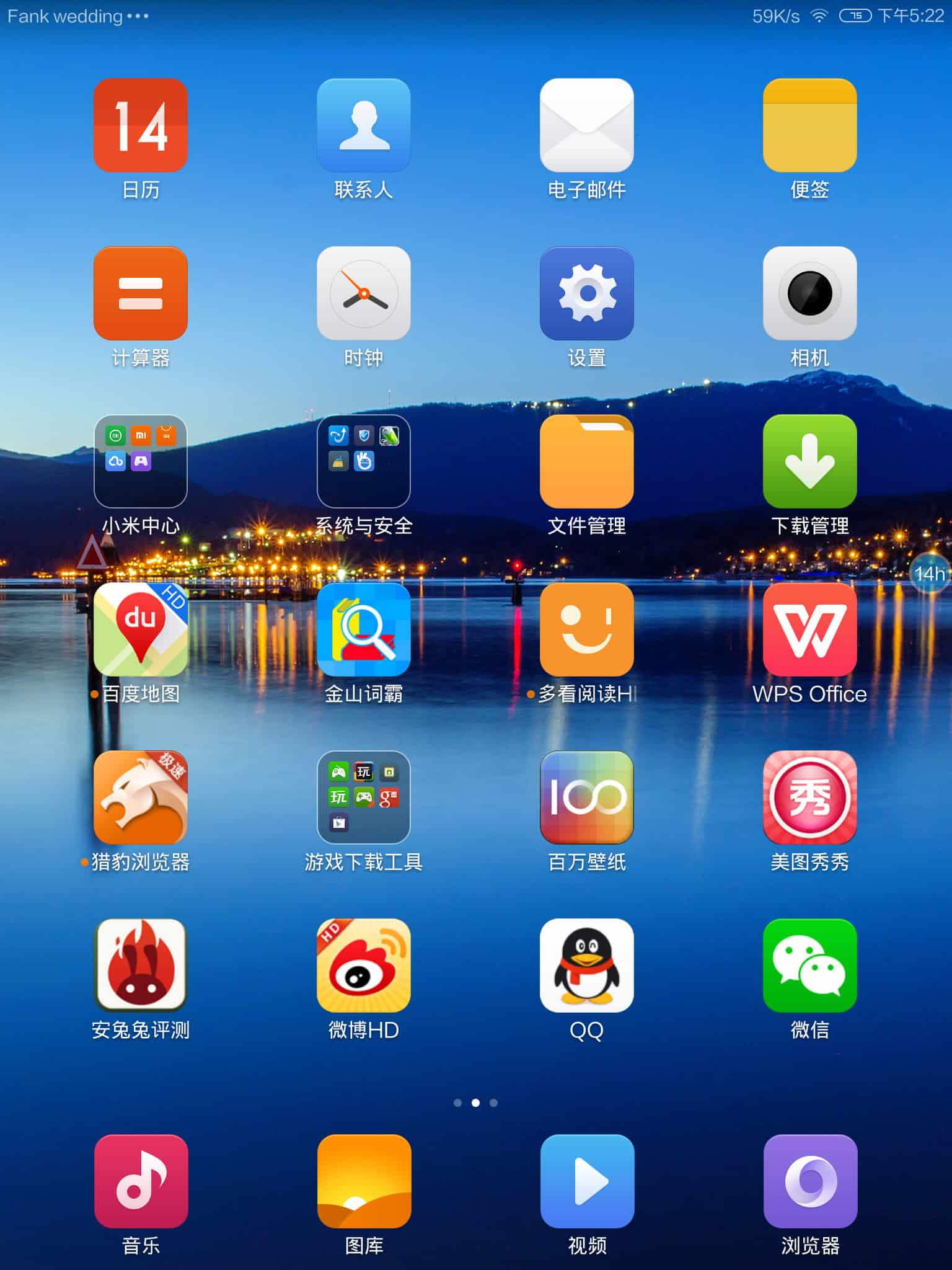
Xiaomi’s Tablet runs on MIUI V5 which is a CUSTOM ROM and combination of Stock Android and Android 4.4. Xiaomi made quite some changes like removing the App Drawer and other design tweaks. They are shooting for maximum customization options while keeping it simple for new Android users. The MIUI V5 is a great OS and reminds actually a lot on iOS 7.
The Apple iPad Mini runs on iOS 7. I guess we dont have to say to much for iOS 7. Android fans will criticize that there are not much customization options. But iOS 7 and generally Apple’s OS is flat out the best operating systems out there. Things just work.
Winner: Apple iPad Mini 2. That was a close one. MIUI V5 is very good, especially with the customization options. It is definitely much better then Samsung’s Touch Wiz or HTC Sense. Apple’s iOS is still a tad better and just works 99% of the time, while Android has still some inherent problems.
Xiaomi Mipad Vs The Apple Ipad Mini PRICE in Malaysia
Lets come to the most interesting part. According to Xiaomi Global VP Barra, their product pricing will be as close as possible to China in Malaysia. That means that the Xiaomi Mi Tablet Price in Malaysia will be as low as RM776 for 16GB Version. The iPad Mini with Retina sells at RM1279 for the basic WiFi 16GB version. The iPad Mini Retina 128GB version sells for RM2249.
Winner: Clearly Xiaomi MI Pad. On the Mi Pad the user get much better specs for 40% less price. Thats a clear one.
Overall Winner:
Xiaomi MiPad. Taking the danger that Apple fanboys will hate us, the Xiaomi Tablet is clearly the Winner in this Comparison. At a Price of RM776 for the basic version you get the a Retina Display, and the most powerful mobile processor in the market.
This Combination makes the Xiaomi Mi Pad an enormous powerful Gaming machine. And also for every day use it is a clearly better choice then most other Android tablets on the market. Lets hope it will launch in Malaysia soon with enough stock as well.

You May Like
-
Nokia Maze Xtreme 2026 Specs: 200MP Cameras, 12000mAh Battery!
-
Nokia XS Max 2026 Specs: 200MP Cameras, 10600mAh Battery!
-
Nokia P1 Lite 2026 Specs: 200MP Cameras, 11000mAh Battery!
-
Nokia Flash 2026 Specs: 16GB RAM, 200MP Cameras!
-
Sony Xperia Ultra Max Pro Specs: 200MP Cameras, 19100mAh Battery!
-
Nokia A2 Pro Specs: 18GB RAM, 12000mAh Battery!
-
Nokia Royale Max Ultra 2026 Specs: 24GB RAM, 18700mAh Battery!
-
Nokia Play 2 Max 2026 Specs: 24GB RAM, 12000mAh Battery!
-
مواصفات Sony Ericsson Satio 2026: ذاكرة RAM بسعة 16 جيجابايت، وكاميرات بدقة 250 ميجابكسل!
XIAOMI REDMI NOTE VS Samsung Galaxy Note 3 Neo
Xiaomi Malaysia sells not only the very popular Xiaomi Redmi 1S phone but also the Phablet Xiaomi Redmi Note to Malaysia. The XIaomi Redmi Note is definitely popular in Malaysia, due to its very large screen and high specs for an awesome price of RM509 in Malaysia. In this test we compare the Xiaomi Redmi Note vs Samsung Galaxy Note 3 NEO.
Xiaomi Redmi Note VS Samsung Galaxy Note 3 NEO
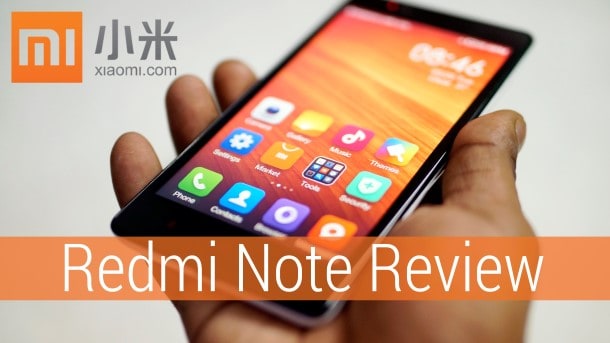
Design
Both Smartphones the Samsung Galaxy Neo 3 and the Redmi Note utilize plastic covers. The Galaxy Note Note 3 Neo’s design is similar to the Galaxy Note 3. It also comes with the faux leather cover on the rear plus the speaker grill is placed at the bottom of the mobile. Compared to the Note 3 it sill uses normal Micro USB instrad of micro USB 3.0.
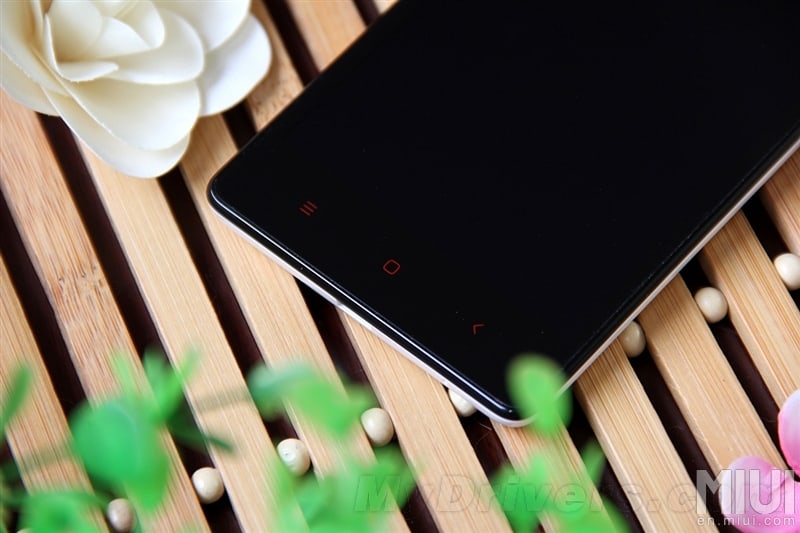
The Xiaomi Redmi Note has a similar Design to the Redmi 1. At the bottom of the display it has red capacitive buttons with back light, that are visible in the dark. Most of the buttons have the same place as on the Xiaomi Mi3, so switching devices gets easy.
With 154 x 78.7 x 9.45mm the Redmi Note is a bigger then the Samsung Galaxy Note Neo (48.4 x 77.4 x 8.6mm) and also bit heavier with 199g versus 162g.
The Xiaomi Redmi Note phablet feels pretty light at 199gramm though. Compared to the Neo it doesnt come with faux leather, but with a glossy finish. The Glossy finish is matter of taste, but some users seem to mind that it has less grip then the matte cover on other Xiaomi mobiles like the Redmi 1S.
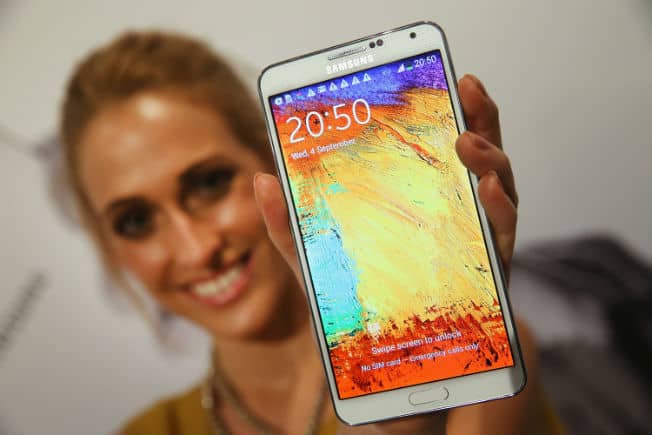
Winner: Tie. Both phablets are made of plastic and have a very simple design. With 5.5 inch screens they are both at the same size, even if the Xiaomi Redmi Note is a bit heavier. If you like faux leather or glossy finish more, is a simple matter of taste.
Xiaomi Redmi Note VS Samsung Galaxy Note 3 NEO Display
Both smartphones have a 5.5 inch HD displays with a resolution of 720 x 1280 pixels. As well both the Xiaomi Redmi Note and the Samsung Galaxy Note 3 Neo have the same pixel density of 267 ppi, which is not really much on a 5.5 inch screen.

The Samsung Note 3 Neo utilizes a 5.5 Super AMOLED screen, which they already use for other devices like Samsung S5. The pixel density of 267ppi is a bit low for a device of 5.5 inch. For example the LG G3 has also a 5.5 inch display but nearly double the pixel density of 538ppi.
On the other Hand the Xiaomi Redmi Note’s display is 5.5 inch HD IPS display. The 178° in-plane switching (IPS) technology ensures very high color quality from different viewing angles. Xiaomi also used Glass-film-film (GFF) archecture, so pixel are located closer to the glass, and colors will look like they pop off the screen.
Winner: Tie. Both Displays come with 5.5 inch displays and 1080p resolution. While Xiaomi uses IPS technology, Samsung uses Super AMOLED and users get very high quality screen. A critique point is that both smartphones have a low pixel density of 267ppi on a 5.5 inch screen, which might affect the user experince.
Xiaomi Redmi Note vs Samsung Galaxy Note 3 Neo Hardware and Specs
Lets come to one of the most important points, the hardware and specs. The Xiaomi Redmi Note in its enhanced version comes with
octa core MTK 6592 CPU clocked at 1.7 Ghz and Mali 450 GPU. Xiaomi claims that it is 53% then the older Redmi Note. The Xiaomi Mobile also has 2GB of RAM.
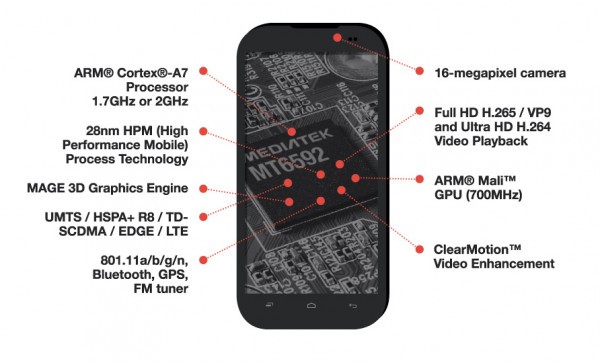
Samsung Note 3 NEO is powered by a hexa core Exynos 5 processor and ARM Mali-T624 GPU. The Processor is a combination of dual-core 1.7 GHz Cortex A15 processor and Quad-core 1.3 GHz Cortex A7. The Note 3 NEO has also 2GB of RAM.
The Antutu Score for the Galaxy Note 3 NEO is at 29382 points. In another benchmark the enhanced Xiaomi Redmi Note Antutu scores 28612 points.
Samsungs Galaxy Note 3 NEO
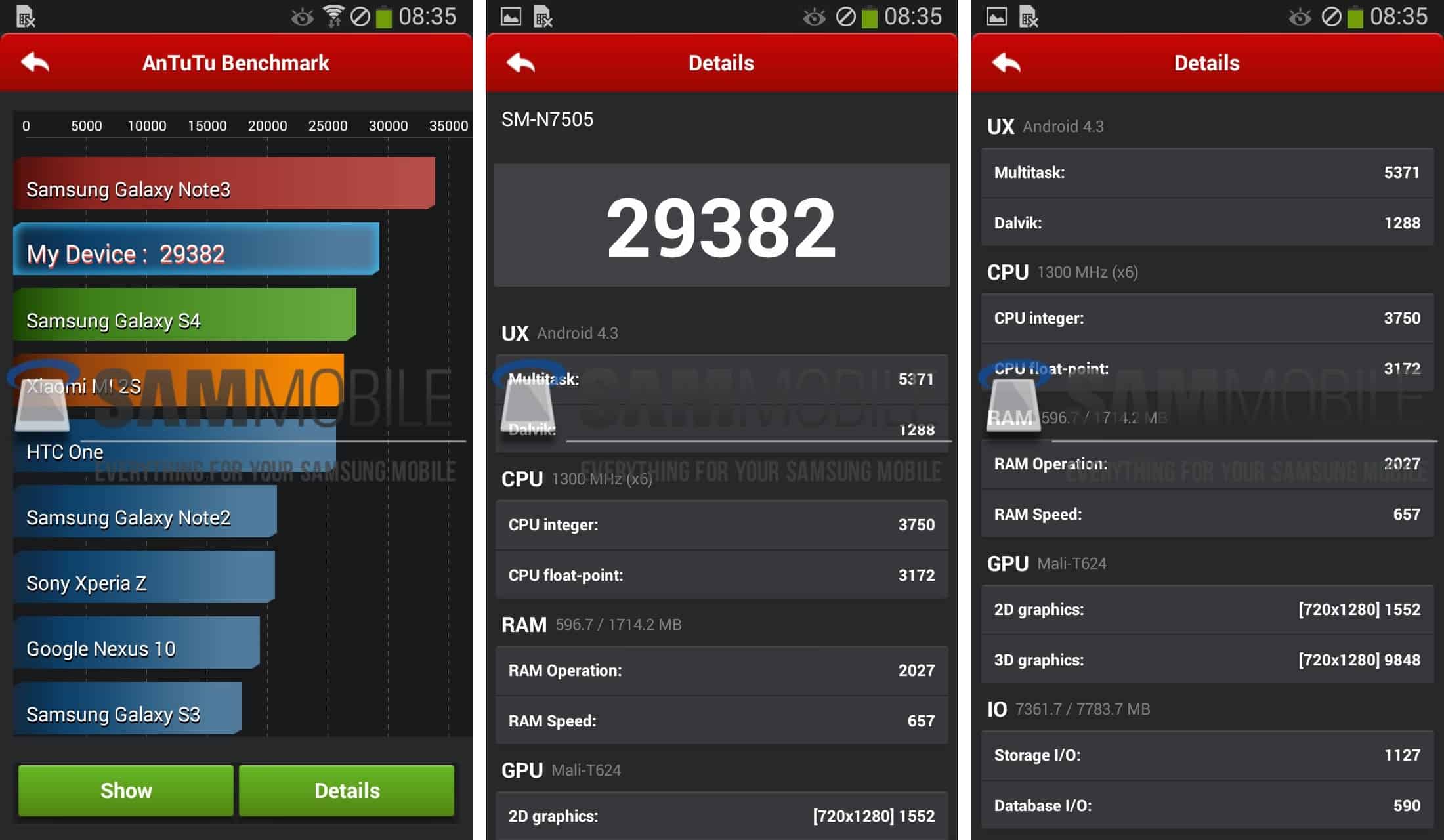
Xiaomi Redmi Note Antutu
The Internal Memory of the Xiaomi Redmi Note is at 8GB and can be extended up to 32GB via Micro Sd. Samsung’s Note comes with 16GB in the basic version an can be extended up to 64GB via Micro SD.
In terms of battery life the Xiaomi Mobile is sligtly larger with 3200 mAH vs the 3100 mAH on the Samsung Device. Both batterys are definitely a huge improvement versus standard batterys on other smartphones these days.
Also the Xiaomi Redmi Note has Dual Sim Support.
Winner: Samsung Galaxy Note 3 Neo. This one was tough, considering the remarkable Price Difference, both mobiles come with similiar processor and full 2GB of RAM. In the end the Note 3 Neo is better in Antutu Scores and has a higher basic internal memory with 16GB. The Xiaomi Note has a slightly larger battery at 3200 mAH.
Camera and Pictures
Xiaomi equipped the Redmi Note with a stunning 13 Megapixel Main Camera. The sensor has ƒ/2.2 aperture and 28mm wide angle, so you be able to focus on objects in the foreground while softly blurring pictures in the background. Also for all fans of Selfies Xiaomi enhanced the Front Camera, and it now has a whopping 5 Megapixel.
The Galaxy Note 3 NEO Camera has 8 Megapixel for the Main Camera and 2 Megapixel for the Front Camera. Both Devices are able to take 1080p Full HD Videos.
Pictures Taken with the Xiaomi Redmi Note:




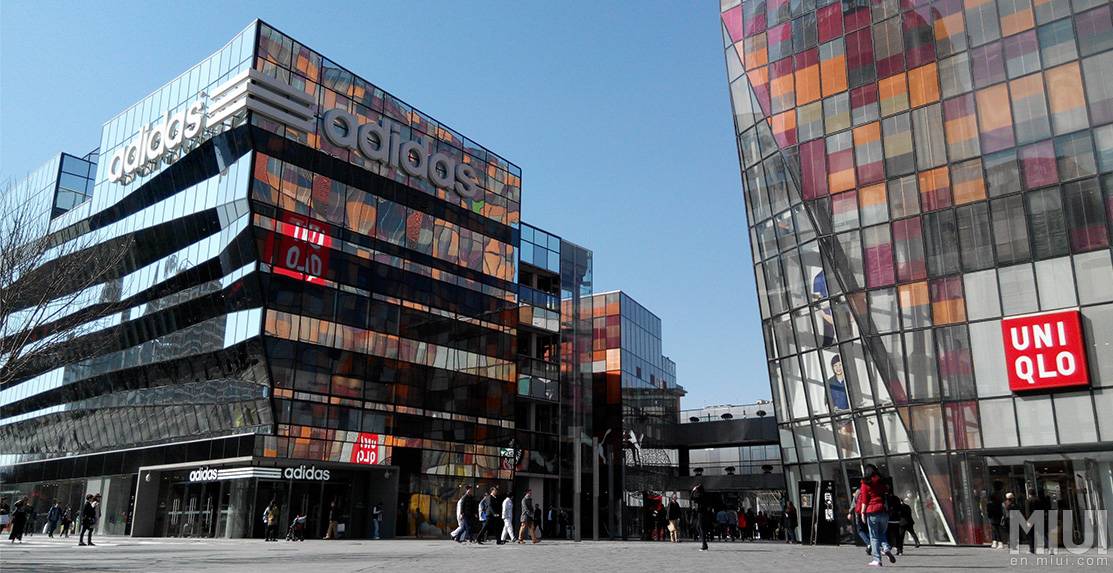
Winner: Xiaomi Redmi Note. As you can see on the pictures the Camera quality of the Note 13 MP Camera is truly out standing. Also 5MP Front Camera is a big plus in these popular Selfie Days. Both phones are able to take good quality pictures though.
Samsung Galaxy Note 3 Neo vs Xiaomi Redmi Note Software
The Redmi Note is running on MIUI V5 which is a Xiaomi custom ROM based on Android 4.3 and Android Open Source Project (AOSP). MIUI V5 has a lot of changes from stock android, especially removing the app drawer. Like a lot of users could already experience on the MI 3 the MIUI V5 has a lot of customization options, while keeping it simple for users who are new to Android. Its a great ROM.
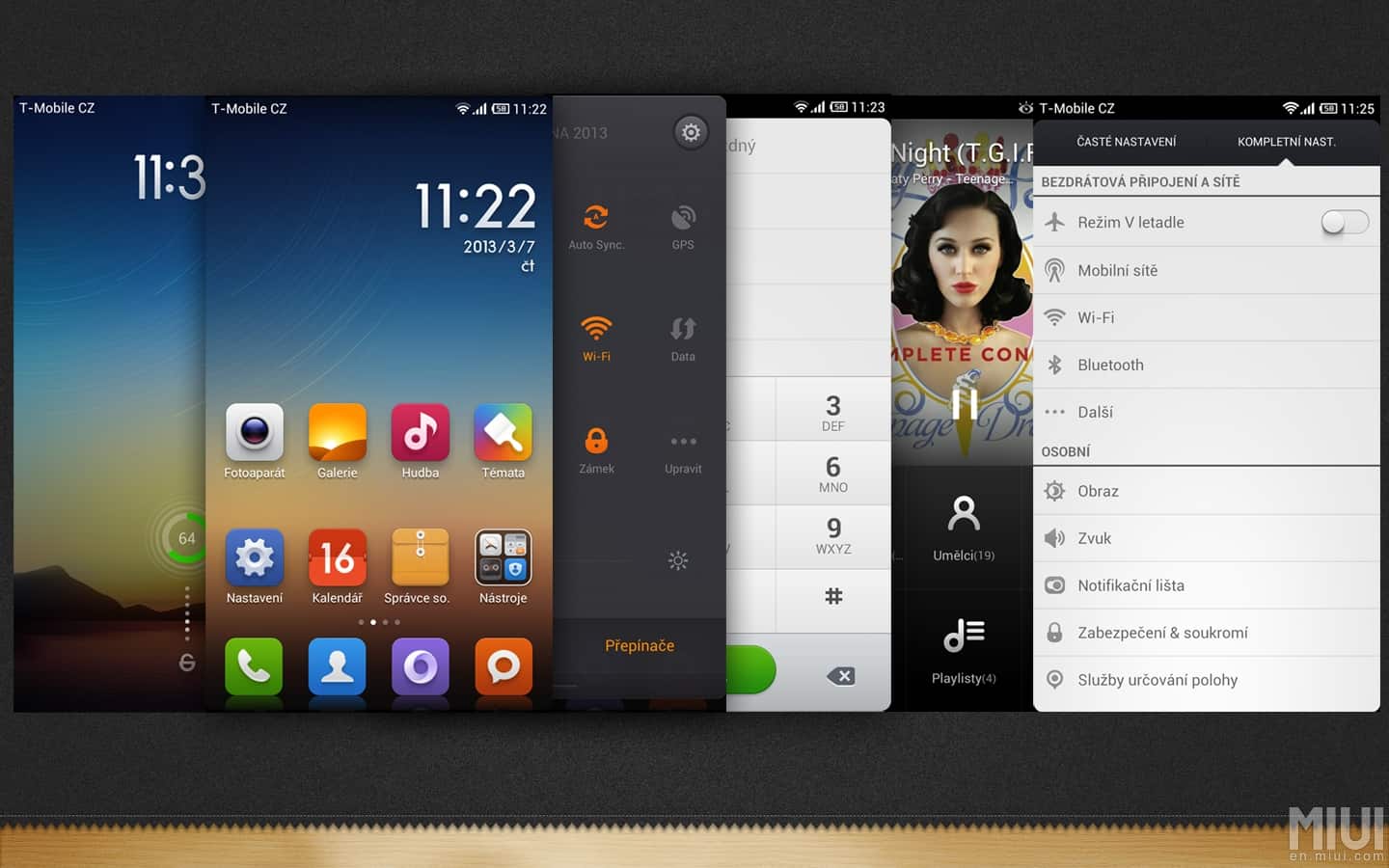
The Note 3 NEO is running on Android 4.3 Jelly Bean. Samsung also sports its characteristic Touch WIZ UI, which we know from other Samsung Smartphones. A lot of users complain on the internet though that the Touch WIZ UI is overloaded and does not offer many customization opportunities.
Winner: Xiaomi Redmi Note. MIUI V5 is a truly great custom ROM. Its well designed and offers a ton of customization opportuinites while keeping it essentially simple. Samsung’s touch WIZ UI on the other hand was criziced by a lot of users for the “stuffed” and overloaded feel.
Xiaomi Redmi Note Price in Malaysia
Lets get to the most important point for many users – pricing. The Galaxy Note 3 NEO sells at a price of RM1129 in Malaysia. While the price of the Xiaomi Redmi Note is not official. Xiaomi’s Hugo Barra said it will be priced as close as possible to other countries – that means the Redmi Note could sell as low as an impressive RM515.
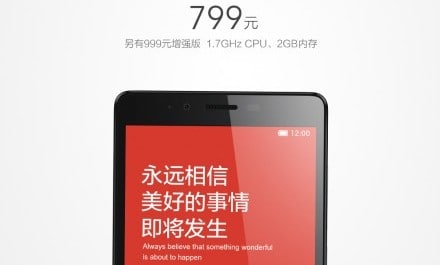
Winner: Xiaomi REDMI Note with a retail price of RM515 vs RM1129 of the Samsung Galaxy Note 3 NEO.
Overall Winner of Xiaomi Redmi Note vs Samsung Galaxy Note 3 Neo
Xiaomi Redmi Note is the overall winner for Malaysia We expect the Redmi Note to be priced at RM515. For this price you get a full blown 5.5 inch HD smartphone with Octacore processor, 2GB of Ram And Dual SIM. While The Samsung Galaxy Note 3 NEO is slightly better in benchmarks, the Redmi NOTE is sold at half the price and has signifcantly better 13MP Main and 5MP Front Camera.
We are excited for the Redmi Note to officially launch in Malaysia. As for the other Flash Sales users probably need to be very fast to buy one of the Xiaomi Note devices with limited stock availabilty.
You May Like
-
Nokia Maze Xtreme 2026 Specs: 200MP Cameras, 12000mAh Battery!
-
Nokia XS Max 2026 Specs: 200MP Cameras, 10600mAh Battery!
-
Nokia P1 Lite 2026 Specs: 200MP Cameras, 11000mAh Battery!
-
Nokia Flash 2026 Specs: 16GB RAM, 200MP Cameras!
-
Sony Xperia Ultra Max Pro Specs: 200MP Cameras, 19100mAh Battery!
-
Nokia A2 Pro Specs: 18GB RAM, 12000mAh Battery!
-
Nokia Royale Max Ultra 2026 Specs: 24GB RAM, 18700mAh Battery!
-
Nokia Play 2 Max 2026 Specs: 24GB RAM, 12000mAh Battery!
-
مواصفات Sony Ericsson Satio 2026: ذاكرة RAM بسعة 16 جيجابايت، وكاميرات بدقة 250 ميجابكسل!
Ninetology U9Z1T Smartphone Full Review and Hands On
Ninetology is a Malaysian Based Smartphone Manufacturer and famous for their low to mid tier smartphones in Malaysia. In 2013 their revenues were about MYR 180 million but they are targeting RM380 Million for 2014. While in other markets like Philippines, local brands like Cherry Mobile and MyPhone are insanely popular, local brands in Malaysia had a hard time so far fighting against Chinese Brands like Huawei and Xiaomi Lately.
This might be about to change. Ninetology just announced their First LTE smartphone for Malaysia the Ninetology U9Z1T phone. Lets check in this first review if Ninetology has a chance to compete against Huawei Honor 3C and Xiaomi Mi3 on the market.
Ninetology U9Z1T Review
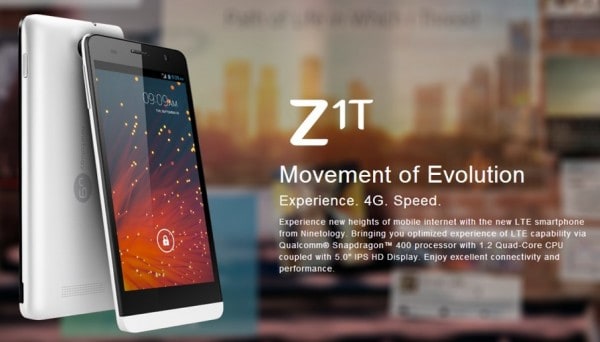
Design
From the first experience with the phone on the launch event the Ninetology U9Z1T gives a good first expression. The phone is made from plastic, but it does not feel cheap, especially compared to other Ninetology phones like the U9.
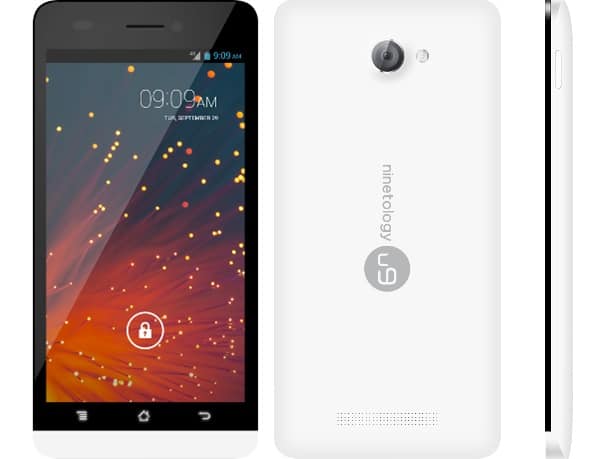
The overall design reminds a lot for the Blackberry Z10 and Z30 series actually, which is not a bad sign. Ninetology gave their phone also a matte finish which lets it look slightly more premium.
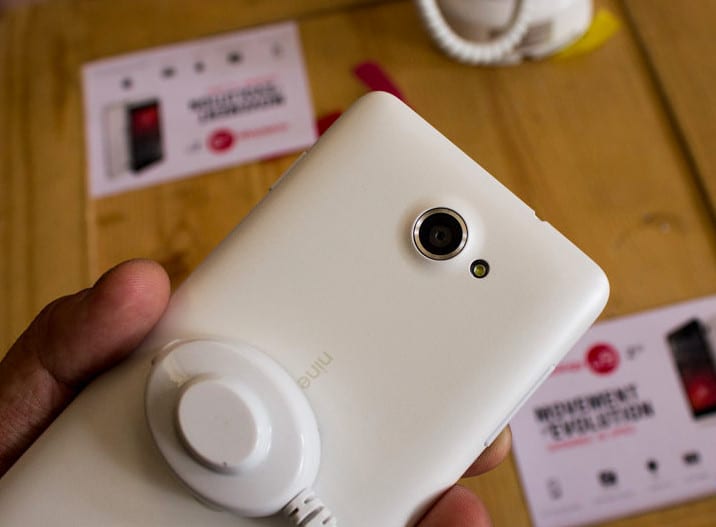
Summing up its a fairly standard design and more comparable to other plastic Smartphones like Samsung S4 or Lg G2, not really with Design Highlights like the HTC ONE Series. The Ninetology phone weights 164 gramm and comes with height 145 mm, Width of depth of 8.4 mm.
Display:
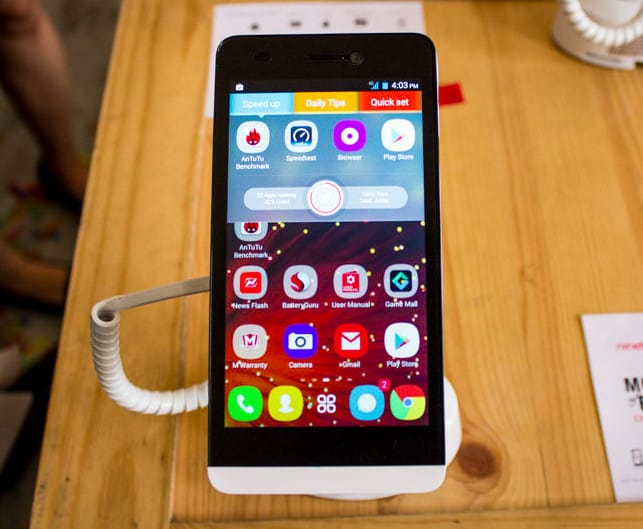
The Ninetology U9Z1T sports a 5.0 inch HD display with IPS Technology (In Plane Switching). The resolution is 720 x 1280 and the pixel density on the display is 294ppi. This means that the display of the Ninetology U9Z1T is very similiar to the RM499 Huawei Honor 3C smartphone. The IPS Display is very bright and directly recognizable, especially because of Ninetology’s custom OS NQ Live Launcher.
Ninetology U9Z1T Hardware and Specs
Lets talk about the most important part for any new smartphone, the hardware and specs. The U9Z1T utilizes an older model of the Qualcomm Series the Quad Core Snapdragon 400 which is clocked at 1.2 GHZ and equipped with Adreno 305 GPU. That means that the XIAOMI MI3 with Snapdragon 800 2.3GHZ is clocked 90% higher – at the same Price.
Other then Processor the Ninetology phone comes with 1GB of RAM and 8GB of internal storage. The Storage is extendable via Micro SD up to 32GB.
Ninetology U9Z1T Specs
- Processor: Snapdragon 400 Quadcore
- RAM: 1GB
- Internal Memory: 8GB
- Camera: 13MP/1.6MP
- Display: 5.0 inch Full HD 720p IPS Technology
The Battery Life is 2000 mAH which should last a single day at full usage, considering the Snapdragon 400 processor.
Camera and Pictures
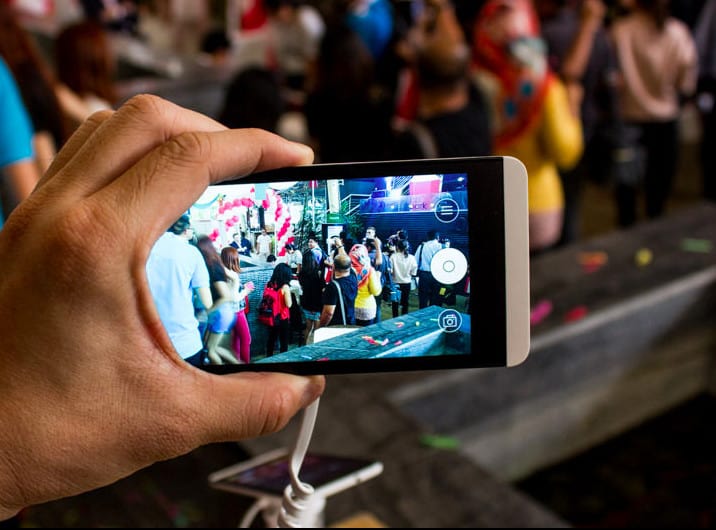
High Quality Cameras is where most Smartphone brands try to differentiate themselves. Ninetology built in an respectable 13 Megapixel Camera. For all fans of selfies the U9Z1T phone gets a 1.6MP Front Camera as well. Especially the 13 MP front camera is an improvement against competitors like the MOTO G 4G LTE, which sports only a 5MP Main Camera.

Software
Ninetology is not using Native Android UI. For their new smartphone they utilize NQ Mobile produced NQ Live Launcher on top of Android 4.3 OS. We spent just a limited time with the Unit, but the UI is definitely very colorful and has a fresh look to it.
The Usage was lag free and smooth. Even with the 1GB of Ram it doesnt seem to hurt the performance. But we need to wait till we can test one for a longer time.
Verdict:
The Ninetology U9Z1T is a proper medium Range smartphone with LTE technologt. It will sell immediately for RM899, and if you trade in your current smartphone you will get RM200 Rebate.
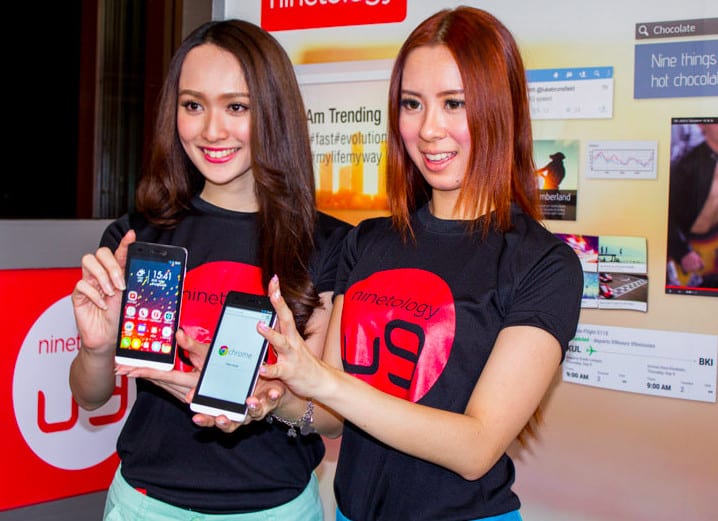
While the smartphone itself is an ok phone, we think it will have a hard time competing with the Huawei Honor 3C on the lower end, and the Xiaom MI3 on the higher end. The Huawei Honor 3C has comparable specs and is priced at RM499. The Xiaomi MI3 has significantly better specs and is priced only at RM769. So while this is one of the better Ninetology Smartphones, they are going to have a hard time to compete on the market.
You May Like
-
Nokia Maze Xtreme 2026 Specs: 200MP Cameras, 12000mAh Battery!
-
Nokia XS Max 2026 Specs: 200MP Cameras, 10600mAh Battery!
-
Nokia P1 Lite 2026 Specs: 200MP Cameras, 11000mAh Battery!
-
Nokia Flash 2026 Specs: 16GB RAM, 200MP Cameras!
-
Sony Xperia Ultra Max Pro Specs: 200MP Cameras, 19100mAh Battery!
-
Nokia A2 Pro Specs: 18GB RAM, 12000mAh Battery!
-
Nokia Royale Max Ultra 2026 Specs: 24GB RAM, 18700mAh Battery!
-
Nokia Play 2 Max 2026 Specs: 24GB RAM, 12000mAh Battery!
-
مواصفات Sony Ericsson Satio 2026: ذاكرة RAM بسعة 16 جيجابايت، وكاميرات بدقة 250 ميجابكسل!
[Update: Price Drop] Oppo Find 7 Smartphone Specs Comparison
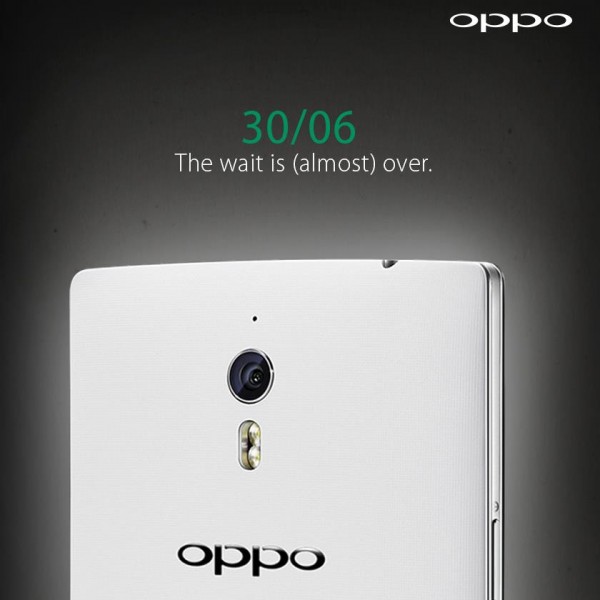
[Update @ June 24, 6:13pm] Oppo Malaysia just introduced a price reduction for the Oppo Find 7. More at the Update
Oppo Malaysia has announced that its flagship smartphone, the Find 7, will be coming to Malaysia at the end of this month, starting with the Peninsular before heading to both Sabah and Sarawak four days later.
The Find 7 from Oppo Malaysia will finally come to Malaysia end of the month. Oppo will start delivering it to the Peninsular first, before proceeding with Sabah and Sarawak a few days later.
Oppo Find 7 Comparison Malaysia
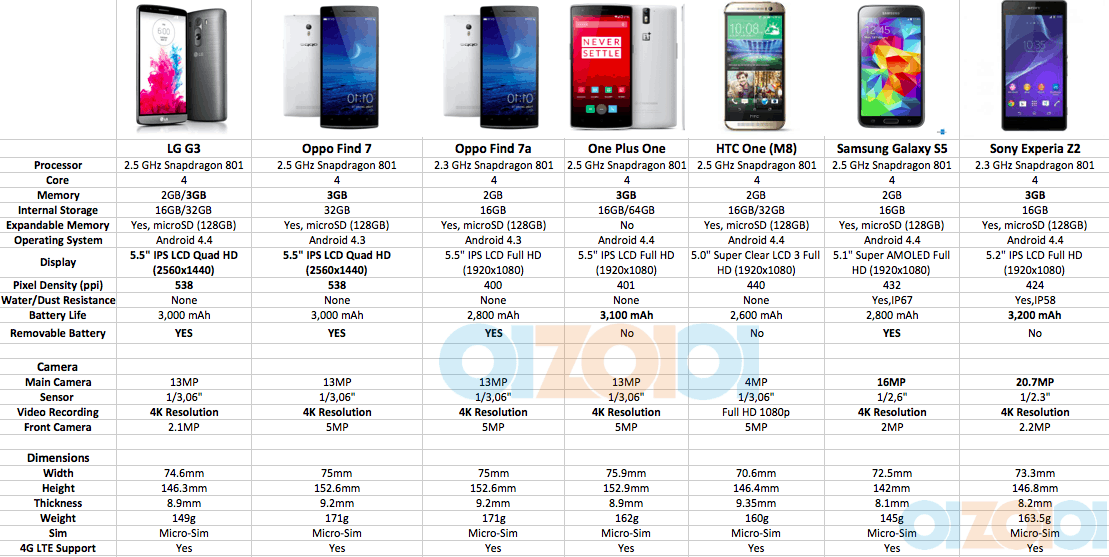
Oppo Malaysia officially launched the Find 7 and the Oppo Find 7 smartphones a month ago. So far only the lower speced Find 7a has been available. Back then Oppo Malaysia Officials said that the Oppo Find 7 mobile would be available end of June and they were 100% right.
Oppo Find 7 Smartphone Specs:
- Processor: 2.5 GhZ Quallcomm Snapdragon 801 Quad Core Processor
- Camera: 13 MP
- Display: 5.5 Inch IPS LCD Quad HD (2560×1440)
- RAM: 3GB
- Internal Memory: 32GB
Oppo just announced on their Facebook Fanpage that the Find 7 will be sold on the Peninsular from June 30th and in Sabah and Sarawak from July 4. The Oppo Find 7 will be priced at RM1998. Update: Oppo Malaysia will slash the price of the Oppo Find 7 by RM100. The official selling price when it comes to the stores end of the month will be RM1898.
You May Like
-
Nokia Maze Xtreme 2026 Specs: 200MP Cameras, 12000mAh Battery!
-
Nokia XS Max 2026 Specs: 200MP Cameras, 10600mAh Battery!
-
Nokia P1 Lite 2026 Specs: 200MP Cameras, 11000mAh Battery!
-
Nokia Flash 2026 Specs: 16GB RAM, 200MP Cameras!
-
Sony Xperia Ultra Max Pro Specs: 200MP Cameras, 19100mAh Battery!
-
Nokia A2 Pro Specs: 18GB RAM, 12000mAh Battery!
-
Nokia Royale Max Ultra 2026 Specs: 24GB RAM, 18700mAh Battery!
-
Nokia Play 2 Max 2026 Specs: 24GB RAM, 12000mAh Battery!
-
مواصفات Sony Ericsson Satio 2026: ذاكرة RAM بسعة 16 جيجابايت، وكاميرات بدقة 250 ميجابكسل!


