Author: chris eilers
Xiaomi Redmi Pro dual camera: Can it beat Huawei P9?
Xiaomi Redmi Pro is now available in most South East Asian markets! Besides 10-core processor and a budget price tag, this phone also sports a high-end feature: dual camera! Let’s have a quick review on Xiaomi Redmi Pro dual camera!

Xiaomi Redmi Pro dual camera review: Real-life shots
First of all let’s have a look back at Xiaomi Redmi Pro specs in the camera! This phone spots two cameras on the back. The main camera above features Sony IMX 258 sensor with 13MP resolution. The secondary camera supports 5MP resolution and is produced by Samsung. So overall Xiaomi Redmi Pro dual camera is the combination of Sony and Samsung, impressive enough! Moreover, this camera is assisted by phase detection autofocus and dual LED flash!
Now let’s move on to the real-life test! For outdoor photography, Xiaomi Redmi Pro takes better pictures than its predecessors! The photos taken are not “yellowed”. The color are more “real”. However, the details are not very clear when the photo is zoomed. In low-light condition, Xiaomi Redmi Pro dual camera shot acceptable photos when there are not many light source. But when there are, the photos appears quite poor!
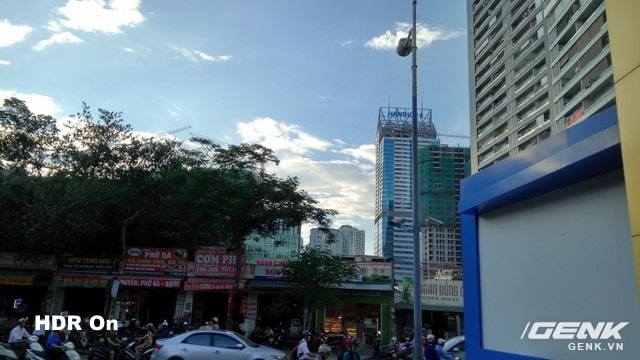
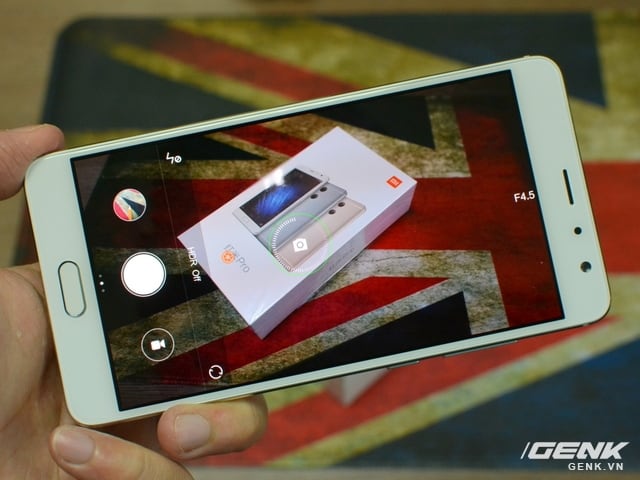
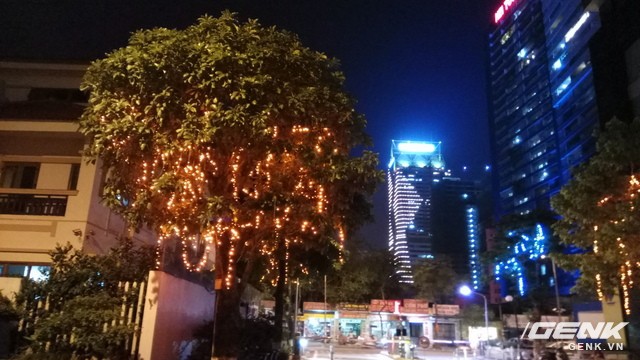
The HDR mode is a bonus for Xiaomi Redmi Pro dual camera. This mode really helps in reducing the extremes of highlights and shadows in the photos! After the HDR filter, the shadows look brighter and clearer, while the highlights are not overexposed like in many other budget phone cameras. You can take a look at the second picture above to see how well the HDR mode works!
Xiaomi Redmi Pro dual camera review: What does the dual-camera setup result in?
This is actually the best of Xiaomi Redmi Pro dual camera! This dual-camera setup is not for creating wider photo or sharper details. It is made to shot photos with better depth perception! This makes the background in the photo more blur, which is great! It also allows users to adjust the aperture! Wider aperture means more blur background. Moreover, you can “shot first, focus later” with this dual camera!
Source: Genk.vn
You May Like
-
 Nokia Maze Xtreme 2026 Specs: 200MP Cameras, 12000mAh Battery!
-
Nokia XS Max 2026 Specs: 200MP Cameras, 10600mAh Battery!
-
 Nokia P1 Lite 2026 Specs: 200MP Cameras, 11000mAh Battery!
-
Nokia Flash 2026 Specs: 16GB RAM, 200MP Cameras!
-
Sony Xperia Ultra Max Pro Specs: 200MP Cameras, 19100mAh Battery!
-
Nokia A2 Pro Specs: 18GB RAM, 12000mAh Battery!
-
Nokia Royale Max Ultra 2026 Specs: 24GB RAM, 18700mAh Battery!
-
 Nokia Play 2 Max 2026 Specs: 24GB RAM, 12000mAh Battery!
-
مواصفات Sony Ericsson Satio 2026: ذاكرة RAM بسعة 16 جيجابايت، وكاميرات بدقة 250 ميجابكسل!


Best 3GB RAM Phones with 20MP Camera
A smartphone with 3GB RAM is always good; it’s even better when it also has a 20MP camera. Today, we present to you what we think are the best 3GB RAM phones with 20MP camera.
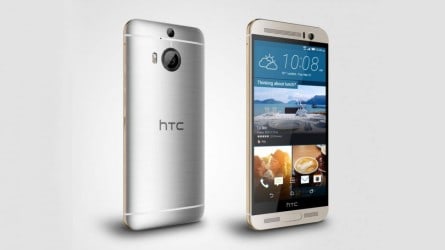
HTC One M9 Plus
If you have some knowledge about smartphones at all, you know this phone will be on the list of best 3GB RAM phones with 20MP camera. Its specs are as followed: MediaTek MT6795 chipset, octa-core 2.2Hz processor on 64-bit architecture, 3GB RAM (of course!), HTC Sense UI 7.0 on Android 5.0.2 Lollipop, supports LTE networks, and it has fingerprint sensor too. Regrettably, this phone only has 1 SIM slot and an average battery of 2840mAh capacity.
When it comes to best 3GB RAM phones with 20MP camera, HTC One M9 Plus is among the best when taking pictures. A 5.2-inch 2K display, coupled with 20MP main camera, aperture 2.2 F only means great pictures and videos. This phone can record 1920 x 1080 videos at 60fps. Amazing isn’t it? And the front camera is 4MP, 2.0 F aperture, with BSI Sensor; you can have nice selfies with this one too. Don’t forget, with 32GB storage, extendable up to 128GB, you have plenty of space for your photos and videos!
You May Like
-
Nokia Maze Xtreme 2026 Specs: 200MP Cameras, 12000mAh Battery!
-
Nokia XS Max 2026 Specs: 200MP Cameras, 10600mAh Battery!
-
Nokia P1 Lite 2026 Specs: 200MP Cameras, 11000mAh Battery!
-
Nokia Flash 2026 Specs: 16GB RAM, 200MP Cameras!
-
Sony Xperia Ultra Max Pro Specs: 200MP Cameras, 19100mAh Battery!
-
Nokia A2 Pro Specs: 18GB RAM, 12000mAh Battery!
-
Nokia Royale Max Ultra 2026 Specs: 24GB RAM, 18700mAh Battery!
-
Nokia Play 2 Max 2026 Specs: 24GB RAM, 12000mAh Battery!
-
مواصفات Sony Ericsson Satio 2026: ذاكرة RAM بسعة 16 جيجابايت، وكاميرات بدقة 250 ميجابكسل!
iOS phone VS Windows phone: which is the better choice?
Android smartphones are no questions the most popular in our market nowadays. However, when considering other operating systems in the top 3, would you rather buy an iOS phone or a Windows phone?
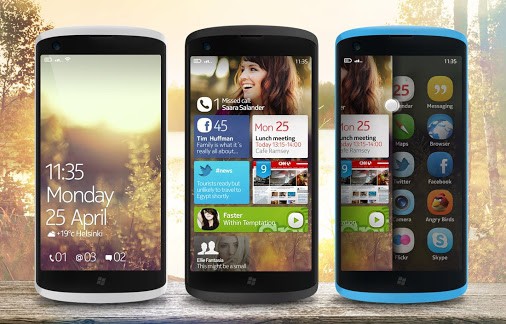
1 iOS phone VS Windows phone interface
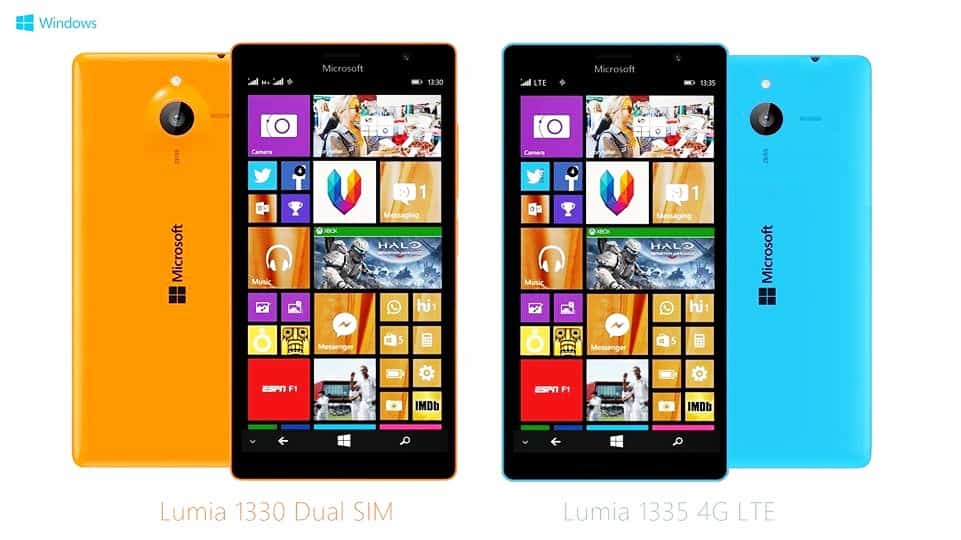
First of all, let’s compare user interface. After RAM and the core specs, the interface is the next important factor that helps decide which smartphone is suitable for the user. Back when Windows first launched their tile pattern, it received controversial feedback from customers because of the difficulty in operating. However, as Windows phones gradually grew in their prime time, the unique pattern started to become popular. Ever since Windows 8.1 OS update was rolled out, people began to really enjoy the UI. It gave the feeling that everything you need was ready on the home screen, and it was so easy to navigate with the tile system. That led to easy and fast multi-tasking, which gained Windows phone the reputation for office and business use they have nowadays.
Meanwhile, iOS user interface comes with their own, unique layout. The system offers beautiful icons, menu and wallpaper. It takes you a while to get used to how it works. But once you already get accustomed, you would find it easy to operate. However, when compared with what we have in Windows phone, iOS interface is left behind in terms of multi-tasking capability and its popularity in the market.
You May Like
-
Nokia Maze Xtreme 2026 Specs: 200MP Cameras, 12000mAh Battery!
-
Nokia XS Max 2026 Specs: 200MP Cameras, 10600mAh Battery!
-
Nokia P1 Lite 2026 Specs: 200MP Cameras, 11000mAh Battery!
-
Nokia Flash 2026 Specs: 16GB RAM, 200MP Cameras!
-
Sony Xperia Ultra Max Pro Specs: 200MP Cameras, 19100mAh Battery!
-
Nokia A2 Pro Specs: 18GB RAM, 12000mAh Battery!
-
Nokia Royale Max Ultra 2026 Specs: 24GB RAM, 18700mAh Battery!
-
Nokia Play 2 Max 2026 Specs: 24GB RAM, 12000mAh Battery!
-
مواصفات Sony Ericsson Satio 2026: ذاكرة RAM بسعة 16 جيجابايت، وكاميرات بدقة 250 ميجابكسل!
HTC Nexus S1 spots on Antutu with 4GB RAM+SND 820
After render, it’s time for HTC Nexus S1 specs. This phone has just shown up on Antutu with powerful specs. With 4GB RAM and SND 820, Google device will be the tough rival to the other phones.
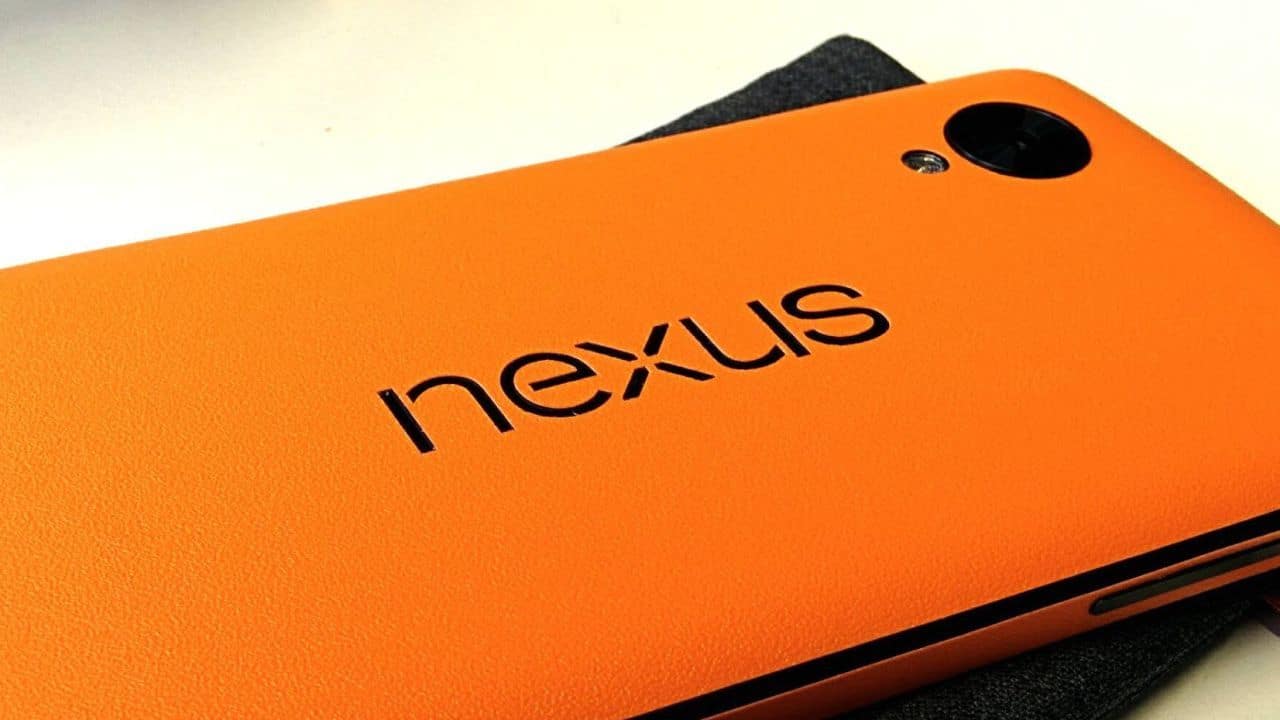
HTC Nexus S1: new Google flagship with 4GB RAM
The two new Nexus products of Google and HTC are two of the most awaited smartphones this year. These devices are promised to the best Google phones so far. Recently, one of the phones has just shown up on Antutu- Nexus S1. Early before, this phone used to appear in Geekbench with the name of Google Sailfish. And this HTC Nexus S1 specs on both Antutu and Geekbench are the same.
The phone is powered by a 1.59GHz quad-core SND 820 processor. To ensure the performance, the company added a 4GB of RAM paired with a 32GB of inbuilt storage. Google new phone will come with a 5-inch screen with the resolution of 1080 x 1920 px. There will be an 8MP selfie snapper along with a 13MP main camera. And of course, Sailfish will run on the latest OS – Android Nougat.
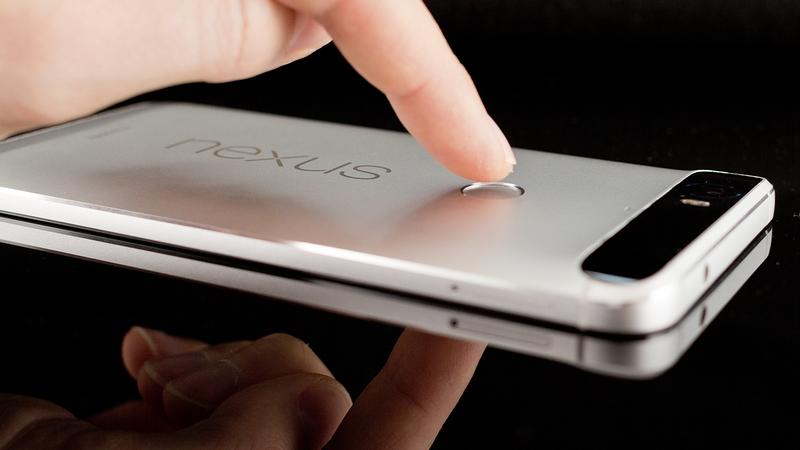
Being the Google flagship means it will have Google signatures. HTC Nexus S1 is not an exception. According to some leaks, Nexus handset will have a very special capacitive Home button. When you turn on Google Now, this button will turn into 4 different colorful small buttons. If you don’t use this mode, these small buttons will be back to the normal home button.
HTC Nexus S1: price and release date
After some renders, HTC Nexus S1 specs finally show up. This handset gets the best of both worlds: beautiful design and powerful specs. The younger sibling has come out. This means that Google Nexus Marlin will show up soon. HTC Nexus M1 and HTC Nexus S1 launch date will be in the winter this year. About HTC Nexus S1 price, it’s still a mystery. So, until that time, just wait and see what Google will bring us!
You May Like
-
Nokia Maze Xtreme 2026 Specs: 200MP Cameras, 12000mAh Battery!
-
Nokia XS Max 2026 Specs: 200MP Cameras, 10600mAh Battery!
-
Nokia P1 Lite 2026 Specs: 200MP Cameras, 11000mAh Battery!
-
Nokia Flash 2026 Specs: 16GB RAM, 200MP Cameras!
-
Sony Xperia Ultra Max Pro Specs: 200MP Cameras, 19100mAh Battery!
-
Nokia A2 Pro Specs: 18GB RAM, 12000mAh Battery!
-
Nokia Royale Max Ultra 2026 Specs: 24GB RAM, 18700mAh Battery!
-
Nokia Play 2 Max 2026 Specs: 24GB RAM, 12000mAh Battery!
-
مواصفات Sony Ericsson Satio 2026: ذاكرة RAM بسعة 16 جيجابايت، وكاميرات بدقة 250 ميجابكسل!
UMi Max comes with 5.5 inches and 4000mAh
UMi – a Chinese smartphone maker- has just brought its new product to the market – UMi Max. This phone is a new long battery smartphone in the market with a 4000mAh cell.
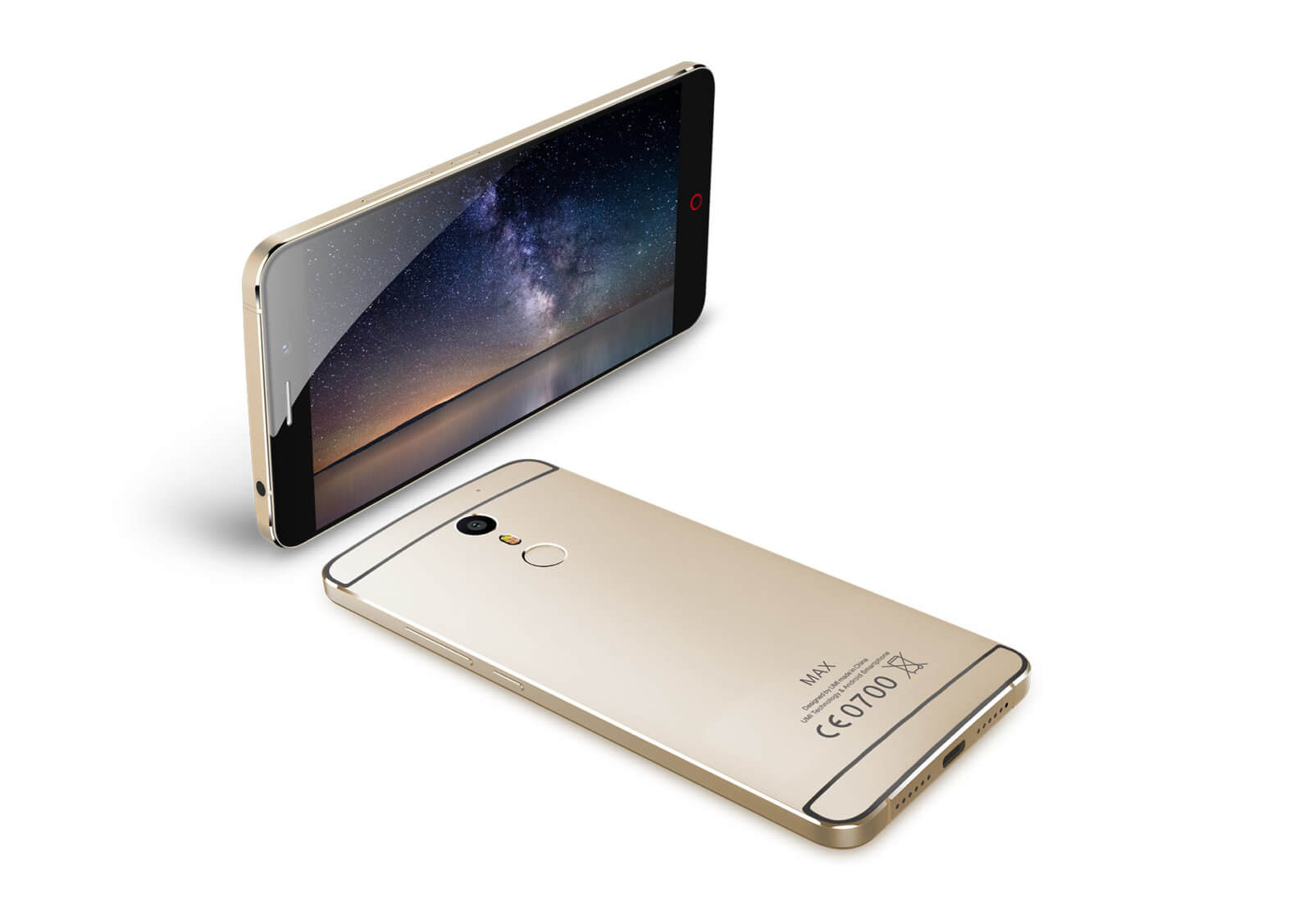
UMi Max: new beefy battery phone with 4000mAh
UMi is not a familiar name in the smartphone market, especially in the market where there are hundred of OEMs. It is just a small company. And they nearly don’t do the advertising campaign for their products. However, this doesn’t mean that their smartphones are not good as the others in the same segment. And UMi Max is a typical example. This is a new strong product of the company.
The phone shows up with a flashy design with a metallic unibody. Under this beautiful look, you’ll find its strong specs. The phone is powered by a 64-bit octa-core Helio P10 processor. To ensure the performance, the company added a 3GB of RAM paired with a 16GB of inbuilt storage. This memory can be expanded up to 256GB through a microSD card. The Max phone runs on Android 6.0 with UMi OS on top.
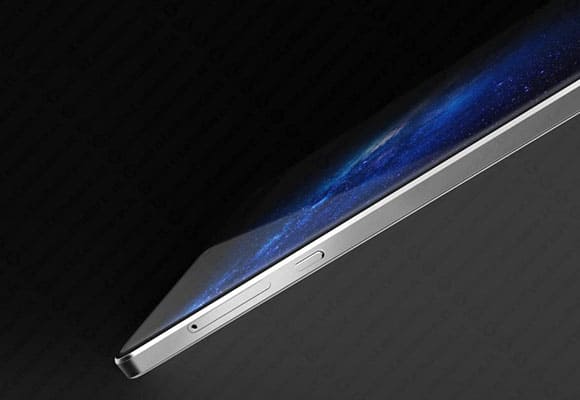
The UMi device comes with a 5.5-inch Full HD display coated with 2.5 curved glass. The most highlight spec of the handset is its beefy battery life – 4000mAh. In addition to UMi Max specs, there is a 5MP selfie shooter along with a 13MP primary camera. Besides, the phone also has a fingerprint sensor on the rear panel and a USB Type-C.
UMi Max: price
With a huge 4000mAH battery capacity, this new UMi phone will join the long battery life phone market. The phone will be the tough competitor to some devices in the same segment like Xiaomi Redmi 3 or Lenovo Vibe P1m. UMi Max is available in two colors: Gold and Grey. Aimed at budget segment, UMi Max price comes at about $170 ~ RM. 680. So, if you want an affordable hefty battery phone, go and have yourself this phone.
You May Like
-
Nokia Maze Xtreme 2026 Specs: 200MP Cameras, 12000mAh Battery!
-
Nokia XS Max 2026 Specs: 200MP Cameras, 10600mAh Battery!
-
Nokia P1 Lite 2026 Specs: 200MP Cameras, 11000mAh Battery!
-
Nokia Flash 2026 Specs: 16GB RAM, 200MP Cameras!
-
Sony Xperia Ultra Max Pro Specs: 200MP Cameras, 19100mAh Battery!
-
Nokia A2 Pro Specs: 18GB RAM, 12000mAh Battery!
-
Nokia Royale Max Ultra 2026 Specs: 24GB RAM, 18700mAh Battery!
-
Nokia Play 2 Max 2026 Specs: 24GB RAM, 12000mAh Battery!
-
مواصفات Sony Ericsson Satio 2026: ذاكرة RAM بسعة 16 جيجابايت، وكاميرات بدقة 250 ميجابكسل!
Cheap 2GB RAM phones with 3300 mAh battery
2GB RAM is strong enough for doing almost tasks on the smartphone. So, we list 5 cheap 2GB RAM phones with a nice 3300 mAH battery. Let’s check!
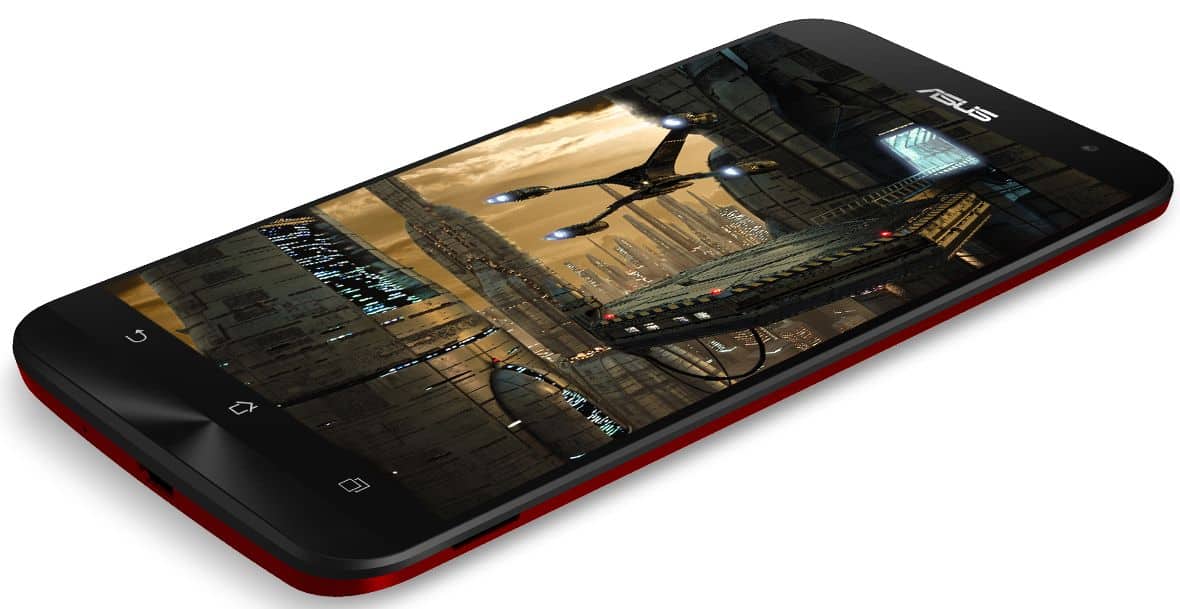
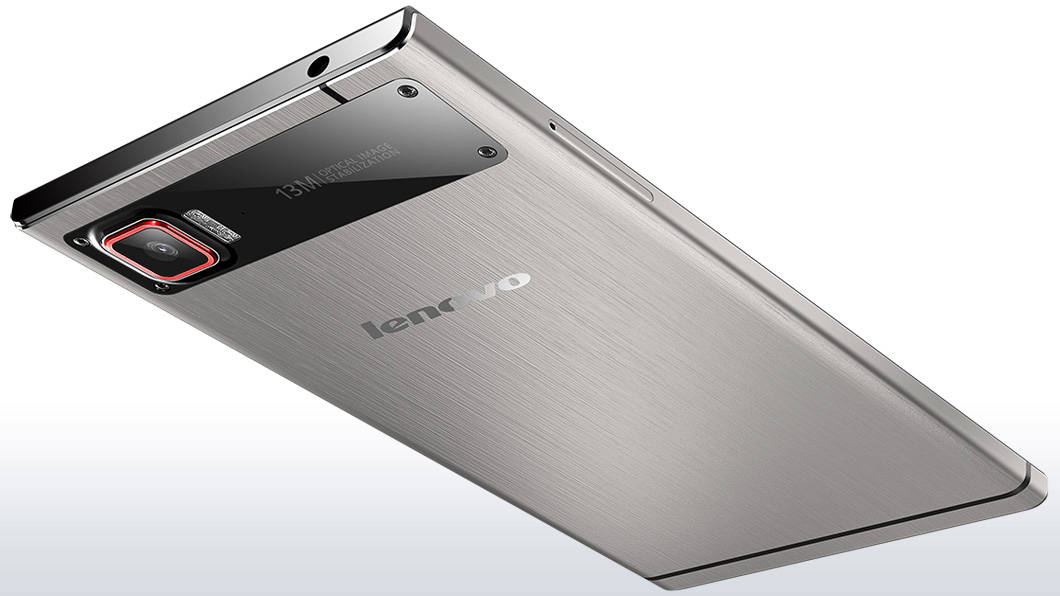
1. Lenovo Vibe Z2
It’s no surprise when this Lenovo phone lands in Number 1. Lenovo Vibe Z2 is not a new phone, but it is still a “big one” . It stands out other budget 2GB RAM phones with a huge 6.0-inch screen and 2K resolution (1440 x 2560p-490ppi). So, a “big name” is not an exaggeration! Besides, the handset offered nice design measured in 156 x 81.3 x 7.7 and with a moderate weight: 156g.
The internal of this phone is also powerful. There is a Quad-comm SnapDragon 801 processor sitting on 2.5GHz quad-core CPU. Next, the high-performance of Lenovo Vibe Z2 could from 3GB RAM, 32GB inbuilt storage, and a huge 4000mAH. You still find a 4G, dual-SIM and Android 4.4 on this phone. Lenovo Vibe Z2 camera offers 16MP on the back and 5MP on the front. With all specs above, you’ll be surprised with Lenovo Vibe Z2 price, with only RM. 1350 ($331)
You May Like
-
Nokia Maze Xtreme 2026 Specs: 200MP Cameras, 12000mAh Battery!
-
Nokia XS Max 2026 Specs: 200MP Cameras, 10600mAh Battery!
-
Nokia P1 Lite 2026 Specs: 200MP Cameras, 11000mAh Battery!
-
Nokia Flash 2026 Specs: 16GB RAM, 200MP Cameras!
-
Sony Xperia Ultra Max Pro Specs: 200MP Cameras, 19100mAh Battery!
-
Nokia A2 Pro Specs: 18GB RAM, 12000mAh Battery!
-
Nokia Royale Max Ultra 2026 Specs: 24GB RAM, 18700mAh Battery!
-
Nokia Play 2 Max 2026 Specs: 24GB RAM, 12000mAh Battery!
-
مواصفات Sony Ericsson Satio 2026: ذاكرة RAM بسعة 16 جيجابايت، وكاميرات بدقة 250 ميجابكسل!
Huawei Mate 9 VS Oppo R9 Plus: 4GB RAM, 6.0-inch
Huawei Mate 9 vs Oppo R9 Plus is a big battle. When we say “big”, we’re not kidding. Both of them sport big screen, a big battery, big camera, etc. But which one is bigger? Let’s take a look!
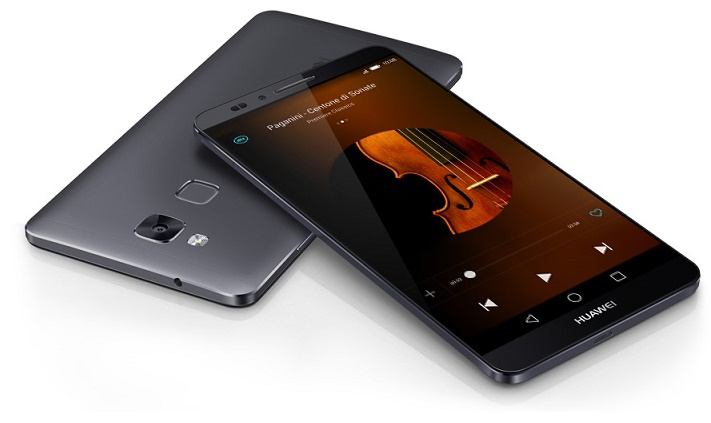
Huawei Mate 9 vs Oppo R9 Plus: 4GB RAM, 6.0-inch
If you want a “big phone”, you can freely pick one of them. Both devices come with huge 6.0-inch screens. To be more specify, Huawei Mate 9 screen flaunts at 1440 x 2560 pixels. Meanwhile. Oppo R9 Plus screen comes at 1080 x 1920 pixels. As you see, Huawei M9 presents the same 6.0-inch display but with higher resolution.
Most importantly, in Huawei Mate 9 vs Oppo R9 Plus, which phone is stronger? They are all powered by Octa-core processor, but Oppo R9 Plus is believed to be a bit stronger with SnapDragon 652 chipset on board. On the other hand, Huawei Mate 9 is powered by HiSilicon Kirin 960. Particularly, SnapDragon chipset is often over than Kirin chipset. The other specs are same on both phones: 4GB RAM, 64/128 GB ROM.
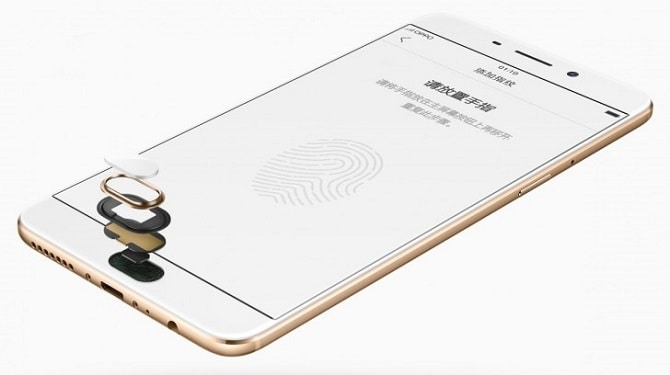
Move to battery battle, both are delivered at whopping capacity. Oppo R9 Plus get a big 4120 mAH battery. Meanwhile, Huawei Mate 9 battery is even bigger with 5000mAH. The Huawei phone is also a clear winner in camera battle: (Huawei Mate9-20MP vs Oppo R9 Plus-16MP). Moreover, Huawei Mate 9 runs Android 6.0 while Oppo R9 Plus runs the older Android 5.0. But Huawei Mate 9 has only single SIM, seem less great than dual-SIM on Oppo R9 Plus.
Huawei Mate 9 vs Oppo R9 Plus: let’s pick!
Before making a decision, it’s very importance to consider the price! Huawei Mate 9 price is $505 while Oppo R9 Plus price ranges at $669. With a $164 lower price, Huawei Mate 9 sports the bigger battery, the same screen with higher resolution, a bigger main camera, a newer OS, the same 4GB RAM. The only degraded specs compared to its counterpart is single SIM, but the almost user can live without it. So, the winner in Huawei Mate 9 vs Oppo R9 Plus is a Huawei phone.
You May Like
-
Nokia Maze Xtreme 2026 Specs: 200MP Cameras, 12000mAh Battery!
-
Nokia XS Max 2026 Specs: 200MP Cameras, 10600mAh Battery!
-
Nokia P1 Lite 2026 Specs: 200MP Cameras, 11000mAh Battery!
-
Nokia Flash 2026 Specs: 16GB RAM, 200MP Cameras!
-
Sony Xperia Ultra Max Pro Specs: 200MP Cameras, 19100mAh Battery!
-
Nokia A2 Pro Specs: 18GB RAM, 12000mAh Battery!
-
Nokia Royale Max Ultra 2026 Specs: 24GB RAM, 18700mAh Battery!
-
Nokia Play 2 Max 2026 Specs: 24GB RAM, 12000mAh Battery!
-
مواصفات Sony Ericsson Satio 2026: ذاكرة RAM بسعة 16 جيجابايت، وكاميرات بدقة 250 ميجابكسل!
Oppo F1 VS Leagoo T1: 3GB selfie phone battle
Oppo F1 VS Leagoo T1: a tough battle between two selfie smartphones. One is from the famous Oppo, the other is from a not-so-famous brand. Which one will win?
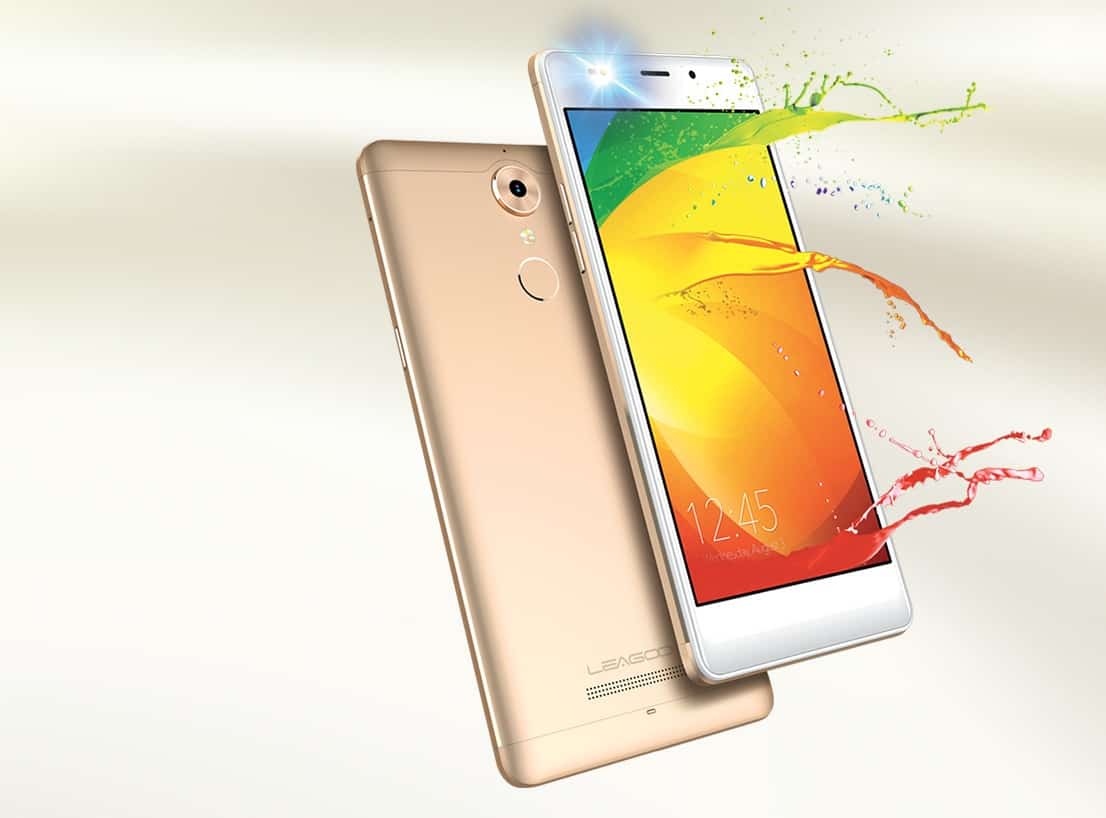
Oppo F1 VS Leagoo T1: selfie phone battle
Oppo F1 is the first generation of Selfie phone of the company. Thanks to this device, Oppo is now known as the best selfie phone brand in the market. On the other hand, Leagoo is a growing brand. And of course, its reputation is not as much as Oppo. However, with T1 phone, the company is confident that they can compete with the famous F1. Both devices come with a 5-inch display with the resolution of 1280 x 720 px. The screen is protected with Corning Gorilla Glass 4. They all pack a 16GB inbuilt storage expanded up to 128GB. F1 and T1 have an 8MP snapper on the front and a 13MP camera on the back.
Despite having the same camera resolution, Leagoo T1 cameras seem to be better with many advanced features. The front cam comes with Beauty 4.0 and Smart Flash, which can give you a perfect picture even in the night. And you can take a selfie pic by touching the fingerprint 3.0 sensor on the rear panel. The primary cam comes with a dual LED flash. F1 is powered by a 1.2Ghz octa-core SND 616 chipset. While Leagoo phone runs on 1.3Ghz quad-core MT6737. Oppo device defeats its rival with 3GB RAM and a 2500mAH cell. These features on T1 are 2GB and 2400mAH. In the exchange, the phone from Leagoo beats F1 with Android 6.0. On Oppo F1, it’s Android Lollipop.
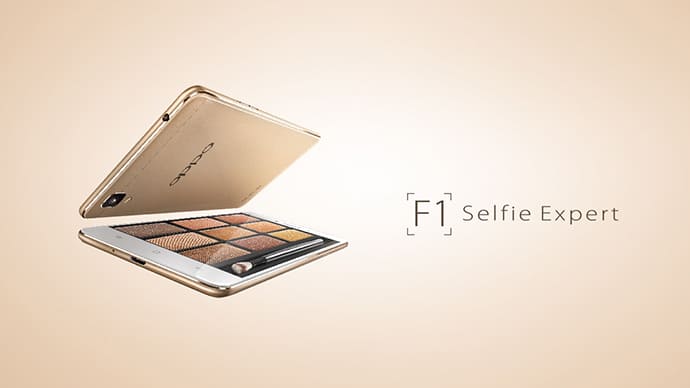
Oppo F1 VS Leagoo T1: it’s a neck-to-neck battle. Each phone has its own strength to compete with one another. The Oppo phone has a larger battery life and a bigger RAM. While the one from Leagoo sports a newer OS and better cameras. So, if you want a selfie phone with good performance, you should go with F1 of Oppo . However, if you are a selfieholic, Leagoo T1 is a proper choice for you.
Oppo F1 VS Leagoo T1: it’s all come down to the price
Oppo F1 specs and Leagoo T1 specs are neck-to-neck. And if it’s hard for you to choose the winner, you should consider their prices. Oppo F1 price is about $233 ~ RM. 937. Leagoo T1 price is much cheaper with $136 ~ RM 549. So, if you want a smart selfie handset with a cheap price, Leagoo T1 is more appropriate for you. But if you want to choose a selfie phone from a familiar brand, you should pick Oppo F1.
You May Like
-
Nokia Maze Xtreme 2026 Specs: 200MP Cameras, 12000mAh Battery!
-
Nokia XS Max 2026 Specs: 200MP Cameras, 10600mAh Battery!
-
Nokia P1 Lite 2026 Specs: 200MP Cameras, 11000mAh Battery!
-
Nokia Flash 2026 Specs: 16GB RAM, 200MP Cameras!
-
Sony Xperia Ultra Max Pro Specs: 200MP Cameras, 19100mAh Battery!
-
Nokia A2 Pro Specs: 18GB RAM, 12000mAh Battery!
-
Nokia Royale Max Ultra 2026 Specs: 24GB RAM, 18700mAh Battery!
-
Nokia Play 2 Max 2026 Specs: 24GB RAM, 12000mAh Battery!
-
مواصفات Sony Ericsson Satio 2026: ذاكرة RAM بسعة 16 جيجابايت، وكاميرات بدقة 250 ميجابكسل!
Smartphone RAM: What is it and how much is enough?
2GB RAM, 3GB RAM, 4GB RAM, and even 6GB RAM are commonly available in today’s smartphones! But do you know what smartphone RAM is and how it functions? Let’s take a look at this article to have the answer!

What is smartphone RAM and its functions?
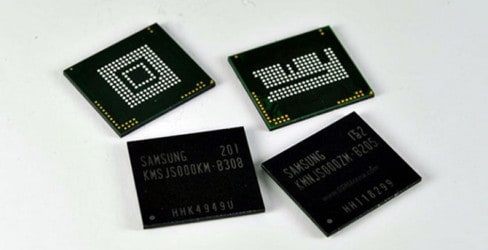
RAM stands for Random Access Memory. In smartphones, RAM is a very important factor behind the chipset! Most RAMs in smartphone are rewritable. All the data stored in RAM is just temporary. Everything in the smartphone RAM is deleted when the smartphone is shut down (the same thing happens in computers too). Bigger RAM means bigger storage for those temporary data!
The function of smartphone RAM is to record the changes that take place while the programs and applications in the phone are running! RAM is also in charge of storing the data which is currently accessed and used by the apps. When you conduct multiple tasks, you unintentionally create data! And without the RAM, there’s nothing to hold those data! That’s why RAM is a must in smartphone! You may wonder why such data is not stored in ROM. Actually, ROM is for “visible” data only – the data that you can “see” in the explorer!
How much smartphone RAM is enough?
Currently there are smartphones with 2GB RAM, 3GB RAM, 4GB RAM and even 6GB RAM! So how much is enough? Nowadays, smartphone chipsets become better and better, which results in faster task conducting! Smartphone RAM plays the role of an assistant of the chipset! So if your smartphone already packs a great chipset (like Snapdragon 800 and above), a 2GB RAM still rocks!
But in case you don’t understand what is chipset or you don’t know what is the chipset of your phone, you can judge a phone by its RAM. For common users who use their phones for social networks, photography and videos, a 3GB RAM is already enough! But if you are a heavy gamers, you need a 4GB RAM or above because those games consume a lot of space!
You May Like
-
Nokia Maze Xtreme 2026 Specs: 200MP Cameras, 12000mAh Battery!
-
Nokia XS Max 2026 Specs: 200MP Cameras, 10600mAh Battery!
-
Nokia P1 Lite 2026 Specs: 200MP Cameras, 11000mAh Battery!
-
Nokia Flash 2026 Specs: 16GB RAM, 200MP Cameras!
-
Sony Xperia Ultra Max Pro Specs: 200MP Cameras, 19100mAh Battery!
-
Nokia A2 Pro Specs: 18GB RAM, 12000mAh Battery!
-
Nokia Royale Max Ultra 2026 Specs: 24GB RAM, 18700mAh Battery!
-
Nokia Play 2 Max 2026 Specs: 24GB RAM, 12000mAh Battery!
-
مواصفات Sony Ericsson Satio 2026: ذاكرة RAM بسعة 16 جيجابايت، وكاميرات بدقة 250 ميجابكسل!
Huawei Mate 9 specs might have been leaked!
The Huawei Mate 9 specs is thought to have been leaked via the GFX Bench database, when the Huawei press event for the IFA expo is coming soon in September. Let’s take a look at the supposed leaked specs.
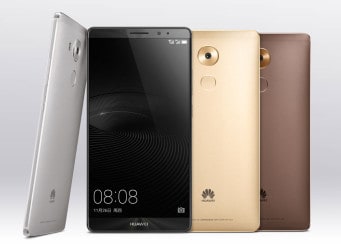
Huawei Mate 9 specs: 4GB RAM, Octa-core processor, 12MP main camera
According to GFX, Huawei Mate 9 specs will include an octa-core processor, with the SoC being HiSilicon Hi3660, more powerful than the one in Huawei P9. However, the GPU remains the same as P9, ARM Mali-T880, although we hope that the core count may be increased. Huawei Mate 9 will also house 4GB RAM. It will also run on Android 7 Nougat, the latest Android OS version. These specs look quite good and hopefully the phone will perform well.
Also according to the Huawei Mate 9 specs leak, the phone will have quite a big screen: a 5.9-inch display; however, it will only be 1080p resolution. GFX has not always been correct, but if that is true, it is quite a letdown. The internal storage will be quite spacious, 64GB, and it’s to been seen if we can extend that. Camera will be 8MP for the front, and 12MP for the main camera, contrary to the rumored 20MP main camera. We hope that GFX is wrong on this one; 20MP main camera would make this phone awesome.

Huawei Mate 9 specs: what should be the price?
We still have to wait for official announcements to know the full specs and rice, however, if those Huawei Mate 9 specs leaked are true, then we believe the price will be similar to its predecessor, Huawei Mate 8. The price for Huawei Mate 8 is RM 1,599 – RM 1,699. We believe that Huawei Mate 9 will have similar price, given the leaked specs. What do you think should be the price for this phone? Tell us your thoughts.
You May Like
-
Nokia Maze Xtreme 2026 Specs: 200MP Cameras, 12000mAh Battery!
-
Nokia XS Max 2026 Specs: 200MP Cameras, 10600mAh Battery!
-
Nokia P1 Lite 2026 Specs: 200MP Cameras, 11000mAh Battery!
-
Nokia Flash 2026 Specs: 16GB RAM, 200MP Cameras!
-
Sony Xperia Ultra Max Pro Specs: 200MP Cameras, 19100mAh Battery!
-
Nokia A2 Pro Specs: 18GB RAM, 12000mAh Battery!
-
Nokia Royale Max Ultra 2026 Specs: 24GB RAM, 18700mAh Battery!
-
Nokia Play 2 Max 2026 Specs: 24GB RAM, 12000mAh Battery!
-
مواصفات Sony Ericsson Satio 2026: ذاكرة RAM بسعة 16 جيجابايت، وكاميرات بدقة 250 ميجابكسل!
5 reasons why Slim smartphones are not that good
Slim smartphones easily attract users for its stunning design. However, like most things, a thin body has its own disadvantages. And those also make up 5 reasons why slim smartphones are not that good.

Slim smartphones: they are not perfect
First of all, a slim body means sacrification of other great features. In order to keep the smartphone as thin as possible, producers have to also minimize some specs to fit them in the body. For instances, slim smartphones usually come with smaller batteries and thinner protection glasses, which could affect the screen longevity. Some producers even kill of microSD card slot, or headphone jack (like the iPhone 7), both of which we still need a lot in our life. Secondly, a less thick body frequently comes along with a camera bump. Because of the limited width, the big sensor can not rest comfortably on the back, making it protrusive and easy to get scratched.
The third disadvantage slim smartphones face with is the uneasy handling. As the body is so thin, you can not take a good grip of the phone, making any action with it a bit harder, and longer hold a bit more tiring for your hand. Although this can totally be fixed with a phone case, many users really don’t prefer wearing extra “layers” for their phones and would go for a more elegant look of the original design instead. The forth shortcoming is that, slim smartphones are harder to be repaired when issues happen, as they would need to change the panel, screen and make sure they fit in the tiny width of the machine.

Last but not least, as you may have already noticed, slim smartphones tend to cost way more than thicker ones. The reason for this is simple: the companies have to apply the newest technology, do more research, switch to better material to produce a thin body yet still strong and long lasting enough. We are not denying the fact that, a certain percentage of users don’t mind paying extra for this. However, it is still a drawback that acts as a minus point when one choose a smartphone for themselves.
Slim smartphones: Compromises are unavoidable
Slim smartphones, like most things, can not be perfect devices. They fit the taste of many people, and not of priority choice for others. Seeing the drawbacks of these will provide you with a fuller big picture, so that you can consider the pros and cons, and choose the best for your personal liking.
You May Like
-
Nokia Maze Xtreme 2026 Specs: 200MP Cameras, 12000mAh Battery!
-
Nokia XS Max 2026 Specs: 200MP Cameras, 10600mAh Battery!
-
Nokia P1 Lite 2026 Specs: 200MP Cameras, 11000mAh Battery!
-
Nokia Flash 2026 Specs: 16GB RAM, 200MP Cameras!
-
Sony Xperia Ultra Max Pro Specs: 200MP Cameras, 19100mAh Battery!
-
Nokia A2 Pro Specs: 18GB RAM, 12000mAh Battery!
-
Nokia Royale Max Ultra 2026 Specs: 24GB RAM, 18700mAh Battery!
-
Nokia Play 2 Max 2026 Specs: 24GB RAM, 12000mAh Battery!
-
مواصفات Sony Ericsson Satio 2026: ذاكرة RAM بسعة 16 جيجابايت، وكاميرات بدقة 250 ميجابكسل!
Meizu M3E specs unveiled 3GB RAM, 5.5-inch. 3100mAH
Instead of Meizu M1E as previous leak, a new phone from the China brand are coming soon, the Meizu M3E. With a new name, this phone has unveiled more clearly specs. Let’s check!
Meizu M3E: A new Meizu M1E !
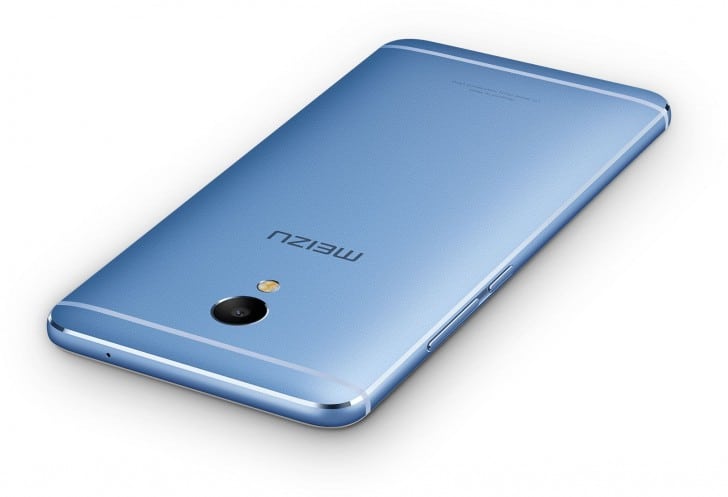
In the event on August 10, Meizu has presented a new phone. But it is not M1E like the first leak, a new phone get a different name: Meizu M3E. When a number 3 replacing number 1, Meizu M3E is expected to be stronger. But it could be the marketing strategy of Meizu, when Meizu M3E specs seem to remain as previous leaks. Still, we expect new Meizu phone gets a better performance, at least nicer design.
First up, Meizu M3E make a surprise in the design. It looks like Meizu M3 Note in both the front and back side, including a 5.5-inch FullHD IPS display. The back side is slightly curved and ground compared to M3 Note. But Meizu M3E is slimmer at 7.9mm of thickness. The weight is event slighter, with only 172 g. The front also remained with a particular mTouch 2.1 Home button and a fingerprint scanner. The battery is reduced to 31000mAH but with better fast-charging (50% in just 30 minutes).
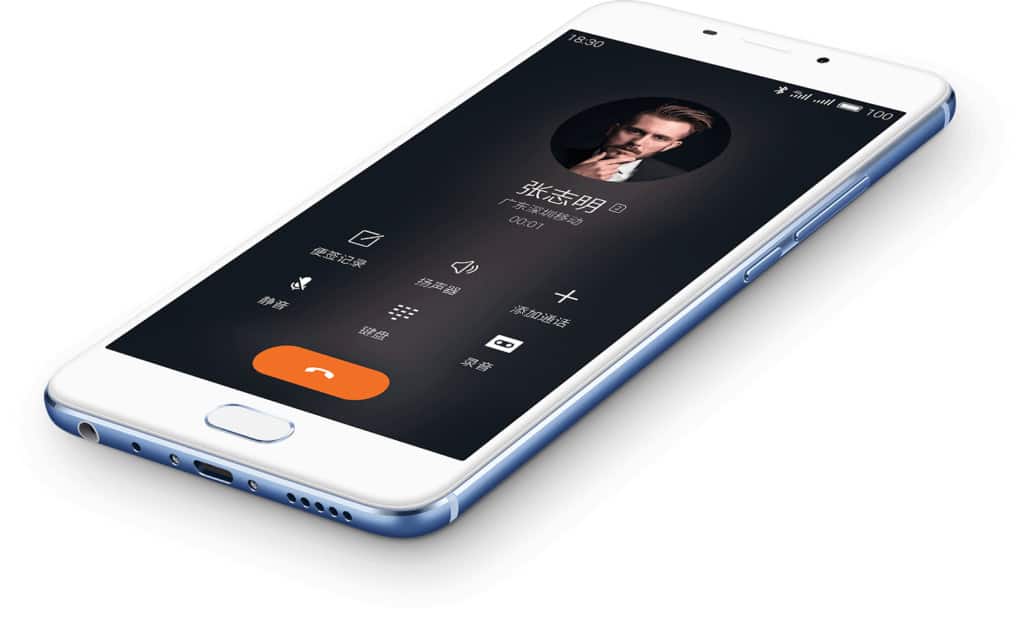
Move to the internals, this new Meizu phone is powered by MediaTek MT6755 Helio P10 SOC, together with 3GB RAM. And the 32GB internal storage is good enough, but it is extendable up to 128GB. There is a 13MP main camera powered by Sony’s IMX258 sensor, f/2/2 aperture, 5P lens (wonderful!), and of course with phase detection autofocus. The front camera flaunts 5MP resolution with a f/2.0 aperture and 4P lens. Such a nice camera combo!
Meizu M3E price and availability
In new Meizu M3E, there is additional Blue color. The other versions come in Gray, Silver, Gold and Rose Gold. Meizu M3E price is $195 (RM. 779). That is a nice price when considering all specs it offered, right?
You May Like
-
Nokia Maze Xtreme 2026 Specs: 200MP Cameras, 12000mAh Battery!
-
Nokia XS Max 2026 Specs: 200MP Cameras, 10600mAh Battery!
-
Nokia P1 Lite 2026 Specs: 200MP Cameras, 11000mAh Battery!
-
Nokia Flash 2026 Specs: 16GB RAM, 200MP Cameras!
-
Sony Xperia Ultra Max Pro Specs: 200MP Cameras, 19100mAh Battery!
-
Nokia A2 Pro Specs: 18GB RAM, 12000mAh Battery!
-
Nokia Royale Max Ultra 2026 Specs: 24GB RAM, 18700mAh Battery!
-
Nokia Play 2 Max 2026 Specs: 24GB RAM, 12000mAh Battery!
-
مواصفات Sony Ericsson Satio 2026: ذاكرة RAM بسعة 16 جيجابايت، وكاميرات بدقة 250 ميجابكسل!


